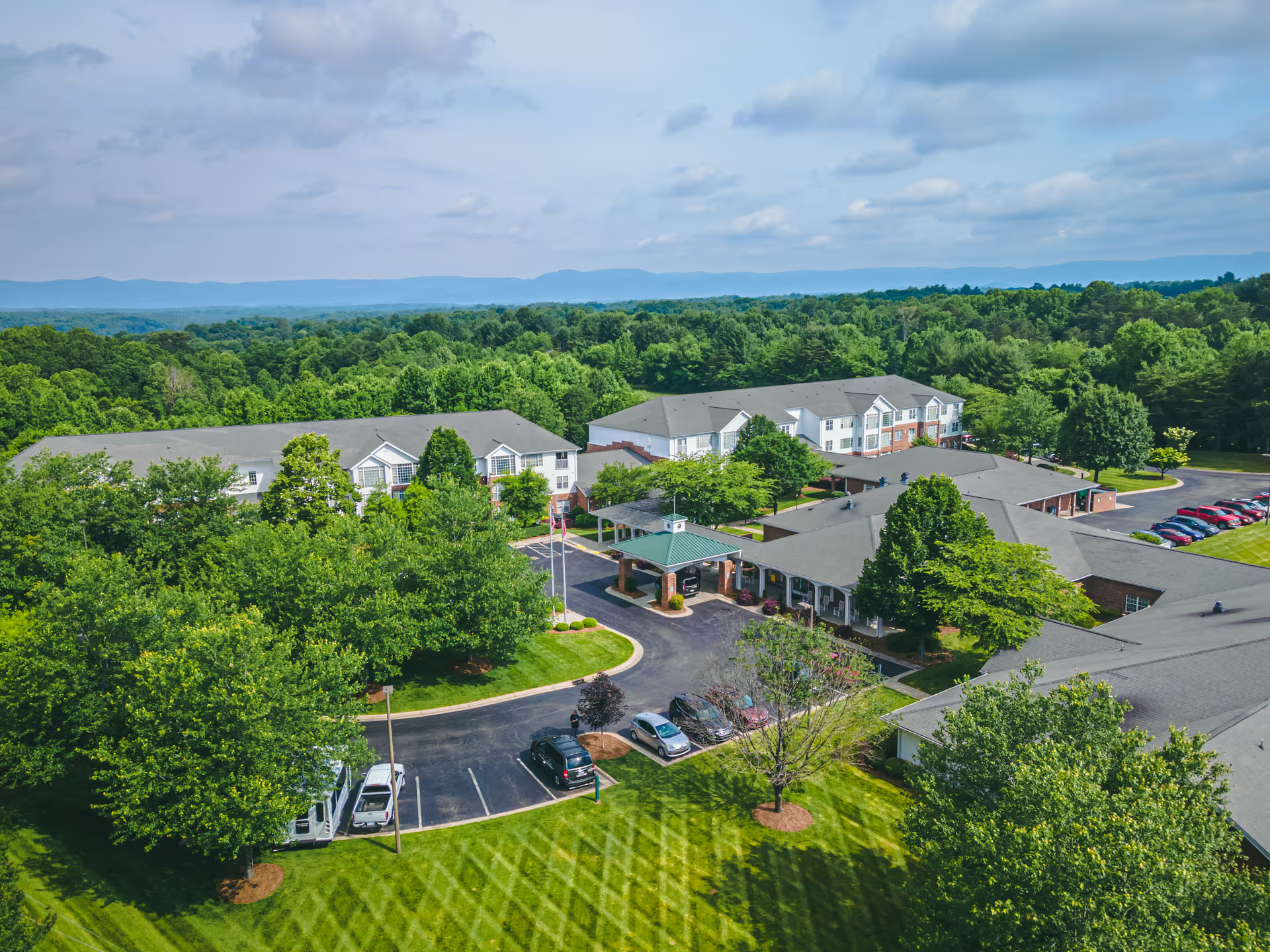
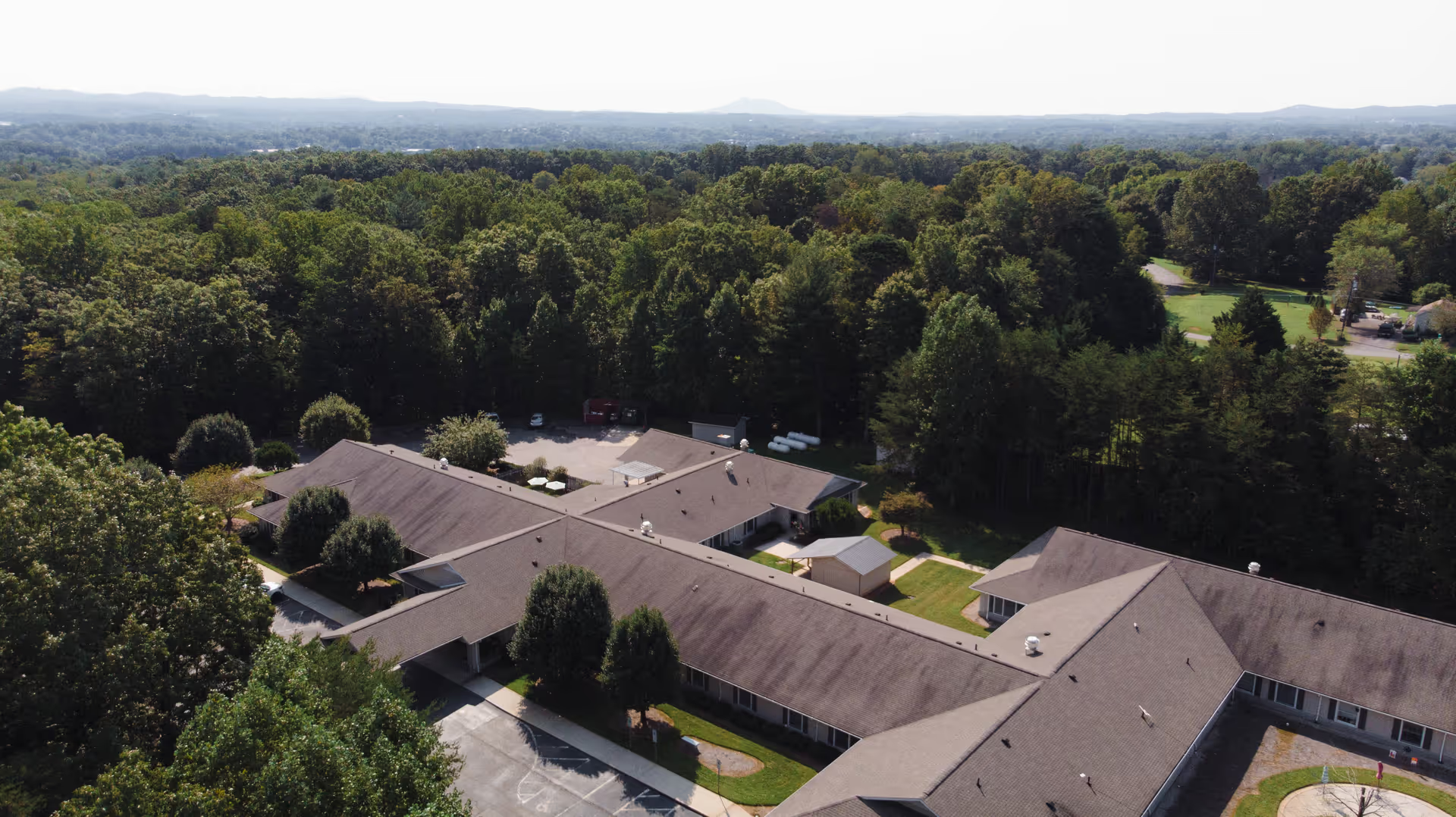
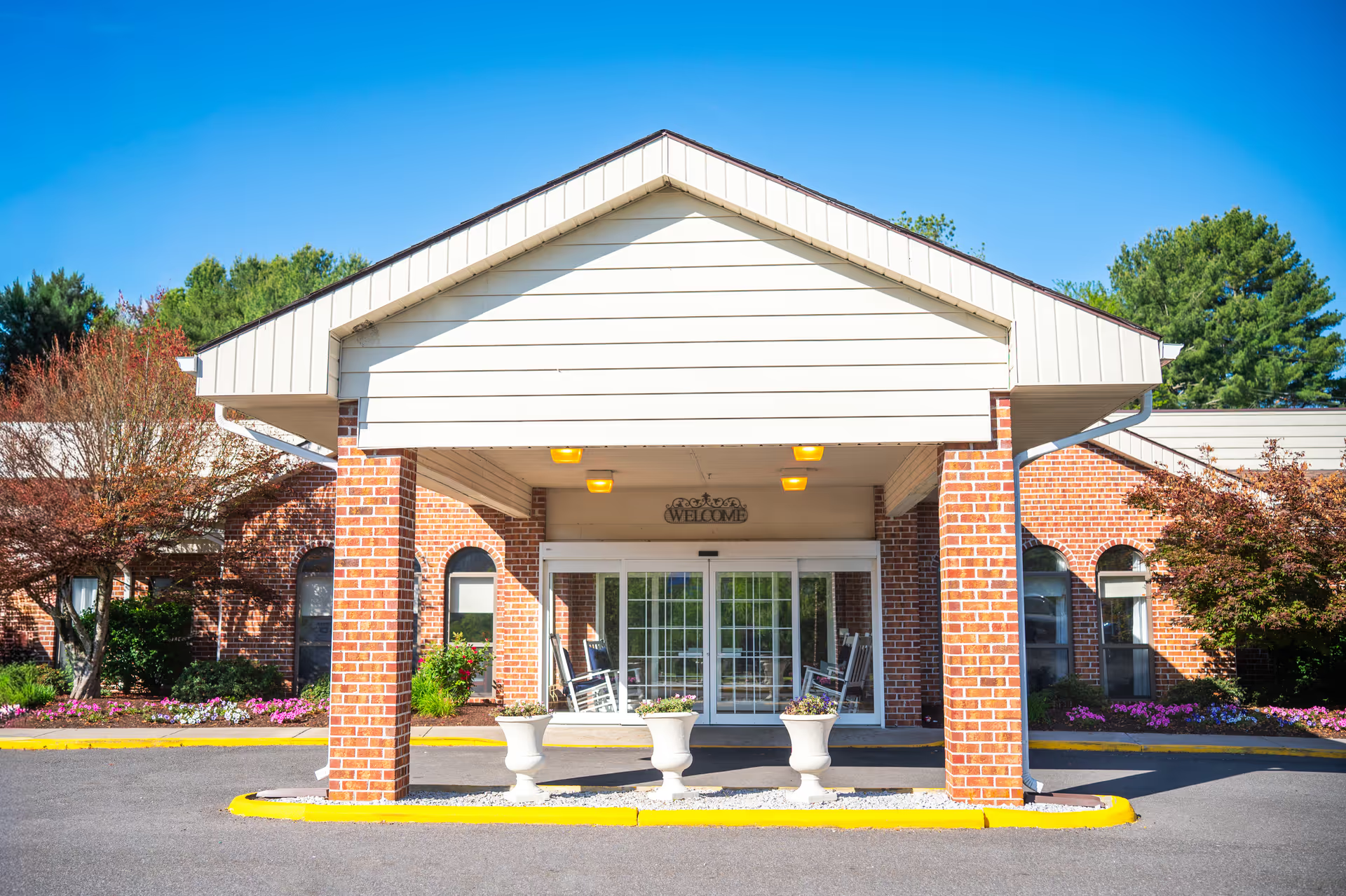
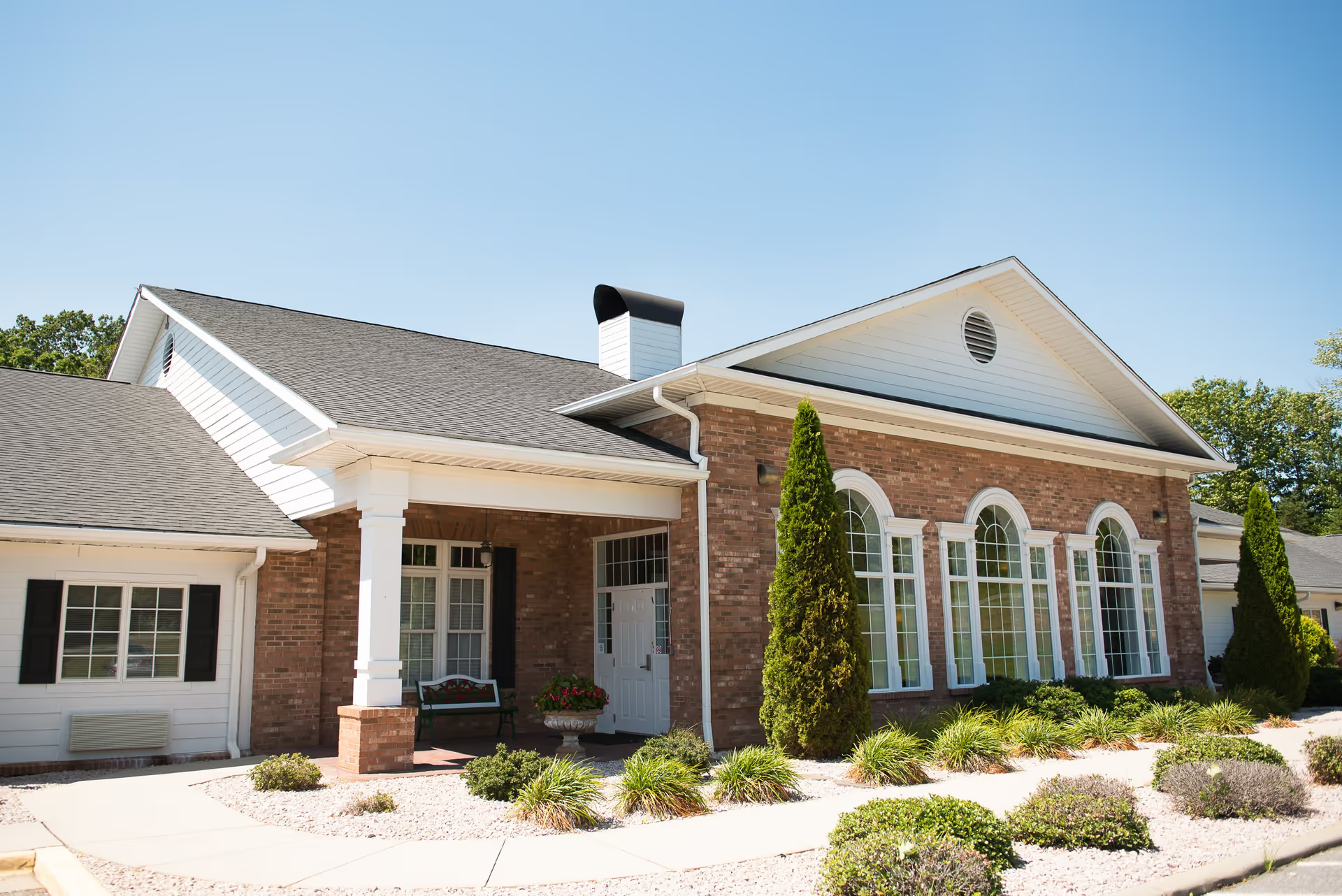
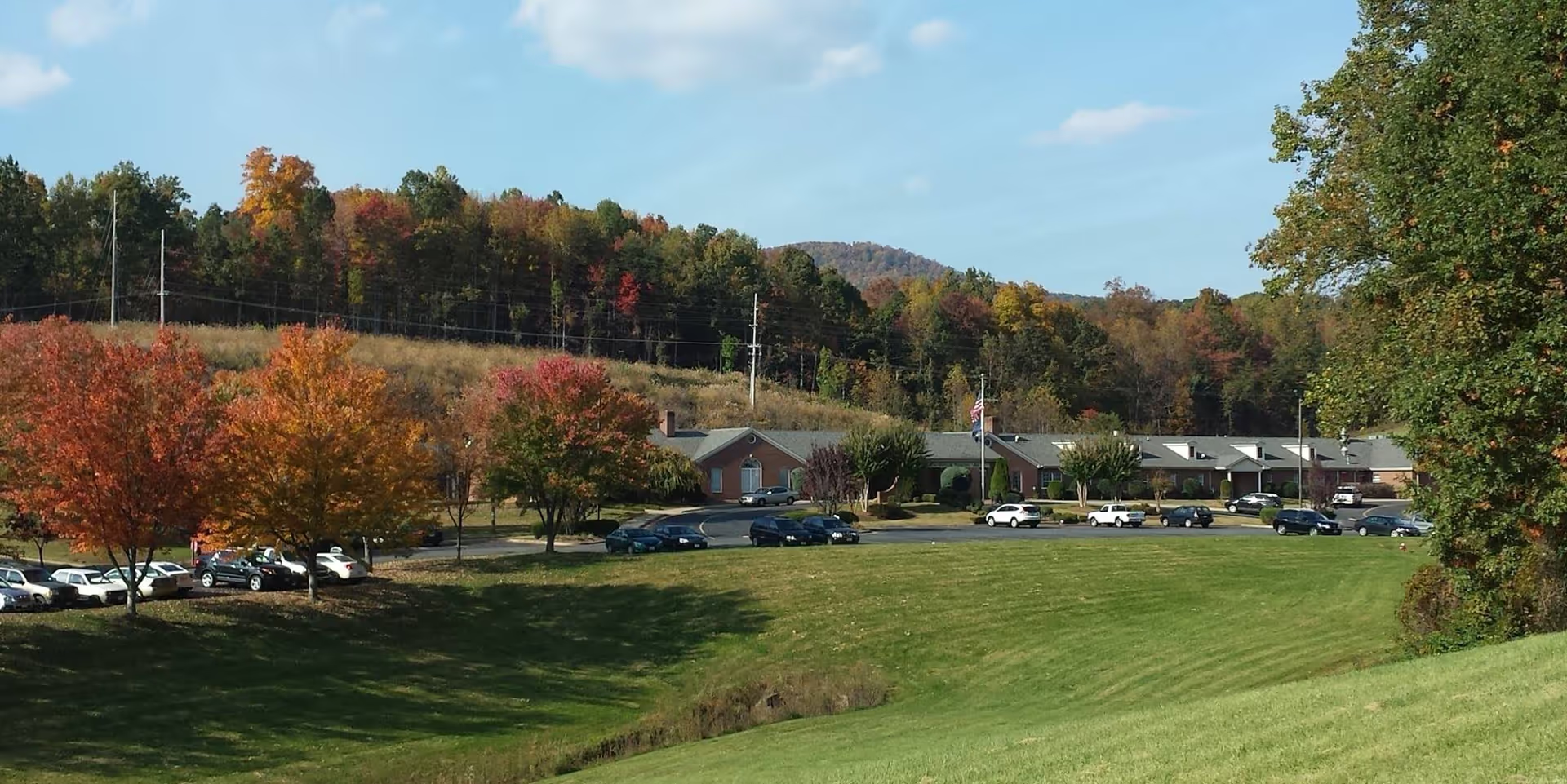
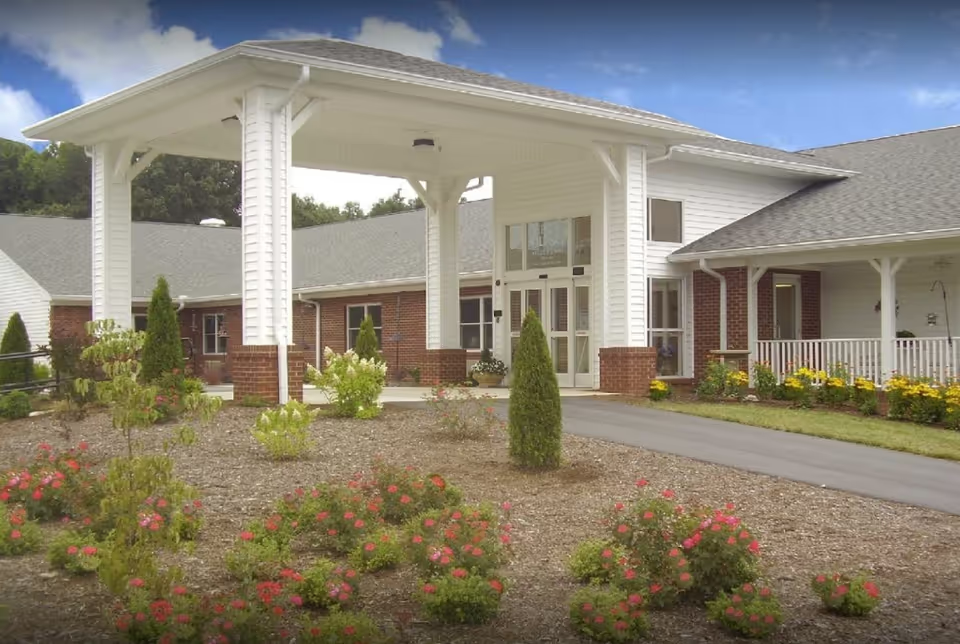
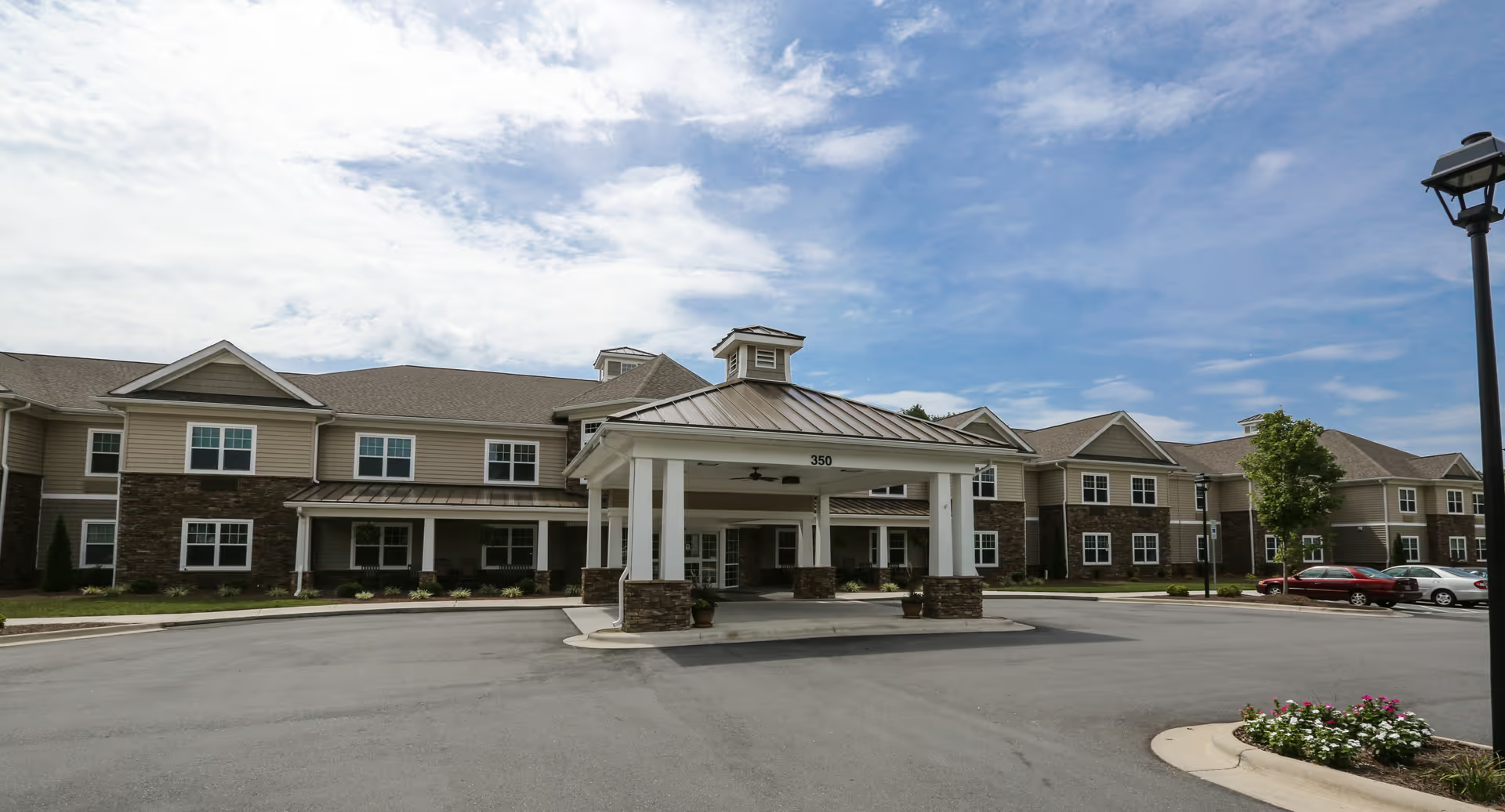
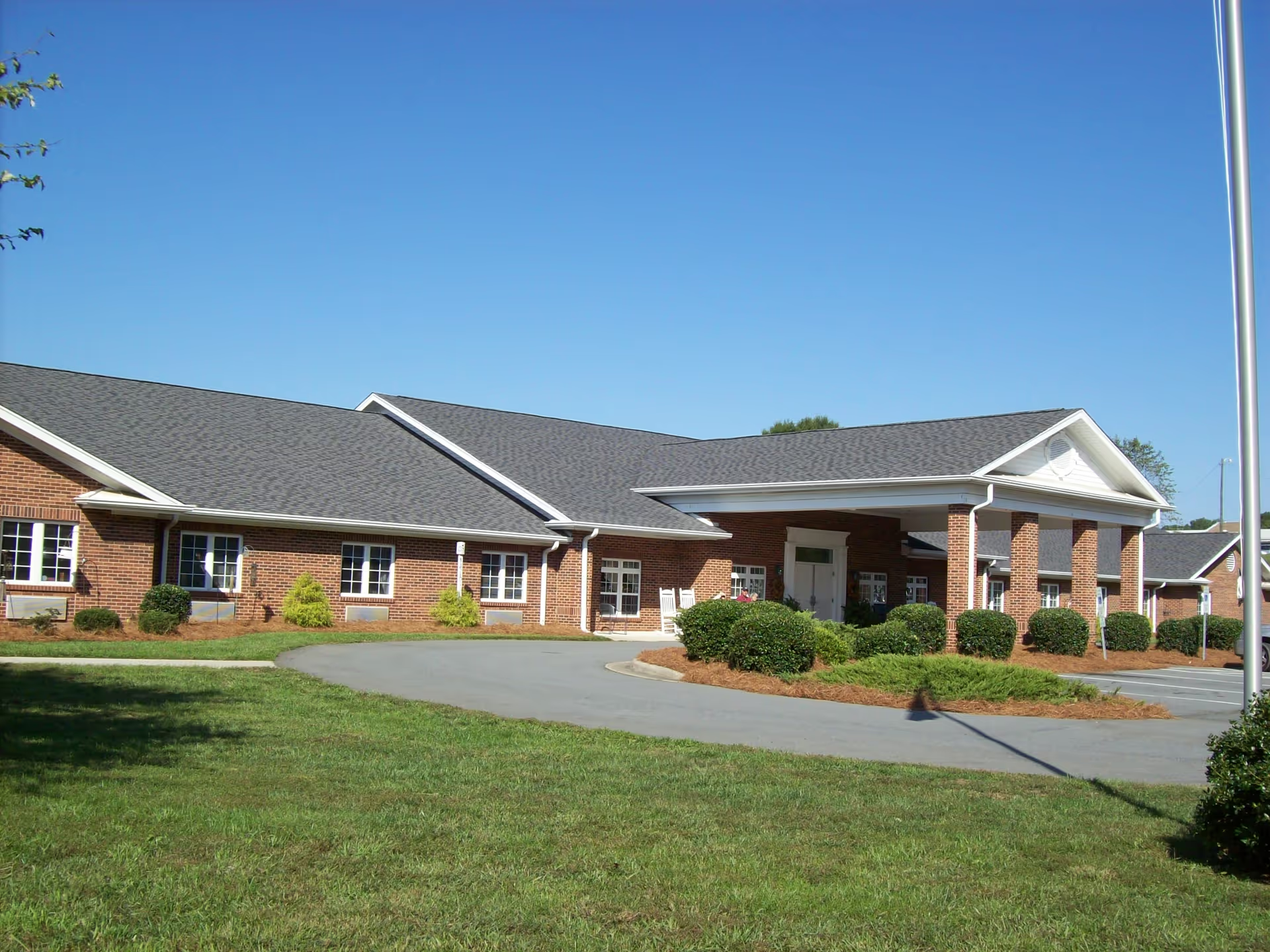
The reviews present a mixed picture. Strengths include a recently remodeled, generally clean facility with adequate room accommodations and a therapy program that several families described as effective for rehabilitation goals. Individual caregivers — particularly some CNAs and nurses — received positive mentions for compassionate, high-quality care. These positive highlights suggest the facility can provide strong rehabilitation services and that there are staff members who deliver attentive care.
However, a number of operational shortcomings recur across the feedback. Clinical-care consistency is a primary concern: reviewers described missed hygiene tasks, inconsistent bathing schedules, delayed or irregular checks on residents, and cases that families perceived as contributing to pressure injuries and infection. There are specific, serious allegations regarding catheterization practices that resulted in emergency care; such claims point to the need for review of clinical protocols and infection-prevention practices.
Staffing and workforce issues are a common theme. Reviewers reported frequent staff shortages, new or inexperienced nursing assistants, and a sense that staffing levels do not reliably meet resident needs. Several comments attributed this in part to low pay and high workload, which reviewers connected to delays in assistance (including prolonged unattended periods after transport) and uneven delivery of basic care. At the same time, multiple accounts praised individual caregivers, indicating variability in staff performance rather than uniformly poor conduct.
Communication and management practices were also highlighted as problematic. Families described difficulties reaching staff by phone, limited or inconsistent family communication about clinical status, slow or unfriendly admissions interactions, and unclear waiting-list or visitation policies. Administrative responsiveness was described as weak in some accounts — apologies without corrective action, billing or discharge communications that felt abrupt or opaque, and at least one report of a threatened discharge tied to financial matters. Observations of inconsistent enforcement of on-site policies, including smoking in outdoor resident areas, further illustrate management and oversight gaps.
Dining and daily living services received mixed feedback. Several reviewers cited poor meal quality and limited menu choices, while others did not focus on activities or social programming. The emphasis in positive comments tended to be on therapy rather than on recreational programming, suggesting that rehabilitation is a relative strength but dining and activity offerings may be uneven.
Notable patterns for prospective families: reliance on relatives to fill gaps in basic care, documentation appearing to take precedence over task completion in some cases, and uneven performance between individual caregivers and facility-wide systems. Given the combination of strengths (rehab services, some caring staff, updated physical environment) and recurrent operational concerns (staffing, clinical consistency, communication, management and billing transparency), families should approach placement with targeted questions.
Practical suggestions for evaluation: inquire about current staffing ratios and turnover, ask for written infection-control and catheter-care protocols, observe a medication administration or therapy session if possible, request the facility’s bathing and toileting schedules, review billing and discharge policies in writing, test phone responsiveness during business hours, and meet with both nursing leadership and therapy staff. These steps can help determine whether the facility’s strengths align with a prospective resident’s needs and whether the operational gaps reflected in reviews have been addressed.