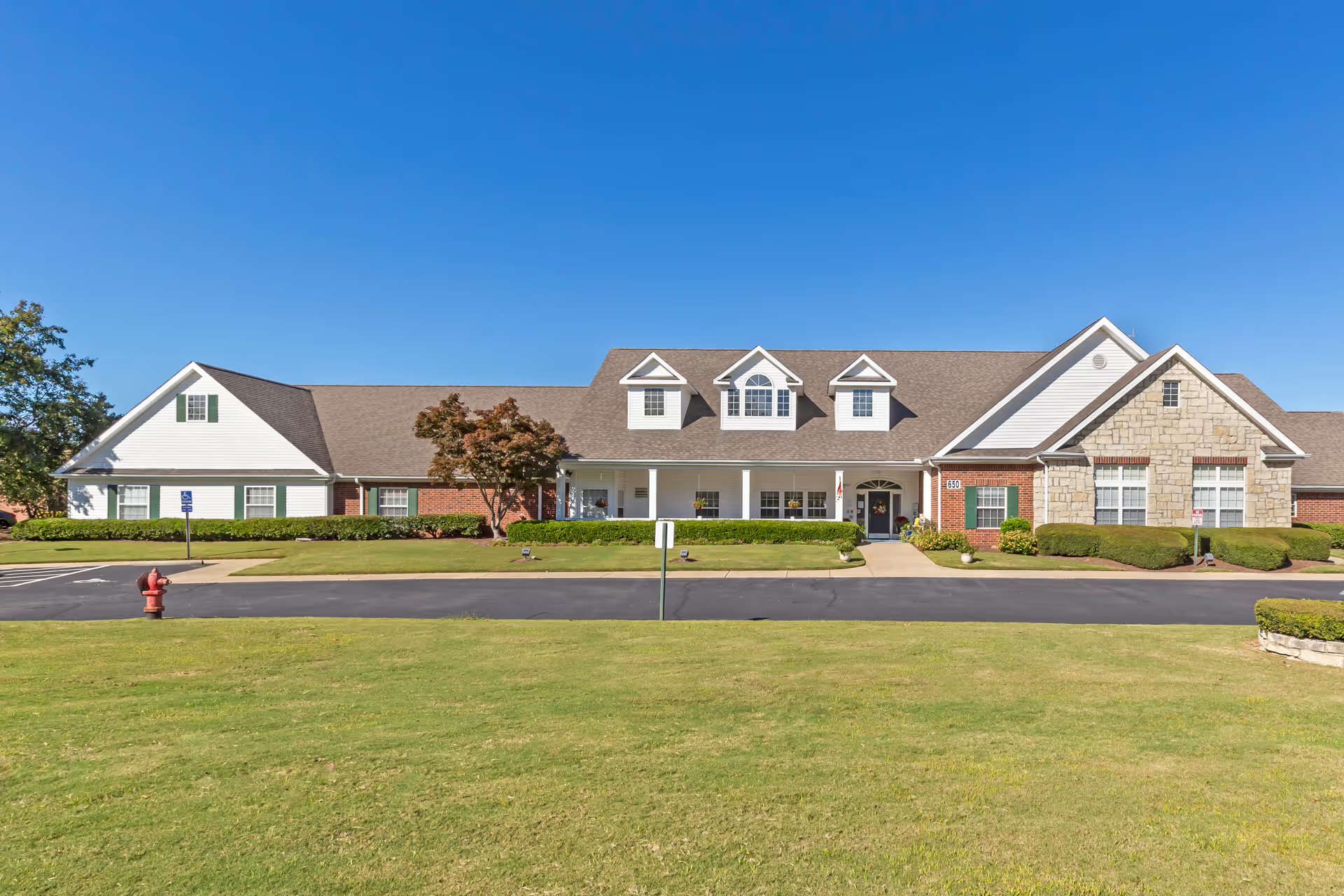
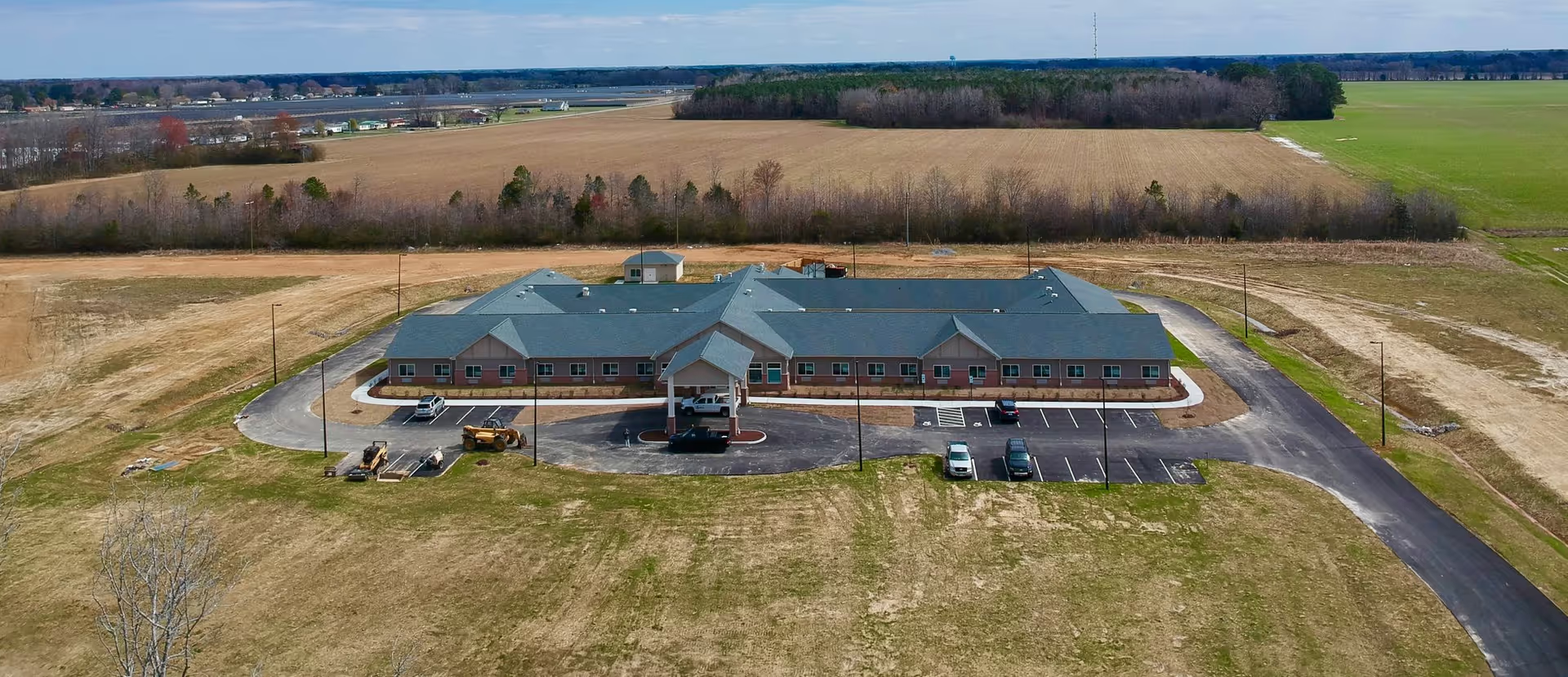
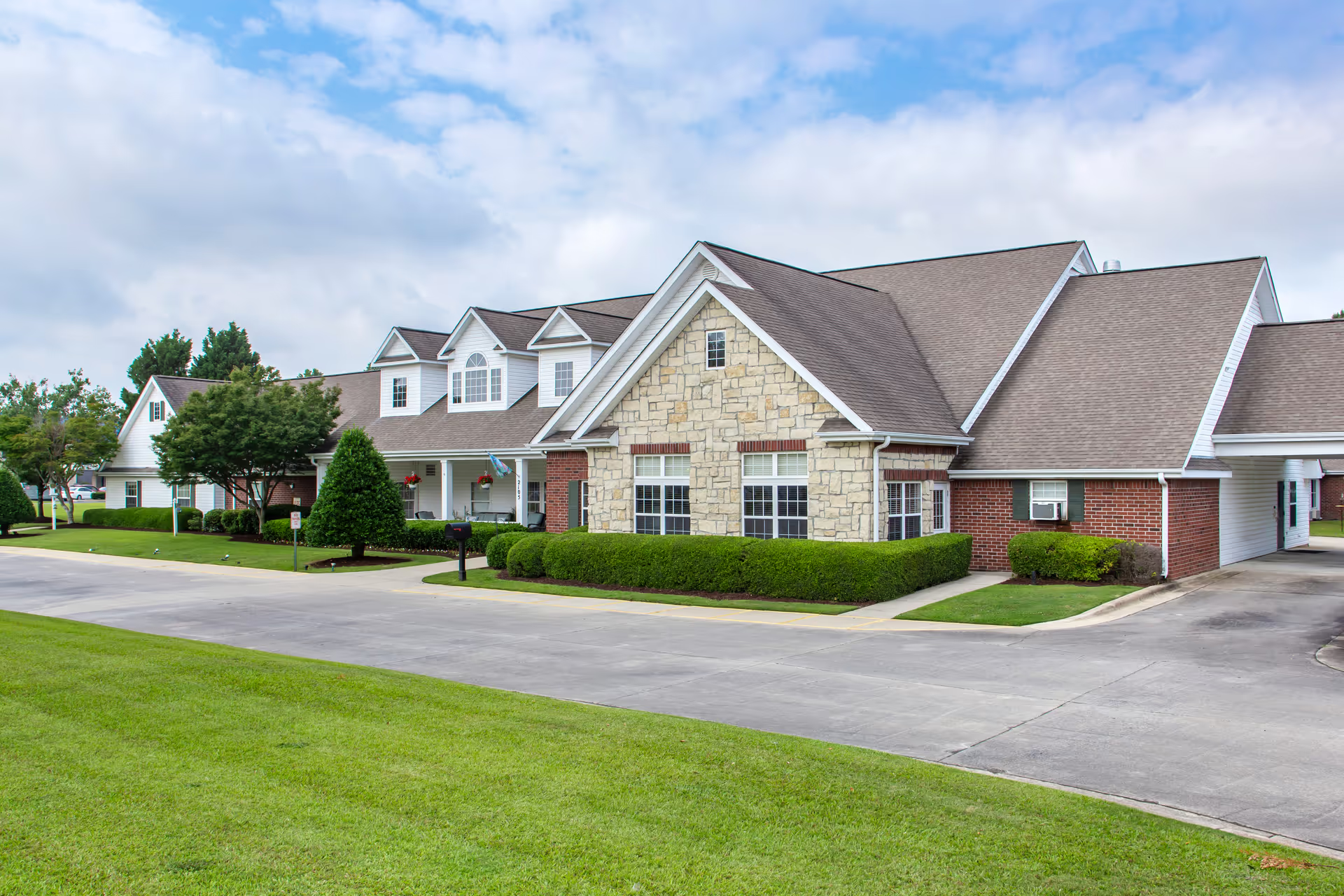
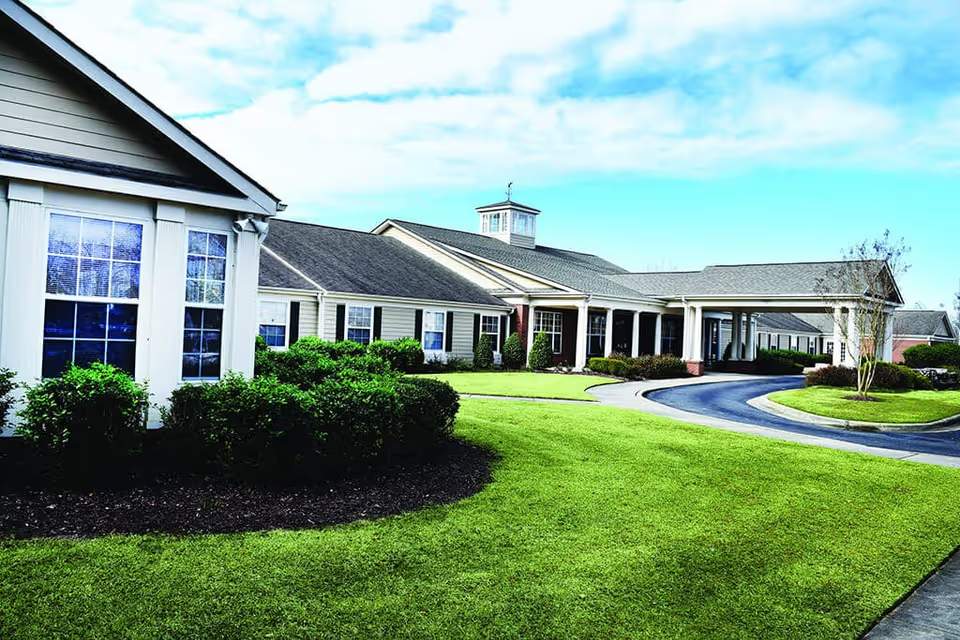
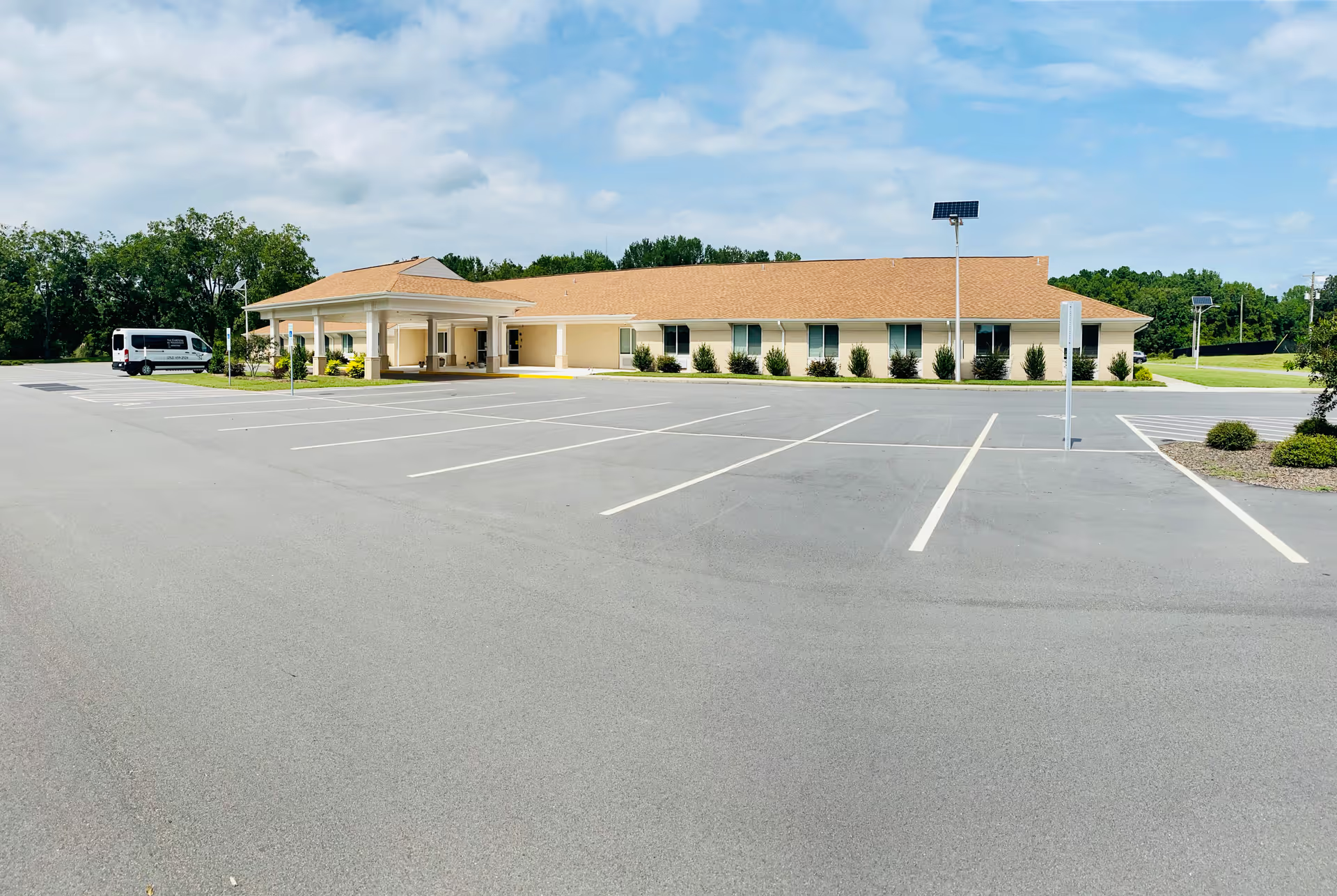
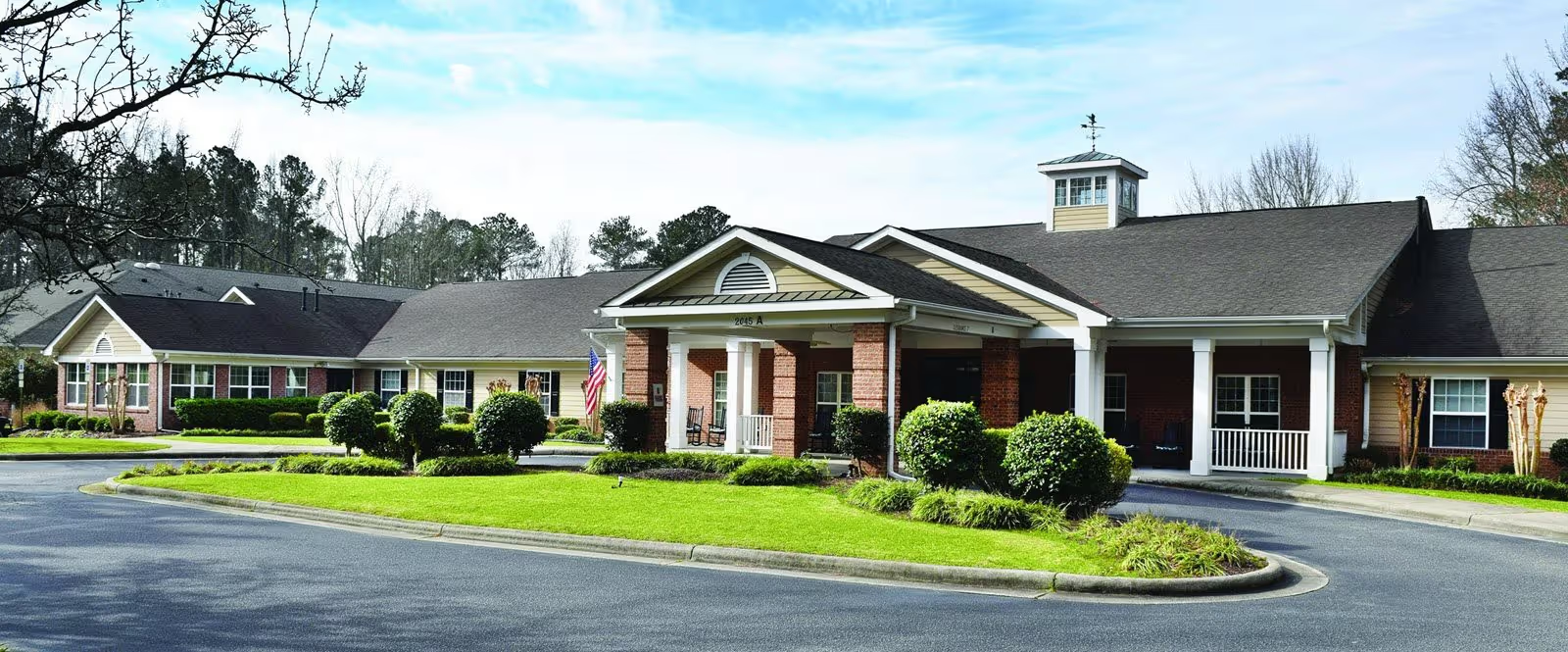
Overview: Prodigy Transitional Rehab receives a mix of strong praise and isolated but significant concerns. Many reviewers highlight the facility’s bright, spacious rooms and modern, home-like touches. The building and grounds — including a garden and patio with seating — are frequently described as well maintained, and common areas are generally viewed as pleasant and quiet at night. Several families emphasized notable improvements in mobility and successful short-term rehabilitation outcomes.
Care and staff: Staff performance is a clear strength for numerous families. Nursing staff, CNAs, and therapy teams are repeatedly described as attentive and compassionate; specific caregivers and therapists were praised for going above and beyond and for individualized attention. Therapy services, including physical/occupational therapy and adjunct offerings such as massage, are cited as effective components of residents’ recovery plans. At the same time, a subset of reviewers raised concerns about inconsistent care quality and responsiveness, suggesting variability across shifts or individual caregivers. Communication gaps with families and occasional delays in addressing concerns were also described; these appear to be operational issues rather than facility-wide clinical failures.
Dining and amenities: Dining is generally characterized positively, with reviewers noting good food quality and the ability to accommodate outside food in some situations. Rooms and bathrooms are described as modern and tidy, and thoughtful touches such as a welcome robe or home-like lighting were appreciated. The admissions and administrative teams receive favorable comments for being proactive and helpful during transitions.
Activities and quality of life: The activities program is a prominent positive: organized events such as dances, karaoke, dinners, and other social opportunities are highlighted as enhancing resident engagement. Staff who coordinate activities are recognized for maintaining an active calendar that supports socialization and entertainment.
Facilities and sanitation: Although many reviewers describe a clean environment, there are isolated but serious sanitation and odor concerns noted by some families. These accounts contrast with more positive descriptions and indicate inconsistency in housekeeping or environmental maintenance in certain areas. Prospective families should inquire specifically about current cleaning protocols, how frequently common areas and resident rooms are serviced, and what measures are in place for odor control.
Management and patterns to consider: Leadership and admissions staff receive positive remarks for responsiveness and coordination of transfers. However, recurring themes across the reviews include inconsistent communication with families and gaps in follow-up when issues are raised. These operational weaknesses can affect perceptions of care even when clinical and therapy services are strong. Given the mix of highly favorable experiences and a few serious concerns, prospective residents and families would benefit from an in-person tour, requesting details about staffing patterns, housekeeping schedules, communication processes (including escalation paths for concerns), and recent corrective actions taken in response to complaints.
Bottom line: Prodigy Transitional Rehab demonstrates clear strengths in therapy-led rehabilitation, a robust activities program, and many attentive caregivers. At the same time, variability in cleanliness and family communication are the principal areas of concern. Those considering the facility should verify current housekeeping practices and family-communication procedures during their visit to assess whether the operational weaknesses have been addressed to their satisfaction.