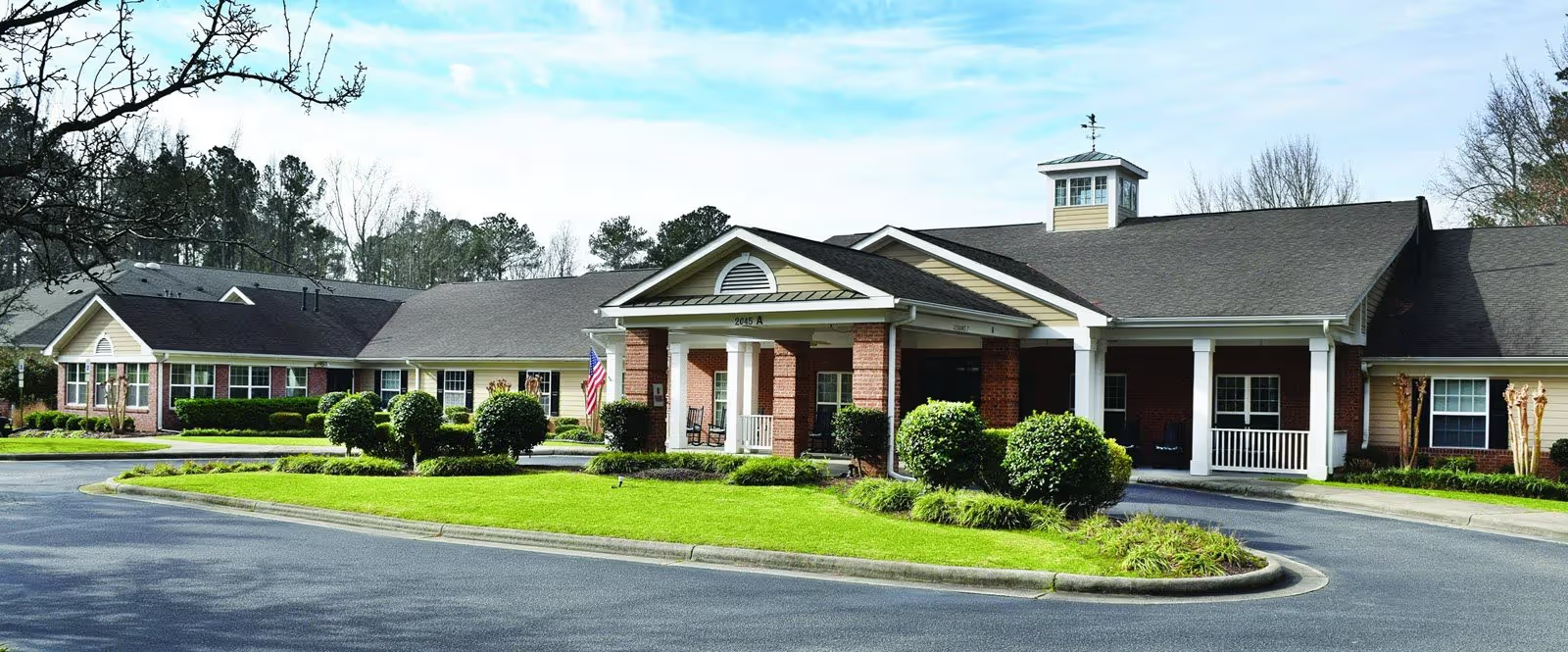
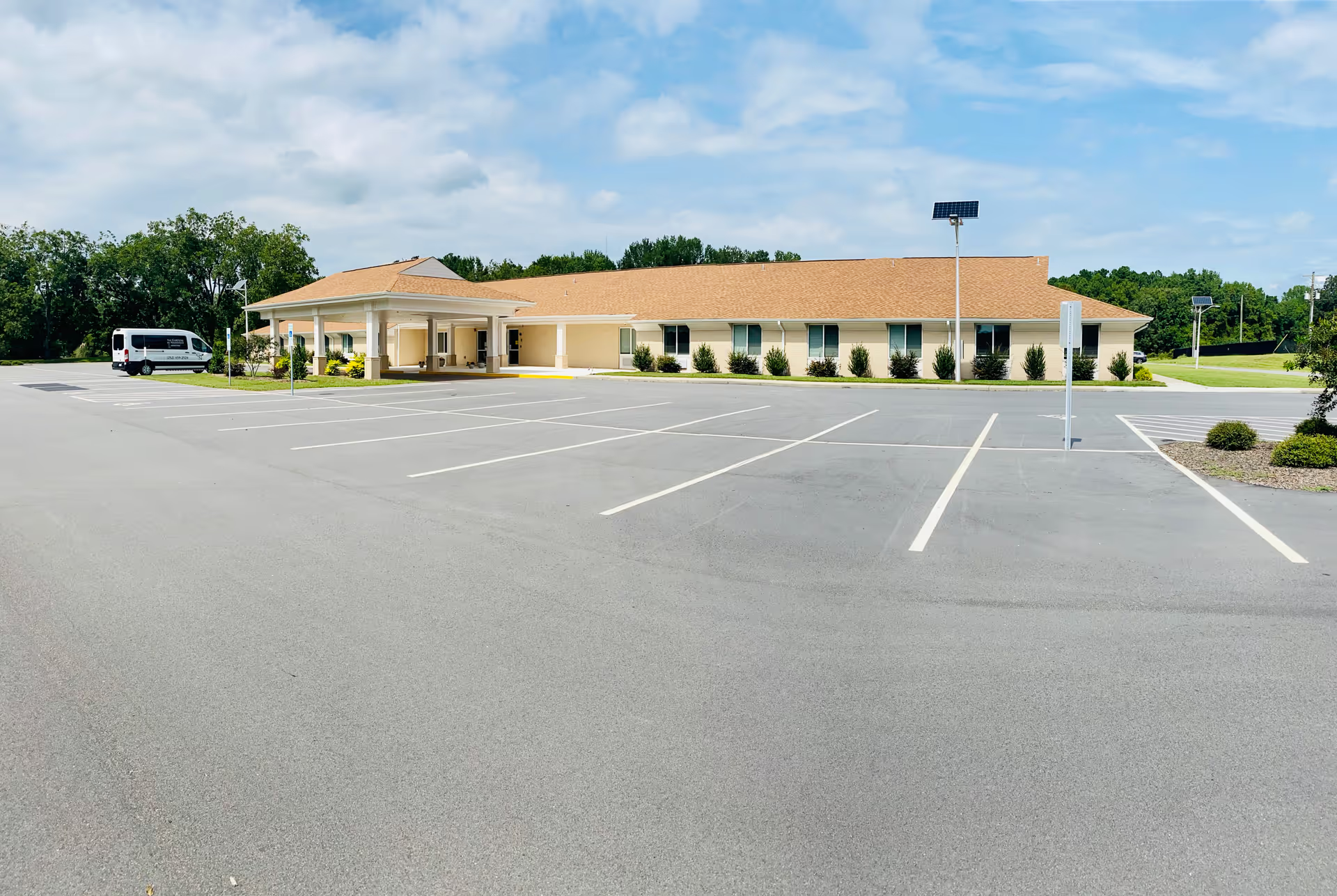
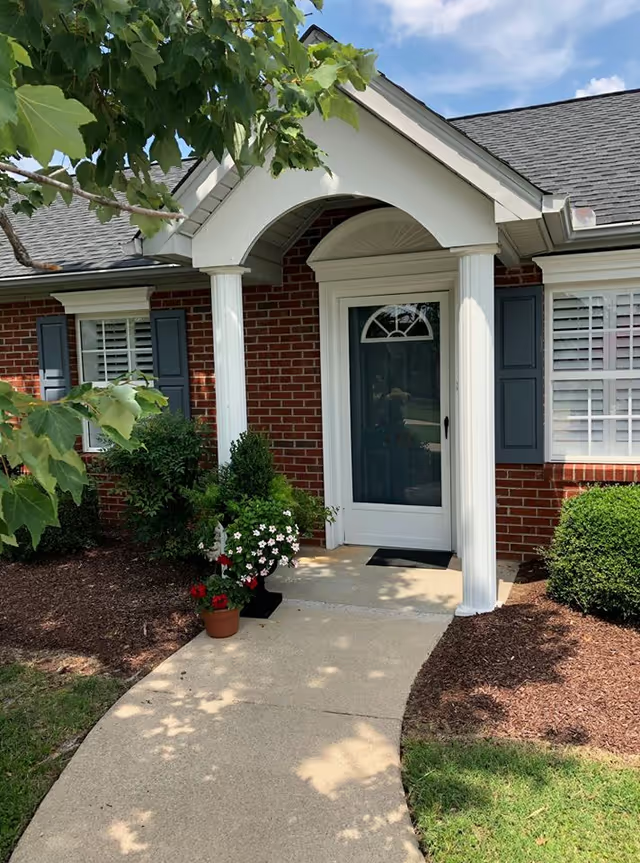
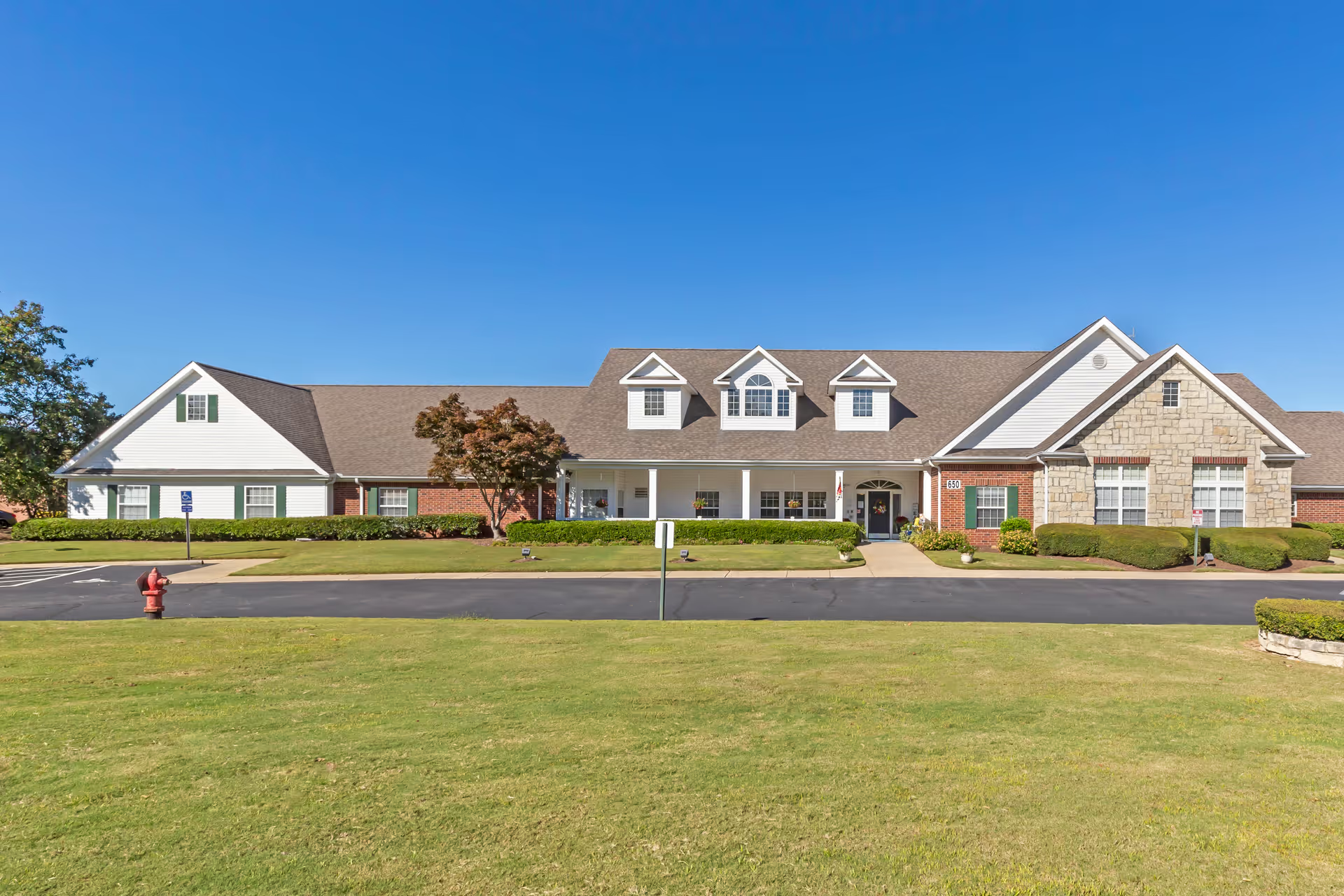
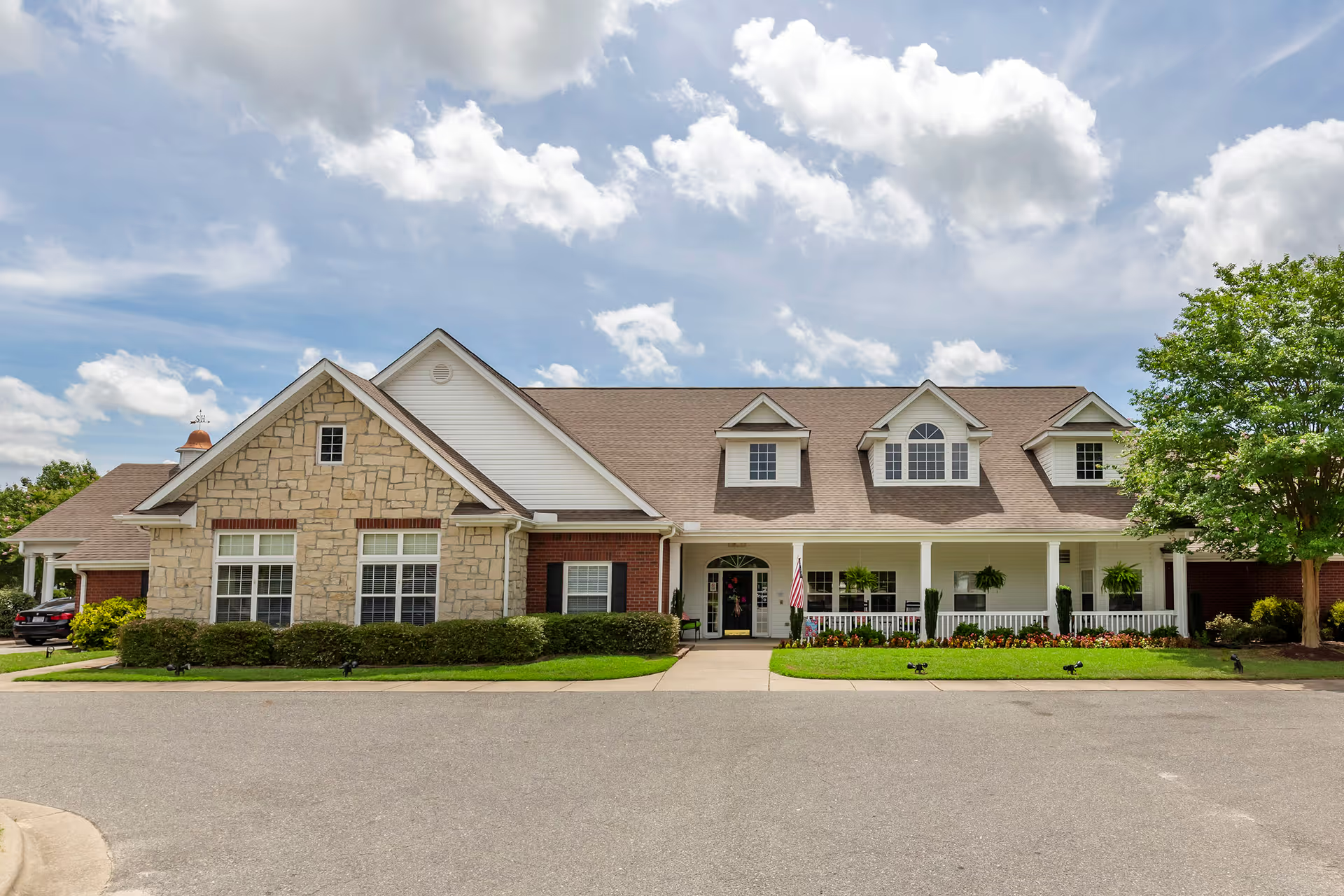
The reviews present a mixed but specific picture of Wilson Rehabilitation and Nursing Center. Positive remarks focus on the facility’s physical environment and visible leadership: reviewers describe the building as clean and odor-controlled, with a home-like atmosphere and usable outdoor spaces. New management and named leaders are characterized as friendly and approachable, and nursing staff are frequently seen in common areas and resident rooms. Dining is described as presentable and appetizing, and the property’s adjacency to an on-site child care center is noted as a convenience for families.
On care and staffing, impressions diverge. Several comments emphasize attentive staff, frequent nurse presence, and prompt responses to needs, suggesting that when staff are available they provide conscientious care. At the same time, a persistent operational theme is inconsistent staffing coverage. The reviews imply staffing shortages at times, which coincide with supply limitations and observable care gaps for residents with higher dependency (for example, non-ambulatory or bedridden residents). Aides are described as making concerted efforts within constrained circumstances, but the pattern indicates variability in the quality and timeliness of hands-on care during busy periods.
Regarding dining and activities, the food presentation is consistently viewed positively; however, reviewers do not provide extensive detail about structured activity programming. Facility amenities and cleanliness are strengths: common and private areas are kept tidy and free of unpleasant odors. Management turnover or recent leadership changes are mentioned alongside favorable impressions of current administrators, suggesting active management engagement.
Overall, the notable pattern is a split between strong environmental and leadership attributes and operational challenges that affect care continuity. Prospective residents and families may find the facility attractive for its cleanliness, visible nursing presence, and leadership accessibility, but should also inquire directly about staffing levels across shifts, protocols for high-dependency care, and supply-management practices. Observing care during different times of day and asking for current staffing ratios and care-plan examples for non-ambulatory residents will help assess whether the facility’s strengths align with an individual’s care needs.