Overall impression: Reviews are mixed and polarized. Several family members and residents describe positive experiences — particularly with administrative staff, social work support, and rehabilitative therapies — while other accounts raise substantive operational concerns. There are indications that management has pursued renovations and leadership changes, and some reviewers found the environment to be cleaner and more comfortable than expected. At the same time, persistent negative themes suggest uneven performance across units and shifts.
Care quality and clinical practices: Clinical competency appears inconsistent. Some reviewers described adequate medication management and helpful therapy services, including daily therapist visits and one-on-one care. Conversely, others reported delays in medication administration, inconsistent wound care, and concerns about clinical follow-through. There are also accounts of falls and safety events where families said they were not promptly notified, highlighting gaps in incident communication and post-incident processes.
Staffing and staff conduct: Strengths include friendly administrative staff, helpful social work, and individual staff members praised for attentiveness. Weaknesses cluster around nursing responsiveness and bedside manner, with reports of slow response to call bells, delayed repairs of pressure-relief equipment, and variable professionalism among nursing staff. Several reviewers linked these problems to staffing levels and shift coverage, suggesting that care availability varies by time of day and unit.
Dining and nourishment: Meal service is another area of mixed feedback. Some residents participate in activities and meal programs without issue, but others described cold meals, frozen supplemental beverages, and brief meal windows that negatively affected intake. These descriptions point to inconsistent kitchen service timing and variable food quality rather than an absence of a formal dining program.
Activities and social programming: The facility offers daily group activities, creative options (for example, painting), and some individualized therapy sessions. Reviewers suggested the activity schedule is active but could be broadened, especially to better serve residents with vision or hearing impairments and those with limited mobility.
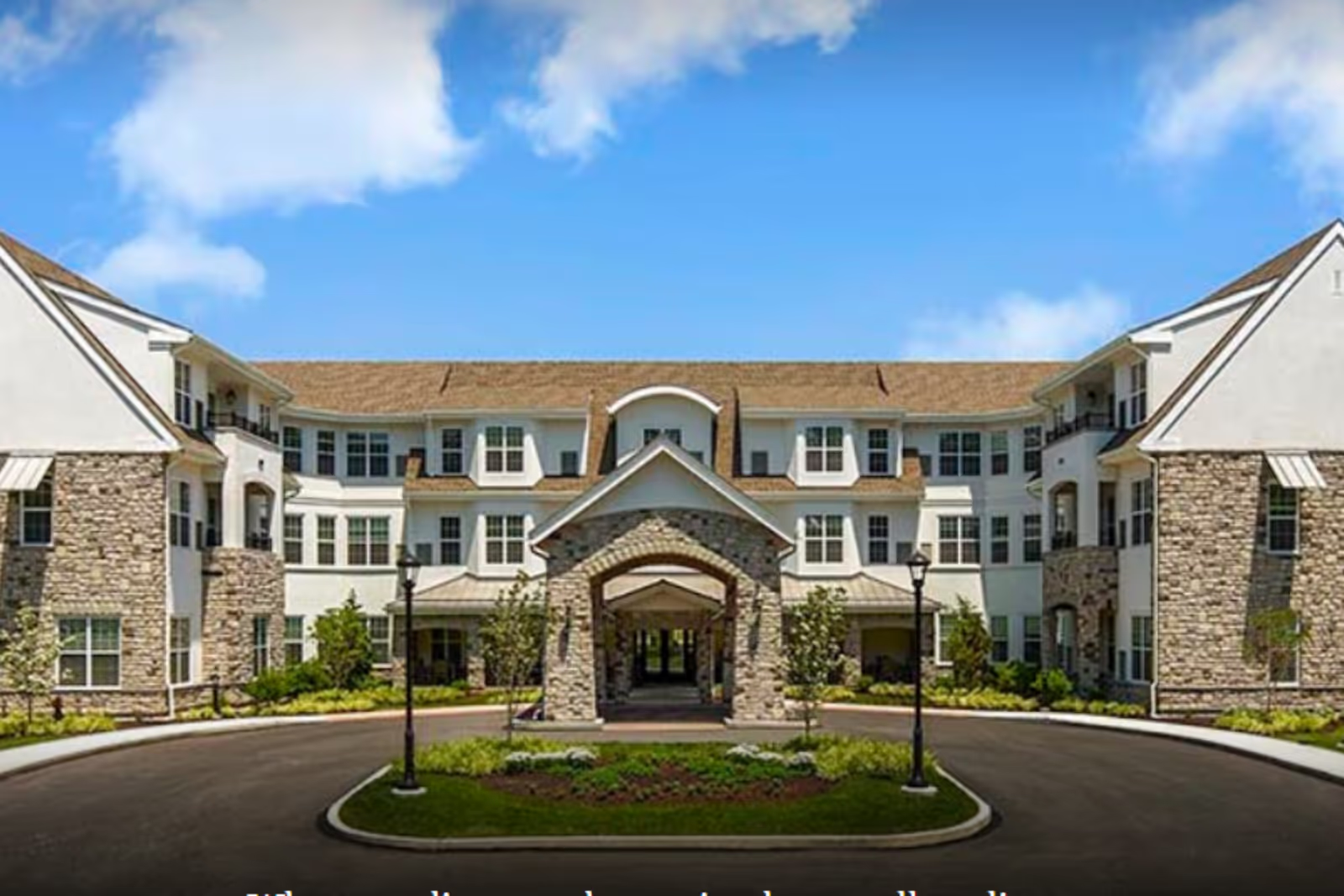
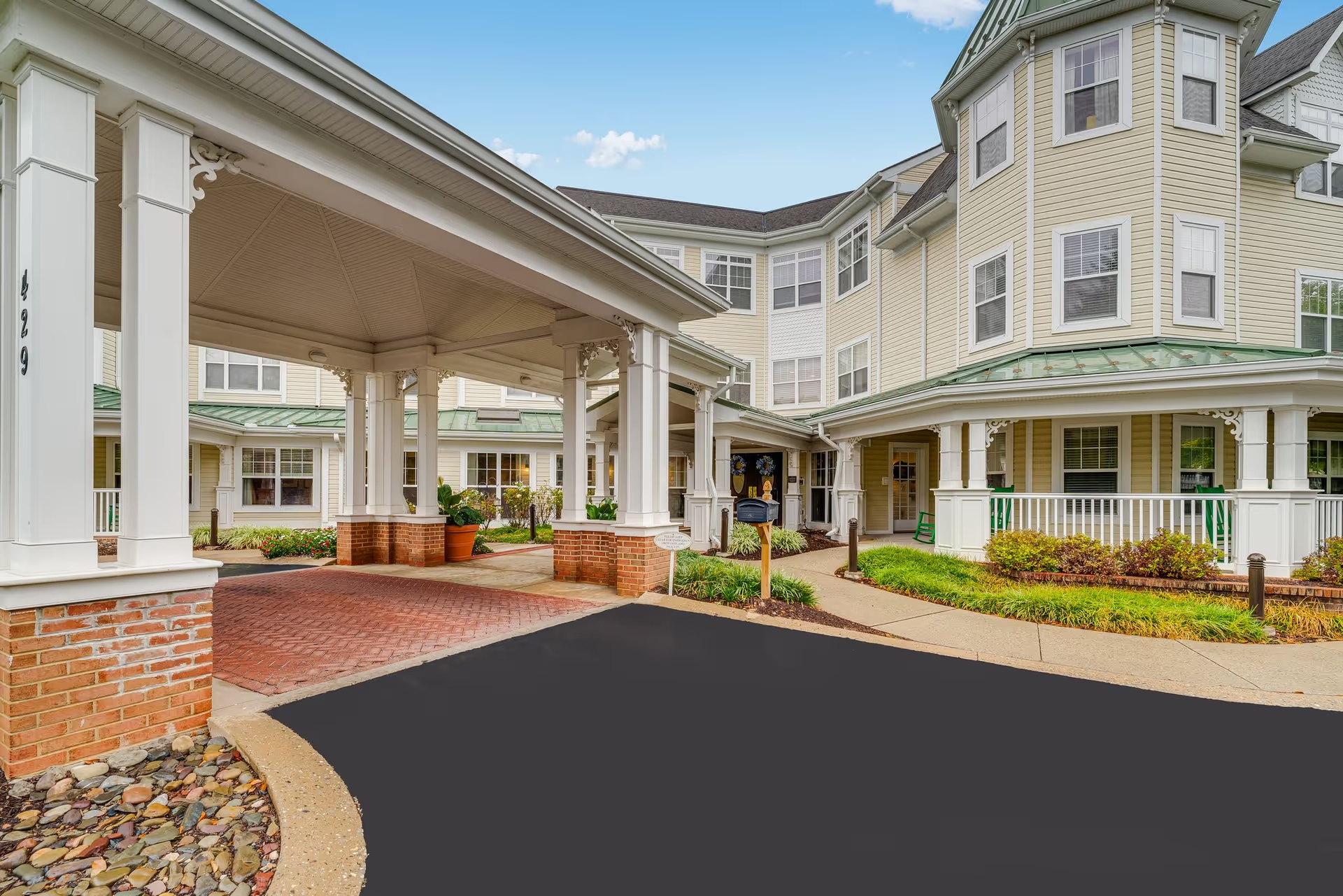
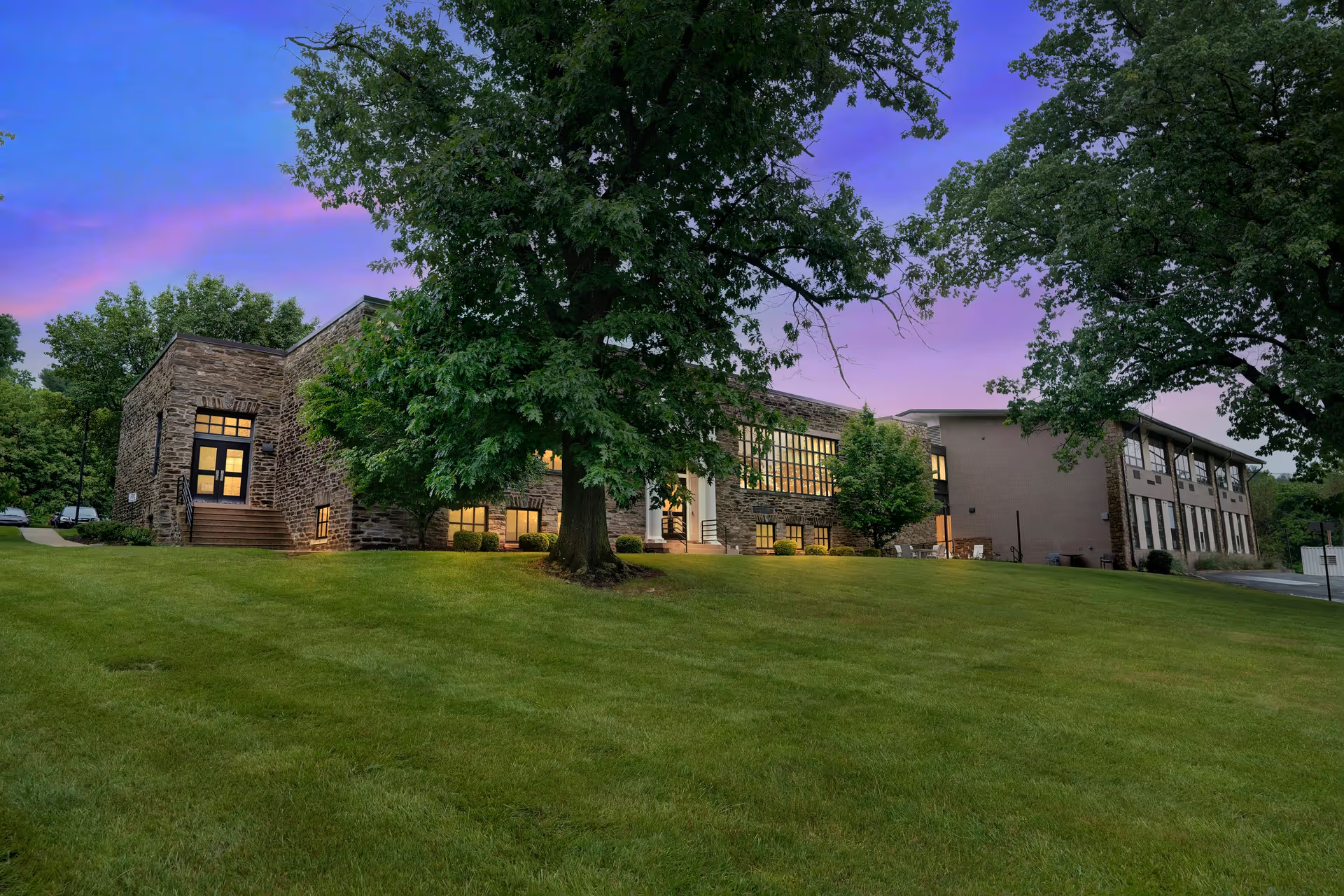
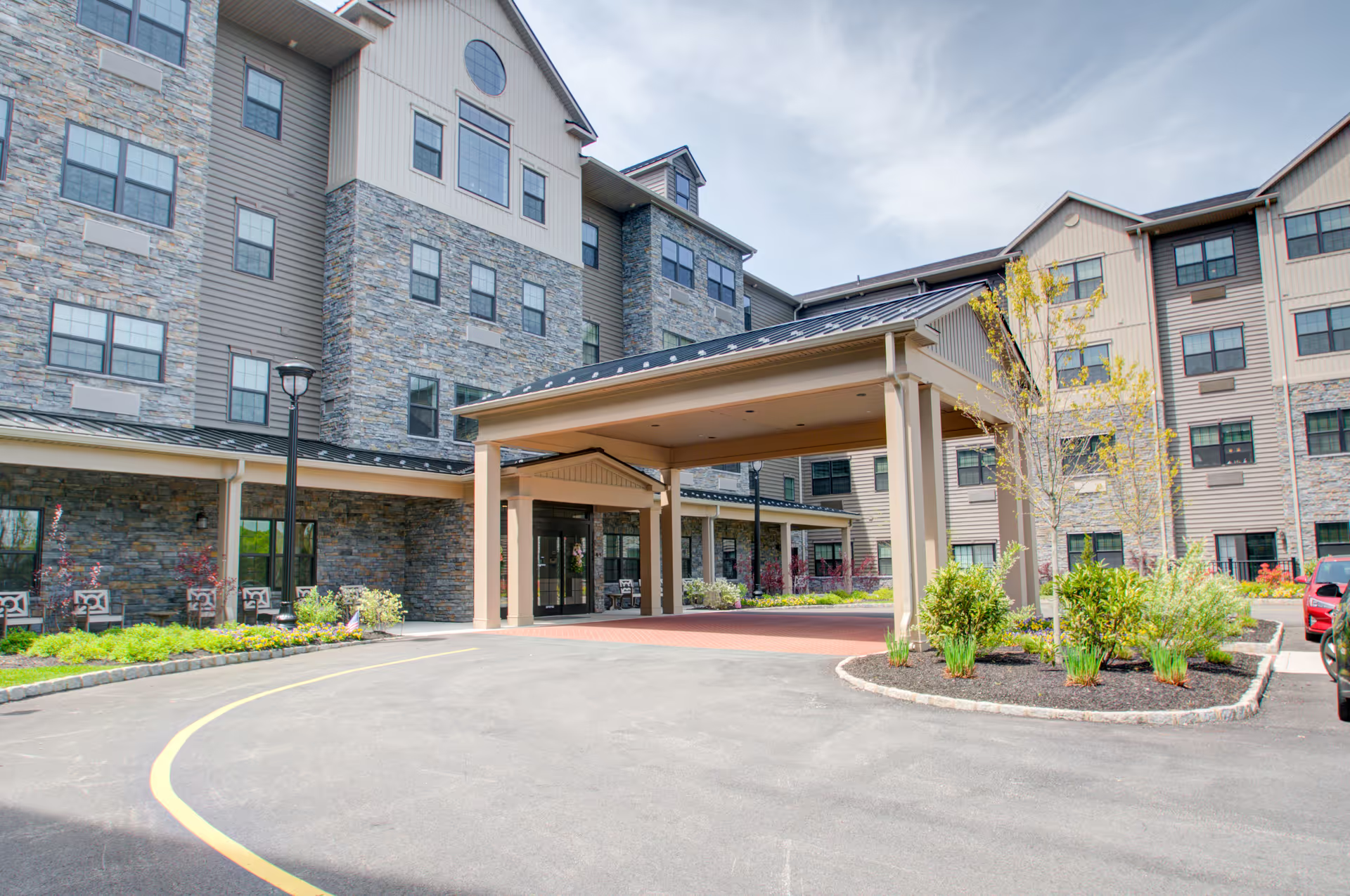
Facilities, maintenance, and safety: Physical improvements and renovated areas were cited positively, and the campus and grounds are described as pleasant by some. However, multiple operational issues were reported in specific units, including mold or water-damage evidence, broken TVs and phones, malfunctioning nurse-call devices, bed and mattress problems, and sanitation concerns. There are also pest-control concerns and reports of inadequate laundry and personal-care processes. Several comments raised questions about bathroom safety and the presence or function of emergency-call systems.
Management and notable patterns: Management engagement and recent leadership changes are described positively by some families, and social work was singled out as effective in helping transitions. The overall pattern is of a facility in transition: pockets of competent, attentive care and improved areas exist alongside recurring operational and staffing weaknesses. Prospective residents and families should weigh the positive elements—therapy availability, some clean renovated rooms, supportive admissions and social work—against the documented patterns of inconsistent nursing responsiveness, maintenance shortcomings, and communication gaps. A focused, on-site assessment and direct conversations with clinical leadership about staffing ratios, incident communication protocols, pest-control measures, and meal-service practices are recommended before decision-making.