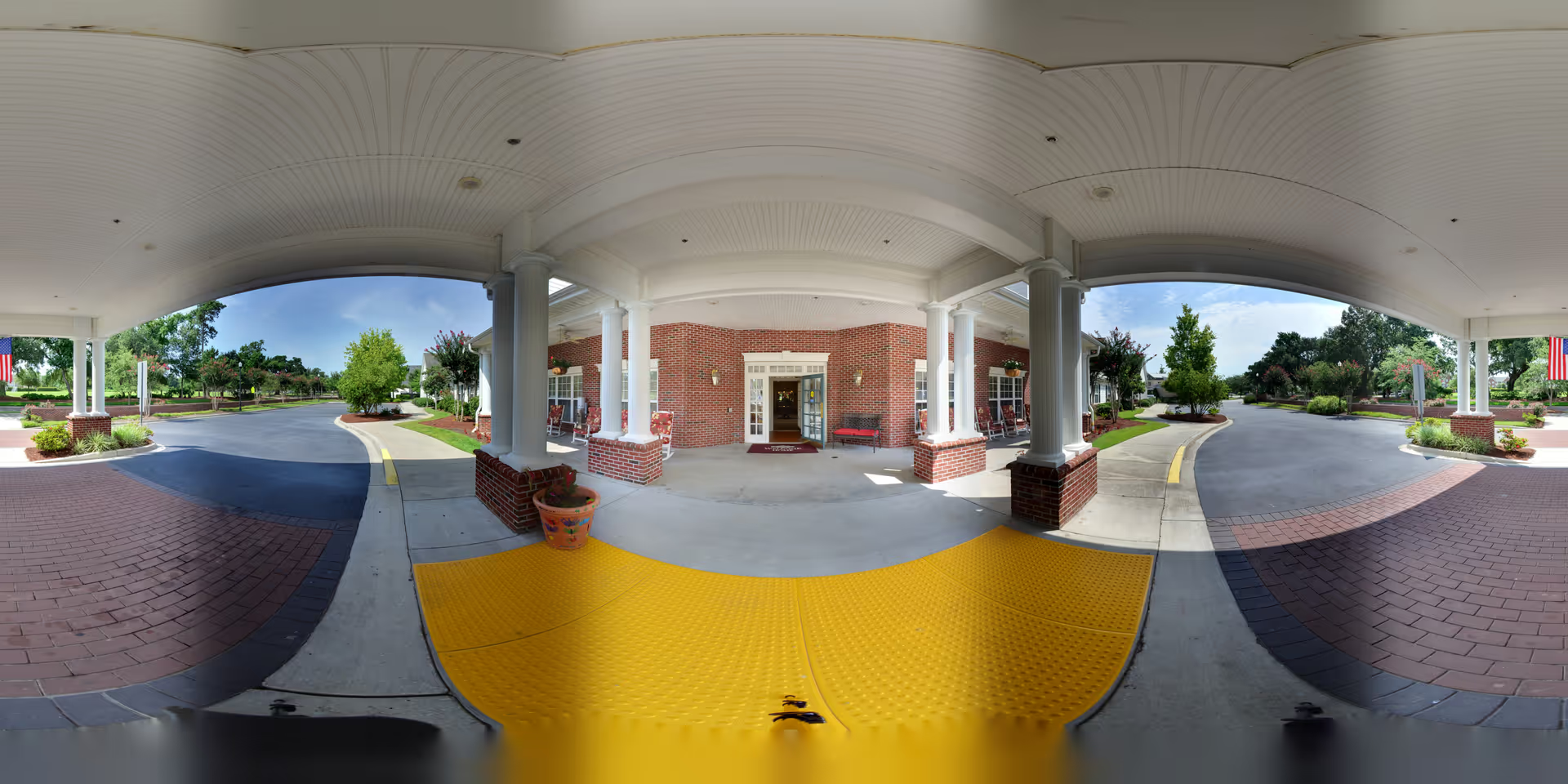
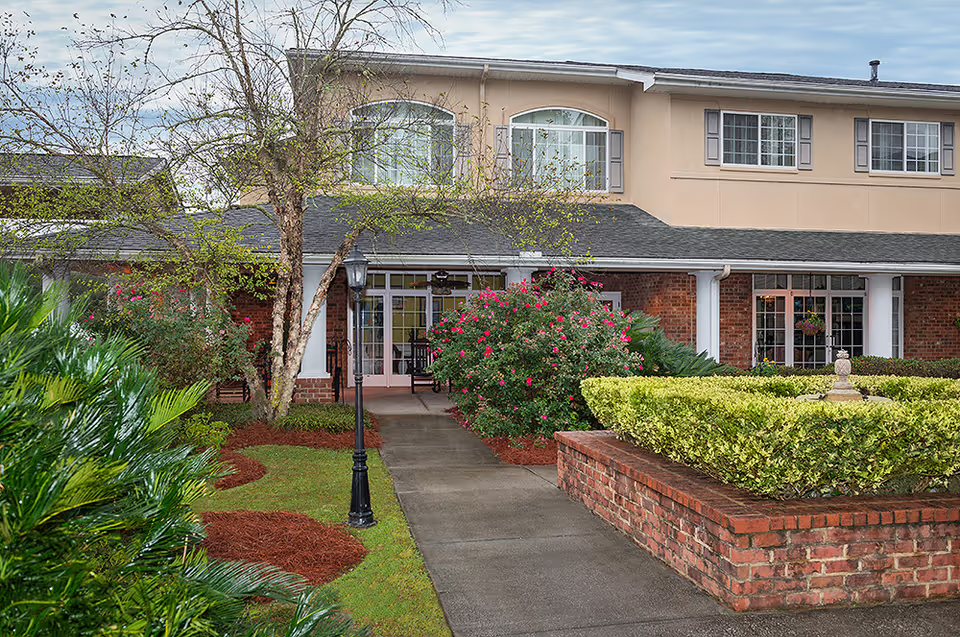
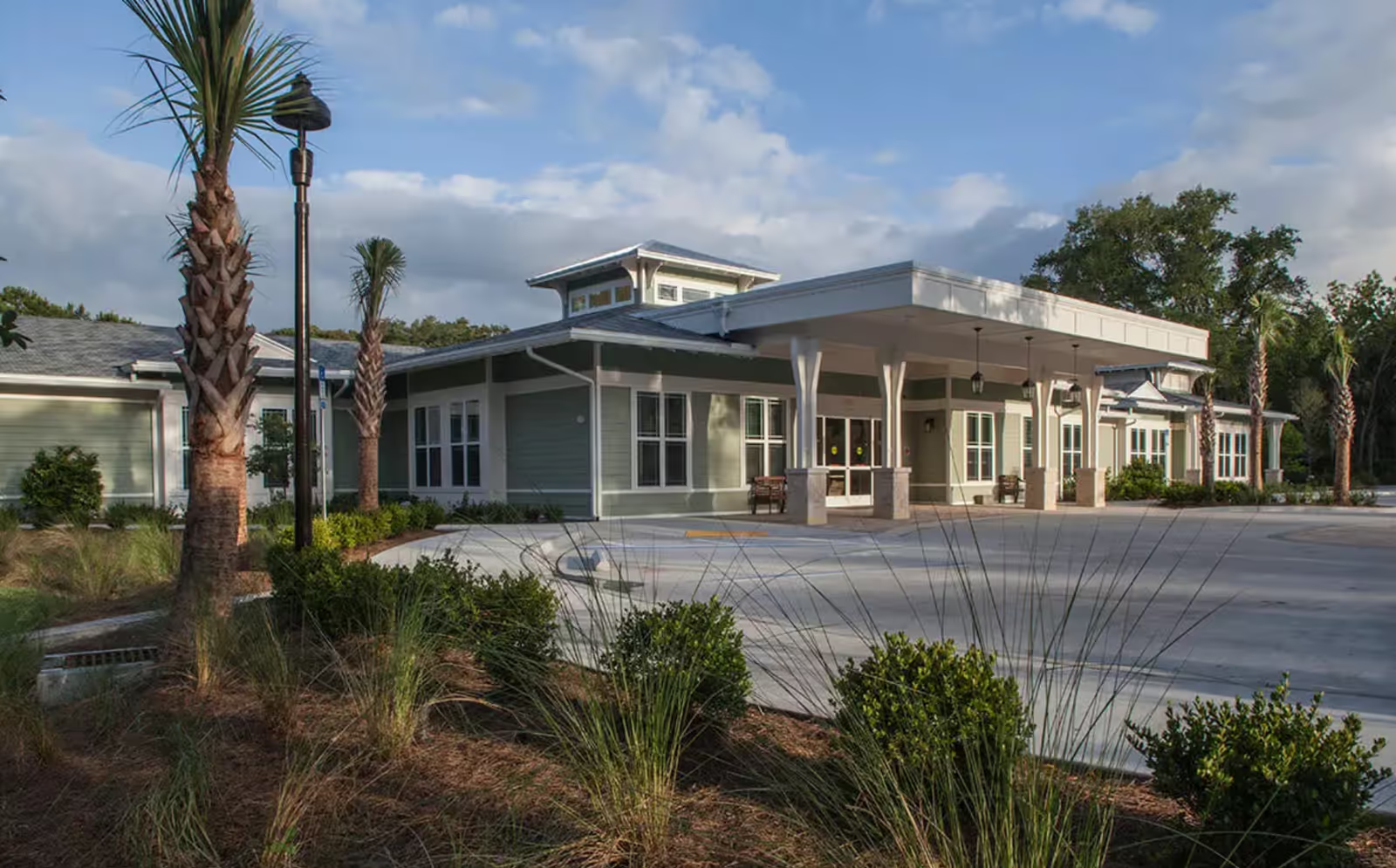
Reviews describe a facility with clear strengths in rehabilitation and social engagement alongside recurring operational challenges. The therapy department is frequently highlighted as a standout: families and residents note skilled, compassionate therapists, a large well-equipped gym, and measurable improvements in strength, mobility, and function. Organized activities, community outings, and an active recreational program contribute positively to resident quality of life. Public areas and many rooms are described as welcoming, and routine housekeeping is often cited as reliable.
Care quality and direct-care staffing show mixed patterns. Several accounts praise attentive nurses and aides who provide compassionate, professional care; others describe slow response times to call buttons, inconsistent hygiene checks, and delays in addressing pressing needs. Medication administration and pain-management processes are a recurring area of concern, with reports of delayed or denied medication access in some cases. There are also mentions of clinical-assessment gaps and situations where escalation to higher-level medical evaluation was delayed, which families found troubling.
Dining experiences are variable. Some residents and families enjoy meal choices and find the dining service satisfying, while others report small portions, inconsistent meal quality, and shortcomings in accommodating therapeutic diets (for example, diabetes-specific needs). These inconsistencies appear to affect perceptions of overall value, especially given the facility’s cost.
Management and operations present a similar mix. Administrative staff are frequently described as friendly and helpful, and there are examples where corporate intervention led to improvements. However, commitments from management are sometimes perceived as unfulfilled, and staffing coordination problems—especially across shifts—contribute to uneven care continuity. Reports of personal-item loss and weaknesses in asset controls were raised as a trust and security issue by several families.
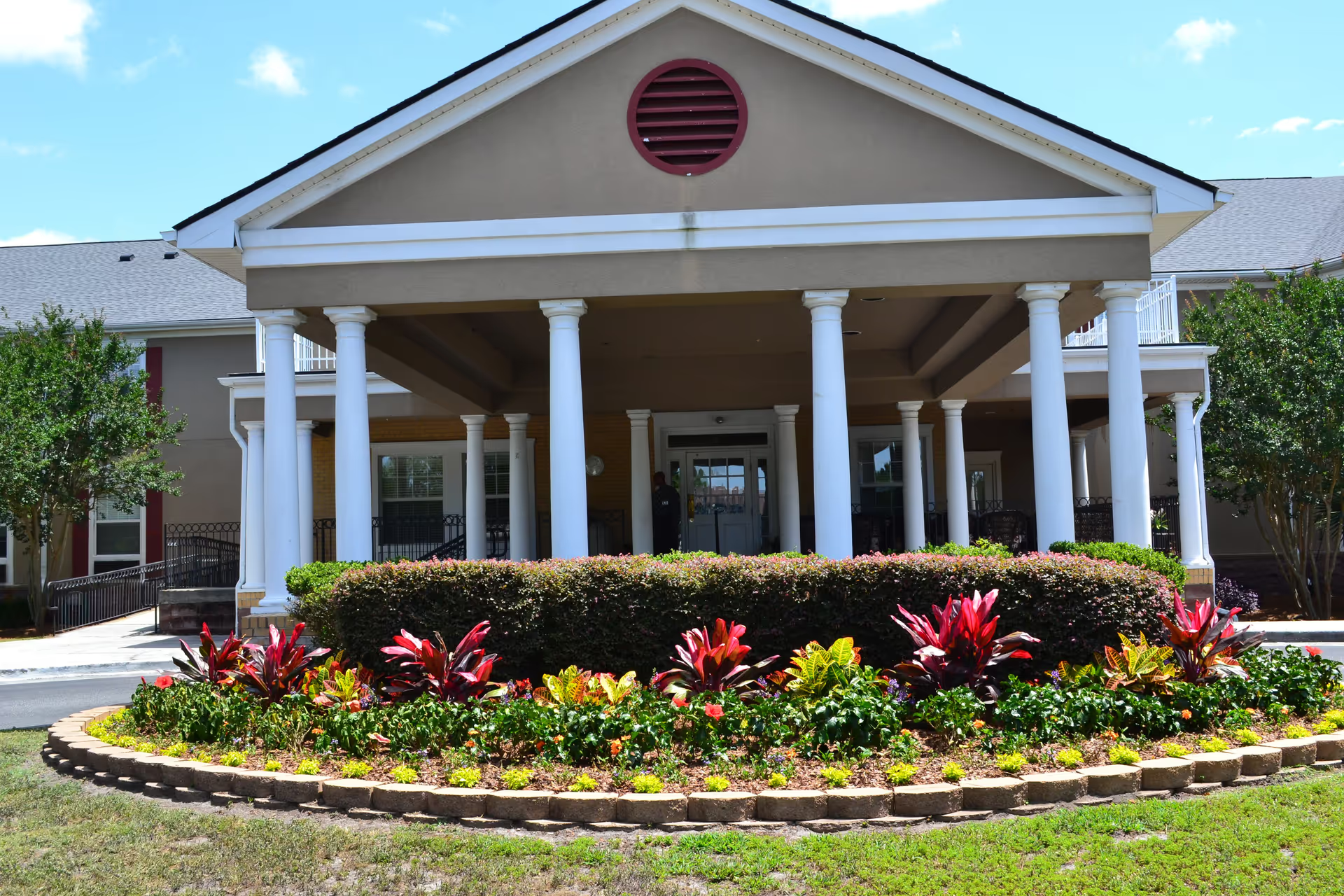
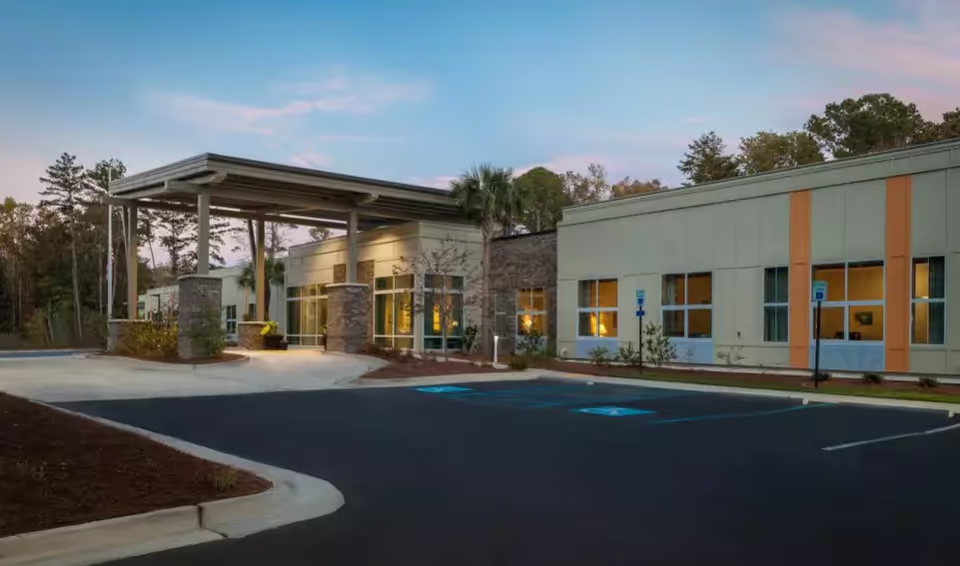
Facility maintenance and cleanliness show variability by unit and shift. Many reviewers note clean, attractive public spaces and well-kept rooms, but others identify room-upkeep needs, sporadic sanitation concerns, and inconsistent attention to grooming or hourly checks. Taken together, the pattern suggests the facility can provide high-quality rehabilitation and engaging programming, but families should be aware of operational variability in nursing responsiveness, medication handling, hygiene oversight, meal consistency, and personal-item security. Prospective residents and families may benefit from asking targeted questions about staffing levels, medication protocols, diet accommodations, and room maintenance during tours and care-planning conversations.