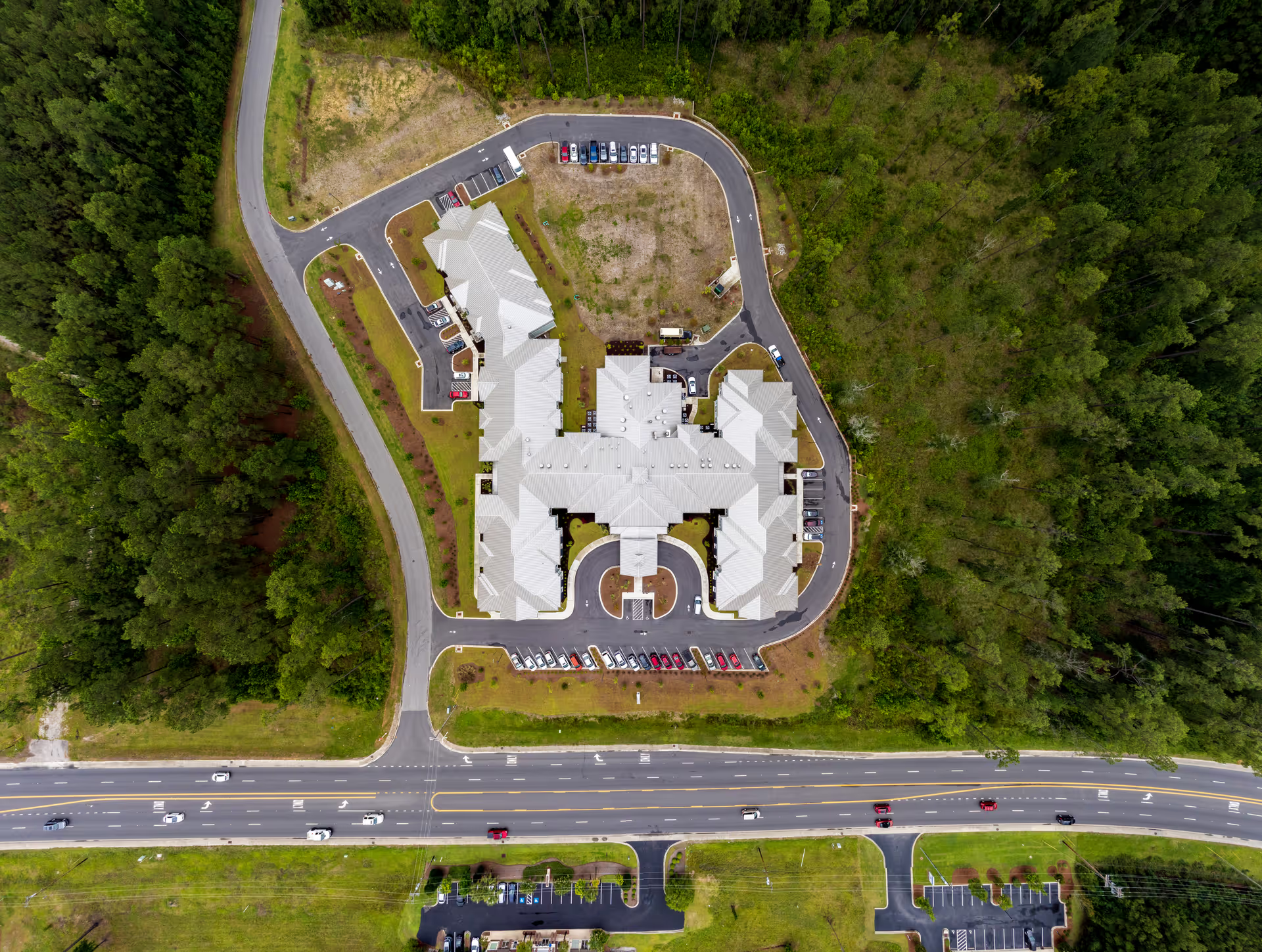
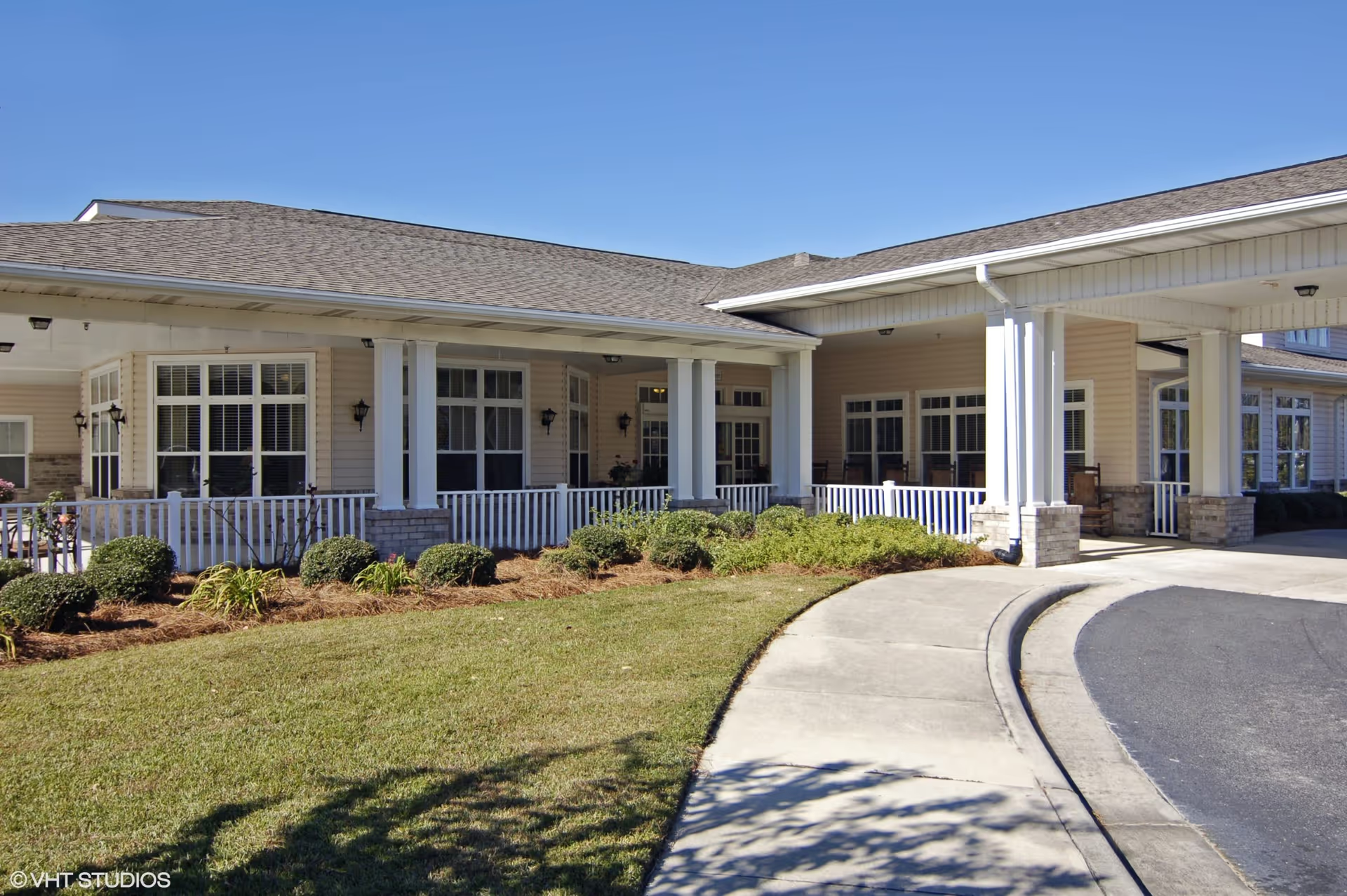
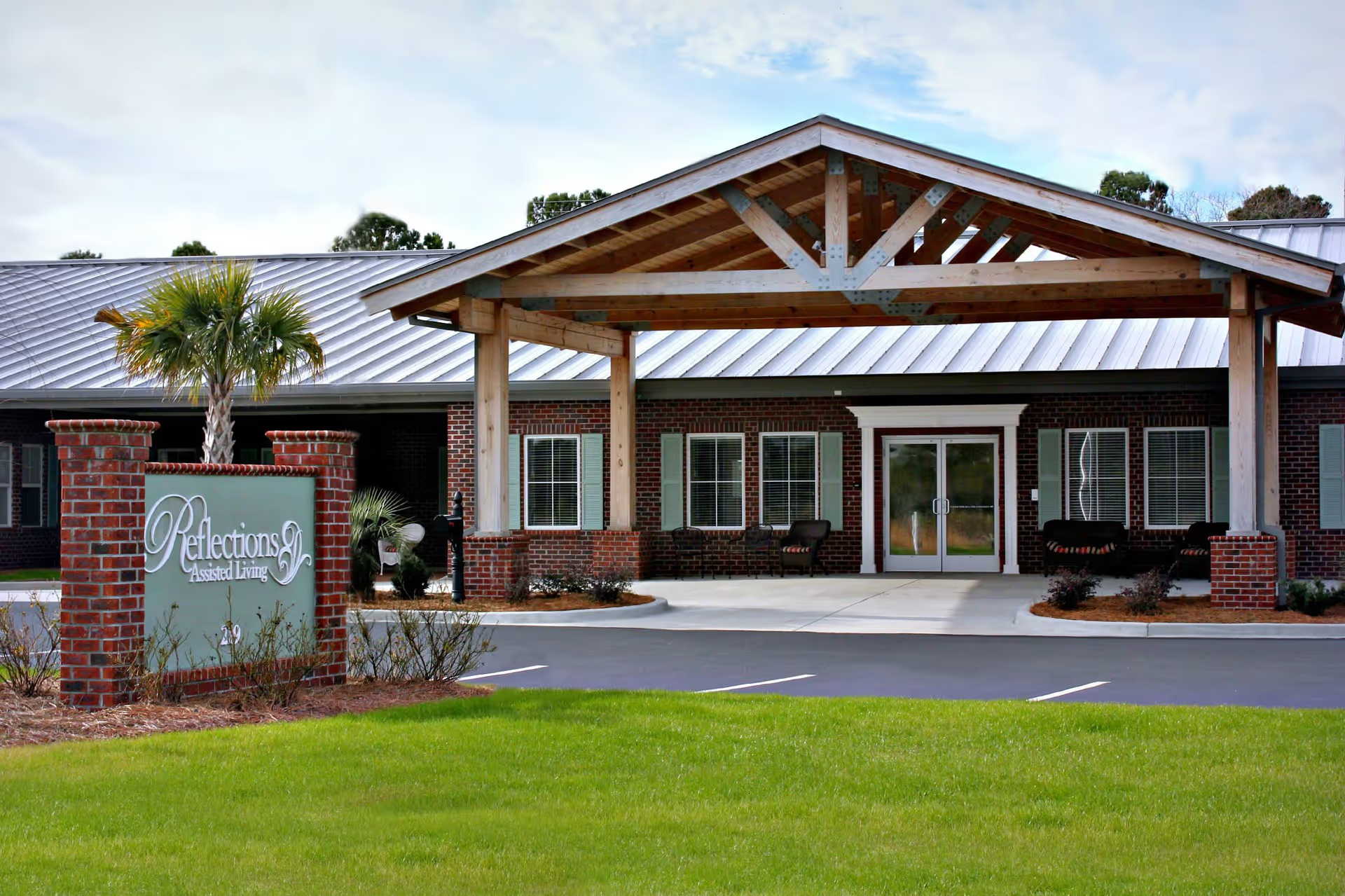
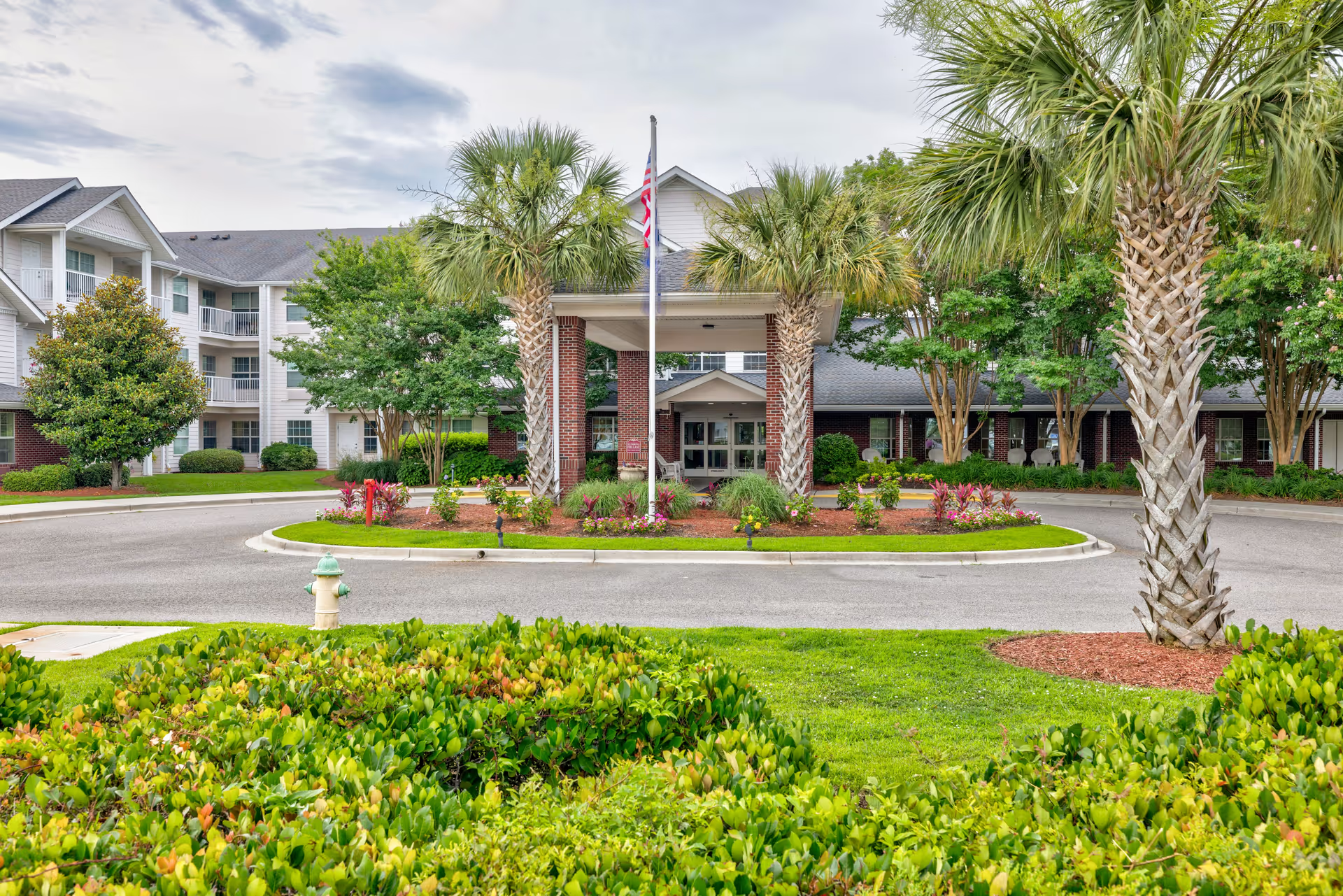
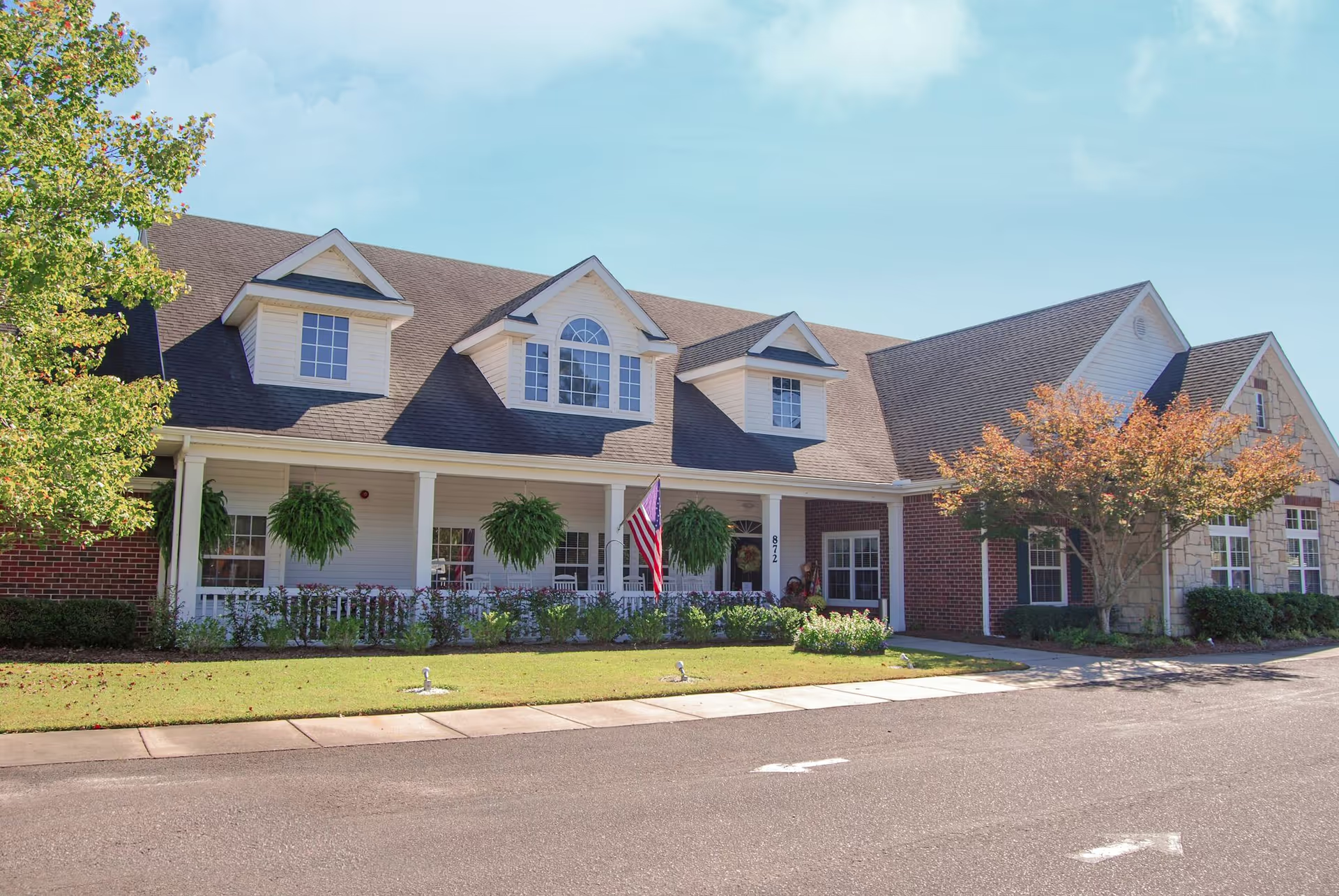
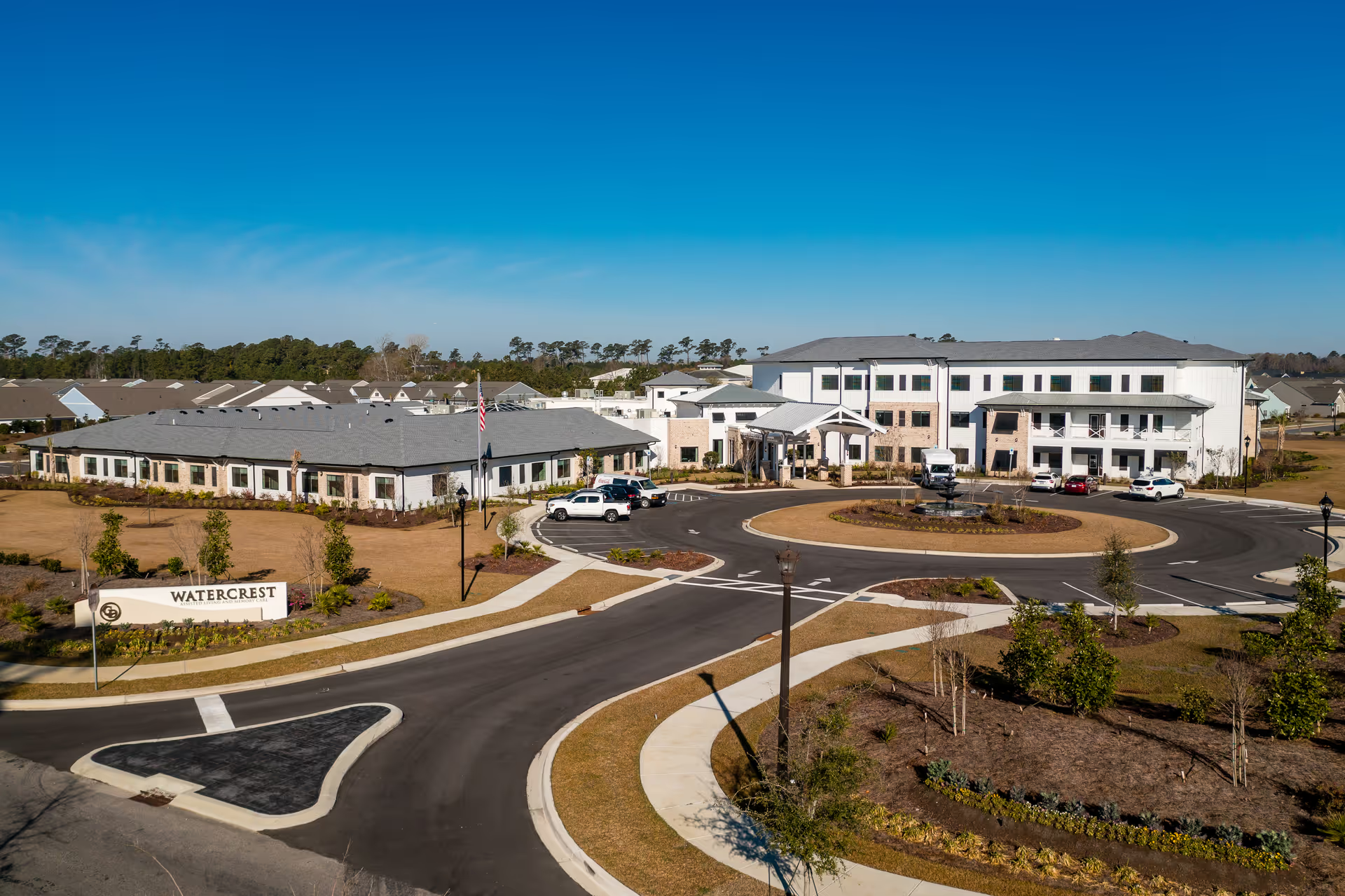
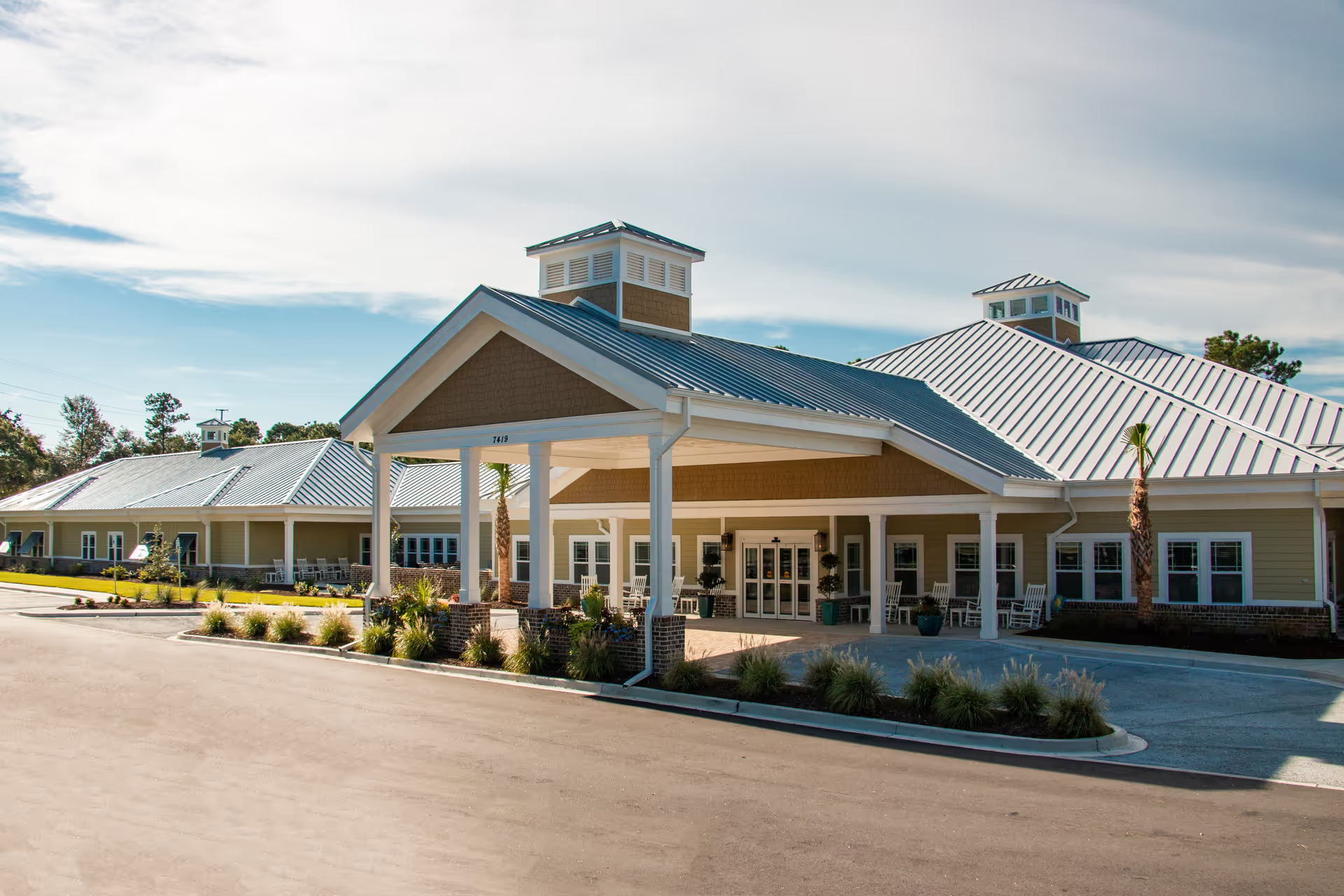
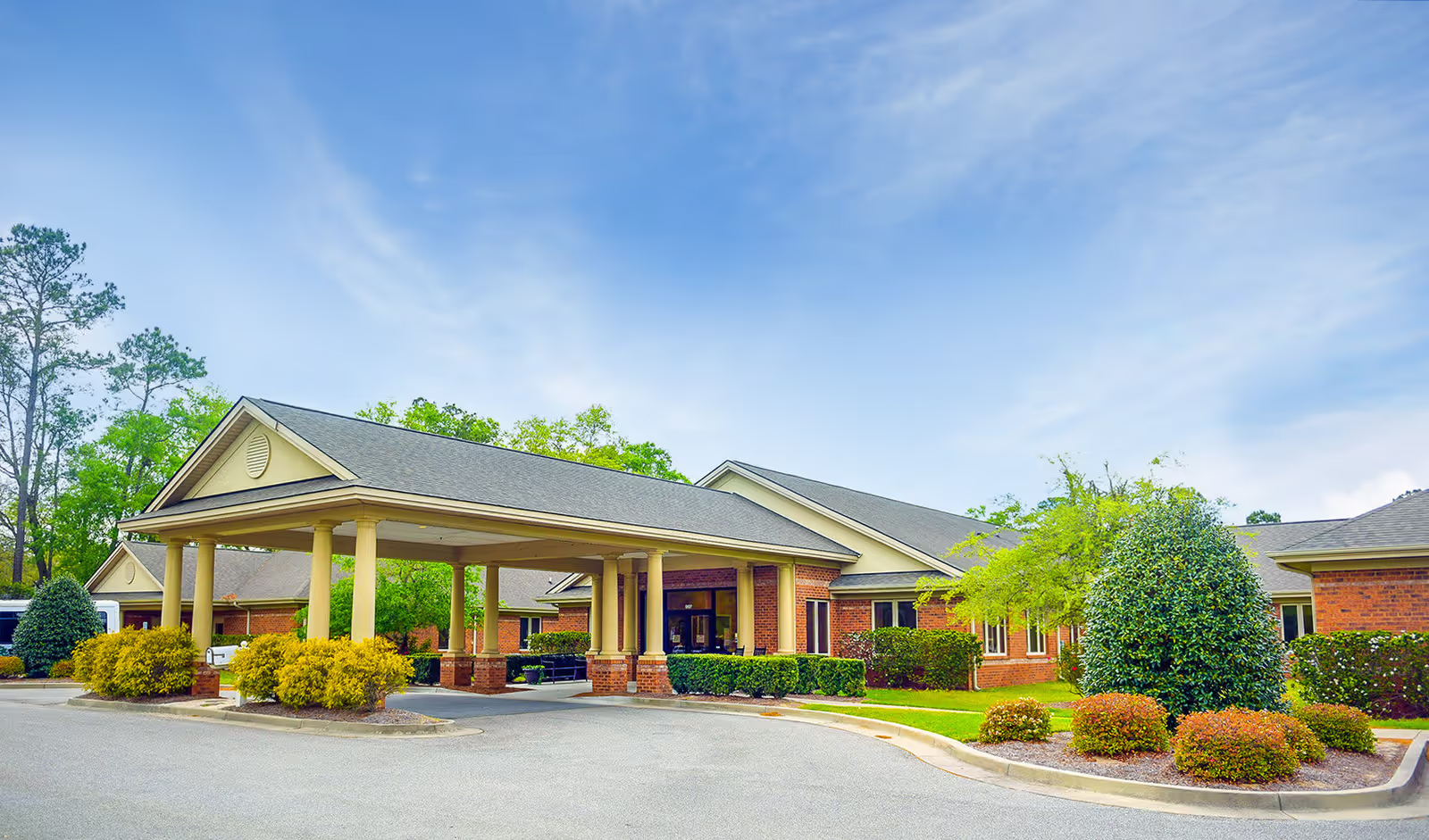
The aggregated reviews describe a facility with clear strengths in hands-on caregiving and rehabilitation, but with persistent operational inconsistencies. Many families praised direct-care staff and therapists: reviewers frequently cited compassionate nurses and aides, professional physical and occupational therapy teams, and successful short-term rehab outcomes that allowed residents to return home. Several accounts highlighted a clean, organized facility with a calm, home-like atmosphere, active social programming (bingo, exercise classes), supportive memory-care services, and visible infection-control measures implemented during the pandemic. Respite stays and specific individual aides received strong positive feedback, and security and dining spaces were often described as attractive and welcoming.
At the same time, a number of recurring themes point to systemic weaknesses. Communication with families—especially by phone—was frequently described as unreliable, and several reviewers noted inadequate discharge instructions and limited guidance on medication management. Chronic understaffing was a common operational concern and was linked to delayed responses to call lights, missed assistance with basic needs, and slower-than-expected care tasks. Reviewers also described variability in clinical oversight, including delayed follow-up on medical issues and limited physician involvement during some stays. Weekend access to labs and in-room therapy was noted to be restricted at times, which can affect continuity of care.
Dining and room arrangements showed mixed experiences. While the dining room presentation and some meals were praised, food quality and tray/meal delivery consistency were described as variable. Private rooms are available but not guaranteed; roommate compatibility and noise from shared rooms were cited as important practical concerns for prospective residents. Cleanliness and sanitation were generally noted as strengths by many reviewers, yet specific units or rooms were flagged for sanitation issues at times, and incontinence-care delays and hygiene-assistance gaps were raised as operational problems.
Management and staff conduct drew divergent comments. Several families described responsive, professional leadership and standout staff members; others described slow administrative responses to concerns, inconsistent handling of complaints, and variable staff professionalism or difficulty with emotional regulation in a minority of interactions. A small number of reviews referenced serious individual claims, including allegations of financial misconduct and concerns following a resident's death; these accounts are severe and, while not representative of all experiences, warrant careful consideration and follow-up by prospective families.
For prospective residents and families: the facility demonstrates strong capabilities in rehabilitation, attentive direct care from many staff members, and an active social environment. However, variability in communication, staffing levels, clinical oversight, and rooming arrangements suggests it is important to confirm specific operational details during a tour. Ask about average staffing ratios on the intended unit, weekend clinical service availability, the discharge-planning process (including medication reconciliation and written instructions), private-room availability, and the facility’s process for addressing family concerns and serious incidents. Visiting at different times of day and speaking directly with therapy staff and unit leaders can help assess whether the facility’s strengths align with the incoming resident’s needs.