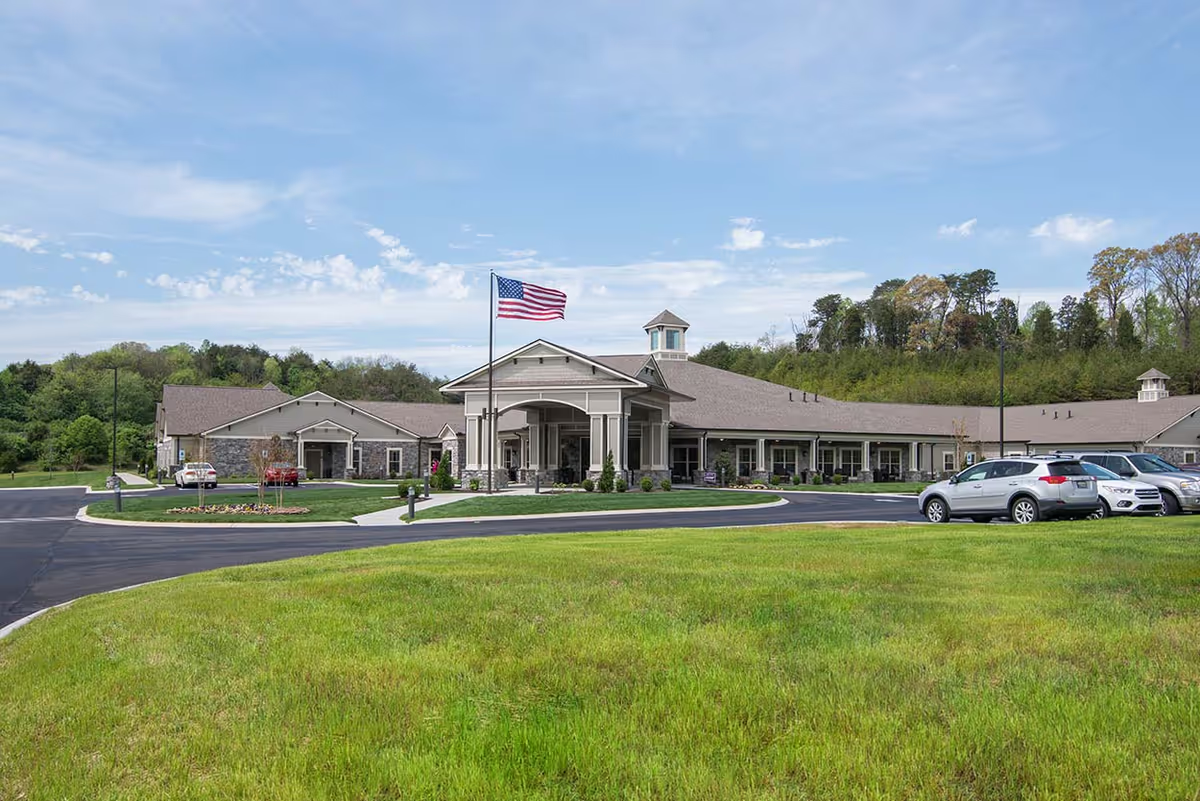
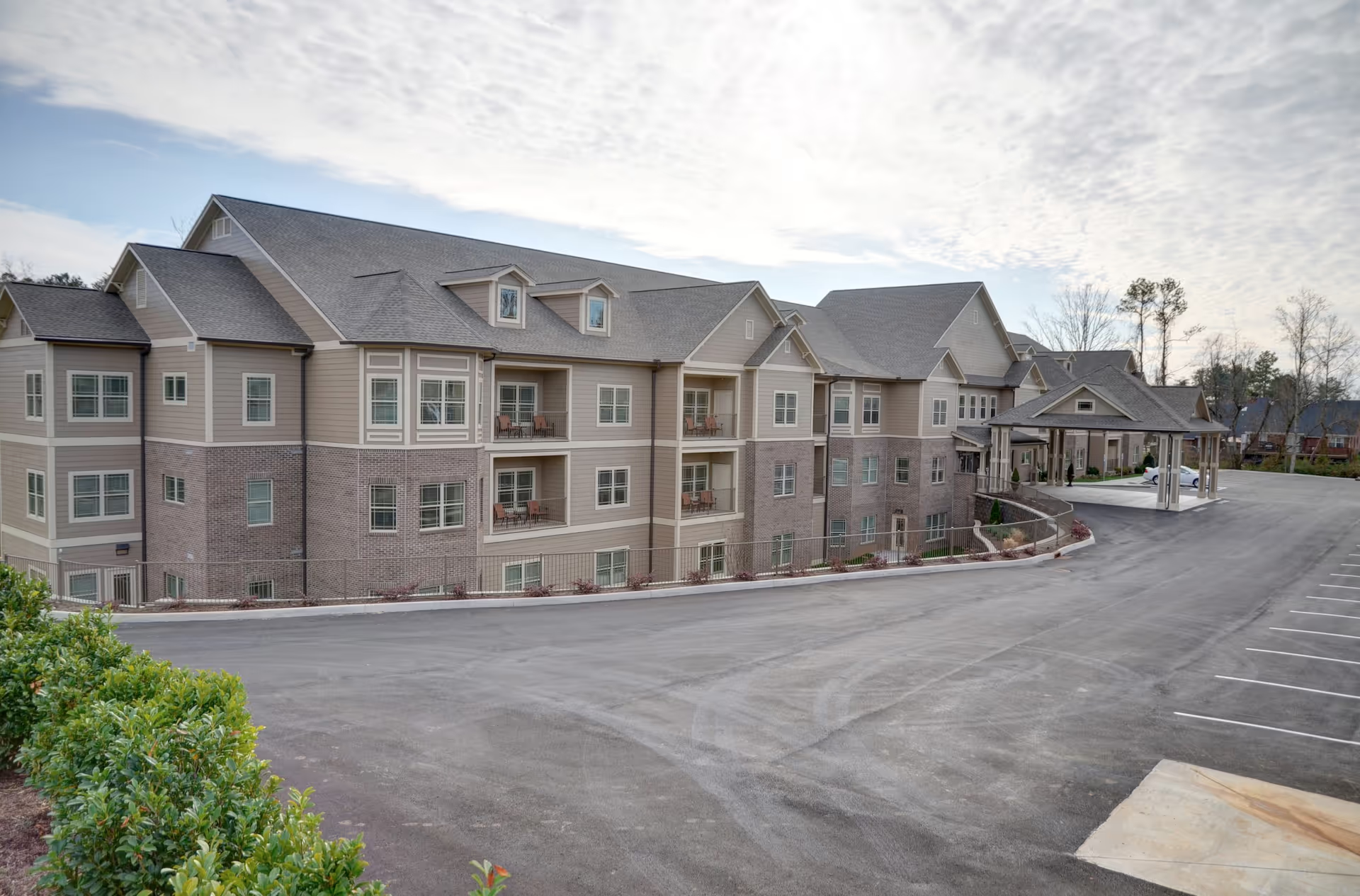
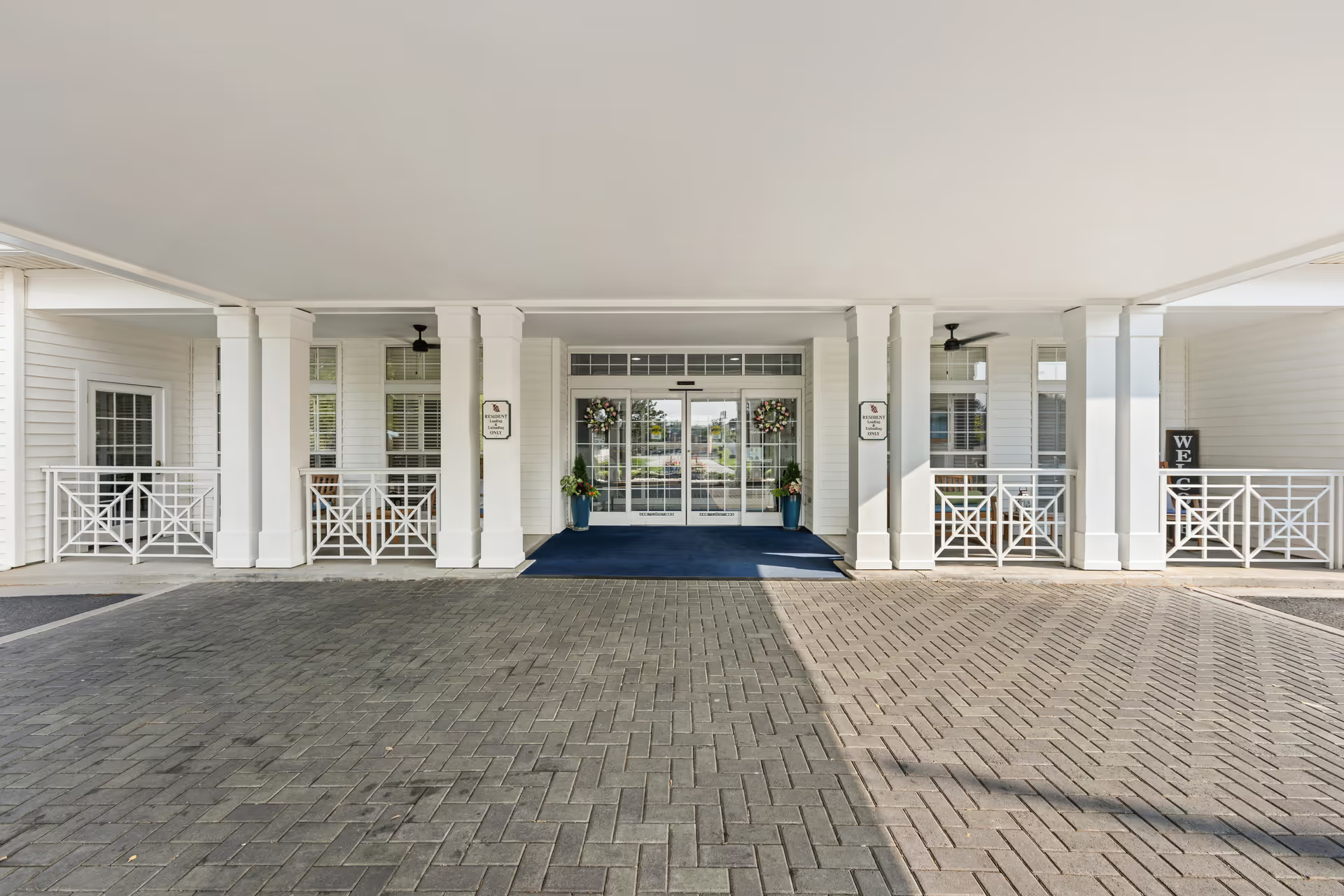
Reviews reflect a pronounced contrast between strong interpersonal care and several operational concerns. Many families describe a professional, attentive workforce characterized by long-tenured caregivers, a high staff-to-resident ratio, and strong staff–resident rapport. Multiple accounts highlight individualized attention, thoughtful end-of-life support, and a proactive administrative team that assists with communication and logistics. Those positive experiences are commonly associated with personalized meals, engaging daytime activities (with specific praise for music as a therapeutic modality), and a welcoming, home-like atmosphere on the property.
Care quality and staffing are regularly cited as strengths. Reviewers emphasize compassionate nursing aides and nursing staff, continuity of caregivers, and meaningful one-on-one interactions. End-of-life care is frequently described as heartfelt and attentive. At the same time, several families raised serious concerns about how clinical incidents and discharges are handled; notable claims include the eviction of an immobile resident and related questions about transfer procedures and post-incident family communication. These reports point to potential weaknesses in transfer/discharge practices and in the facility’s processes for communicating and resolving significant adverse events.
Dining and activities are another area of mixed impressions. The facility receives consistent praise for home-style meals, fresh produce, and the ability to tailor menus to resident preferences. Activity offerings are described as varied and resident-centered, with music therapy noted as a meaningful source of engagement for residents with cognitive impairment. Conversely, some reviewers expressed frustration with perceived inflexibility in activity policies, including restrictions on bringing personal music or conducting certain preferred activities.
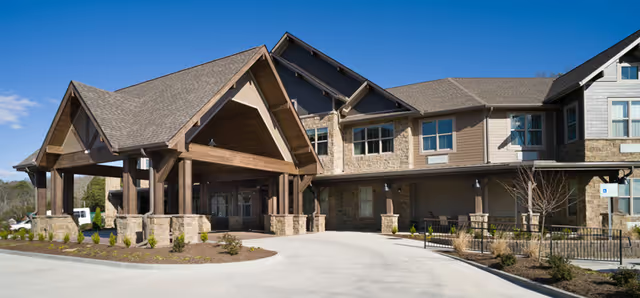
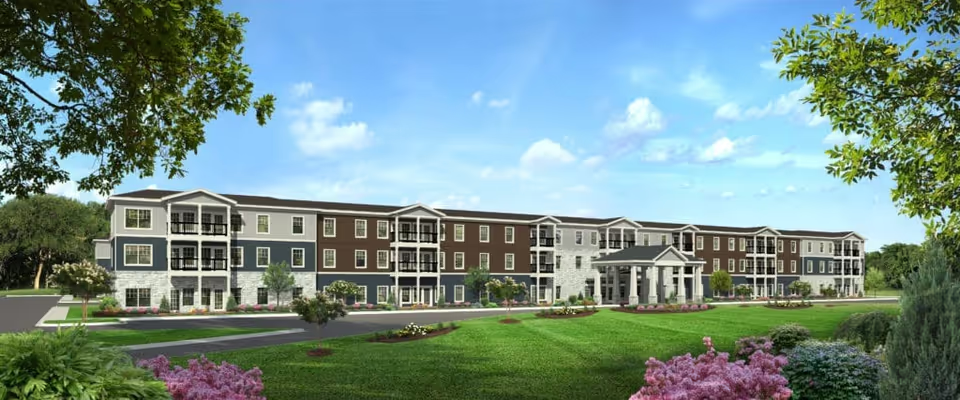
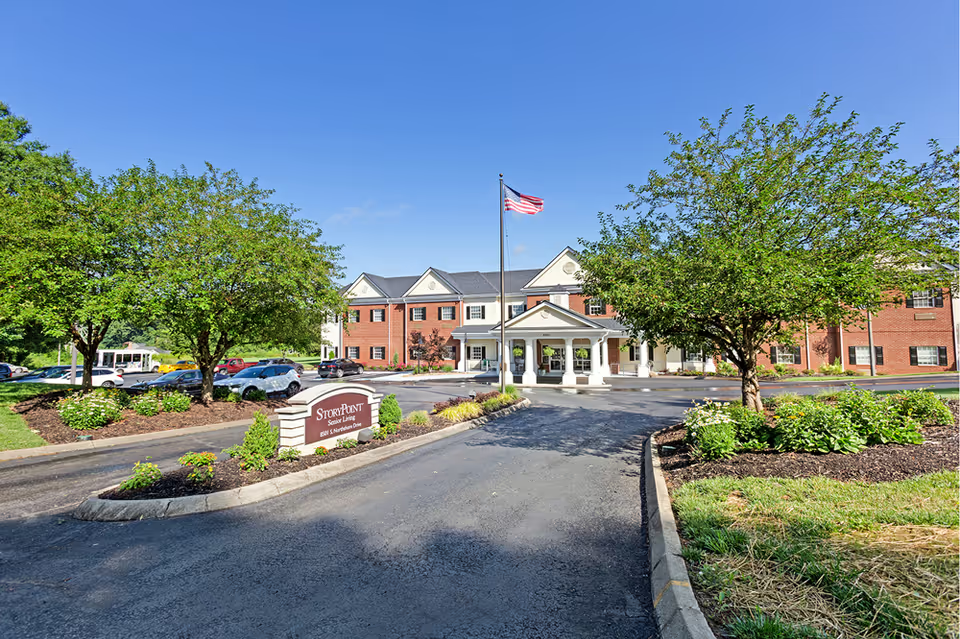
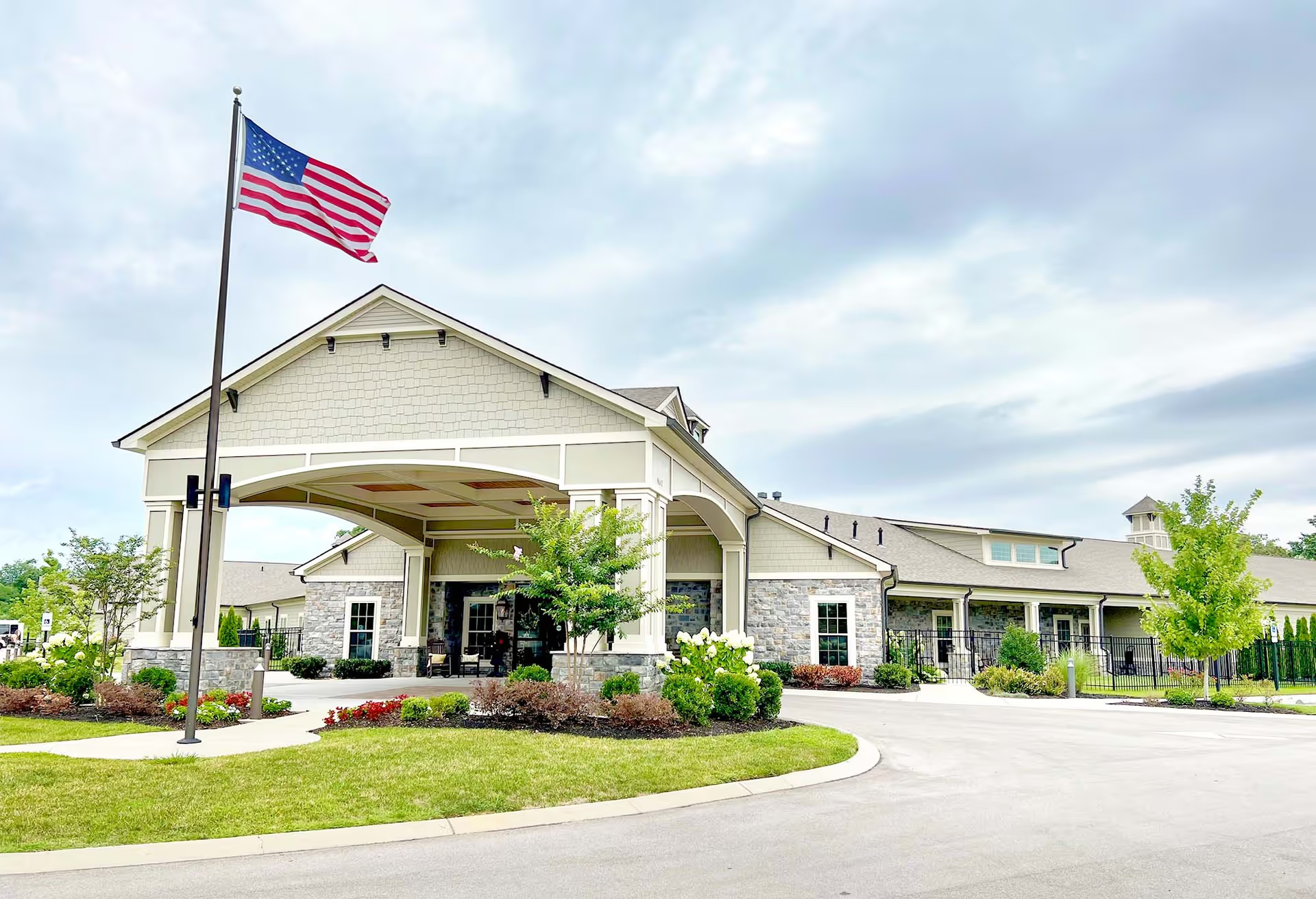
Facility condition and maintenance perceptions diverge across reviews. Many families describe a clean, comfortably furnished environment and well-maintained grounds. Other reviewers, however, reported sanitation and pest-control concerns, intermittent cleanliness issues in specific areas, broken or unreliable climate-control, and slow maintenance responses. These discrepancies suggest variability in upkeep and environmental management that prospective families should evaluate in person.
Management, cost, and regulatory matters warrant particular attention. Several reviewers commend the administrative team for clear communication and assistance, yet others call out a high cost of care, a substantial deposit requirement, and limitations in payer acceptance. The facility’s payer limitations were linked in reviews to questions about the extent of federal regulatory protections and benevolent-care eligibility; prospective families should confirm contract language, payment policies, and the facility’s regulatory status and oversight. Additionally, reports indicating gaps in clinical-incident response and family communication suggest confirming the facility’s incident-reporting, grievance, and transfer/discharge protocols before admission.
Overall, The Nursing Center at Little Creek appears to offer strong relational care, personalized services, and an environment many families find comforting. However, recurring operational themes — sanitation and pest-control variability, maintenance reliability, restrictive activity policies, transfer/discharge practice concerns, and financial/contract transparency — are important to investigate directly. Recommended due diligence for prospective residents and families includes an on-site walkthrough of resident rooms and common areas, direct questions about pest control and maintenance response times, review of the admission contract (including deposit and benevolent-care terms), clarification of payer acceptance and regulatory oversight, and detailed inquiry into transfer/discharge policies and incident-communication procedures.