Overall impression: Concordia Transitional Care and Rehab — Maryville presents as a facility with clear strengths in short-term rehabilitation and many elements of daily living support, while also exhibiting operational shortcomings that are important to evaluate before committing to a long-term placement. Many reviewers describe positive therapy outcomes, attentive clinical specialties, and a welcoming culture among numerous staff members; however, other accounts point to inconsistent personal-care delivery and physical environment constraints.
Care and clinical services: The facility is repeatedly credited for strong physical and occupational therapy programs and successful short-term rehab outcomes. Therapy staff are described as effective and helpful, and the presence of a wound-care specialist indicates access to targeted clinical services. Nursing and CNA staff receive praise for compassion and attentiveness in many accounts, and some families valued clear communication and prompt issue resolution. At the same time, there are identified gaps in responsiveness for personal-care needs (for example, timely assistance with dressing and mobility) and concerns about continuity of care for residents with higher acuity or end-of-life needs. Prospective residents should confirm care plans, staffing ratios, and protocols for high-acuity situations.
Staff, culture, and management: Multiple reviewers describe staff as friendly, welcoming, and supportive of new admissions — assisting with meal setup and making residents feel at home. Several comments emphasize constructive communication between staff and families, and that issues raised were addressed. However, perceptions of staff conduct are inconsistent: while many highlight compassionate interactions, others report less positive encounters. This suggests variability in staff performance and the importance of discussing expectations, staffing patterns, and supervisory practices with management during tours.
Dining and activities: Dining receives generally favorable remarks: food is described as nutritious, with varied menu options and some strong praise for taste. A few comments indicate the dining experience can be variable, so verifying daily menus and meal service procedures is advisable. The activity program is a clear asset for many residents, with regular offerings such as Bingo and bowling that support social engagement and daily stimulation.
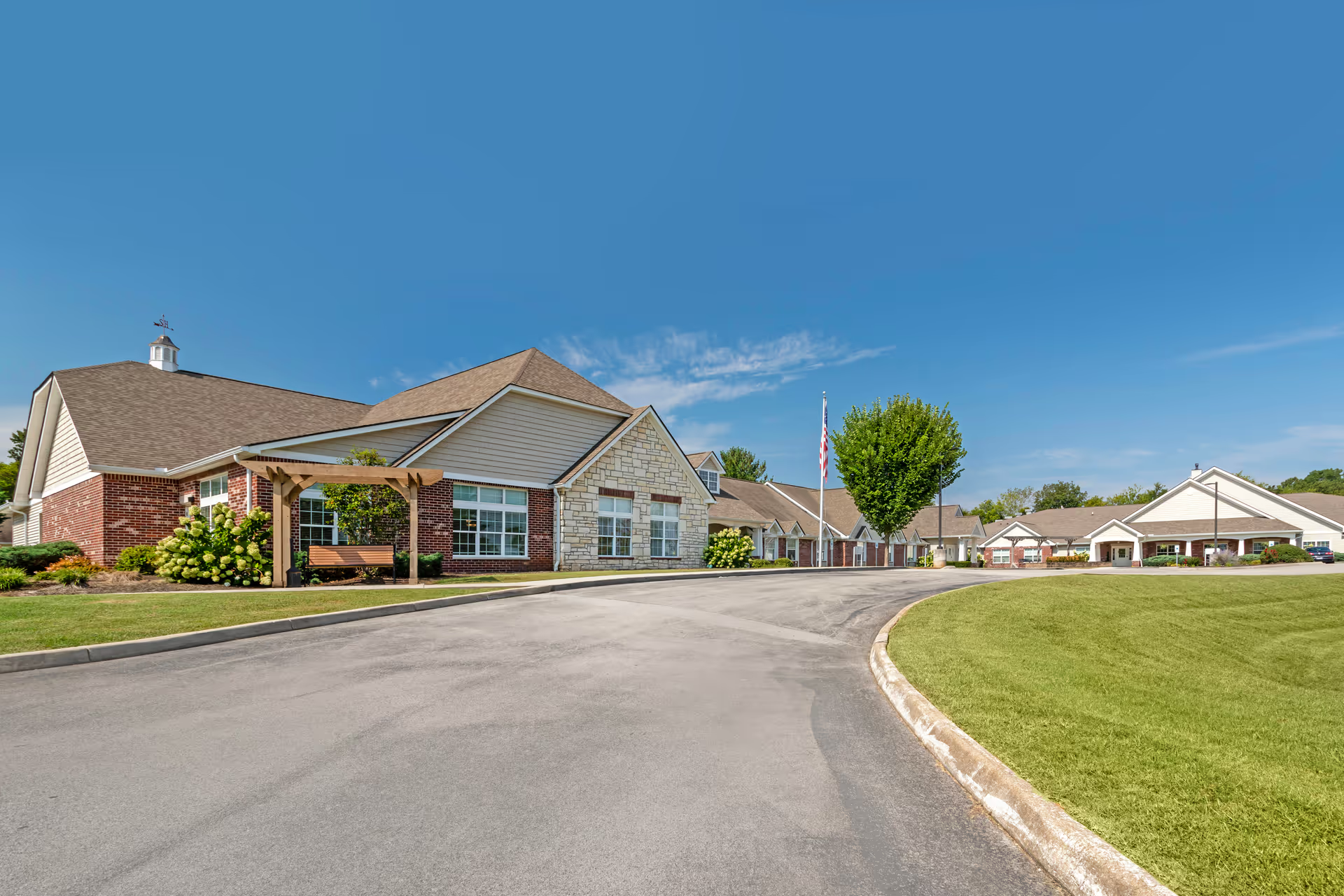
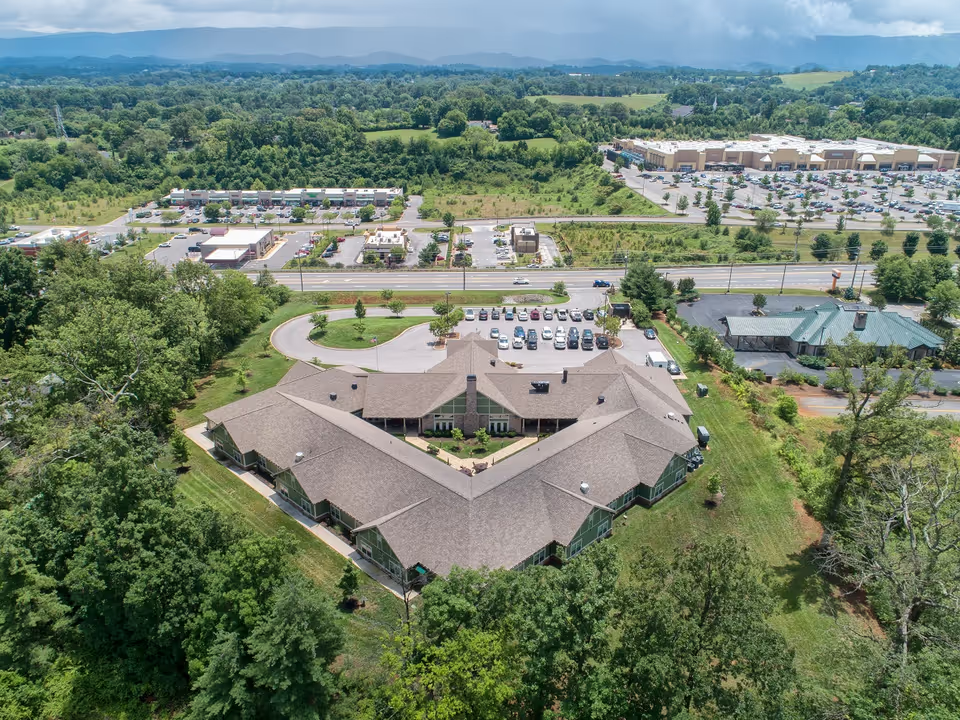
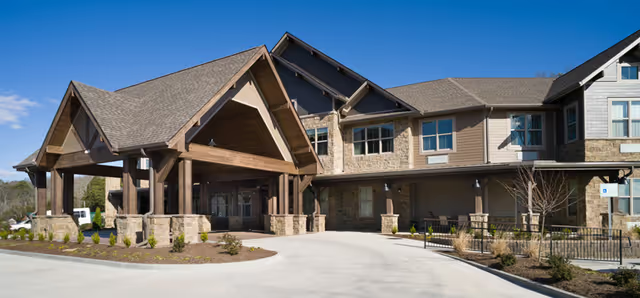
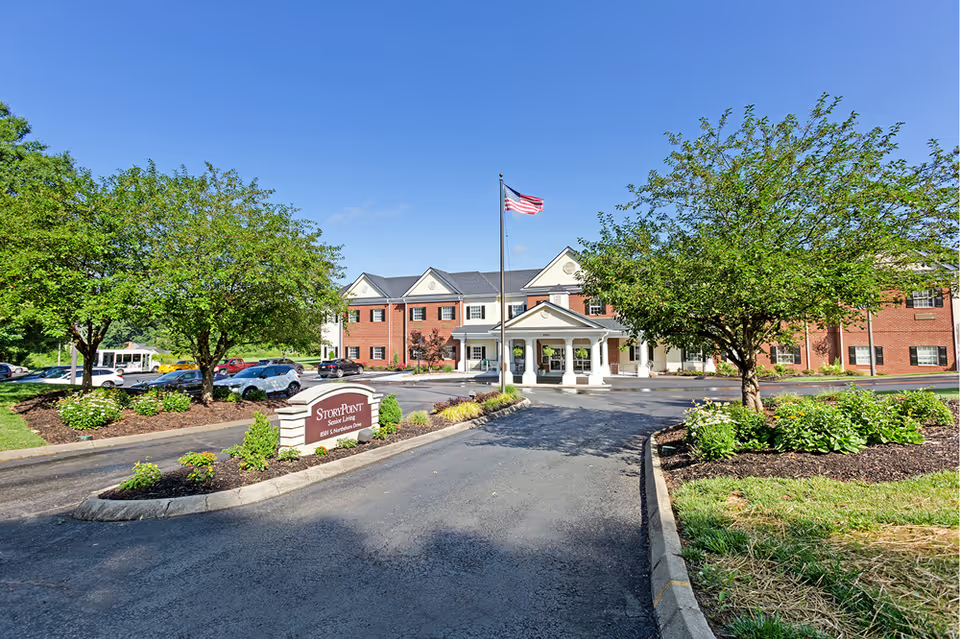
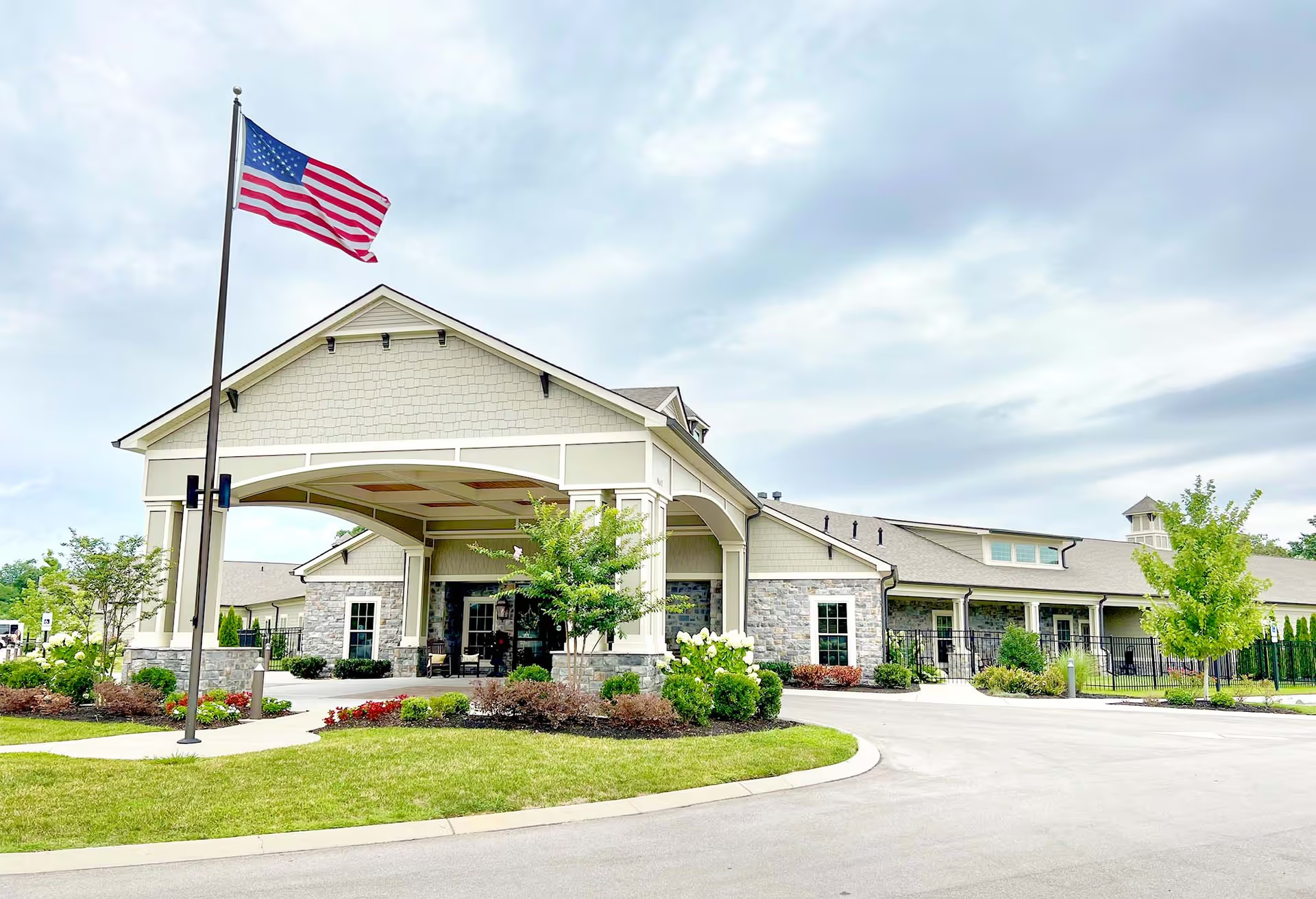
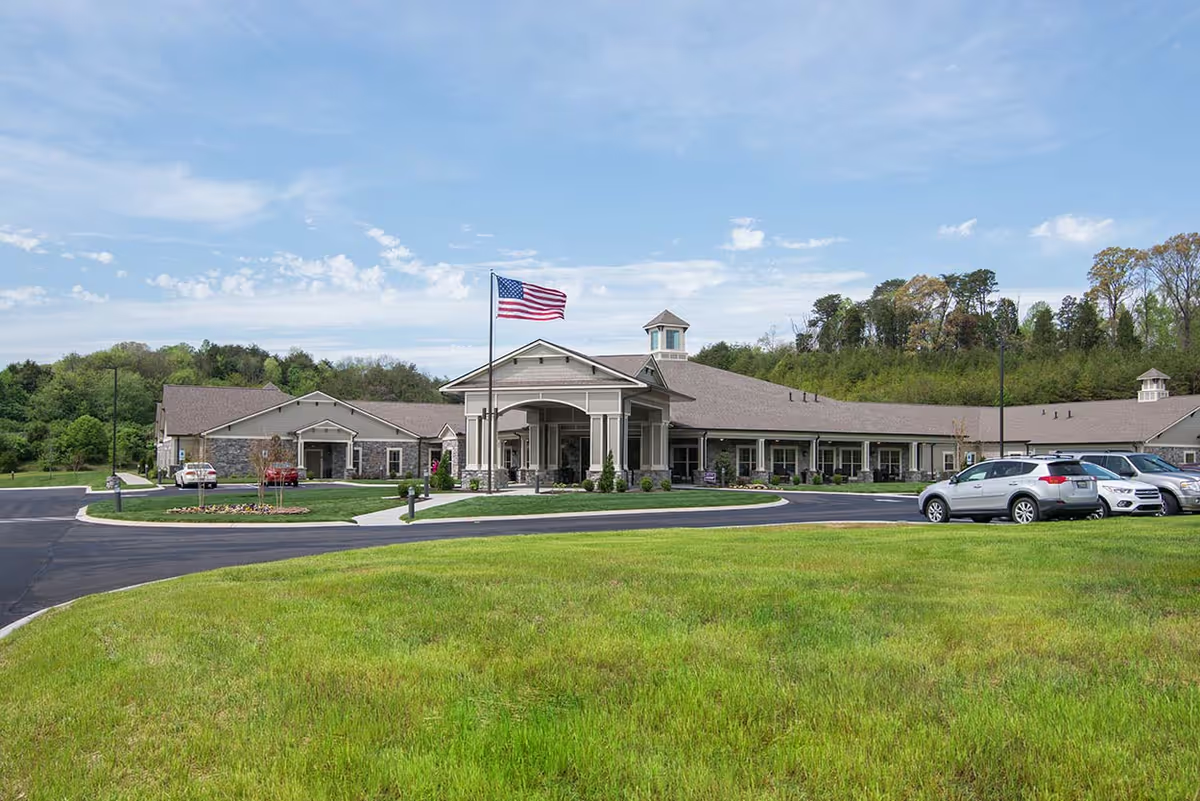
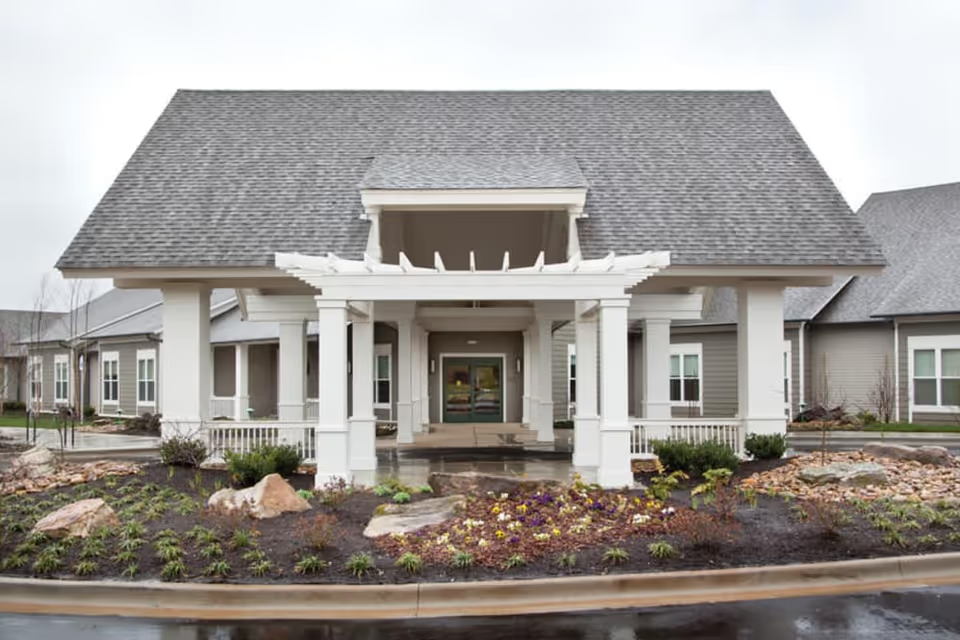
Facilities and environment: The physical plant shows mixed feedback. Common areas and certain units are described as clean and well-maintained, and individual rooms typically include in-room TVs. Conversely, several practical concerns recur: resident rooms are characterized as small with limited space for visitors, some units use shared multi-resident bathroom configurations, and there are occasional odor concerns in hallways or common spaces. Equipment comfort is another operational note — for example, pneumatic beds that some found uncomfortable or noisy. These are material considerations for potential long-term residents or those who expect frequent visitors.
Notable patterns and recommendations: Concordia Maryville appears to perform strongly as a short-term rehabilitation destination with capable therapists and useful clinical resources. Families considering longer stays should pay close attention to room size, bathroom arrangements, and protocols for personal-care responsiveness. During a visit, ask about staffing levels per shift, personal-care schedules, handling of high-acuity or end-of-life needs, equipment options (e.g., bed types), odor-control measures, and opportunities to observe mealtime and activities. These targeted questions can help determine whether the facility’s operational patterns match the prospective resident’s clinical and social needs.