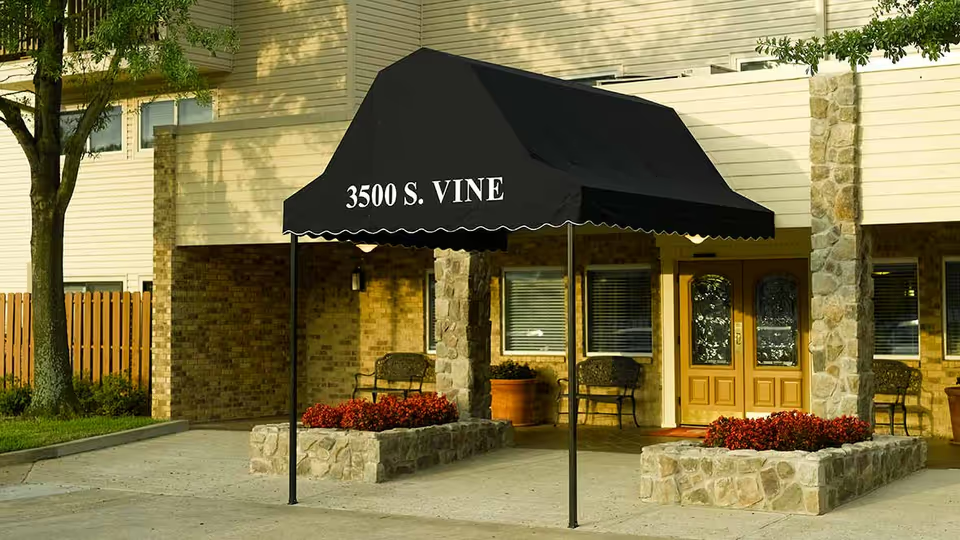
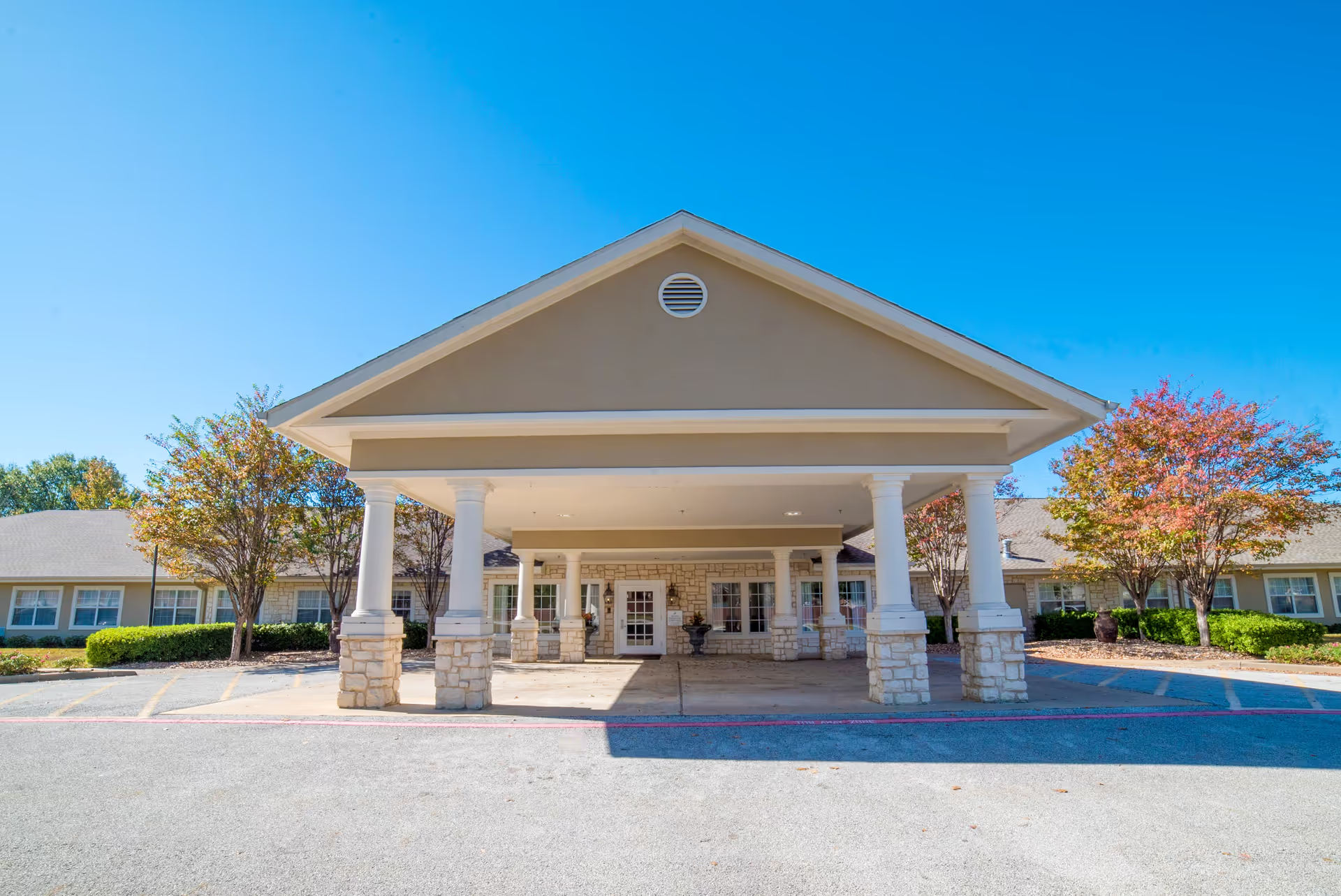
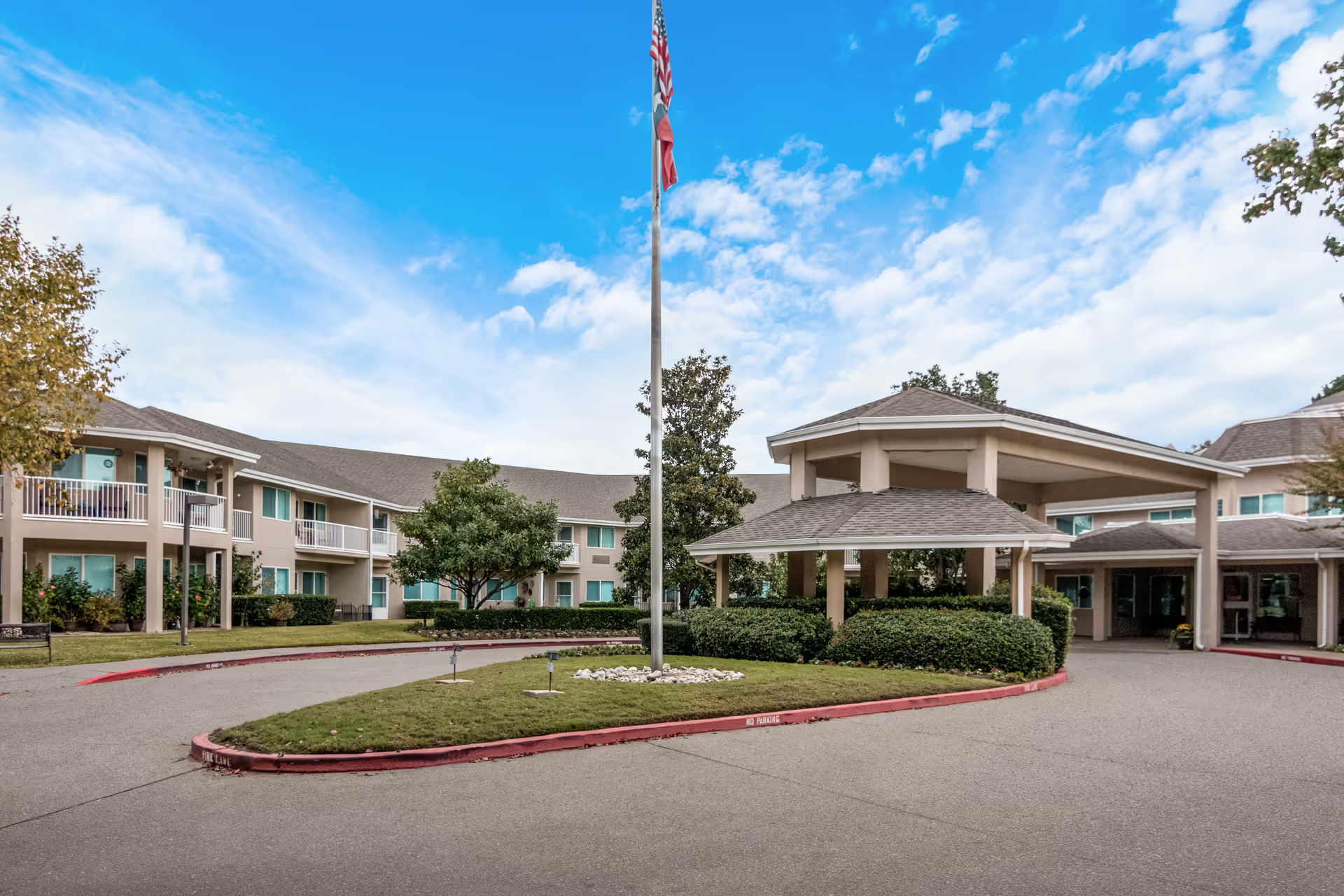
Overall impression: Reviewers describe Chandler Nursing Center as a facility with many strengths in direct care and rehabilitation, combined with an older but generally well-maintained building. Positive comments emphasize compassionate caregivers, effective physical therapy that supports recovery and mobility, and a welcoming, small-town atmosphere that families find reassuring. At the same time, a subset of accounts raises operational concerns that prospective families should evaluate during a visit.
Care and staff: Staff performance is the most frequently praised aspect. Families highlight caring, attentive nursing and caregiving, with several naming individual staff who provided particularly supportive service. Rehabilitation and therapy services receive consistent positive mention for helping residents regain function and return home. However, there are isolated but meaningful concerns about responsiveness and medication handling. These suggest variability in day-to-day clinical processes: while many families experienced prompt, skilled attention, others described delayed responses to requests or problems with medication procedures. Prospective families should inquire about staffing ratios, medication-administration protocols, and on-shift coverage during tours.
Dining: Meals are described positively overall — tasty, balanced, and well-prepared — contributing to a favorable impression of nutrition services. A number of reviewers specifically commended the quality and consistency of food, though a few reviews did not provide details on meals. It would be reasonable to sample mealtime offerings and ask about menu rotation and special-diet accommodations during an evaluation.
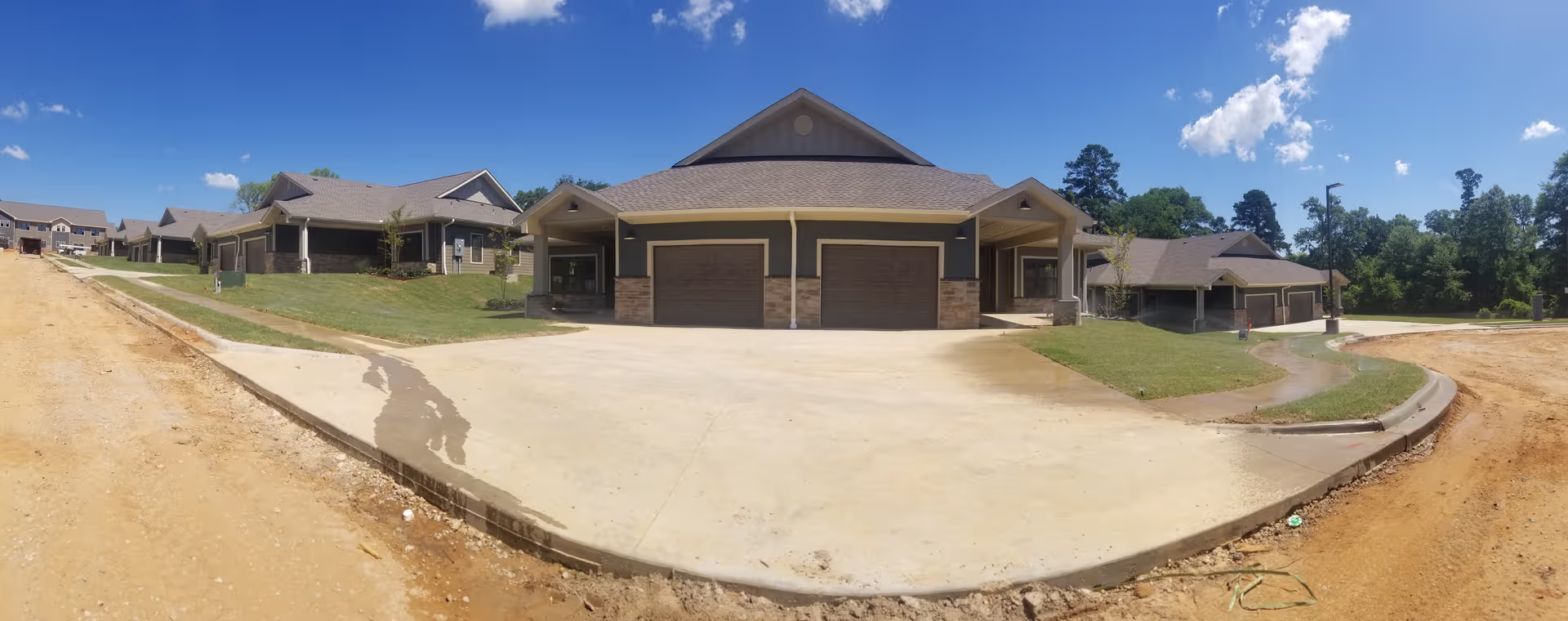
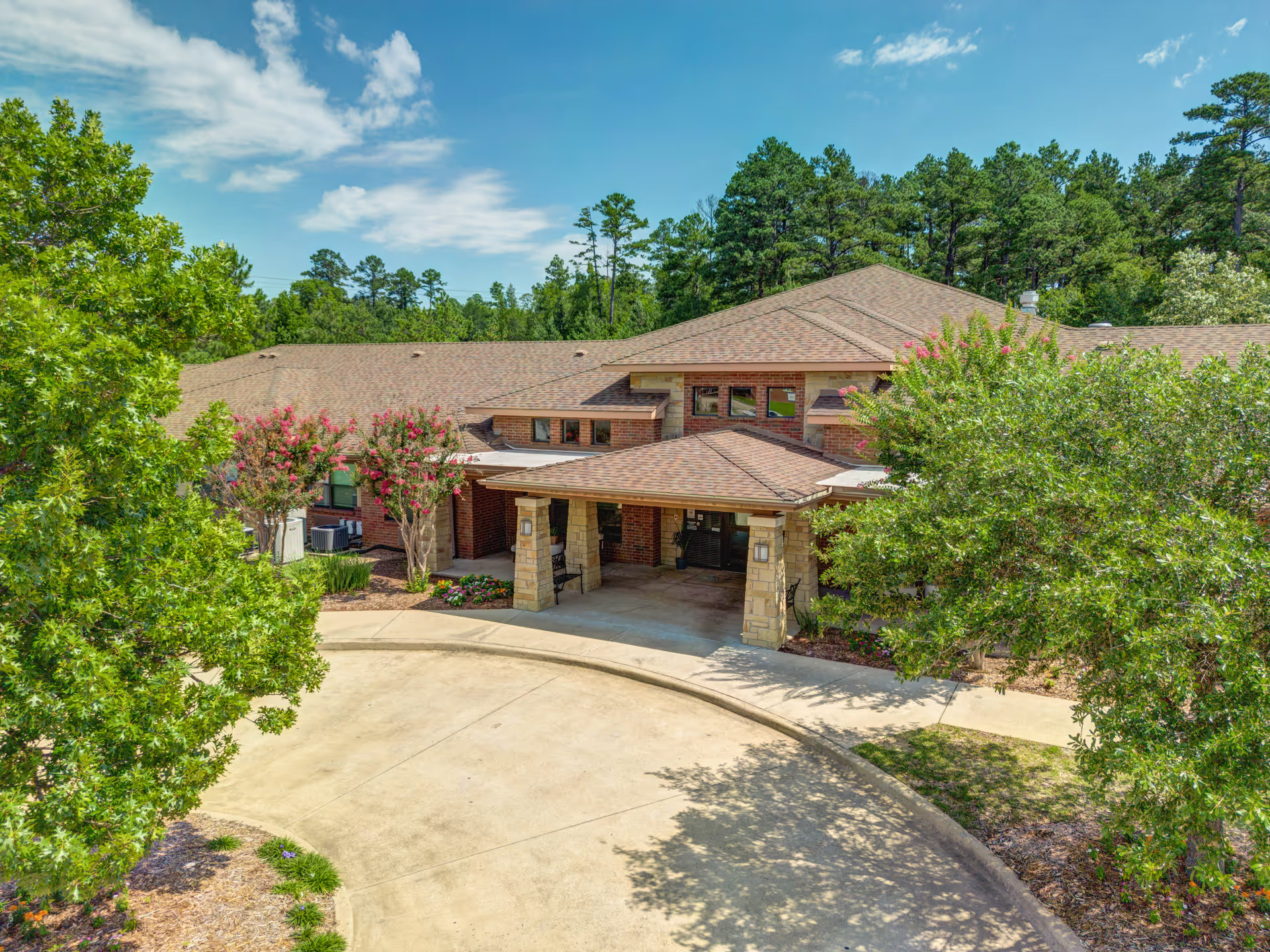
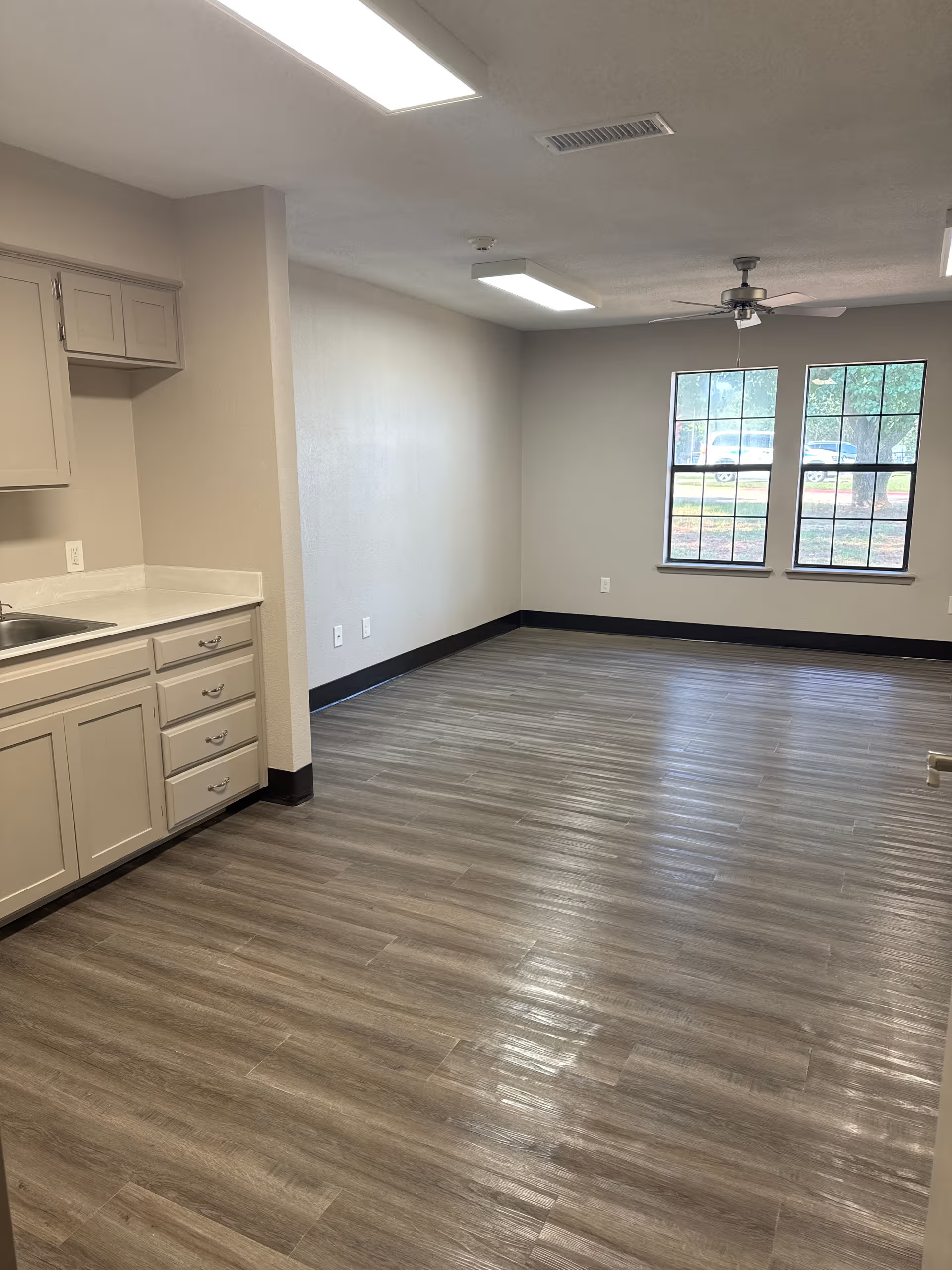
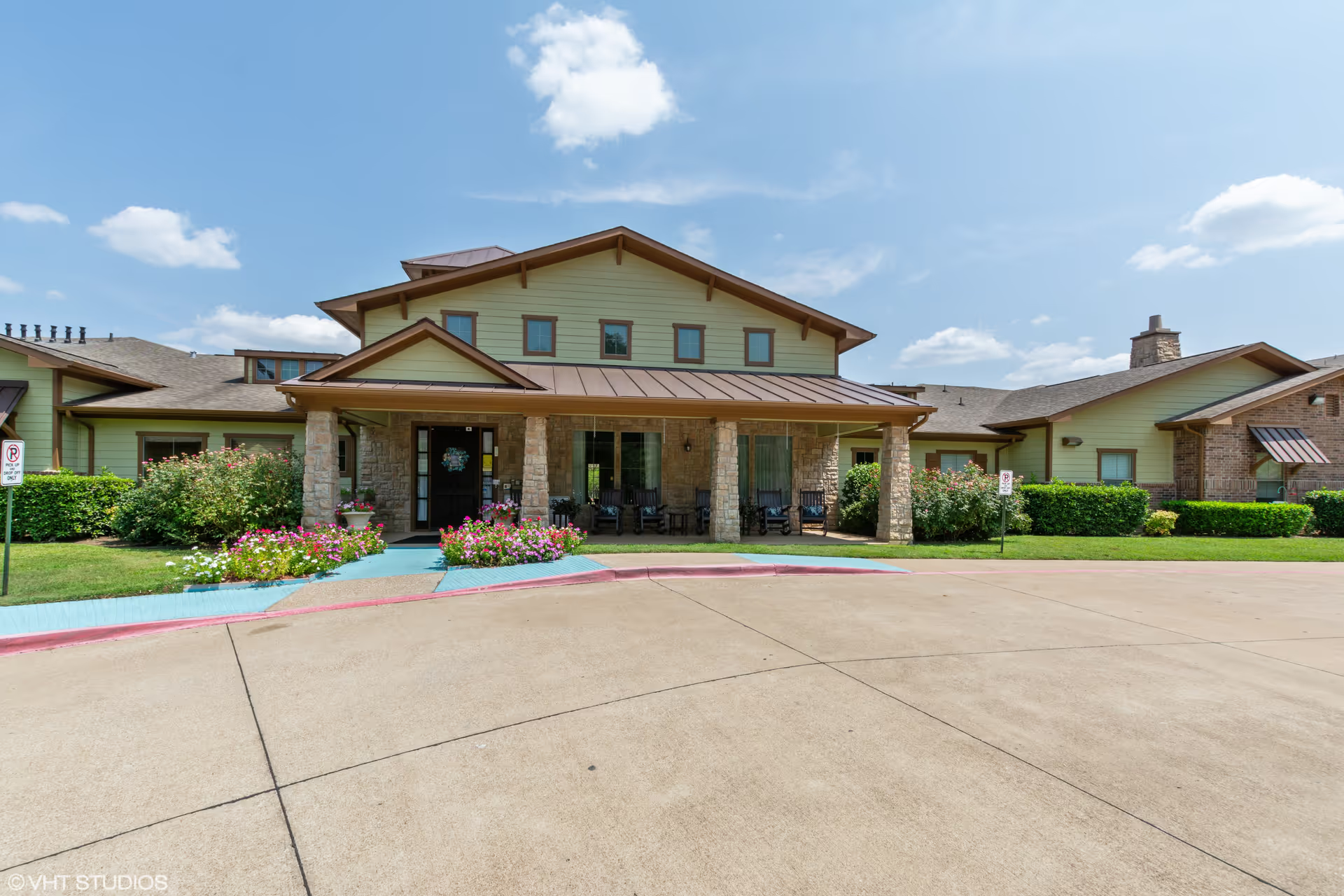
Activities and facilities: The facility offers a visible activities program and amenities such as a gym, game room, and a posted calendar of events. Rooming options include both studios and shared rooms, and the environment is often described as bright and cheerful. The building is characterized as older in parts, but generally clean and maintained; nevertheless, reviewers noted variability in upkeep across areas. Ask about specific unit conditions, activity schedules for different ability levels, and opportunities for social engagement to assess fit for an individual resident.
Management and communication: Administrative responsiveness and communication are commonly cited as strengths; several families appreciated clear updates and supportive transitions from home care. Conversely, a number of comments point to occasional lapses in staff conduct or communication tone and instances of inconsistent cleanliness or organization. These point to variability in operational consistency rather than a uniform pattern. During a visit, consider meeting nursing leadership, asking how they handle family concerns, and requesting explanations of quality-improvement processes and sanitation checks.
Notable patterns and recommendation guidance: The dominant themes are strong rehabilitative care and a compassionate staff culture, paired with occasional operational inconsistencies in medication management, responsiveness, and area-level cleanliness. Families who prioritize therapy outcomes and a warm, communal environment will likely find many positive attributes here. Those whose primary concerns are strict clinical process consistency or uniformly modern facilities should probe the specific operational areas mentioned above. Practical next steps include touring multiple units, meeting therapy and nursing leads, observing mealtime and activity periods, and asking for documentation of staffing levels, medication-safety protocols, and recent sanitation or maintenance logs.