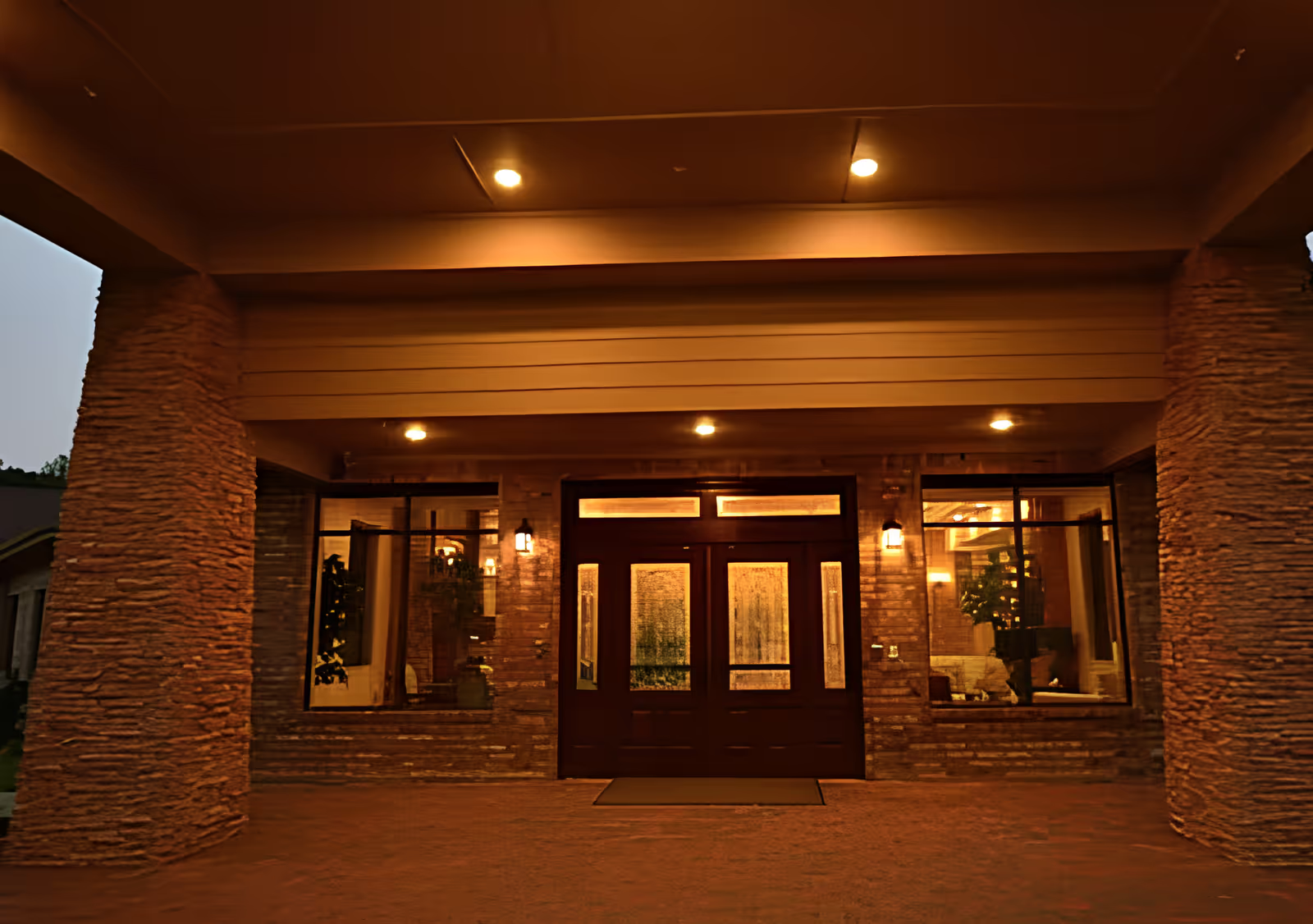
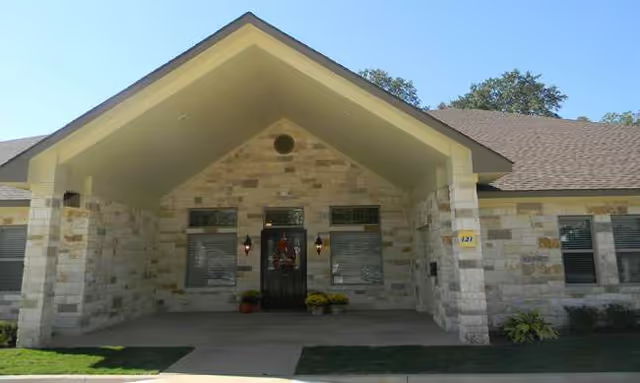
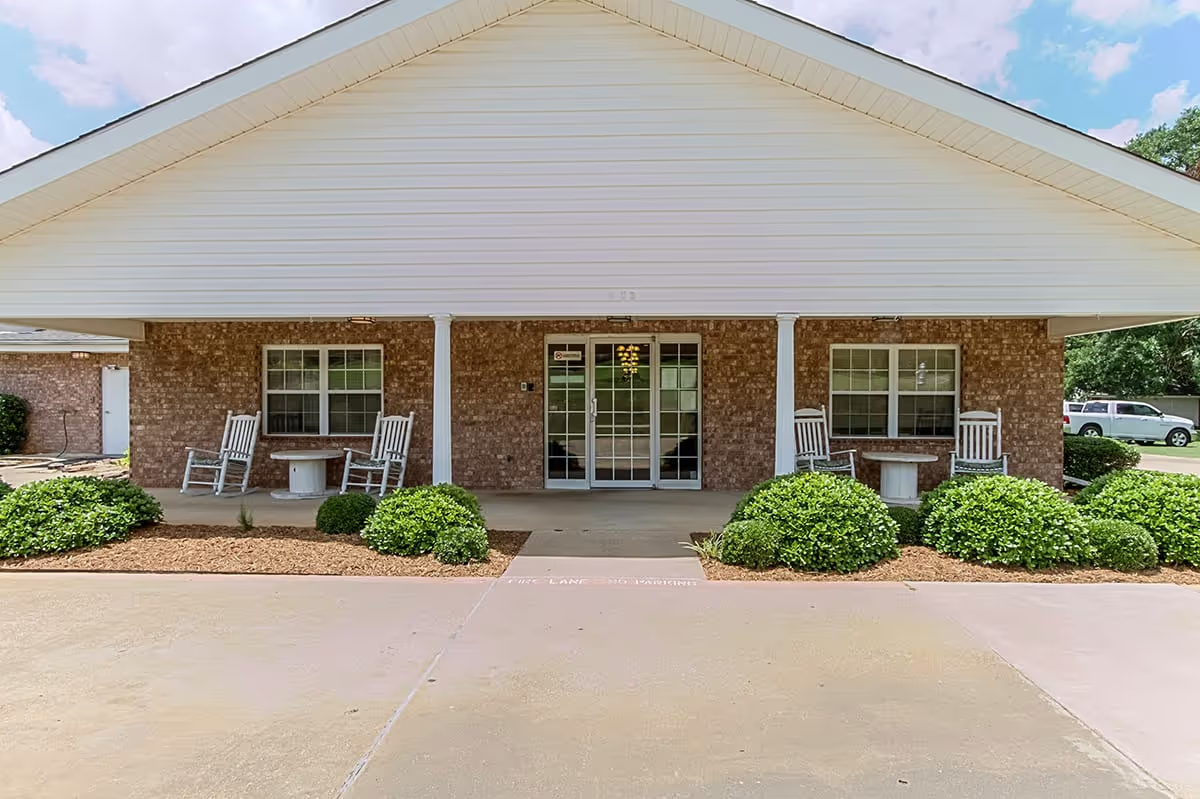
Elkhart Oaks Care Center elicits mixed impressions. Many comments highlight a warm, home-like atmosphere, private rooms with good views, and food that some residents and families find healthy and well prepared. Families frequently praised individual caregivers and therapy staff as caring, compassionate, and effective — particularly the rehab/therapy teams — and noted that staff often coordinate hospital transport and communicate proactively about clinical issues.
At the same time, reviewers describe operational weaknesses that affect daily quality of life. Several noted inconsistent responsiveness to call lights and resident needs, along with supervision gaps that can result in residents being unattended in common areas. Cleanliness and sanitation concerns in some spaces were raised, and comments indicate environmental-services staff may be overextended. These issues suggest variable day-to-day execution of basic care tasks across shifts or units.
Activity and social engagement appear uneven. While some residents enjoy programming such as Bingo and a generally content common-room atmosphere, other accounts describe limited activities or periods with little engagement. Dining and kitchen operations are generally seen positively by many families, though perceptions of overall quality vary by unit or time of day.
Management and communication present a mixed picture. Many families praised proactive communication from staff; however, others described inconsistent communication tone and an uneven customer-service experience. Of particular note is a serious allegation of sexual misconduct and accompanying concerns about how the incident was handled and communicated by facility leadership. Whether isolated or indicative of systemic process gaps, this underscores the importance of clear incident-response protocols, timely family notification, and transparent investigations.
In sum, Elkhart Oaks appears to provide strong rehabilitative services and warm caregiving in many cases, with a homelike environment and generally positive meal service. Prospective residents and families should weigh those strengths against reported variability in responsiveness, sanitation practices, activity programming, and incident-investigation processes. A focused tour, conversations with therapy and nursing leadership, and questions about staffing levels, environmental-services schedules, incident reporting, and family-notification procedures would help clarify whether the facility’s operational practices meet an individual’s needs and expectations.