Overall impression: Reviews describe a facility with a clear faith-based identity and a range of clinical and social supports. Strengths include attentive nursing and therapy services, a robust activities schedule, visible chaplaincy and religious programming, and generally well-presented, in-house meals that can be adjusted to resident preferences. Several reviewers recommended an in-person visit prior to placement, suggesting that the facility's fit can be best judged on-site.
Care and staff: Many accounts emphasize compassionate nursing and helpful, personable staff and note that routine personal care such as daily bathing is provided. Therapy and rehabilitation services are cited as available and effective. However, reviewers also describe variability in staff responsiveness and helpfulness, indicating that experience may depend on shift or individual caregiver. There are specific concerns about communication practices with families and limitations on accessible information, which can create friction for those seeking frequent updates.
Dining and clinical accommodations: Meals are prepared on-site and are described as attractively presented and adaptable to resident food preferences. At the same time, reviewers highlighted that residents who are tube-fed do not derive benefit from the facility’s standard meal service; this points to limitations in how dining services accommodate certain clinical feeding needs. Overall, clinical nutrition and therapy appear available, but families of residents with specialized feeding needs should clarify accommodations in advance.
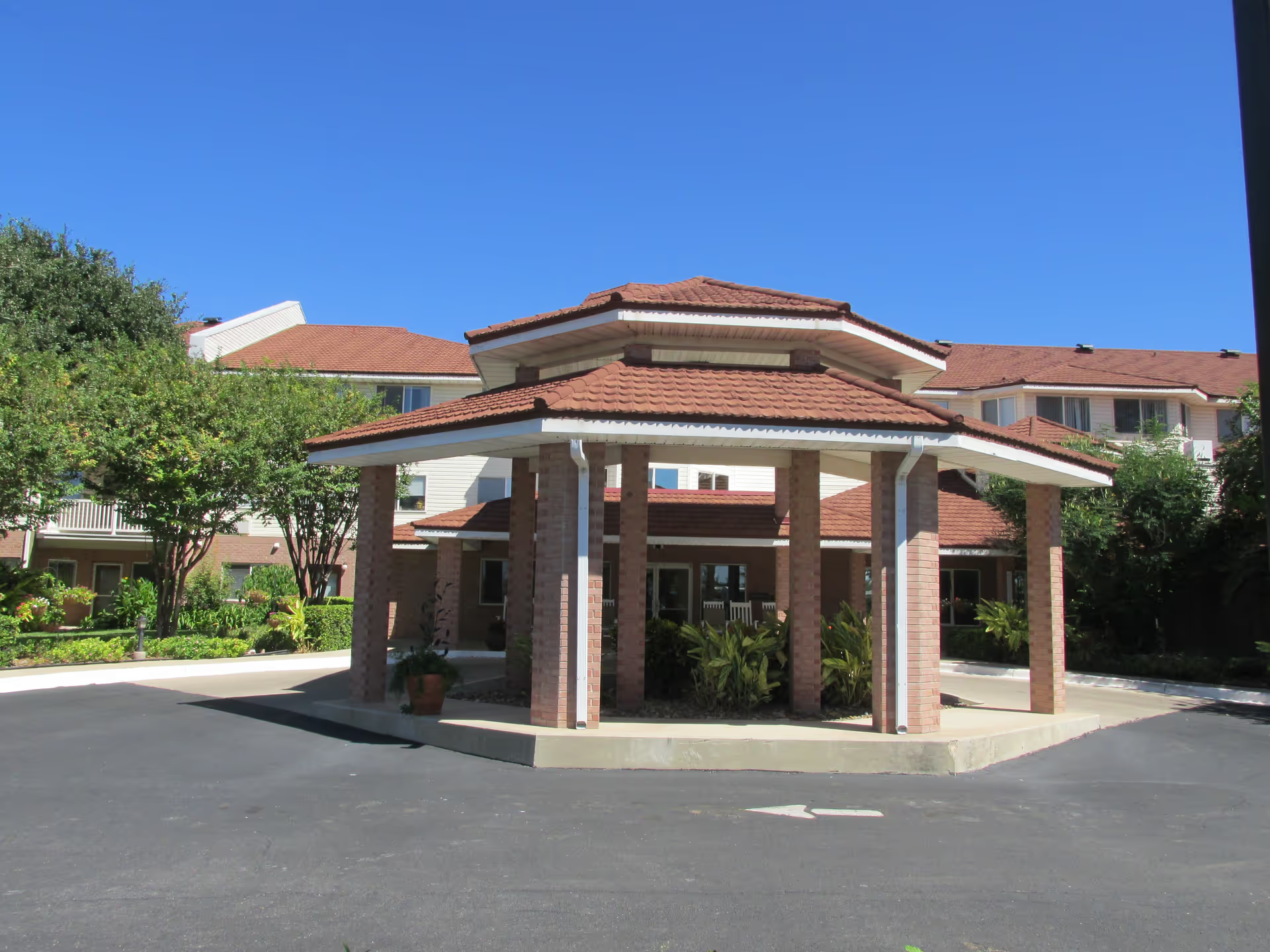
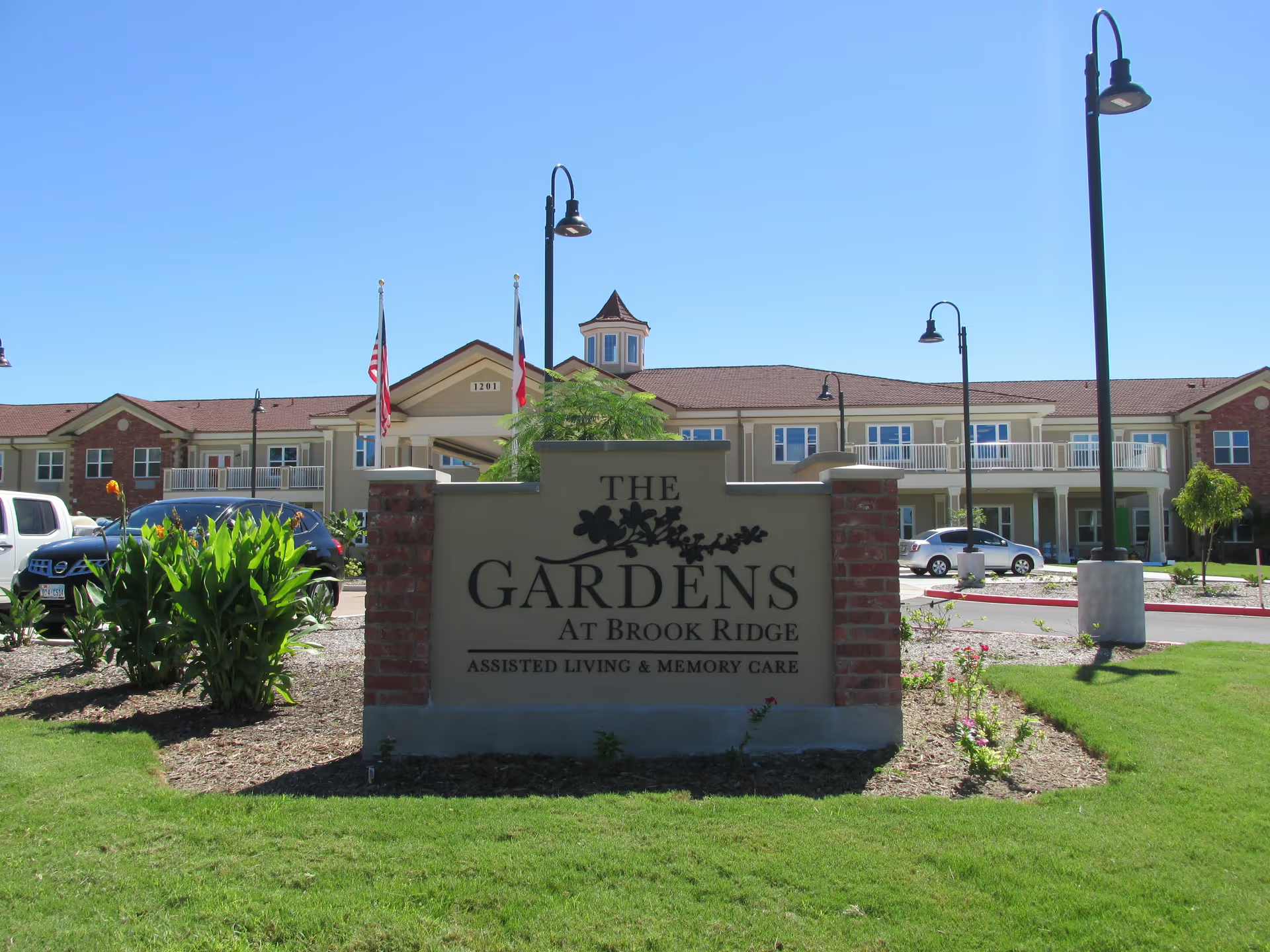
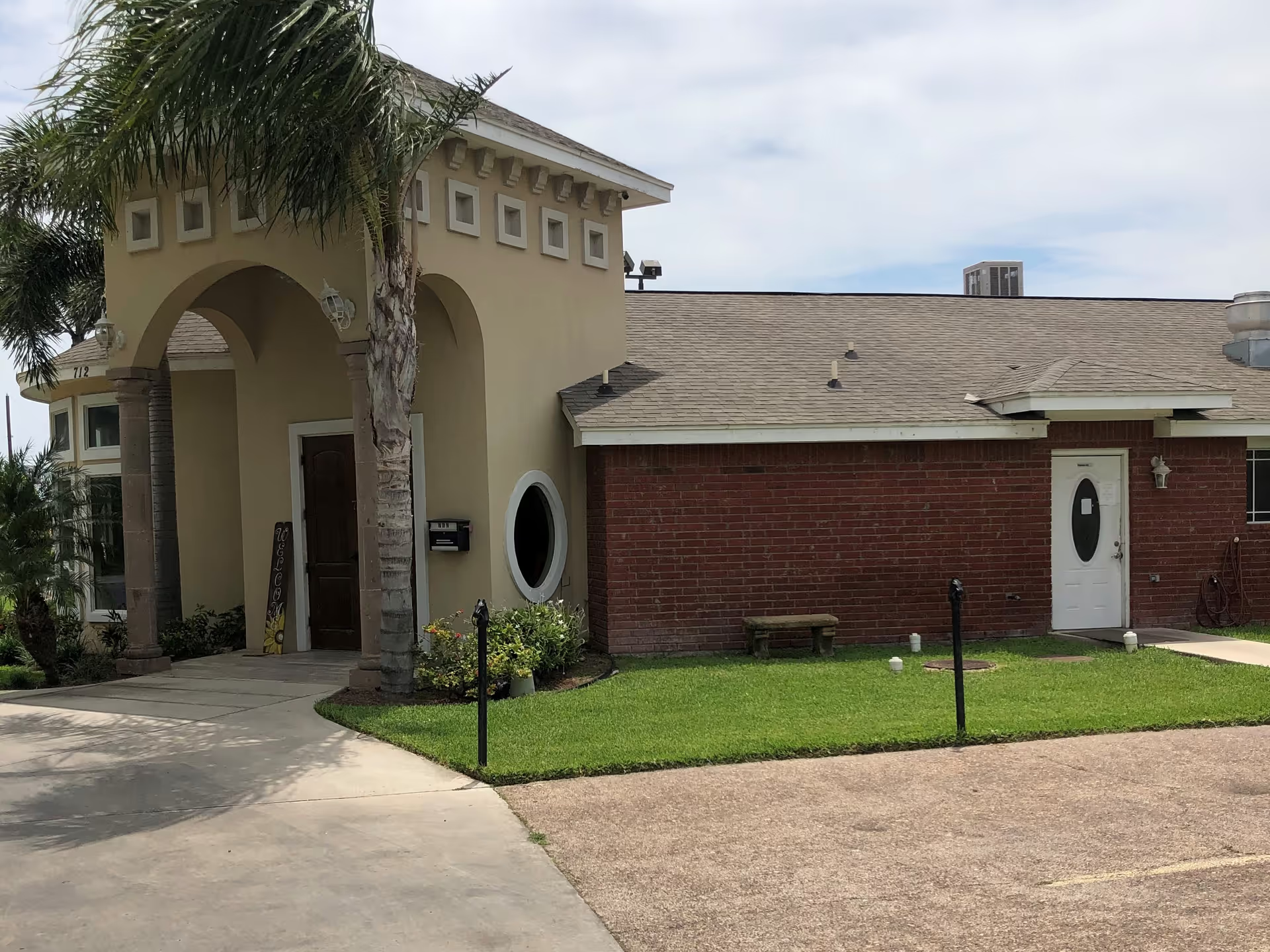
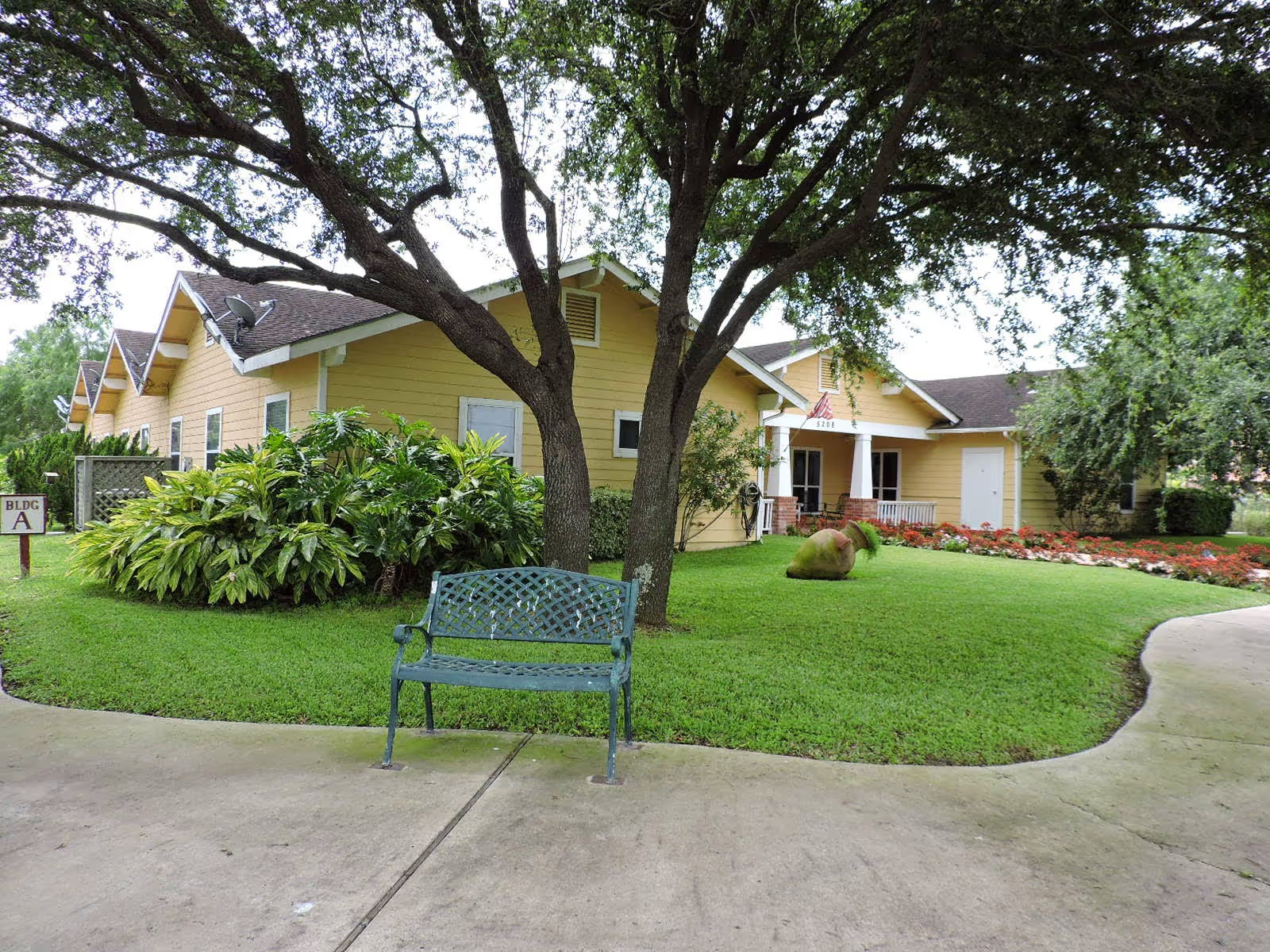
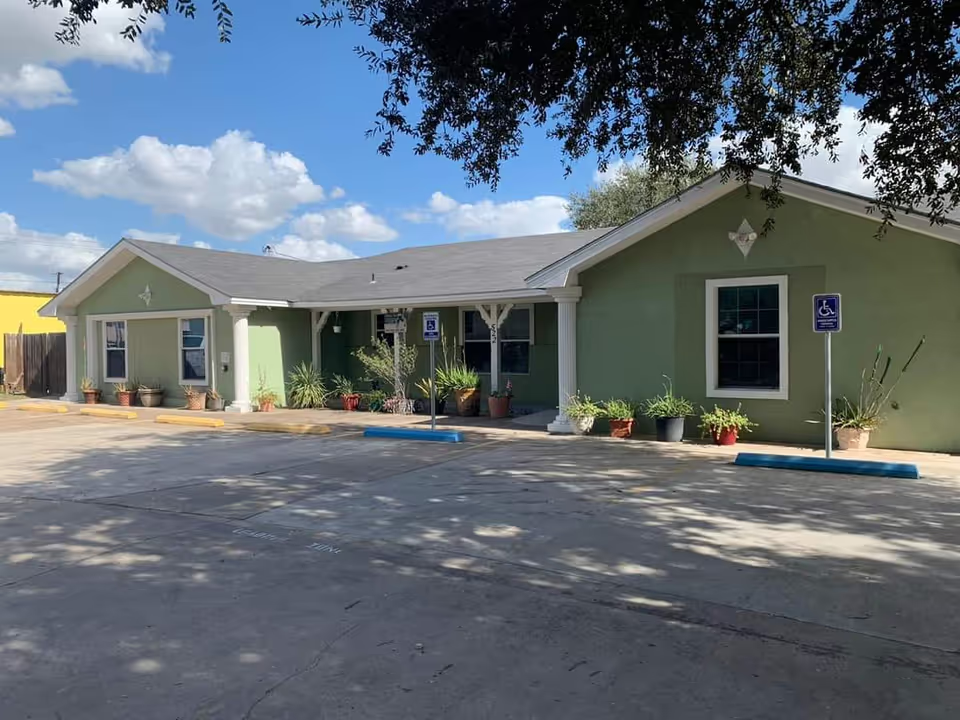
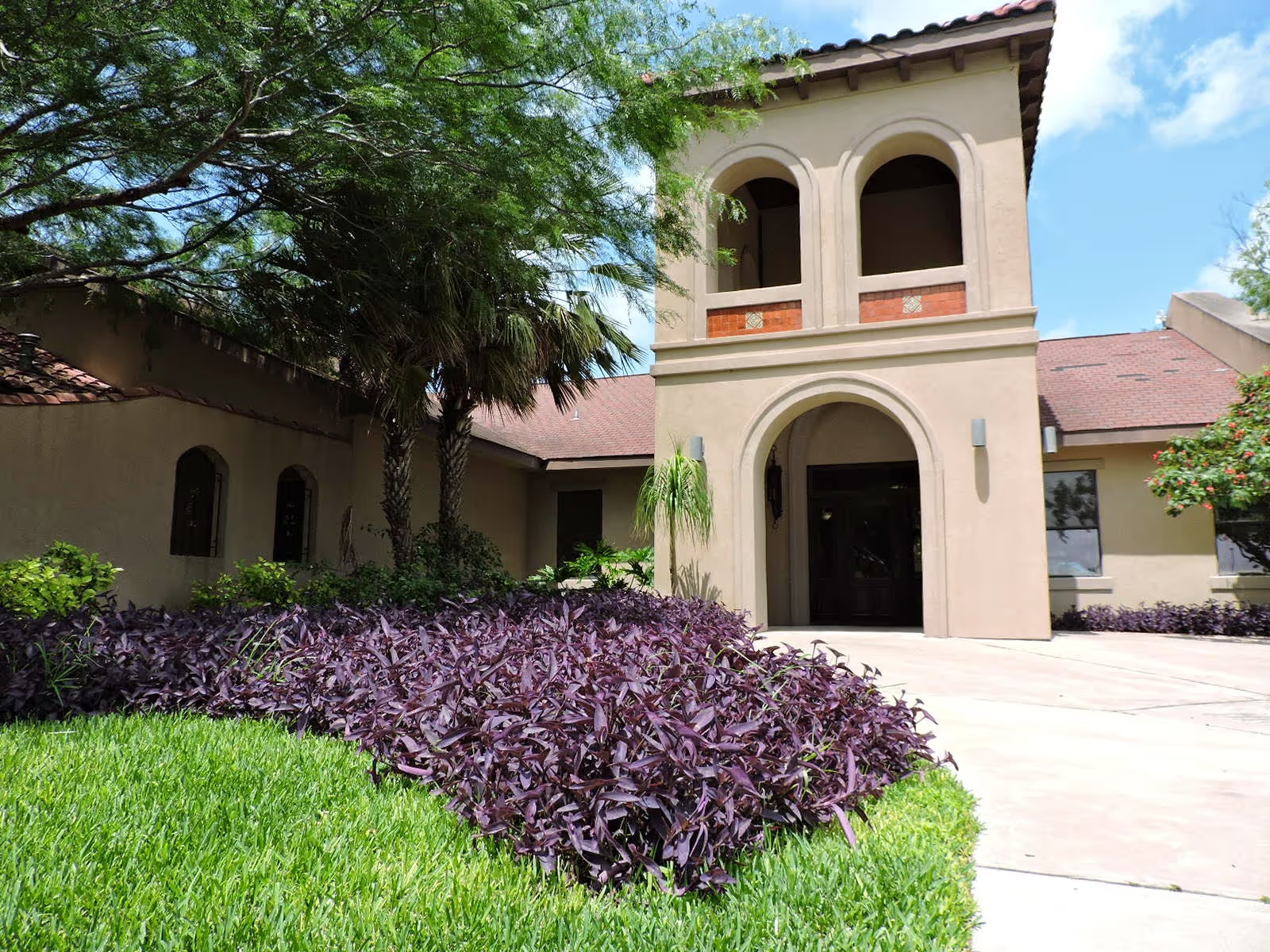
Activities, spiritual care, and environment: The facility offers a varied activities program (bingo, laughing yoga, daily exercise) and an on-site chaplain who provides daily services and in-room visits, supporting spiritual and social engagement. The building and common areas are described as clean and well-maintained, and staff are noted to be respectful of visual impairment accommodations.
Management and patterns to note: The most consistent operational concerns relate to family access and information flow: restrictive visitation policies, difficulty verifying a resident’s status by phone, and broader limits on information-sharing were repeatedly noted. These indicate potential gaps in remote communication and visitation flexibility rather than clinical care per se. Given the mix of positive reports about hands-on care and the communication/access concerns, prospective residents and families would benefit from a direct pre-admission visit and a detailed discussion with management about visitation rules, phone/remote updates, and accommodations for specific clinical needs (for example, tube feeding).