Overview: Reviews present a consistent picture of a small, homelike skilled nursing and rehabilitation center with pronounced strengths in hands-on caregiving and therapy services, alongside facility-level limitations related to building age and space. Families and discharges commonly describe attentive staff interactions and positive clinical outcomes, particularly for rehabilitation and wound management. At the same time, the facility’s smaller footprint and older exterior create trade-offs in room size, amenities, and some environmental conditions.
Care quality and clinical services: Clinical care and rehabilitation are recurring strengths. Reviewers cite strong PT/OT/ST programs, measurable patient improvement during rehab stays, and effective wound-care practices that supported healing. One-on-one attention and individualized care plans are frequently highlighted, and use of in-house nursing staff (rather than agency personnel) is noted as a factor in continuity of care. These elements combine to produce a generally positive perception of clinical competence and therapeutic outcomes.
Staff, admissions, and social services: Staff behavior and culture receive consistently favorable comments. Caregivers, aides, nurses, and social-service personnel are described as friendly, responsive, and family-oriented; several accounts single out admissions staff and social workers for helpful guidance and referrals. Leadership responsiveness (including references to a responsive director) and an upbeat, welcoming admissions experience are reported to ease transitions for residents and families.
Dining and daily life: The facility appears to offer an active social program with daily activities, games, and opportunities for socialization; the outdoor courtyard and pleasant grounds are seen as positive recreational assets. However, reviewers provide limited detail about dining and meal quality, producing a gap in the available information. Prospective families should request current menus, sample meals, and details about special-diet accommodations when evaluating the facility.
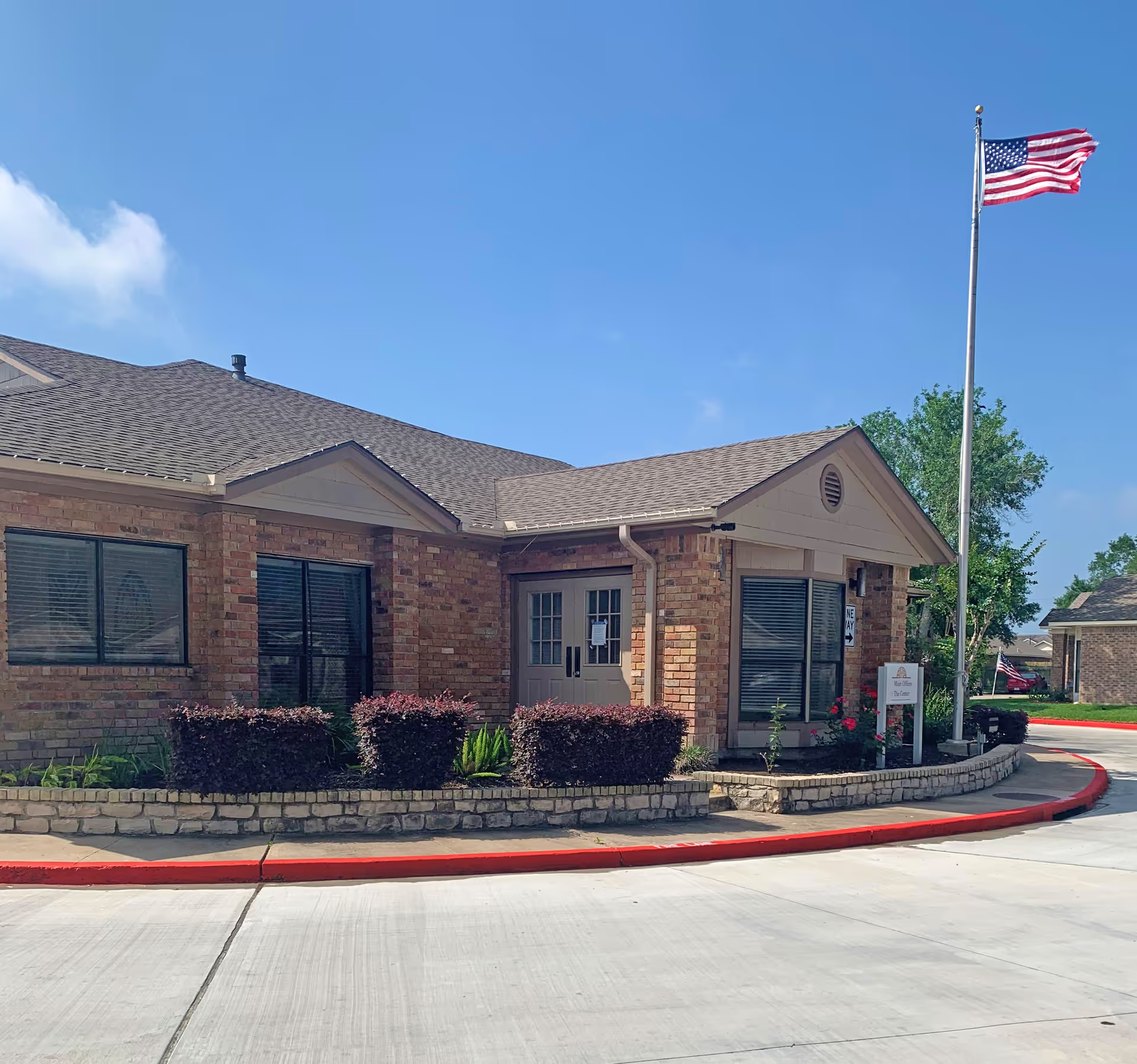
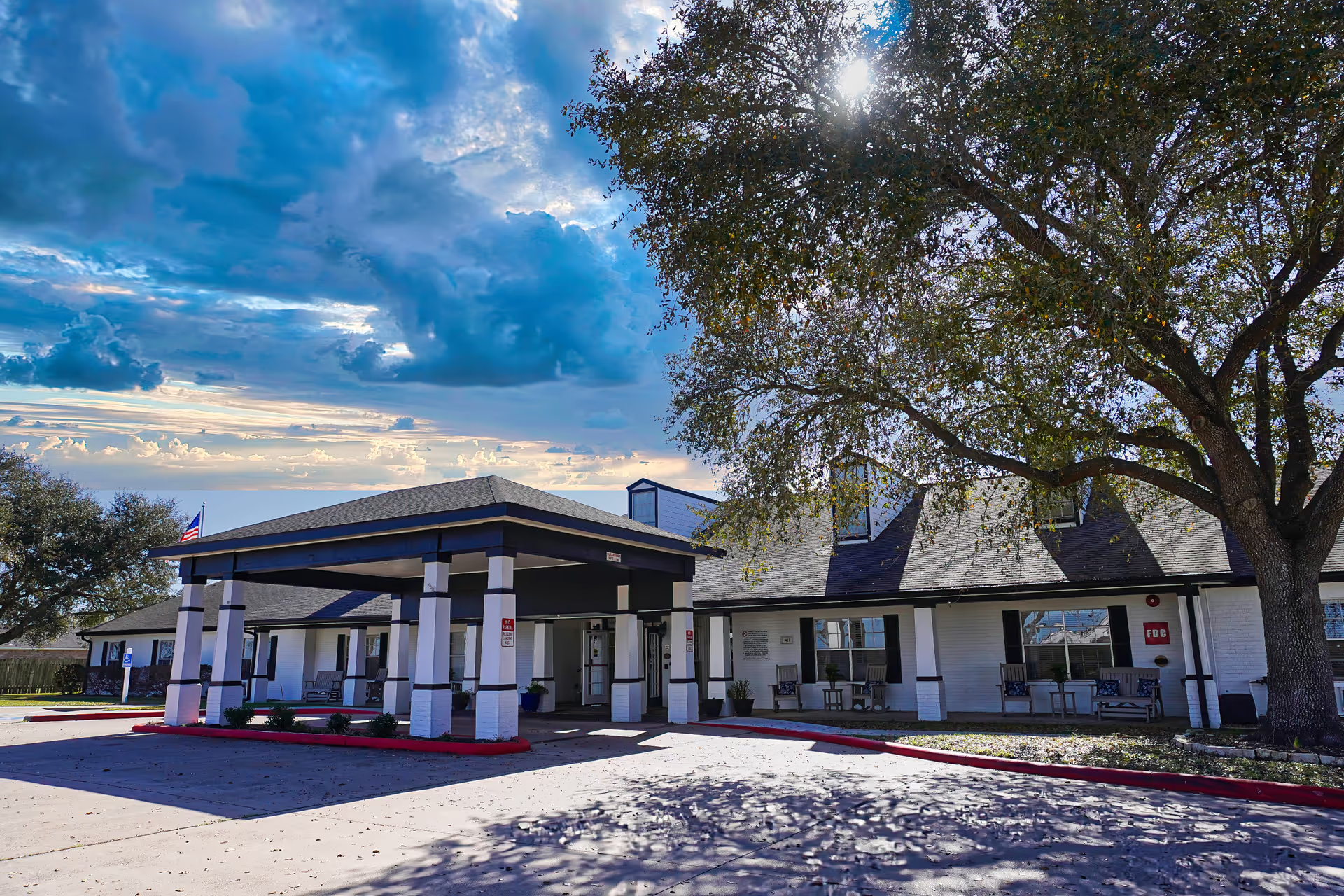
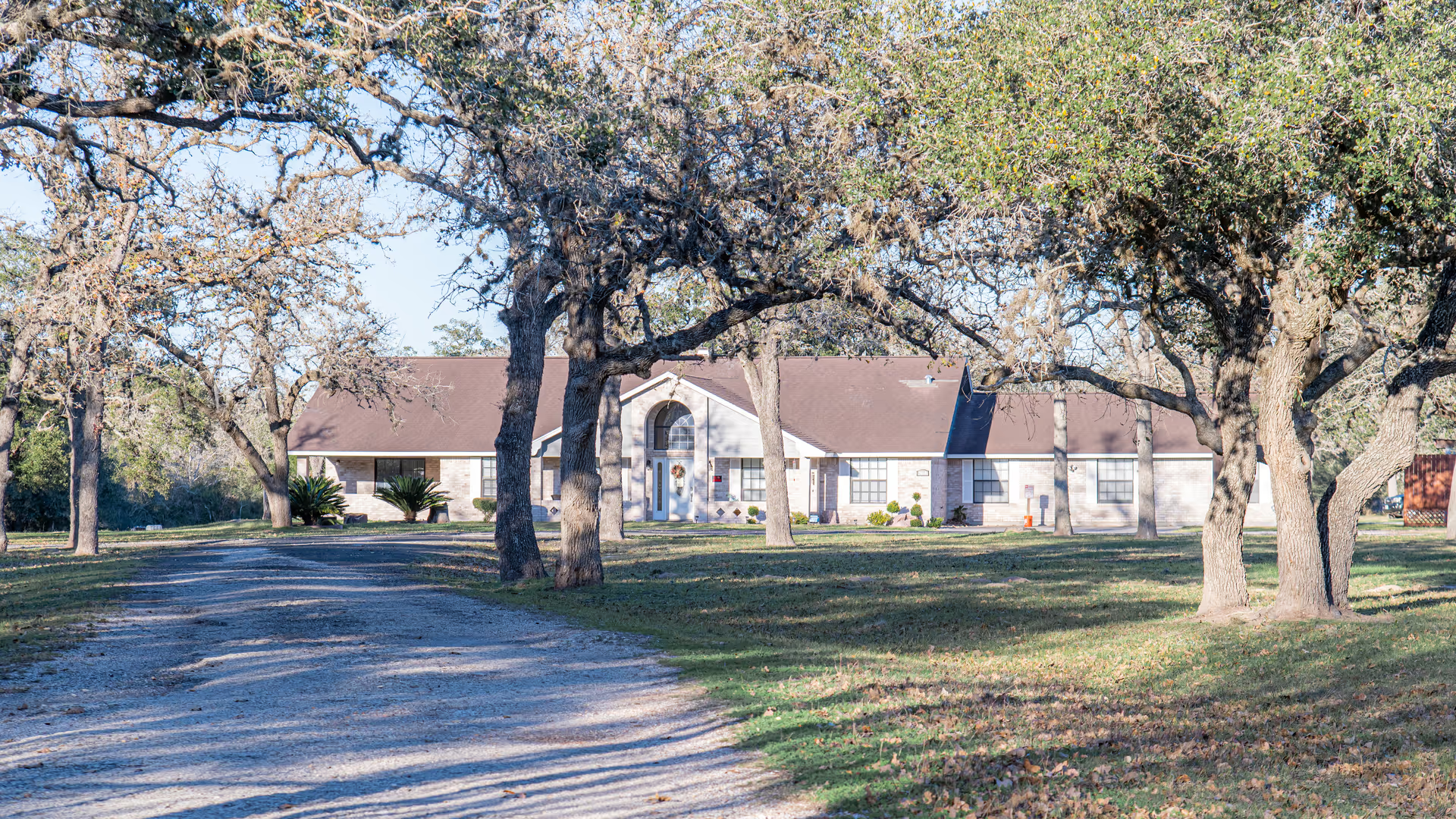
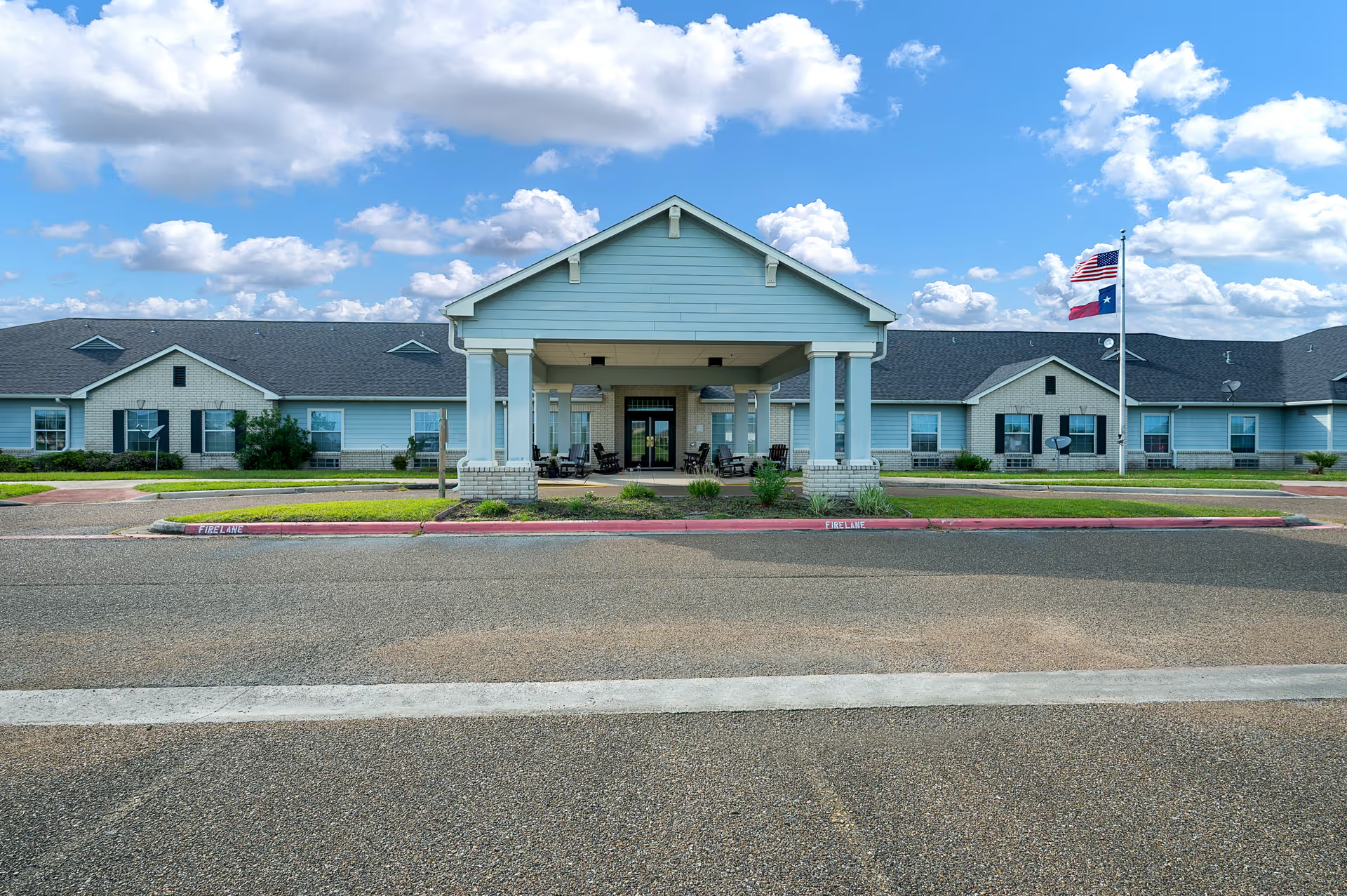
Facilities and environment: Internally, many reviewers describe clean, newly refreshed rooms and well-maintained common spaces that contribute to a homelike feel. Counterbalancing this, the facility is characterized by an older exterior and a smaller physical footprint. Room sizes are noted as compact, which may affect comfort for long stays. A minority of comments reference odor concerns in some common areas; while cleanliness is often praised, these inconsistent environmental impressions suggest areas where housekeeping or ventilation could be reinforced.
Operational patterns and communication: The facility’s small size and reliance on in-house staff support personalized care but may limit available amenities compared with larger regional options. A few reviewers raised concerns about incident handling — specifically gaps in documentation or communication with families after clinical events — indicating an operational area for improvement in transparency and incident-response processes. Additionally, mentions of recent management changes suggest there may be short-term variability in operations as new leadership establishes routines.
Conclusion: The Courtyard Rehabilitation and Healthcare Center appears well suited for families prioritizing attentive, relationship-driven caregiving and strong rehabilitation/wound-care services within a homelike, small-facility setting. Prospective residents should weigh those strengths against the trade-offs of an older, smaller physical plant, potential odor or cleanliness inconsistencies in certain areas, and limited published information about dining. Asking targeted questions about room size, meal planning, incident-reporting policies, and recent management initiatives will help families determine fit and set expectations prior to admission.