The reviews present a mixed but consistent pattern: many families and residents praise the facility's rehabilitation program, nursing skill set, and the overall cleanliness and presentation of the building, while a subset of accounts raise operational and clinical consistency concerns. Strengths that recur across reviews include a strong therapy regimen, individualized dietary accommodations, a clean and well‑lit interior with pleasant common spaces and grounds, and staff who are described as caring, communicative, and family‑focused. Meals are generally characterized as healthy and customizable, and amenities such as round‑the‑clock snacks and beverages and a busy rehab schedule are cited as positive contributors to recovery and resident comfort.
Care quality appears to be uneven. On one hand, reviewers describe effective therapy outcomes and respectful nursing care; on the other hand, there are distinct concerns about clinical consistency for more complex needs — specifically ostomy and wound management — and about responsiveness to routine assistance requests (for example, help with hydration and laundry). These concerns point to variability in day‑to‑day care delivery rather than a uniform failure of clinical capability. Prospective residents should evaluate the facility's protocols for ostomy and wound care, ask about staffing ratios for higher‑acuity needs, and seek clarity on how basic assistance is scheduled and escalated.
Staffing and conduct are another area of contrast. Many comments praise attentive, compassionate employees and clear family communication; however, other comments describe variability in professionalism and responsiveness across shifts, with particular concerns about later shifts. Several reviewers also linked staffing limitations to funding constraints, which may create inconsistency in coverage and service levels. For families this suggests asking about typical staff‑to‑resident ratios on each shift, turnover rates, and how the facility manages shift handoffs and supervision.
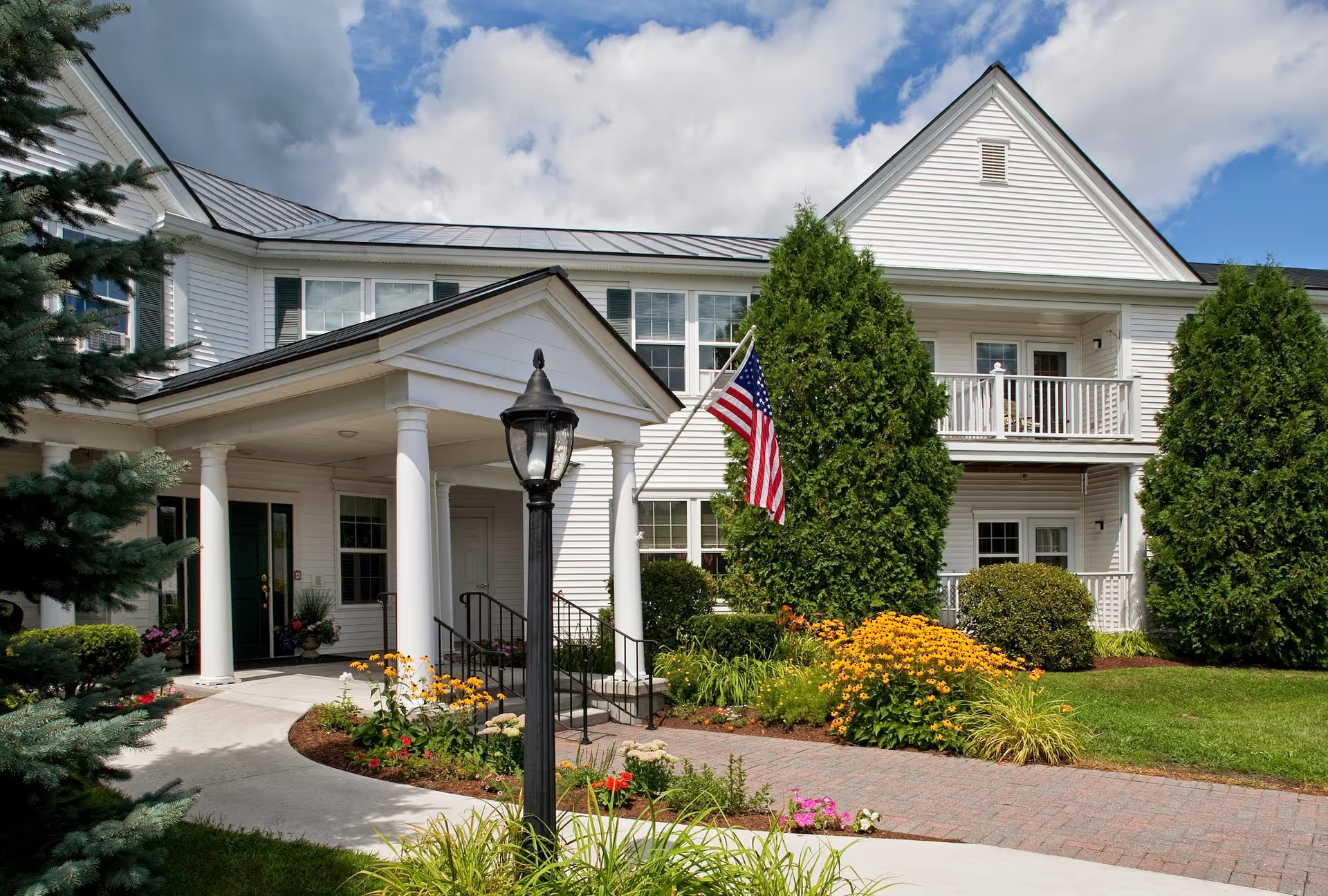
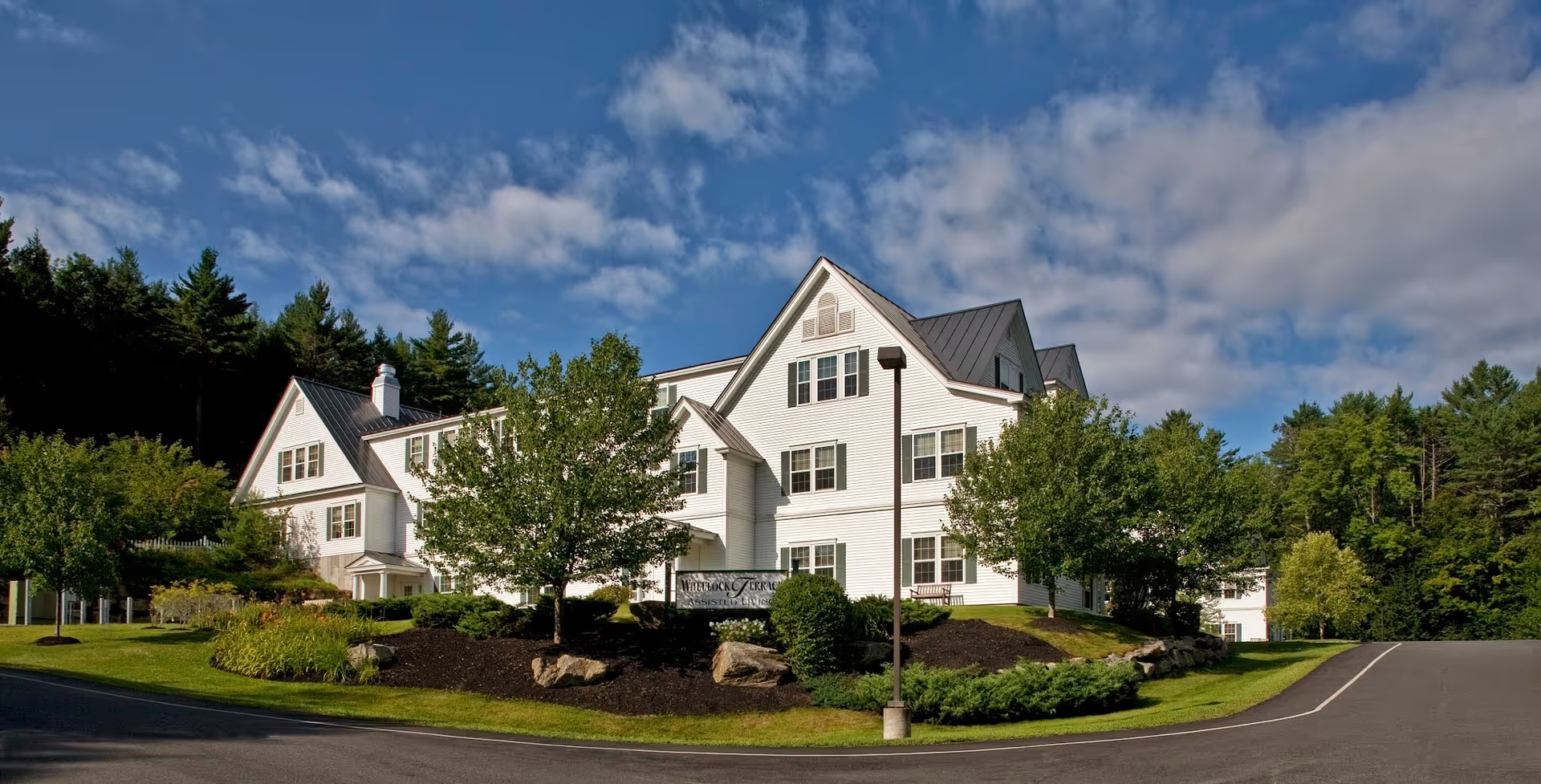
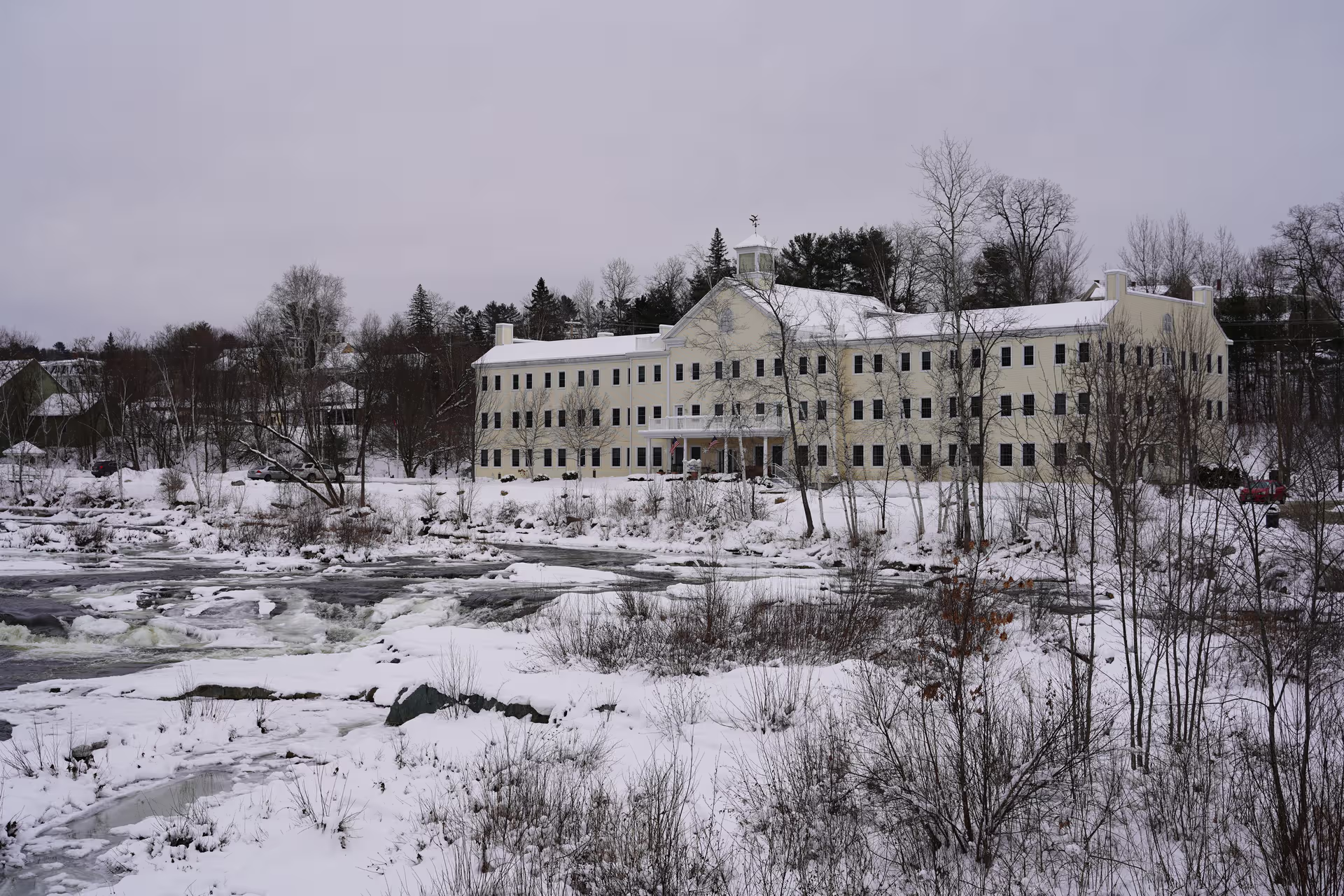
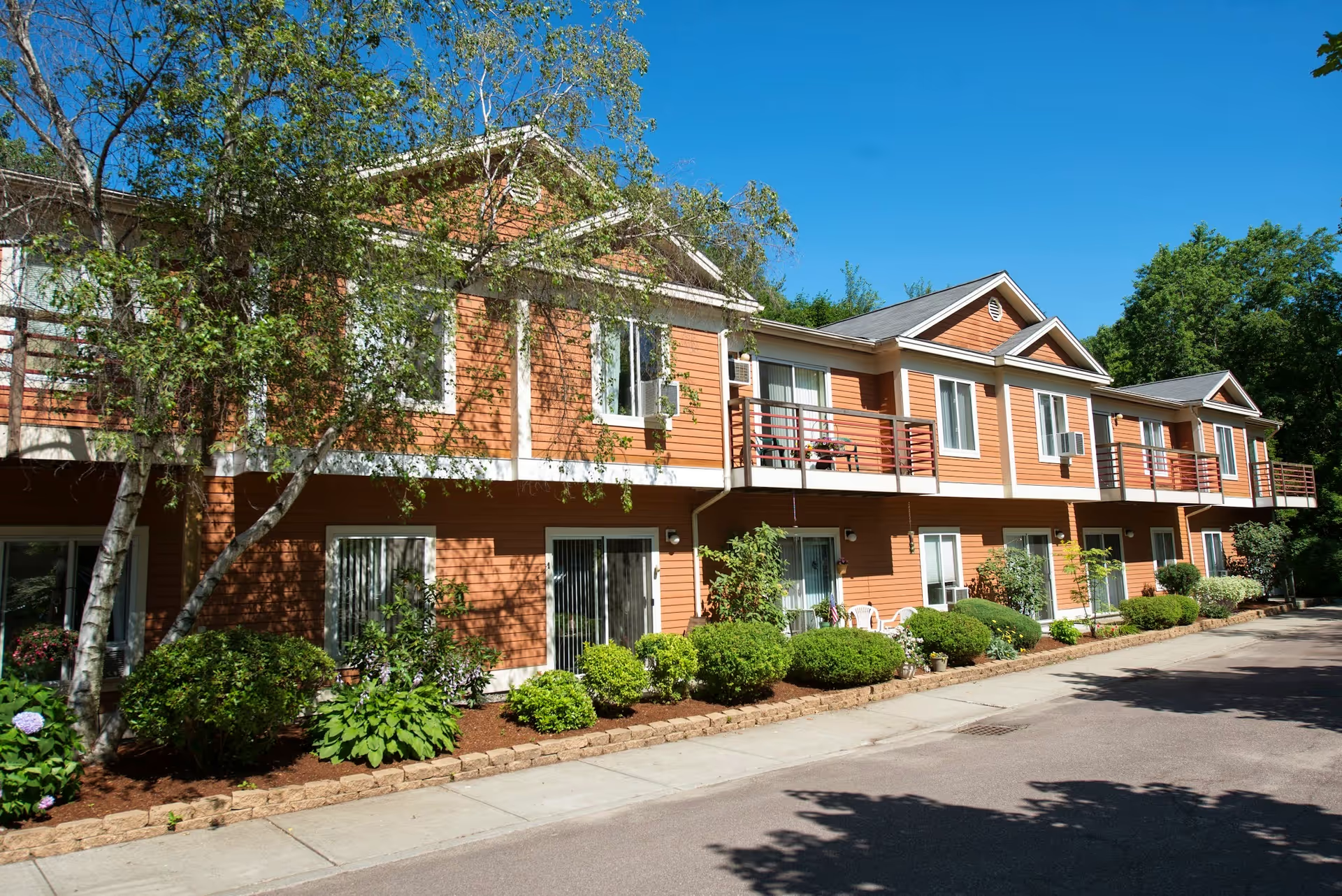
The physical environment is a clear strength: well‑maintained grounds, a welcoming lobby, gleaming floors, and a mix of private and semi‑private rooms that some visitors have personalized to feel homey. The facility is not new and can have a more institutional, hospital‑like atmosphere in parts; this may matter to individuals seeking a less clinical aesthetic. Administrative responsiveness is an operational gap for some families — communication and complaint resolution processes appear uneven — so visitors should inquire about the facility’s family‑communication policies, grievance procedures, and who to contact for clinical questions.
In summary, Woodridge Nursing Home shows notable strengths in rehabilitation, meal customization, cleanliness, and many staff interactions, alongside recurring operational weaknesses around shift consistency, specialized wound/ostomy care, basic‑needs responsiveness, and administrative communication. Families considering this facility should verify clinical protocols for complex care needs, review staffing patterns across all shifts, and tour both private and semi‑private rooms to judge the environment. Those steps will help align expectations with the facility’s demonstrated capabilities and variability.