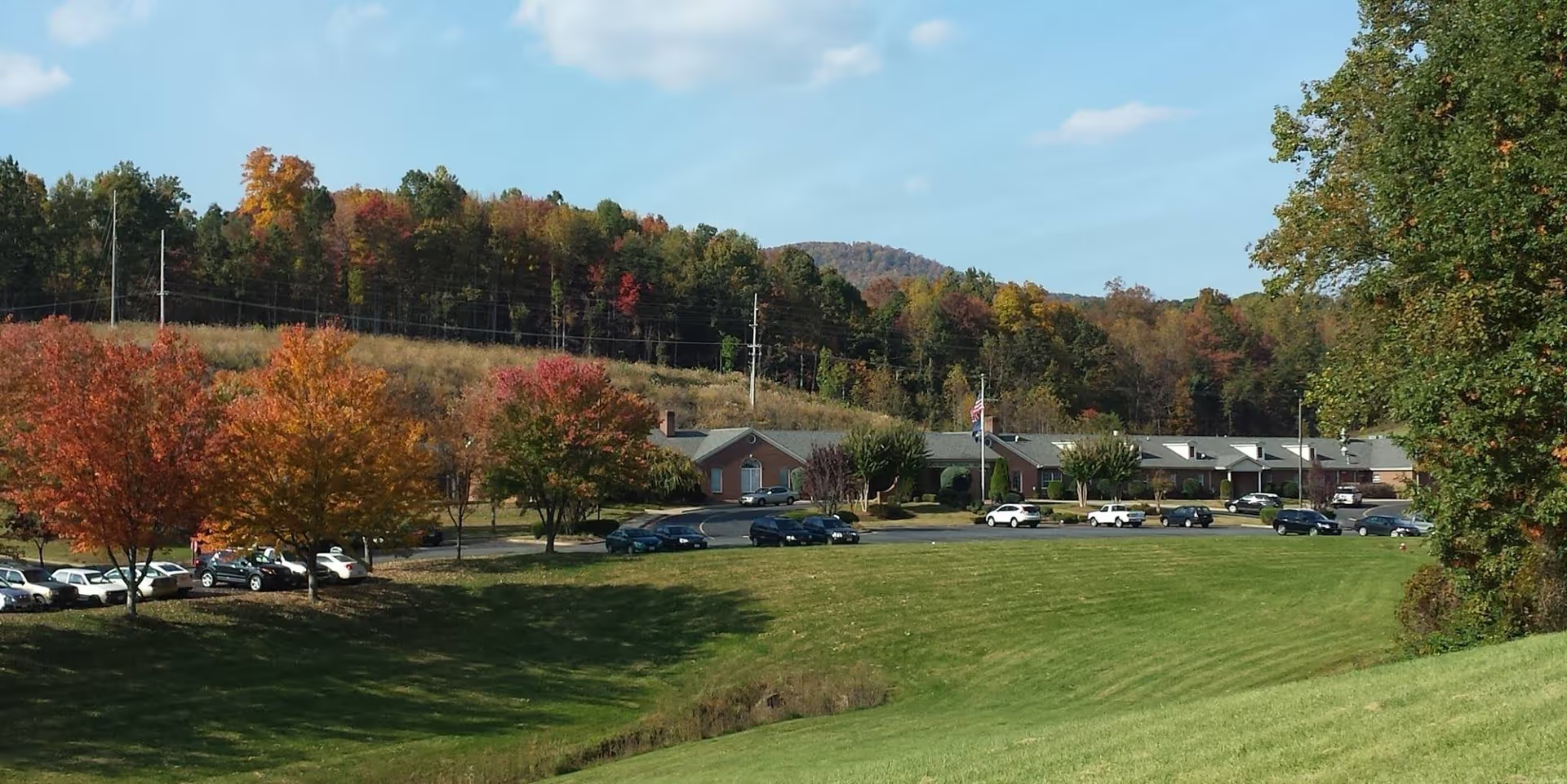
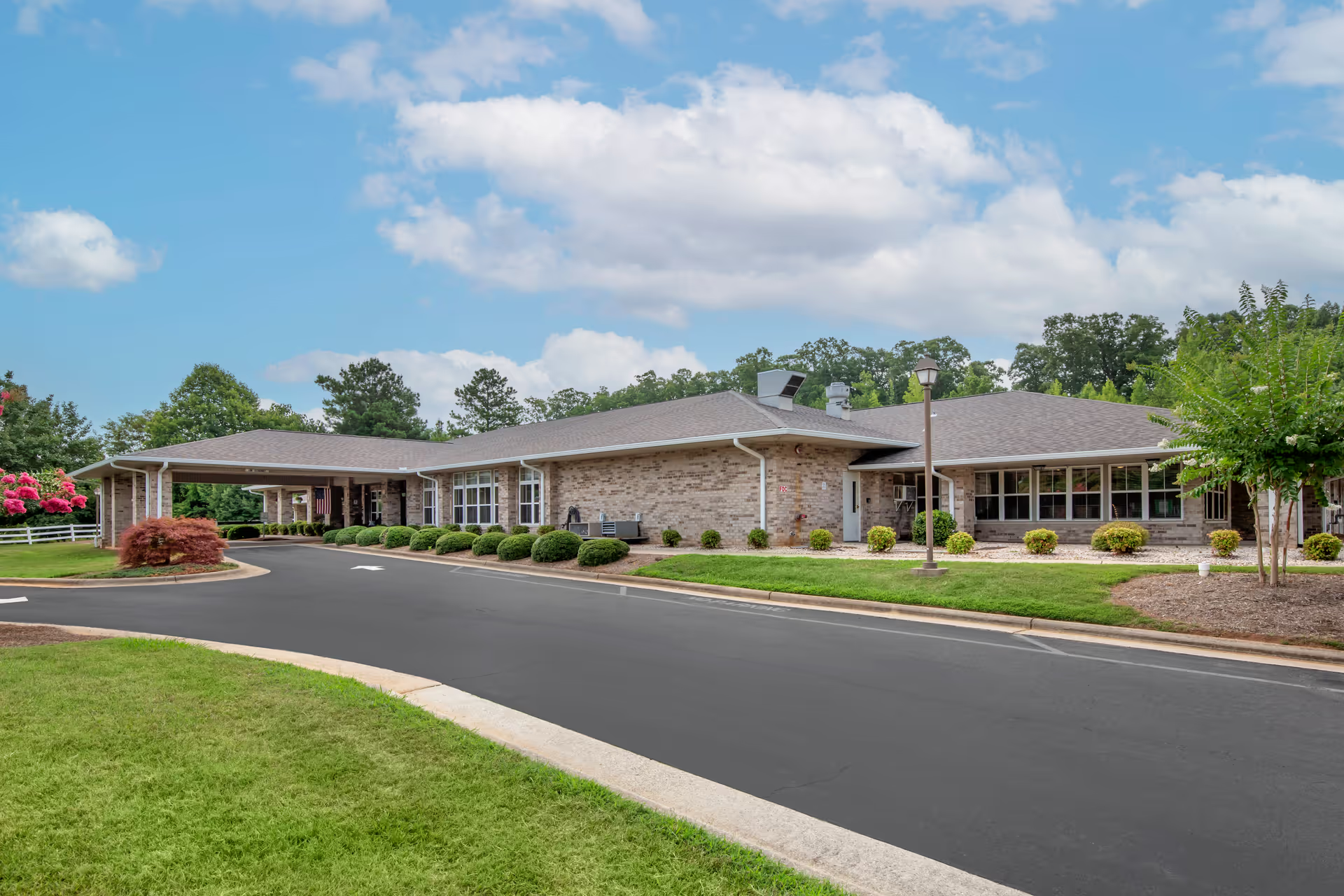
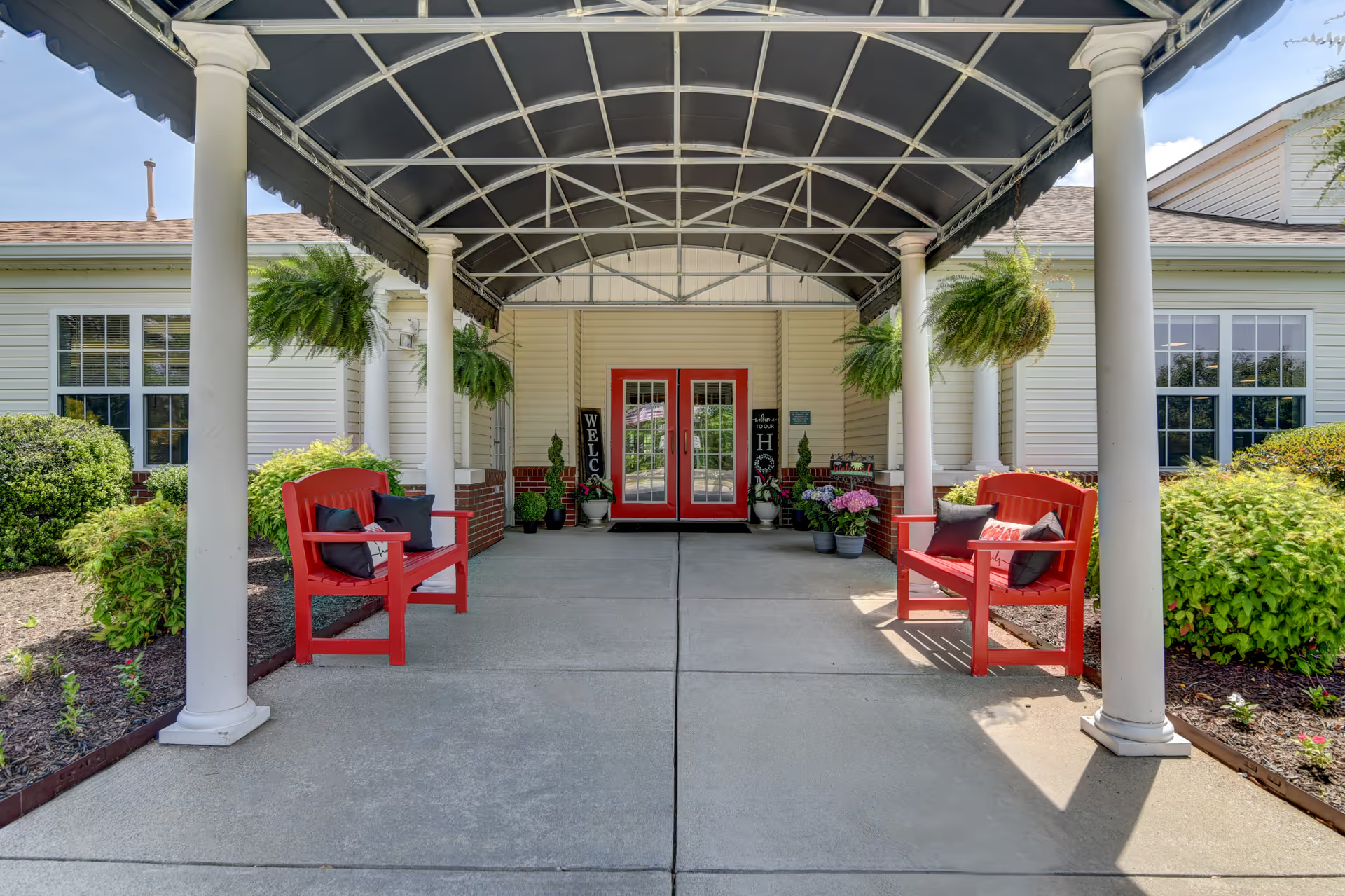
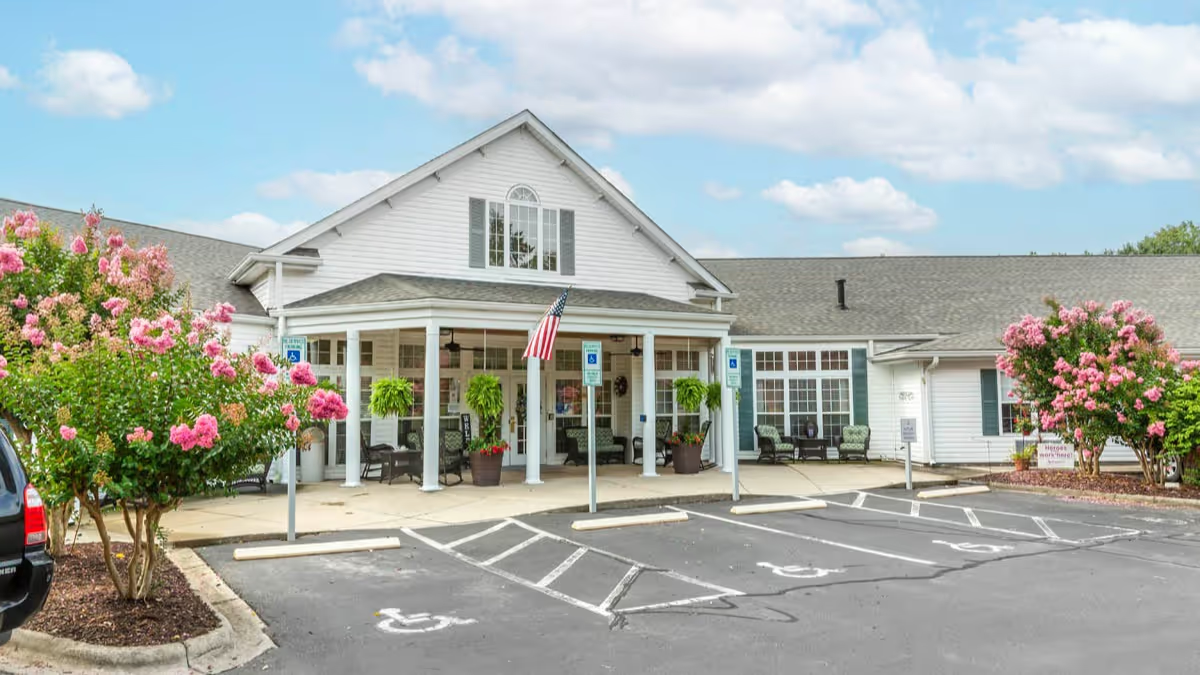
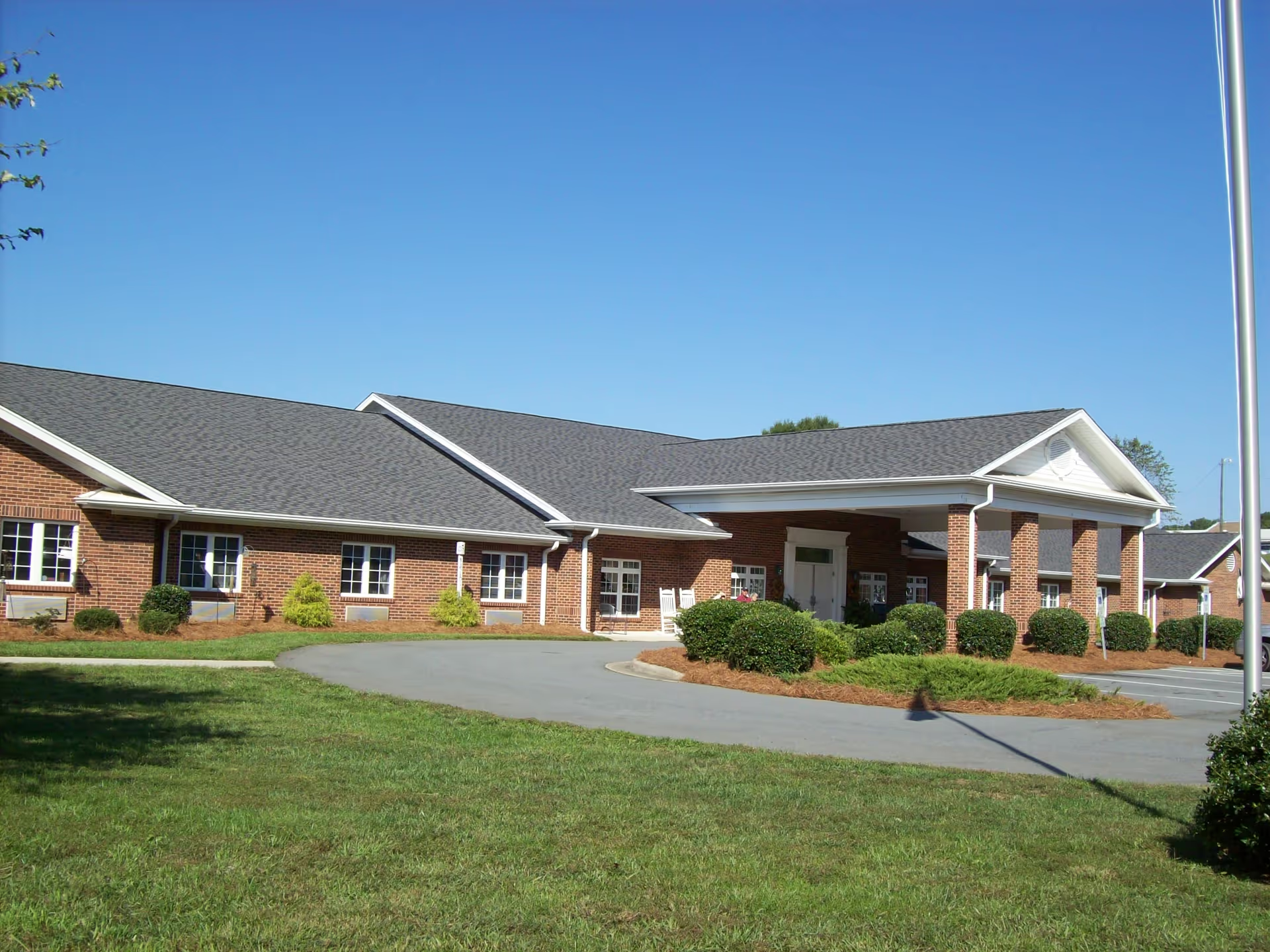
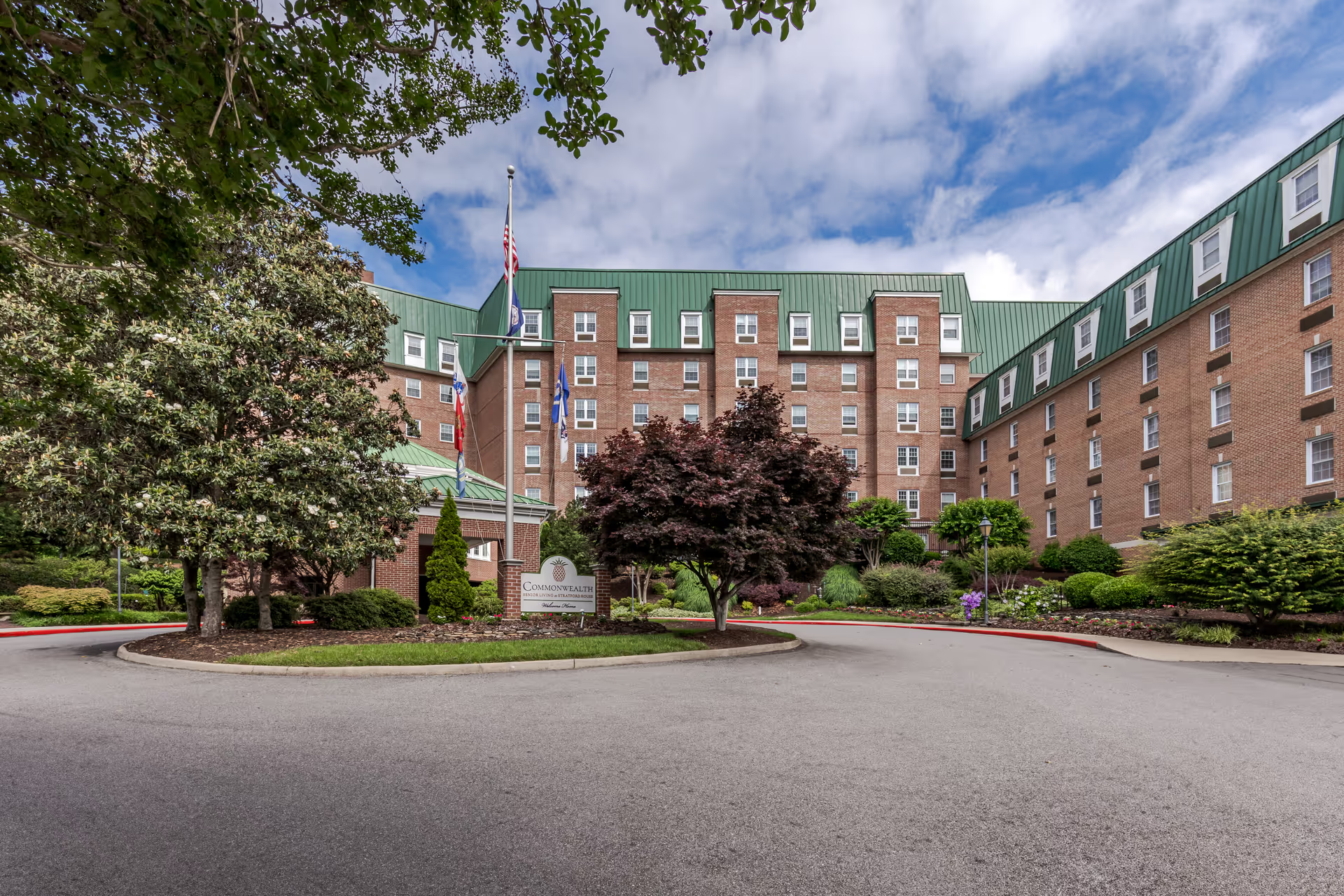
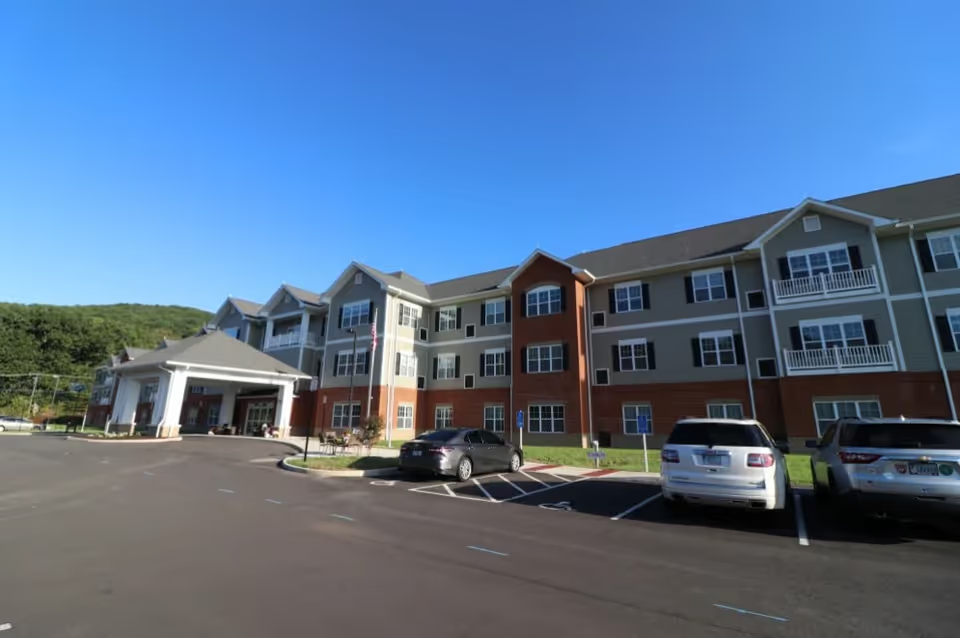
Stanleytown Health and Rehabilitation Center elicits strongly polarized impressions across reviewers. Its most consistent strength is the rehabilitation program: physical and occupational therapy teams are repeatedly described as skilled, creative, and effective at producing functional gains. Reviewers praise the modern gym, adaptive equipment (including use of interactive tools), and therapists by name; many families attribute measurable recovery milestones to the therapy department.
Direct care staff elicit mixed feedback. Numerous comments highlight compassionate, attentive CNAs and caring nurses who provide supportive bedside care and good family communication. At the same time, there is a recurring pattern of operational weaknesses: understaffing and variable shift coverage, slow responses to call bells or personal-care requests, inconsistent bathing and incontinence-care scheduling, and documented concerns about medication administration and medication-record accuracy. Those issues have sometimes been associated with escalation to higher levels of care or family concern about clinical management.
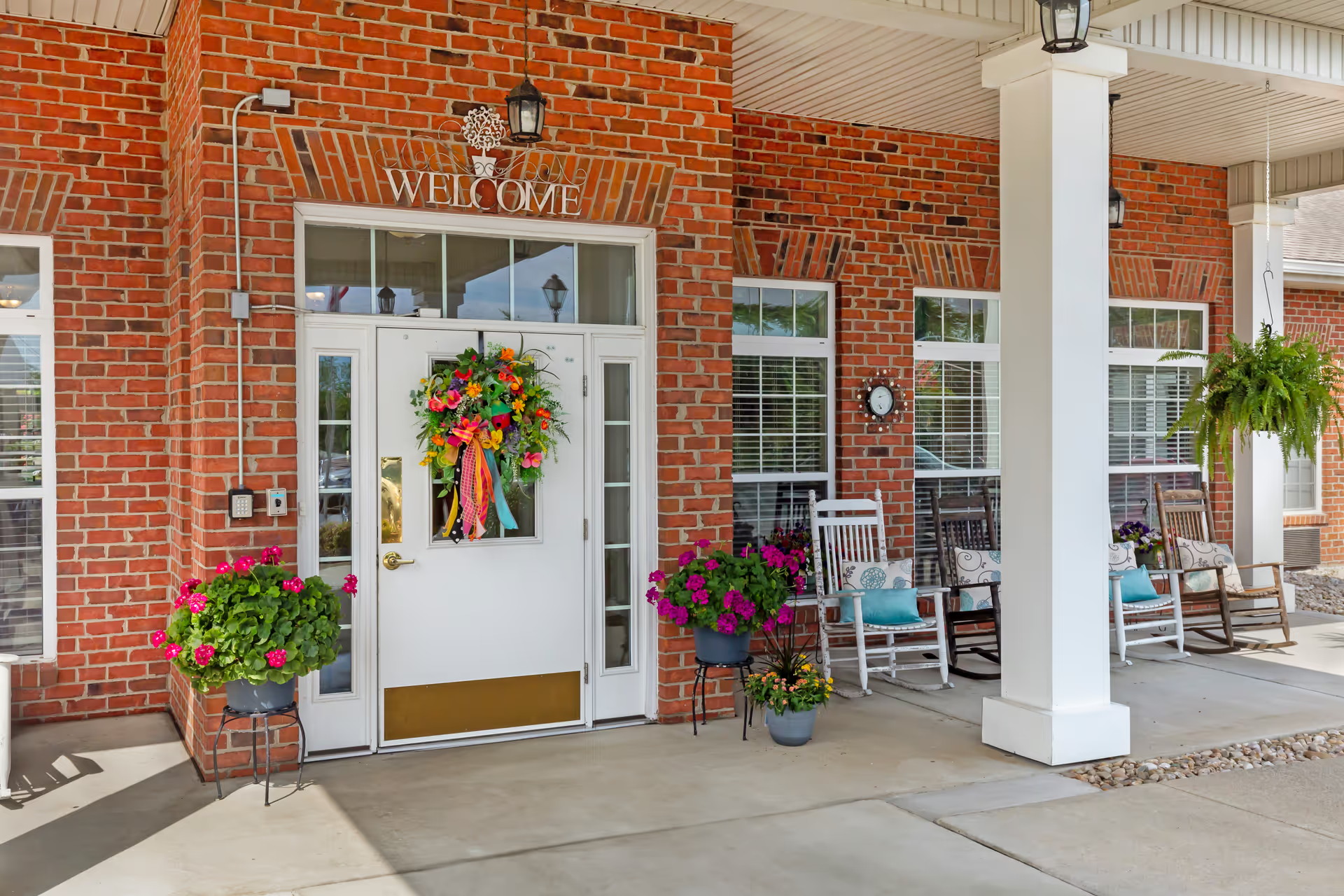
Dining and daily living support are uneven. Several reviewers describe engaging activities, social events, crafts, and a home-like atmosphere that support social well-being. Conversely, food service is described as inconsistent — meals served cold, special-diet errors (including gluten-free tray mix-ups), and occasional missed meals or service interruptions. Housekeeping and facility upkeep are usually characterized as strong: many reviewers note a clean, odor-free environment and orderly common spaces. However, isolated maintenance concerns appear in some accounts (for example, HVAC or localized mold/buildup issues in resident rooms) that prospective families may want to inspect directly.
Management and communication present a bifurcated picture. Some families commend admissions, maintenance, and administrative staff for being responsive and solution-oriented; others criticize administrative tone and decision-making, including concerns about discharge planning and adherence to outside clinical directives. There are also reports of uneven clinical oversight, including limited on-site physician availability and gaps in incident-response processes and family notification following events such as falls or transfers.
Overall pattern: Stanleytown offers a high-quality rehabilitation environment and many caring frontline staff, but operational and clinical-safety processes appear inconsistent. Prospective residents and families who prioritize therapy and a clean, activity-rich setting may find strong value here; those for whom reliable nursing responsiveness, medication controls, consistent meal service, and robust clinical oversight are primary concerns should seek specific reassurances. Recommended pre-admission inquiries include staffing ratios by shift, medication-administration protocols and audit results, physician coverage, meal/diet handling procedures, recent facility maintenance inspections (including HVAC), and examples of how the facility manages incident notification and discharge planning.