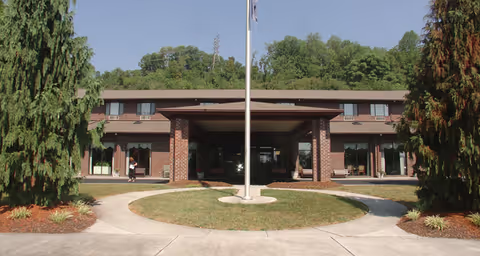
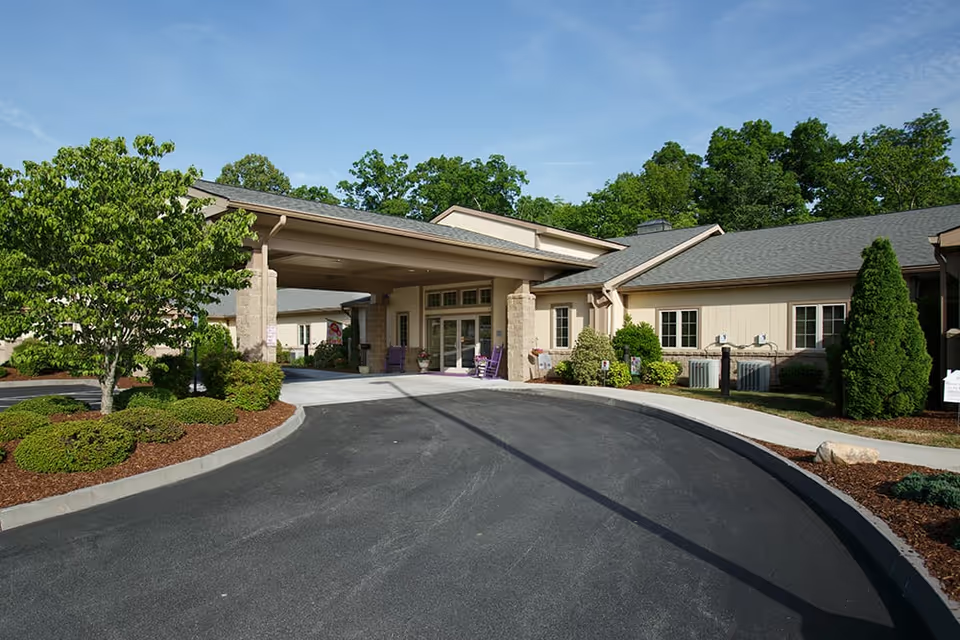
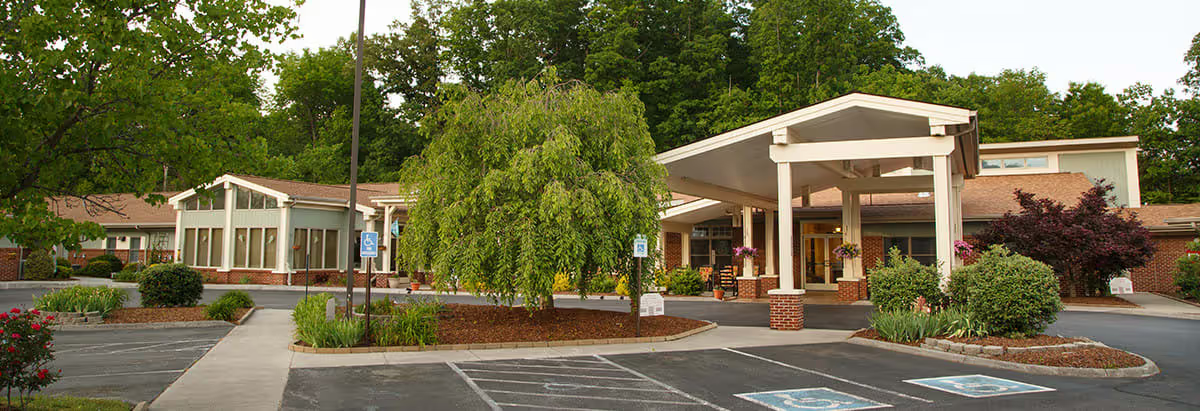
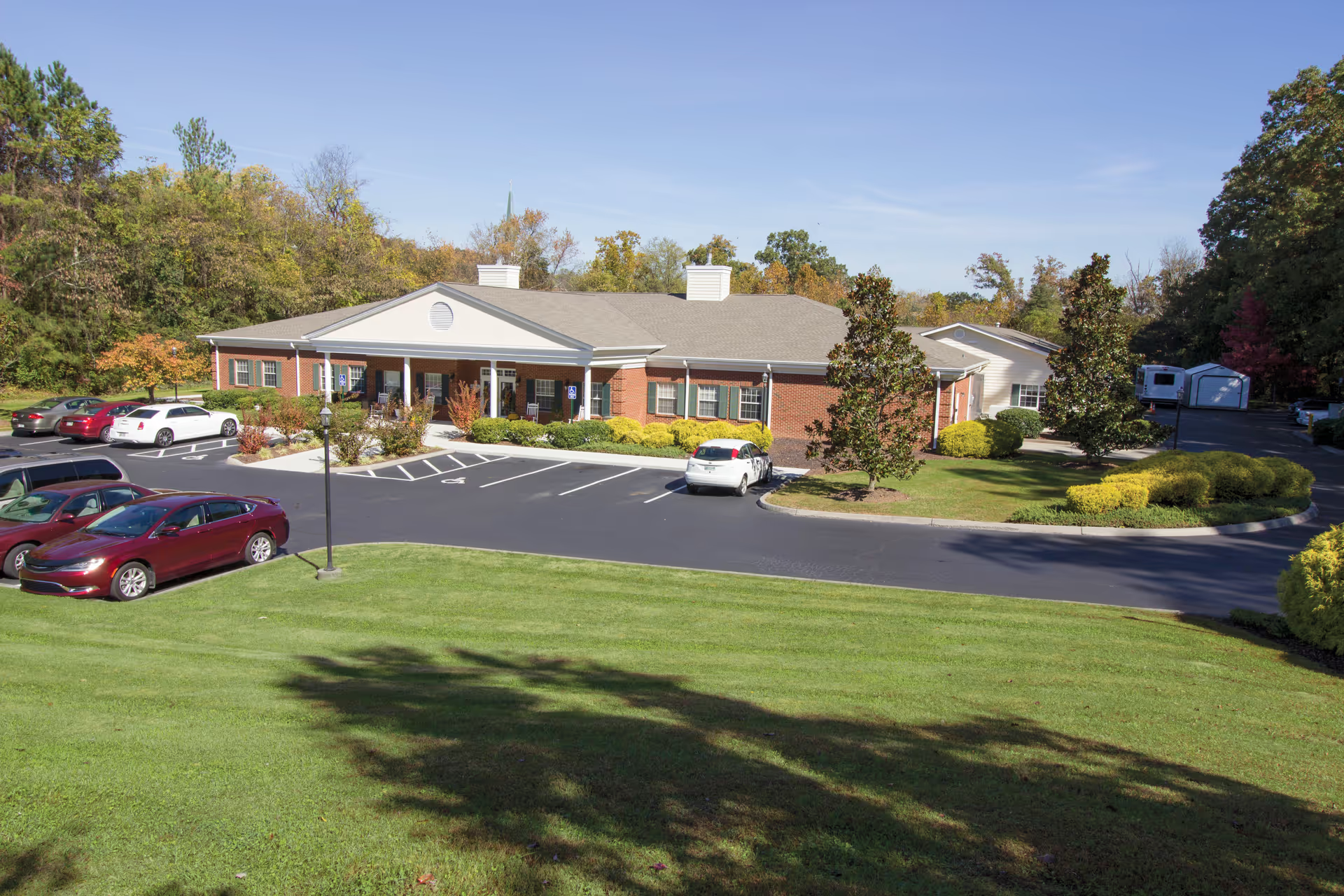
Reviews of Nhc Healthcare - Bristol describe a facility with clear strengths alongside significant operational concerns. Many families highlight compassionate, respectful caregiving staff, effective therapy services, and an on-site physician or attentive clinical team. Reviewers frequently praised engaging daily activities, on-site amenities (beauty shop, common areas, large TV), and meal quality. Several accounts emphasize accessible administration and responsive management that provided reassurance and good family communication, including weekend clinical support.
At the same time, a recurrent pattern of clinical-safety and operational issues appears across reviews. The most serious concerns relate to inconsistent medication administration and clinical monitoring, including delayed or missed doses and problems managing complex regimens. These medication-management lapses are sometimes described alongside delayed symptom control (for example, pain management or breathing treatments) and instances of clinical deterioration requiring hospital transfer. Associated with these clinical concerns are reports of slow response times to call lights and apparent staffing shortages, which reviewers linked to delays in assistance and safety risks for residents.
Care delivery shows marked variability: many families describe knowledgeable, caring nurses and excellent therapy outcomes, while other accounts describe uneven nursing competence and continuity. Safety practices such as transfer and fall prevention were flagged as inconsistent, and some reviewers reported extended waits for assistance after falls or toileting needs; these indicate potential gaps in routine safety protocols. Sanitation and incontinence-care issues are noted in a subset of accounts, and some reviewers described facility areas or situations that suggested inconsistent housekeeping or maintenance. There is also an allegation of an infectious outbreak (E. coli) with concerns about investigation and accountability; that claim underscores the need for transparent infection-control processes.
Dining and activities are generally seen as positive contributors to resident quality of life, though a minority of reviews cited variability in food quality and meal-service continuity. Therapy and rehabilitation services receive frequent praise for helping residents regain function, but reviewers also described occasional disorganization during rehab transitions and limited space in shared rooms that constrains family visits and equipment (oxygen tubing length and room layout were mentioned).
Management and communication exhibit a mixed picture. Many families reported accessible, professional administrators and open communication about care; others experienced adversarial or pressure-filled conversations around insurance, placement, or potential discharge. This inconsistency suggests variability in how policies are communicated and enforced. Overall, prospective residents and families are likely to encounter strong, compassionate staff and useful services at this facility, but they should also assess clinical-safety practices, medication-management controls, staffing levels, room configuration, and the facility’s infection-control and incident-response procedures before making placement decisions.