Chase City Health and Rehab Center is generally described as a compassionate, rehabilitation-focused facility with strengths in nursing care, therapy services, and family communication. Reviewers consistently highlight a caring nursing team and responsive frontline staff who provide regular progress updates and maintain strong lines of communication with families. Admissions processes are frequently characterized as helpful and efficient, and several accounts note quick room placement and assistance with benefits such as Medicaid and Medicare paperwork.
Rehabilitative services appear to be a particular asset: physical and occupational therapy are described as effective, engaging, and goal-oriented, with measurable progress reported by families. The facility offers a range of activities and entertainment — including communal dining, activity spaces, and musical programs — that contribute to a friendly, welcoming atmosphere and support resident engagement. Social work and emotional-support services are also emphasized as compassionate and supportive during transitions.
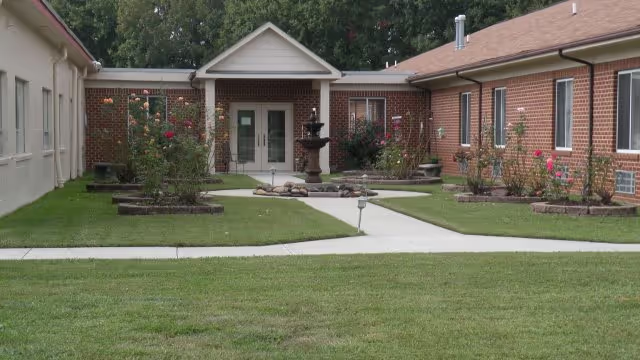
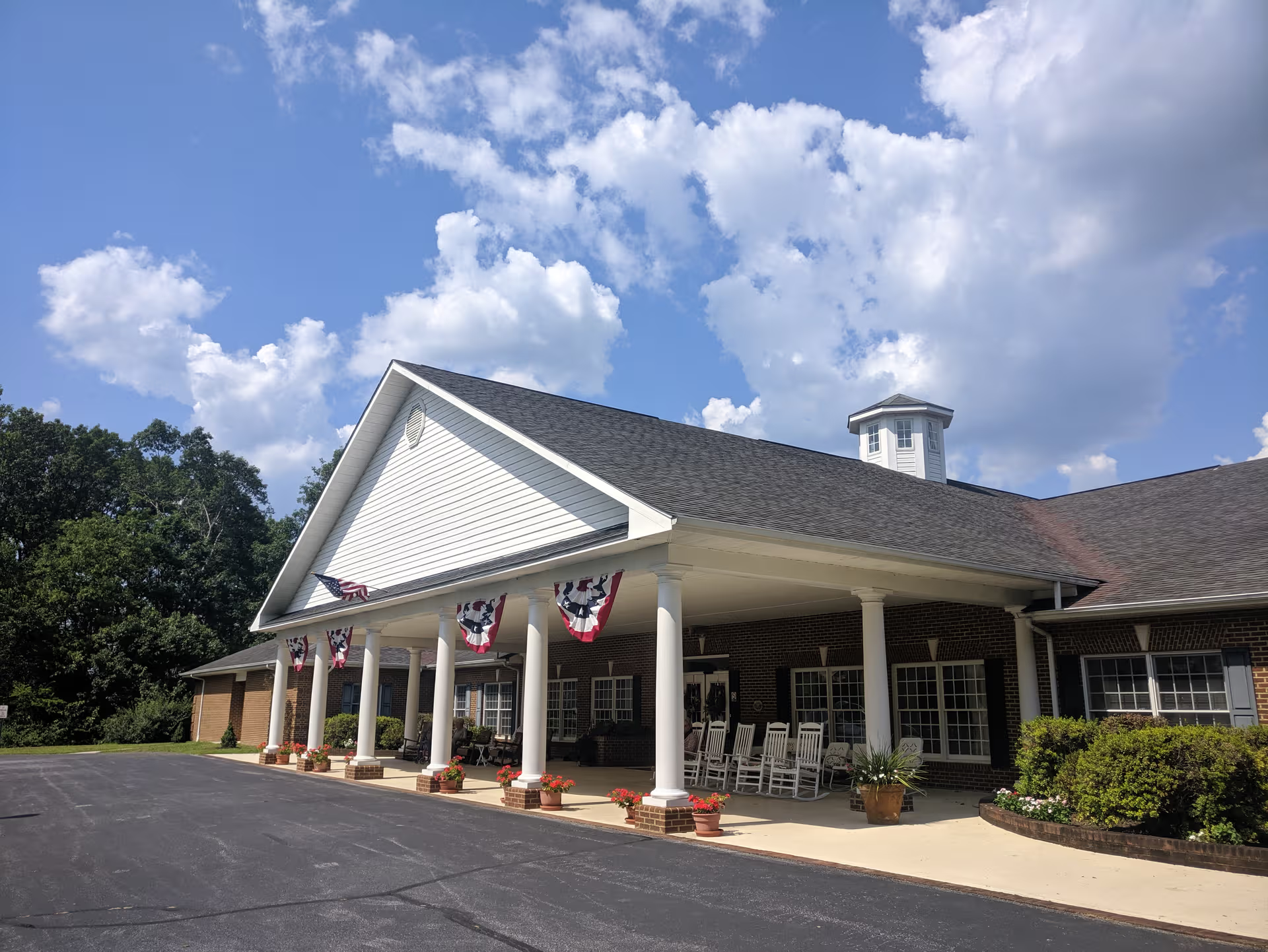
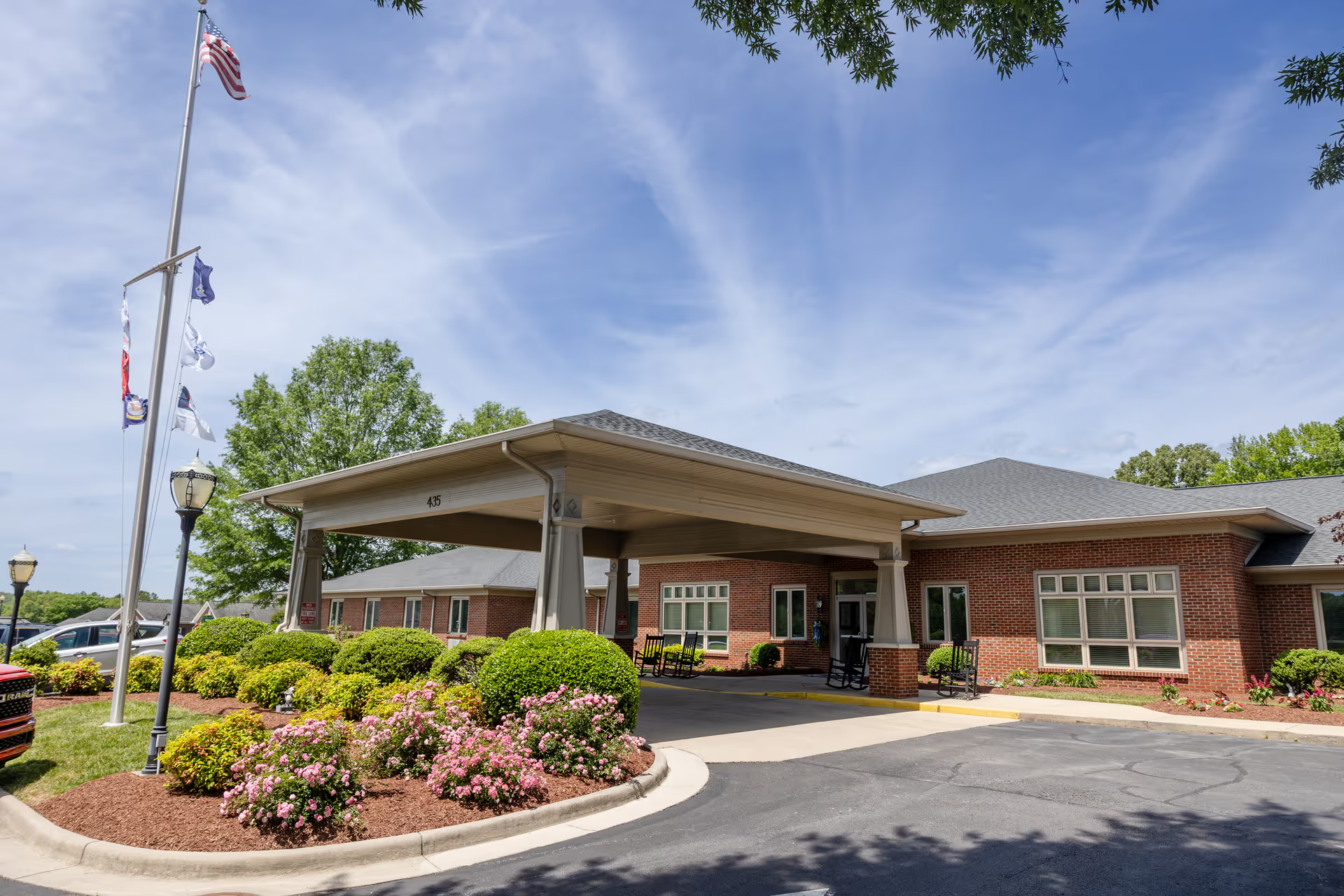
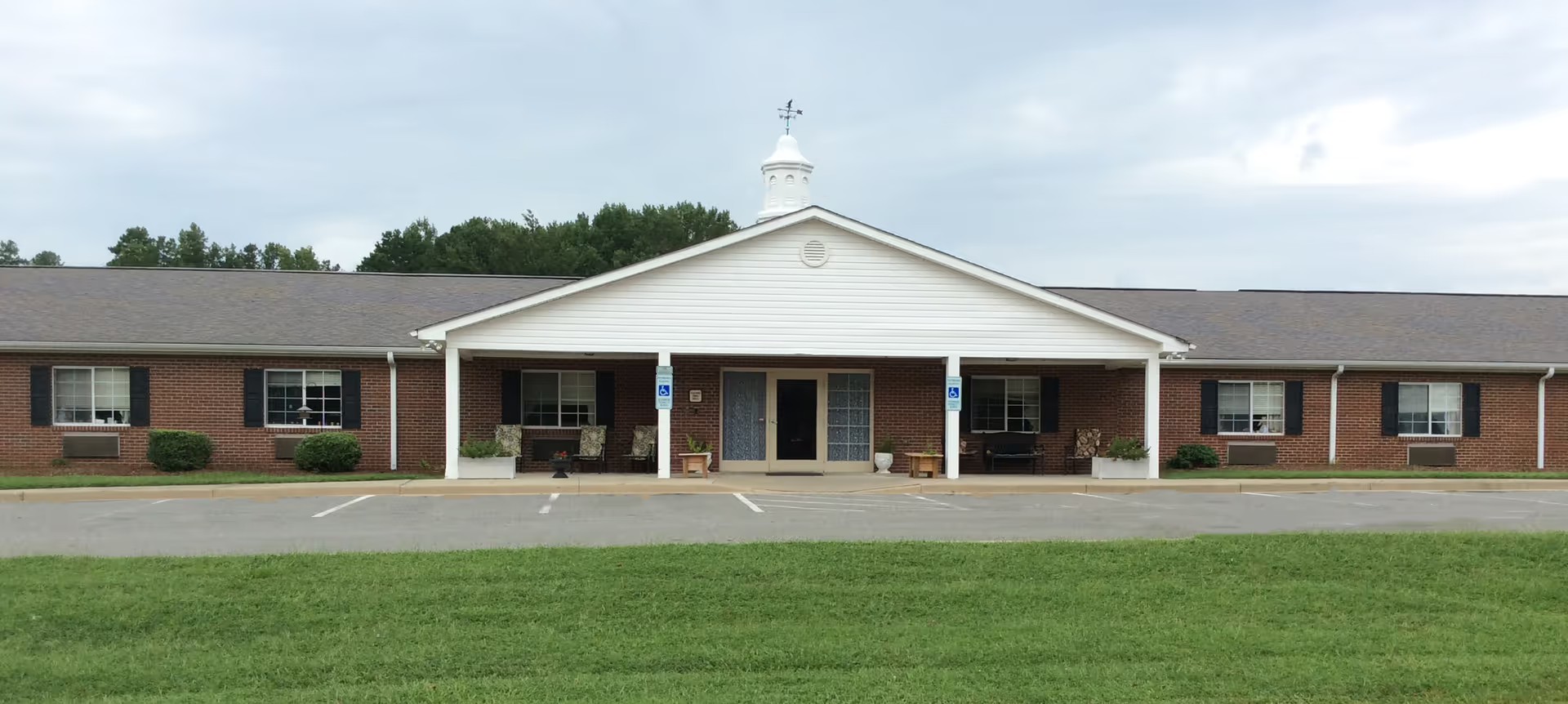
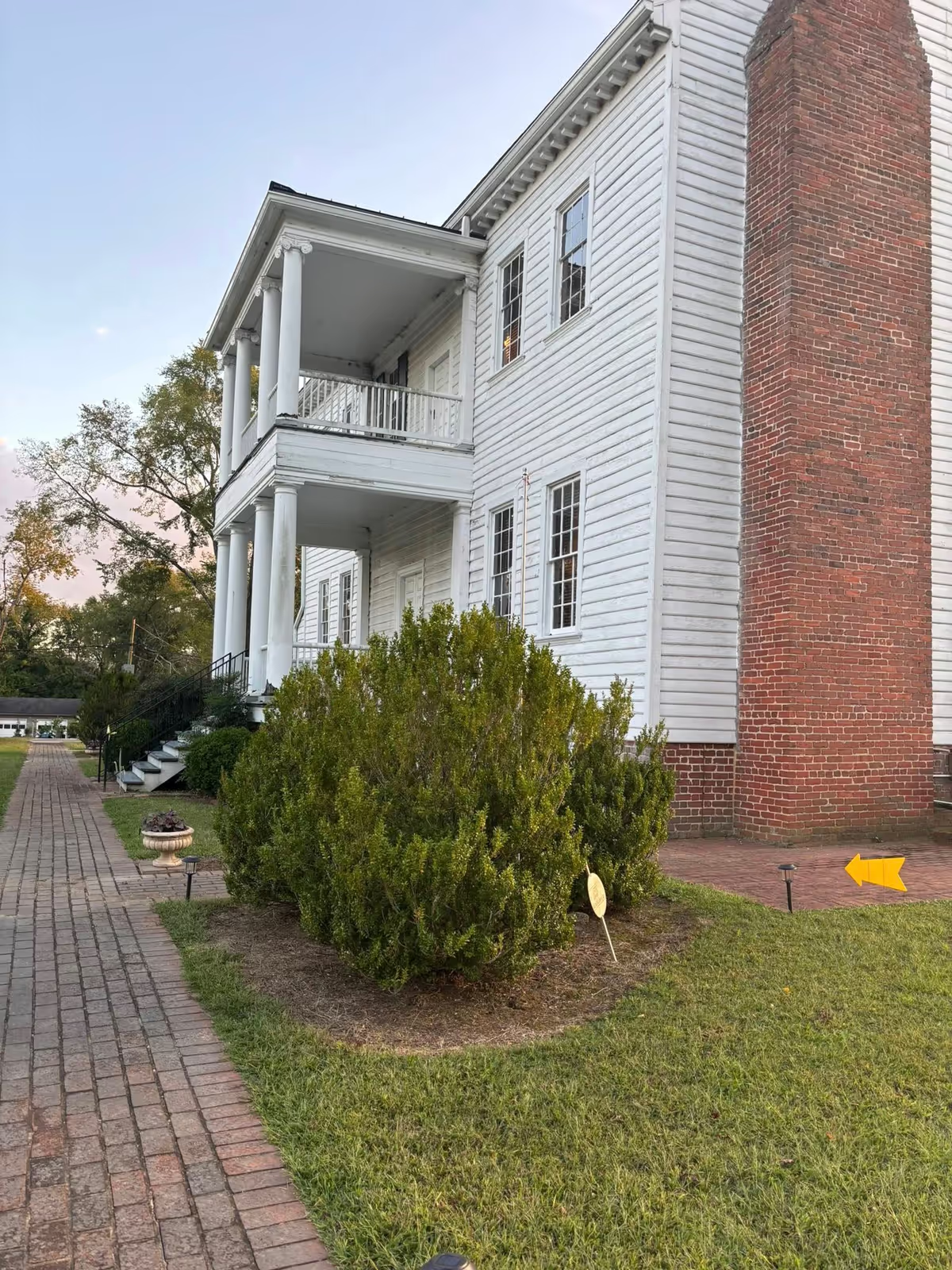
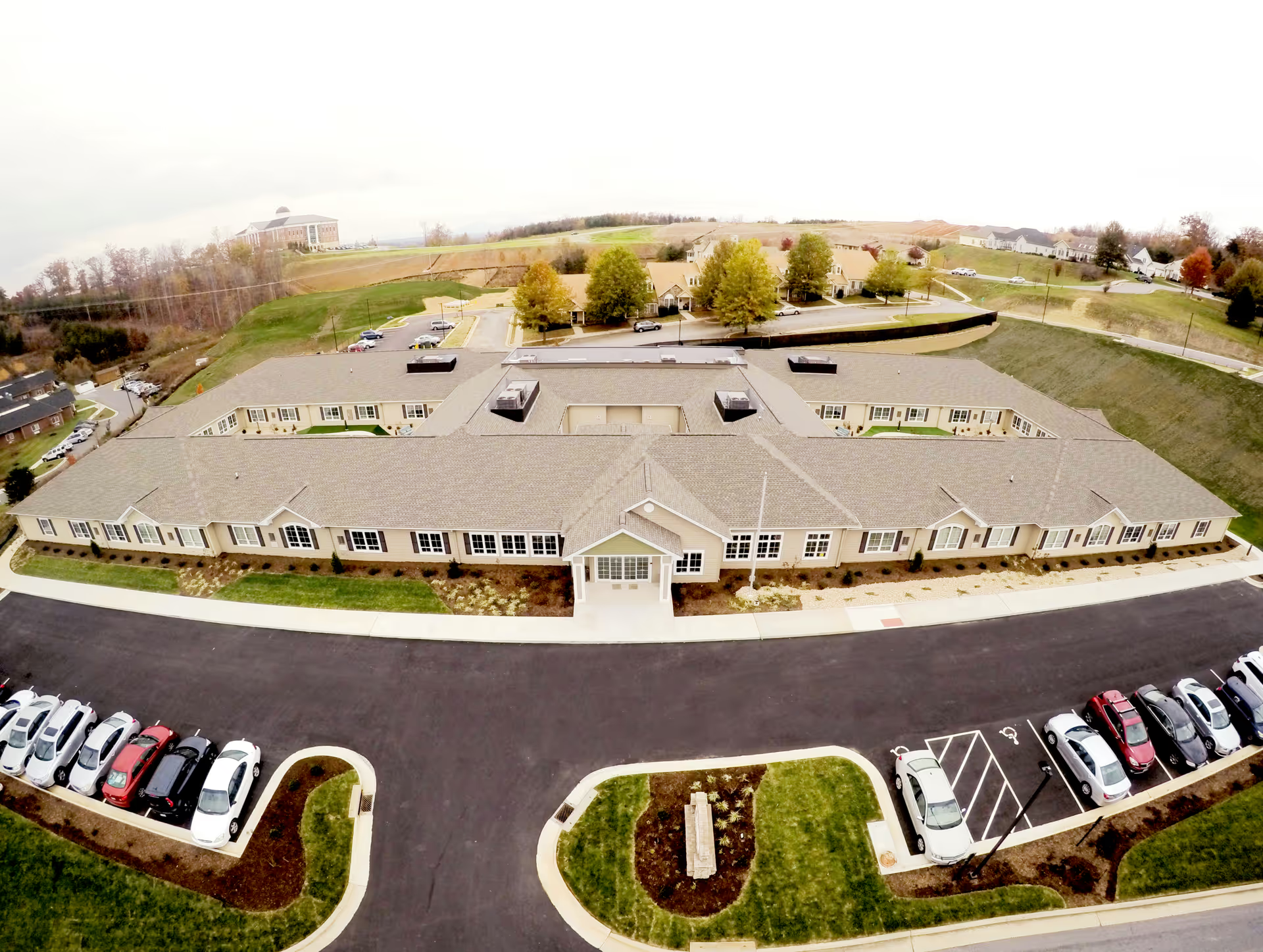
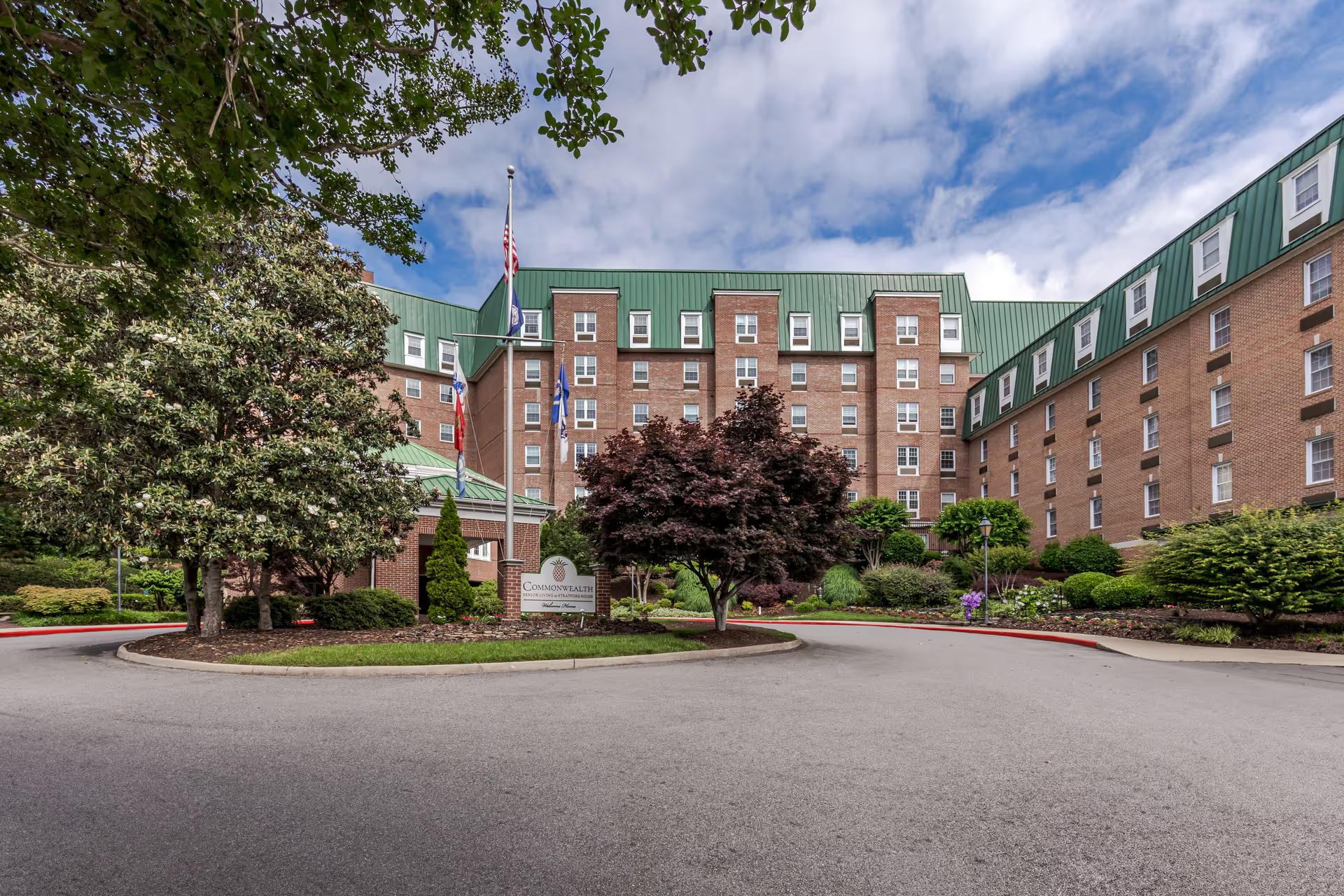
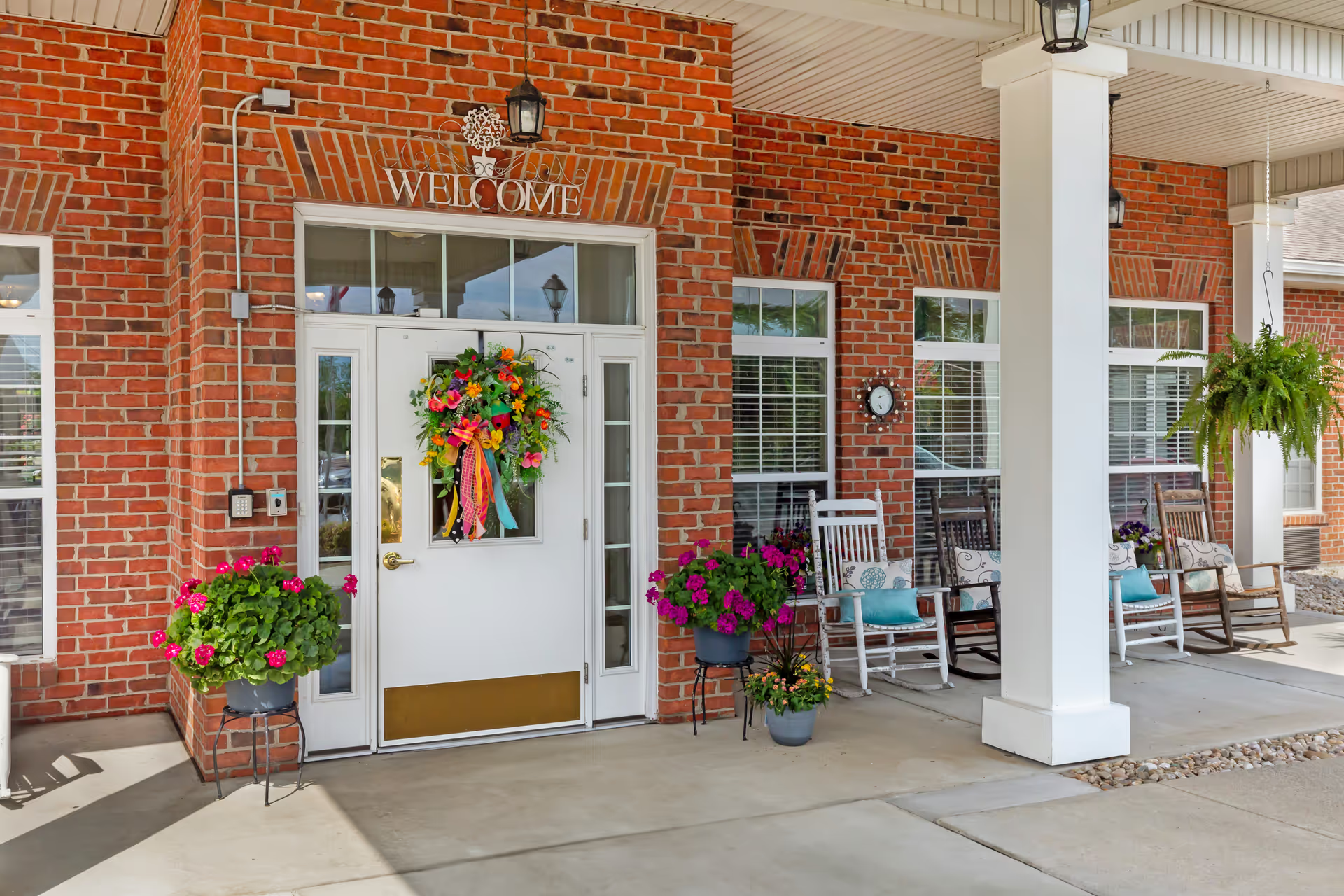
Facility upkeep and resident safety are other positive themes. Rooms and common areas are described as clean and well maintained, with secure-entry systems and resident-safety measures (for example, wandering alerts) in place. Meals are provided three times daily and an open dining area supports social interaction, although the consistency of meal service is addressed separately below.
Patterns of concern center on operational consistency and management responsiveness. Several accounts indicate inconsistent dining service quality and uneven professionalism from kitchen staff, which has led to wrong meals and unsatisfactory interactions on occasion. Perceived understaffing and associated wait times are mentioned as a factor that can affect responsiveness during peak periods. Some families also noted a gap in management follow-through when concerns are raised, which can leave communication and grievance resolution feeling incomplete. The facility’s location is described as distant for some families, which may pose transportation and access challenges.
Overall, the facility is frequently recommended for short-term rehabilitation and for residents who benefit from attentive nursing and active therapy programming. Prospective residents and families should weigh the strengths in clinical care, therapy, and social engagement against operational considerations such as meal-service consistency, occasional staffing constraints, and travel distance when making placement decisions.