The reviews present a mixed but clarifying portrait of the facility. Many families and residents praise the center for its rehabilitation services, cleanliness, and an engaged caregiving staff; others describe substantive clinical and operational problems that warrant careful consideration. Overall, the facility appears to deliver strong therapy-oriented care for residents focused on recovery, while simultaneously exhibiting variability in certain aspects of clinical oversight and day-to-day operations.
Care quality: Rehabilitation, physical and occupational therapy programs receive consistently high marks, and reviewers frequently cite effective wound-care and therapy teams. At the same time, the comments indicate inconsistent medical oversight in some cases — including medication reconciliation and physician involvement — and operational gaps that have implications for clinical safety. Patterns identified include delays in routine clinical assessments and care-plan initiation, inconsistent monitoring during transfers, and pressure-injury prevention shortcomings. These are process-level concerns that prospective families should evaluate directly with the care team.
Staff and communication: Numerous reviews describe staff as attentive, friendly, and helpful, with several instances of strong family communication and administrative assistance. Conversely, there are recurrent remarks about short staffing, inconsistent responsiveness to call alarms, and variability in staff conduct and communication tone. These operational pressures appear linked to delays in attending to resident needs in certain shifts. Asking about staffing ratios, handover procedures, and family-notification protocols would help clarify expectations.
Dining and activities: Dining is generally viewed positively — meals are described as hot and nutritious with choices offered — though a number of comments point to a set-menu approach and limited fresh-fruit options. Activities programming (bingo, daily social activities, seasonal decor) and a rehab-focused schedule are noted as strengths that contribute to resident engagement, even if the atmosphere is described as more clinical than a residential assisted-living setting.
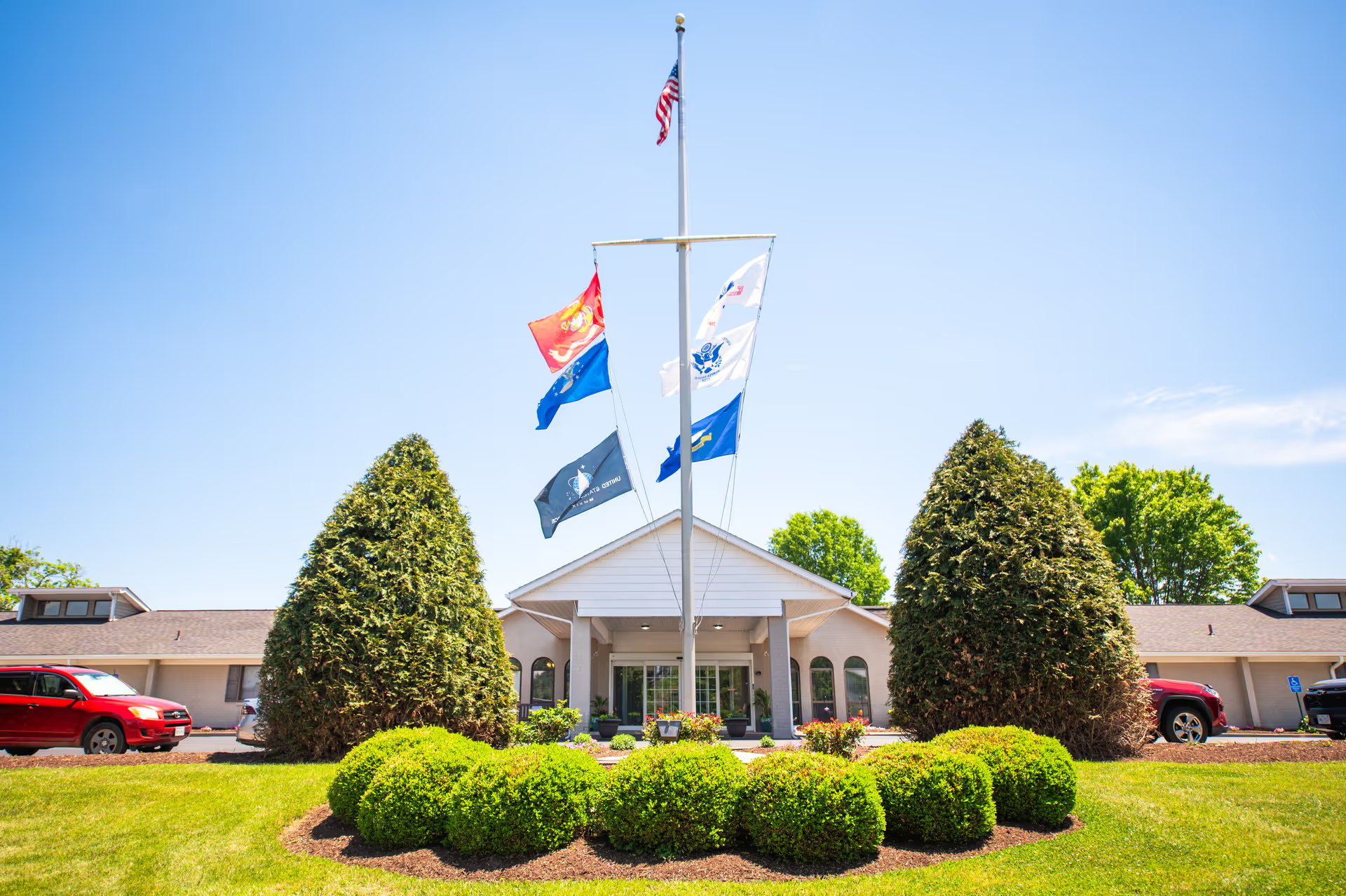
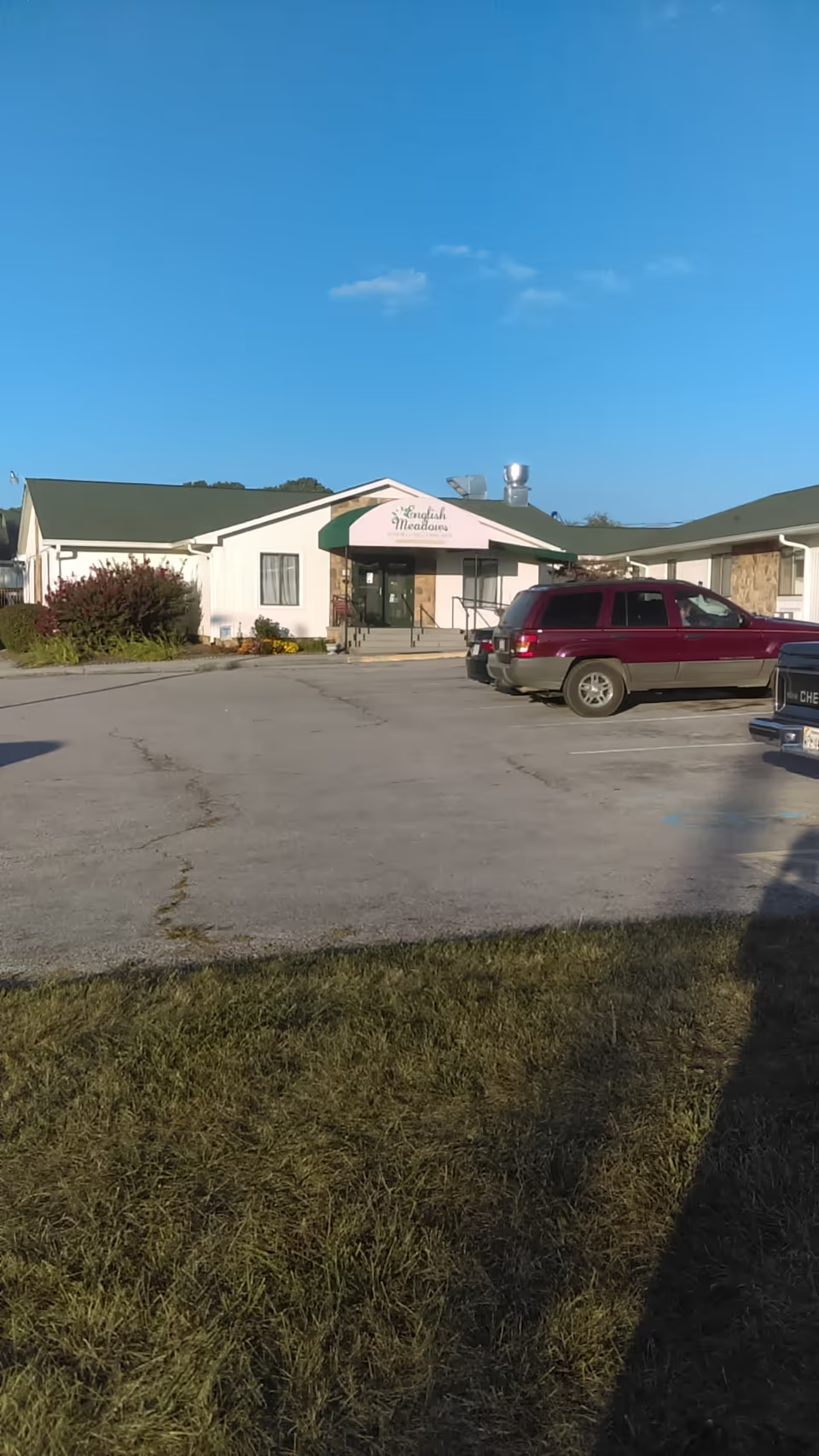
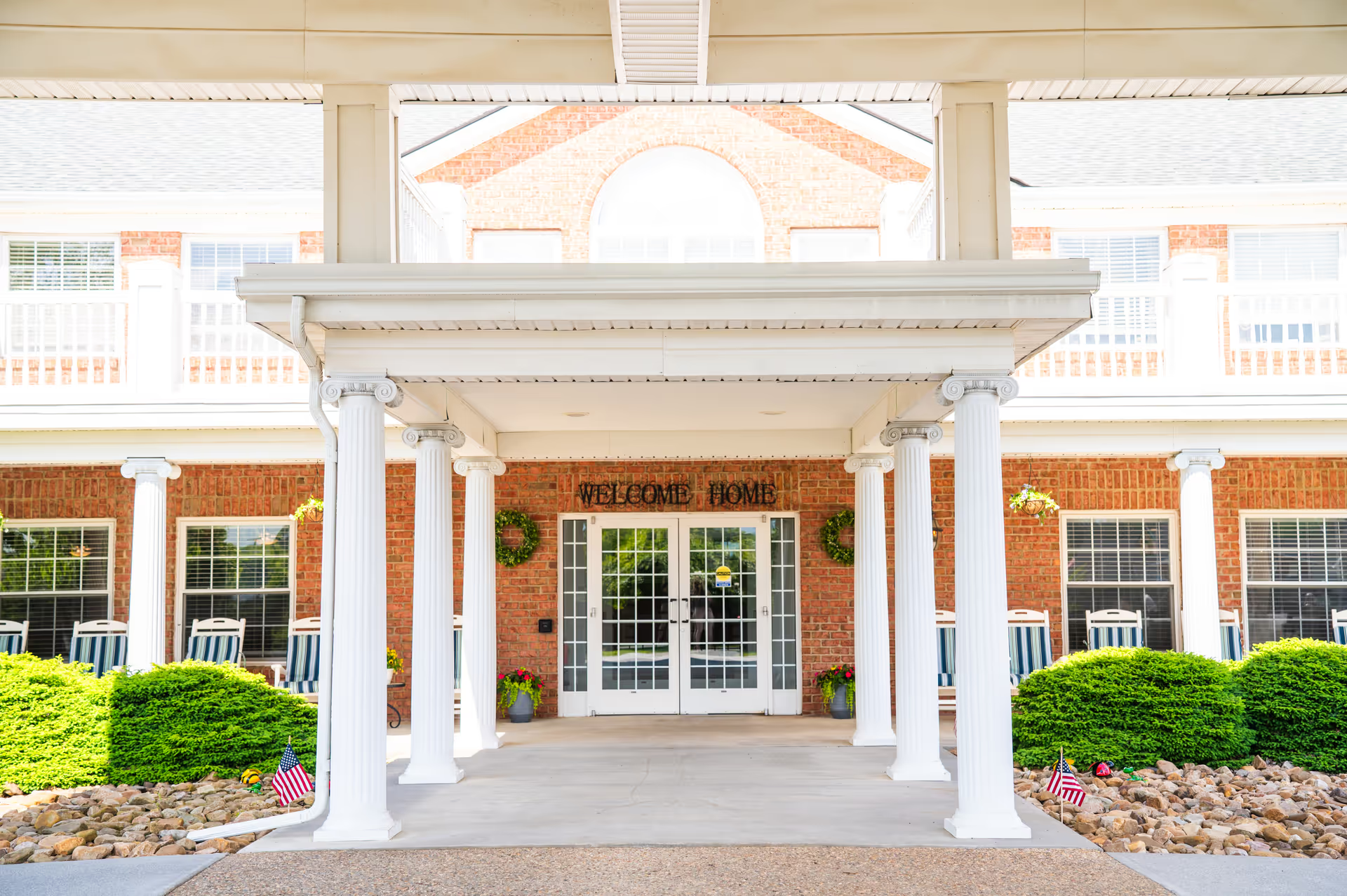
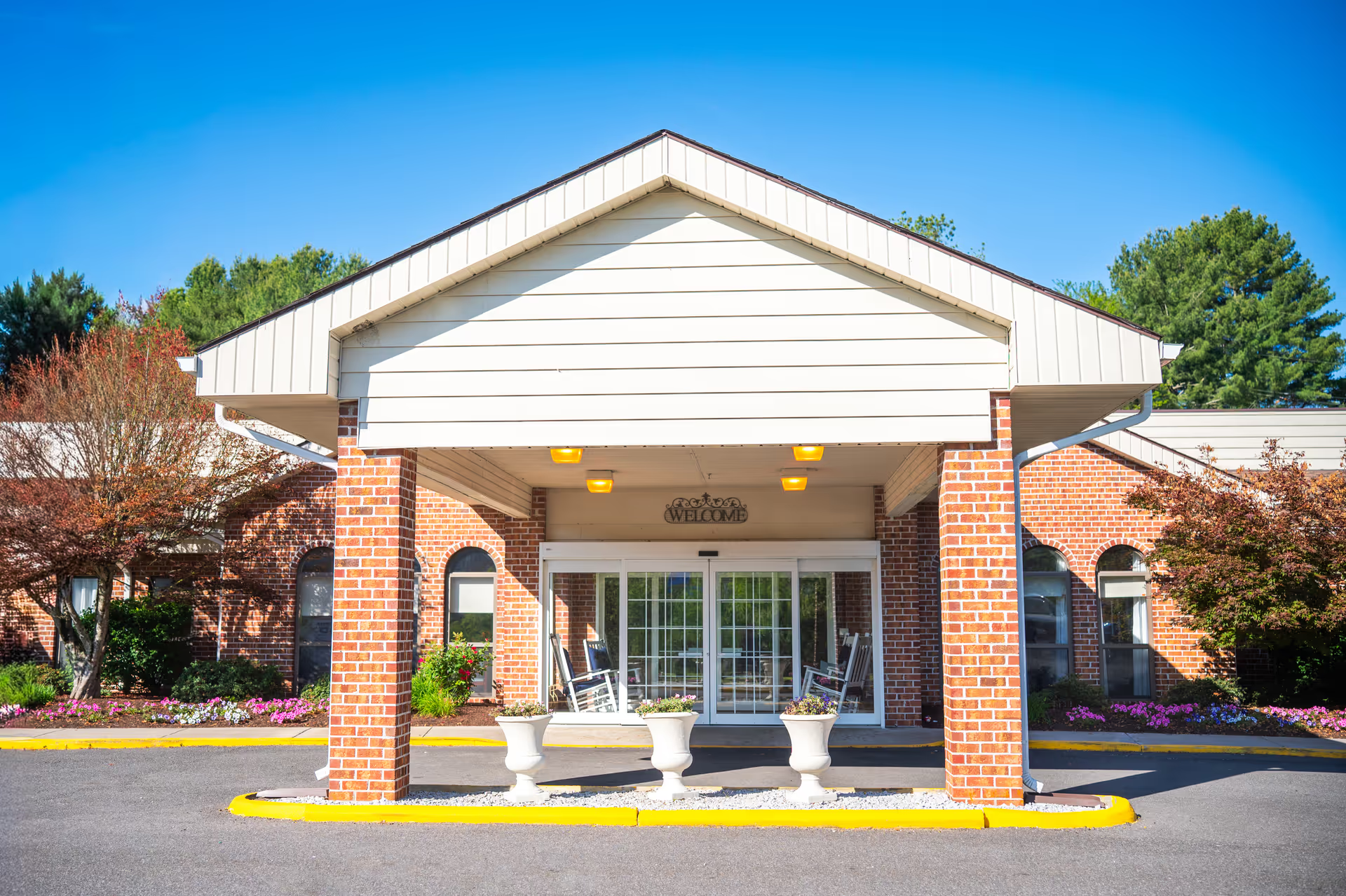
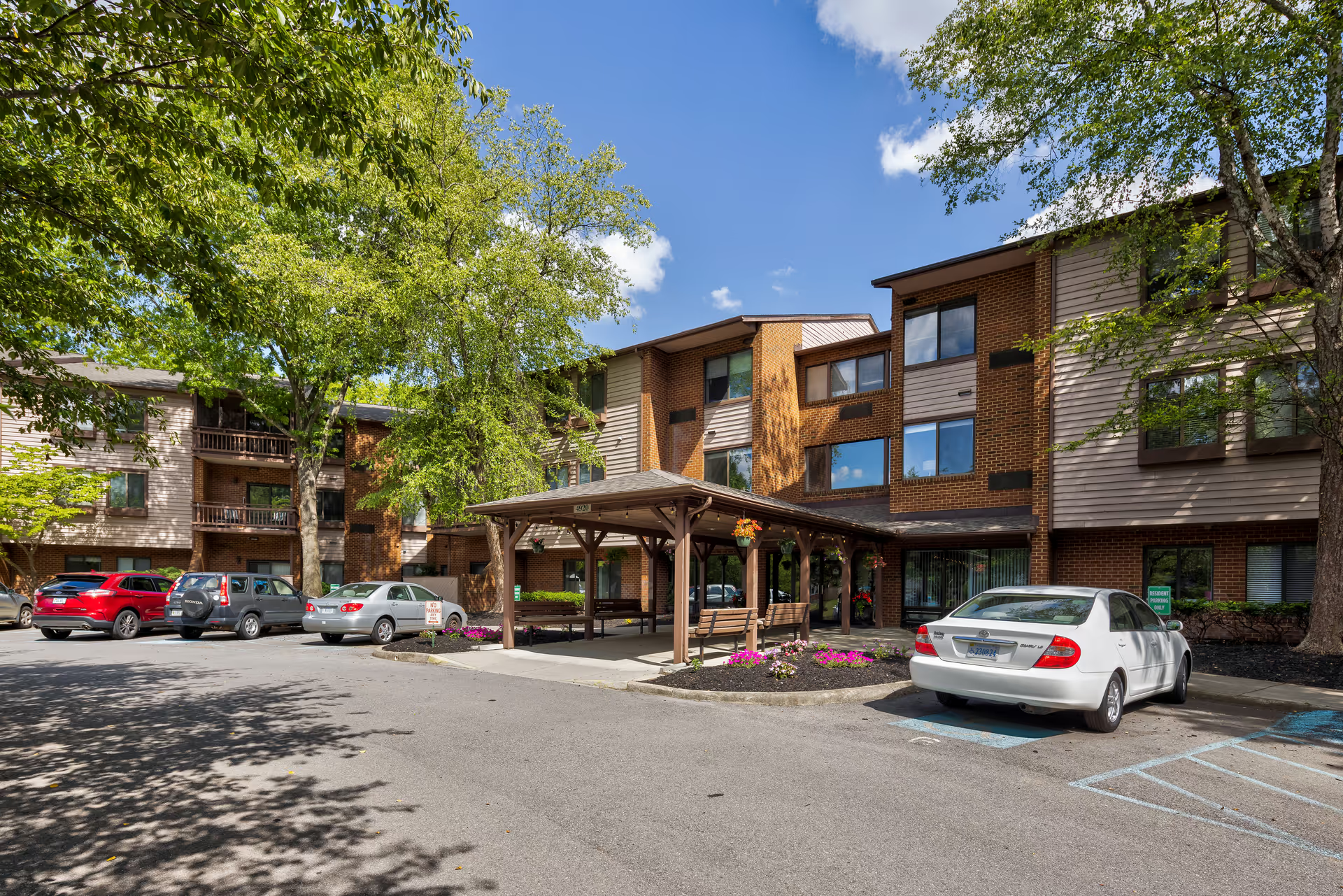
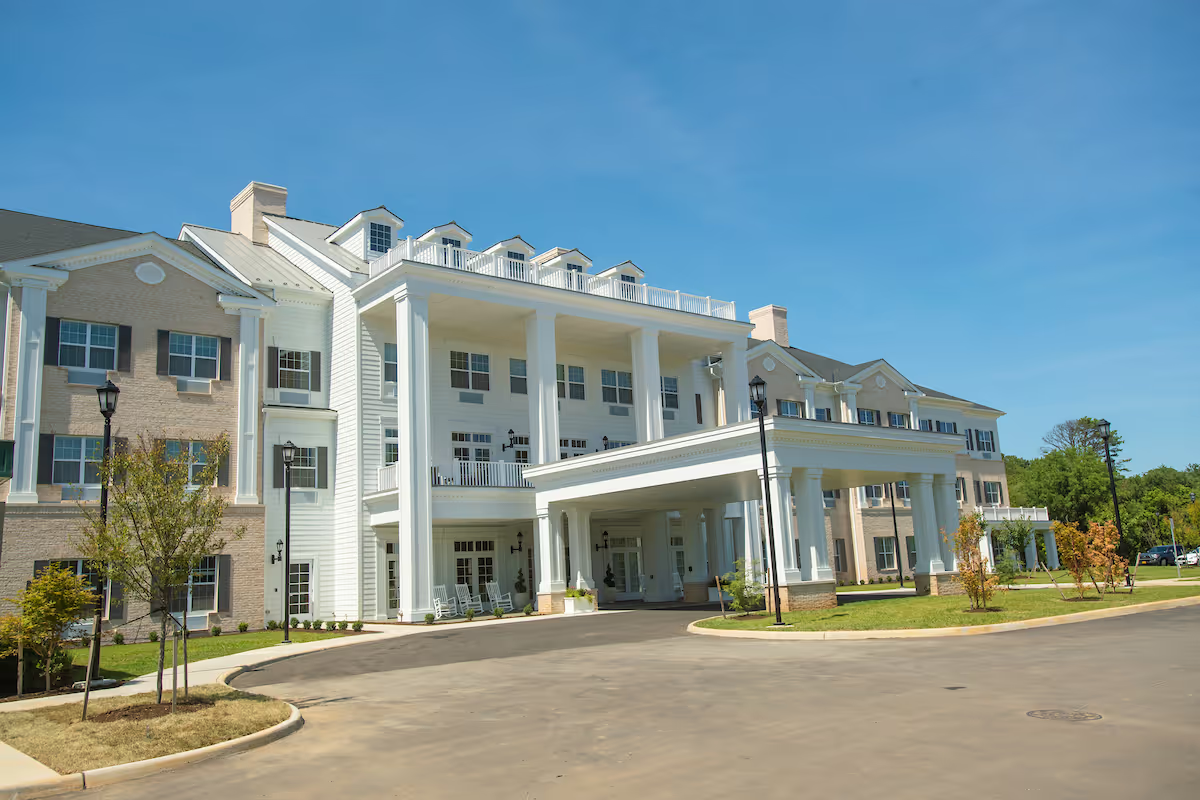
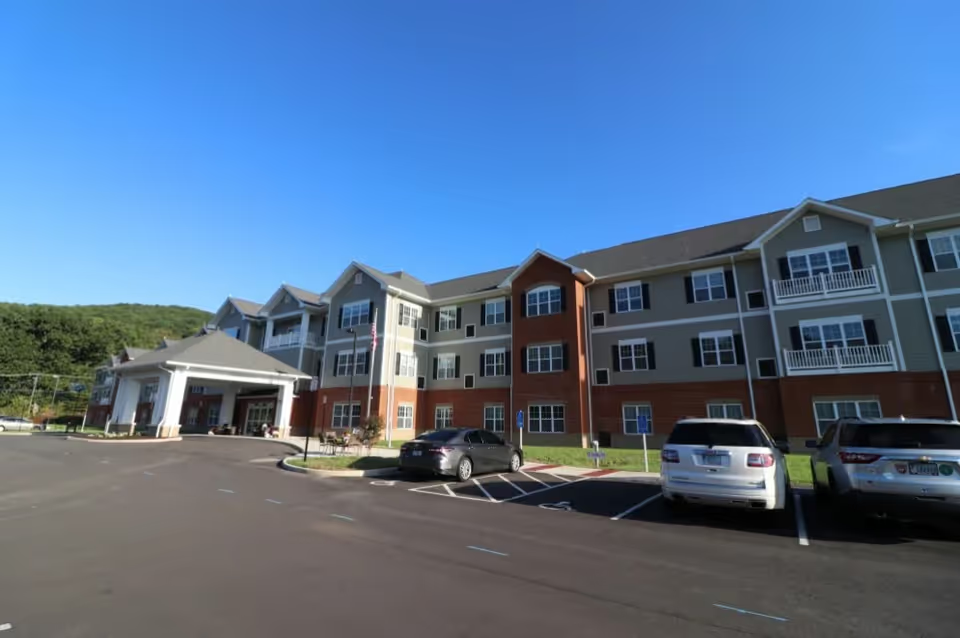
Facilities and hygiene practices: The physical environment is frequently praised for cleanliness, spacious rooms, and the ability to personalize accommodations. At the operational level, reviewers raise concerns about infection-control consistency and certain equipment maintenance or supply shortfalls. Prospective families should review current infection-prevention policies, equipment availability, and routine maintenance logs when evaluating the setting.
Management and operations: Administrative staff receive positive comments for assistance with placement and insurance coordination in many accounts. However, recurring operational weaknesses include unreliable transportation/appointment coordination, delays in care-plan implementation, and uneven clinical oversight. These are facility-level process items that can meaningfully affect resident experience and safety.
Bottom line: For prospective residents seeking strong rehabilitative services in a clean, service-oriented setting, this facility offers clear strengths. Families should, however, perform targeted due diligence around physician involvement and medication processes, pressure-injury prevention and incontinence care, staffing patterns and response times, infection-control practices, and transportation logistics. Direct questions to administration about these specific policies, recent quality audits, and current staffing levels will help clarify whether the facility’s strengths align with an individual resident’s clinical and daily-living needs.