Regency Care Center at Monroe presents a mixed picture across clinical care, amenity quality, and management practices. Reviewers consistently praise the facility's rehabilitation services and therapy team, noting strong outcomes for short-term stays, attentive therapists, and helpful coordination through admission and discharge. Housekeeping and public-area maintenance are frequently described positively: common areas are clean, smell pleasant, and rooms are generally large. Many families report a warm, family-like culture on some units, with staff who know residents by name and provide compassionate day-to-day support.
Care-quality impressions vary by unit. The rehabilitation side receives consistently favorable feedback for physical, occupational, and speech therapy and for enabling successful recoveries. In contrast, accounts of long-term care—particularly the dementia unit—raise concerns about the level of specialized support and programming available. Reviewers describe operational patterns that suggest uneven staffing coverage and limited capacity to meet higher-dependency needs; these patterns are associated with delays in routine care tasks and frustrations around honoring resident preferences. There are also significant concerns about medication practices and recordkeeping stability; reviewers indicate instances of missed or inconsistent medication administration and documentation shortfalls, which warrant direct inquiry by prospective families.
Staff interactions are described as both a strength and a stress point. Many families highlight kind, responsive aides and nurses who provide peace of mind, while other comments point to problematic communication tone and conduct in certain situations. A small number of more serious allegations concerning retaliatory behavior or disrespectful treatment have been raised; these are notable because they affect trust and should prompt specific questions during a tour or in follow-up with administration and regulators.
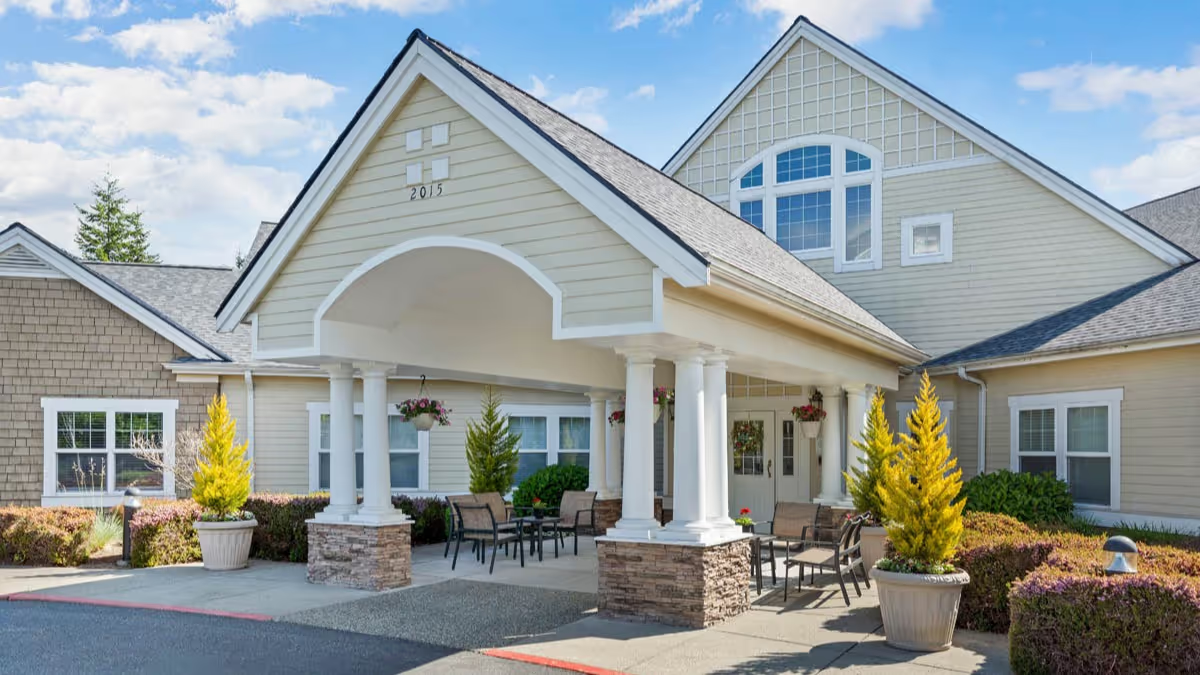
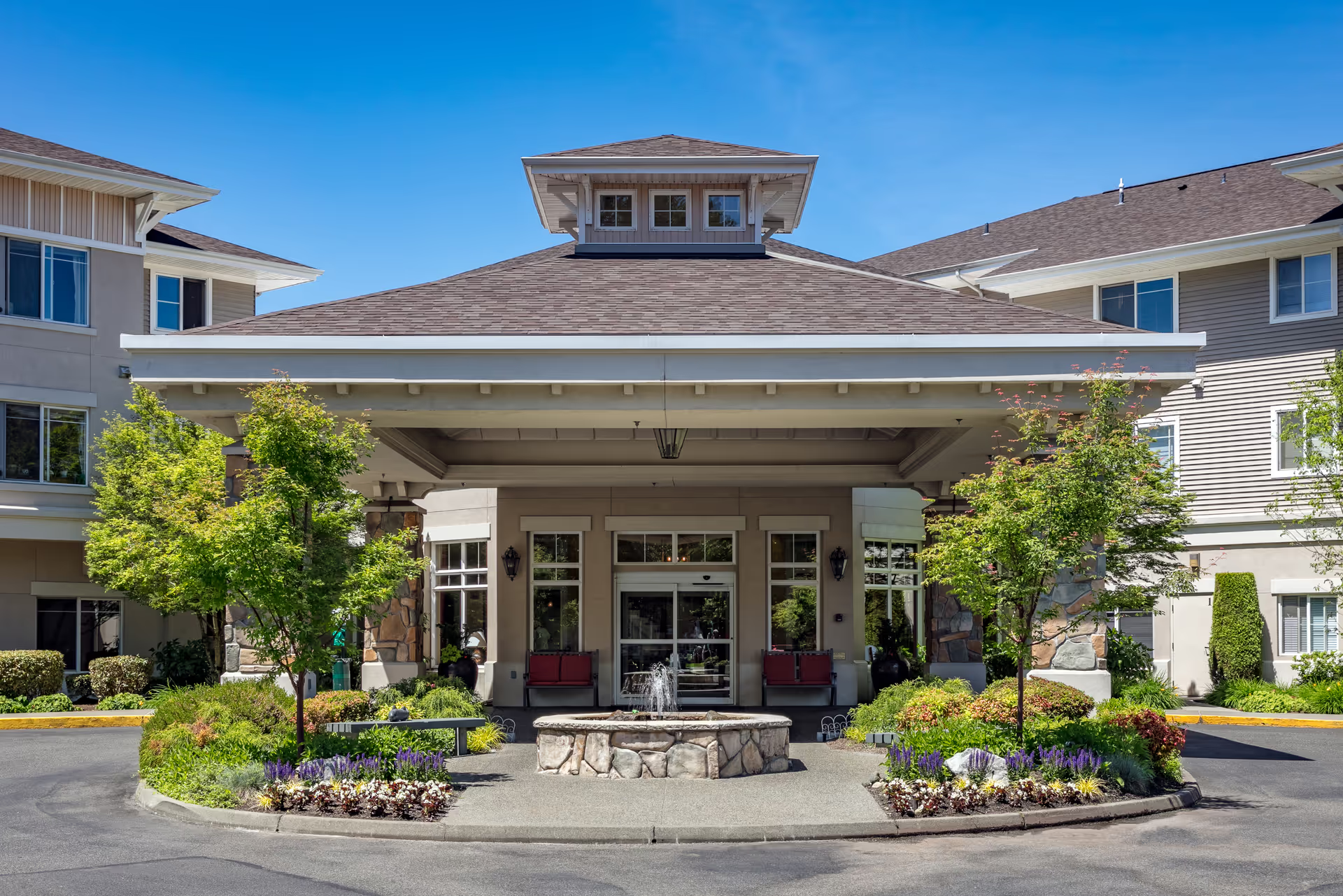
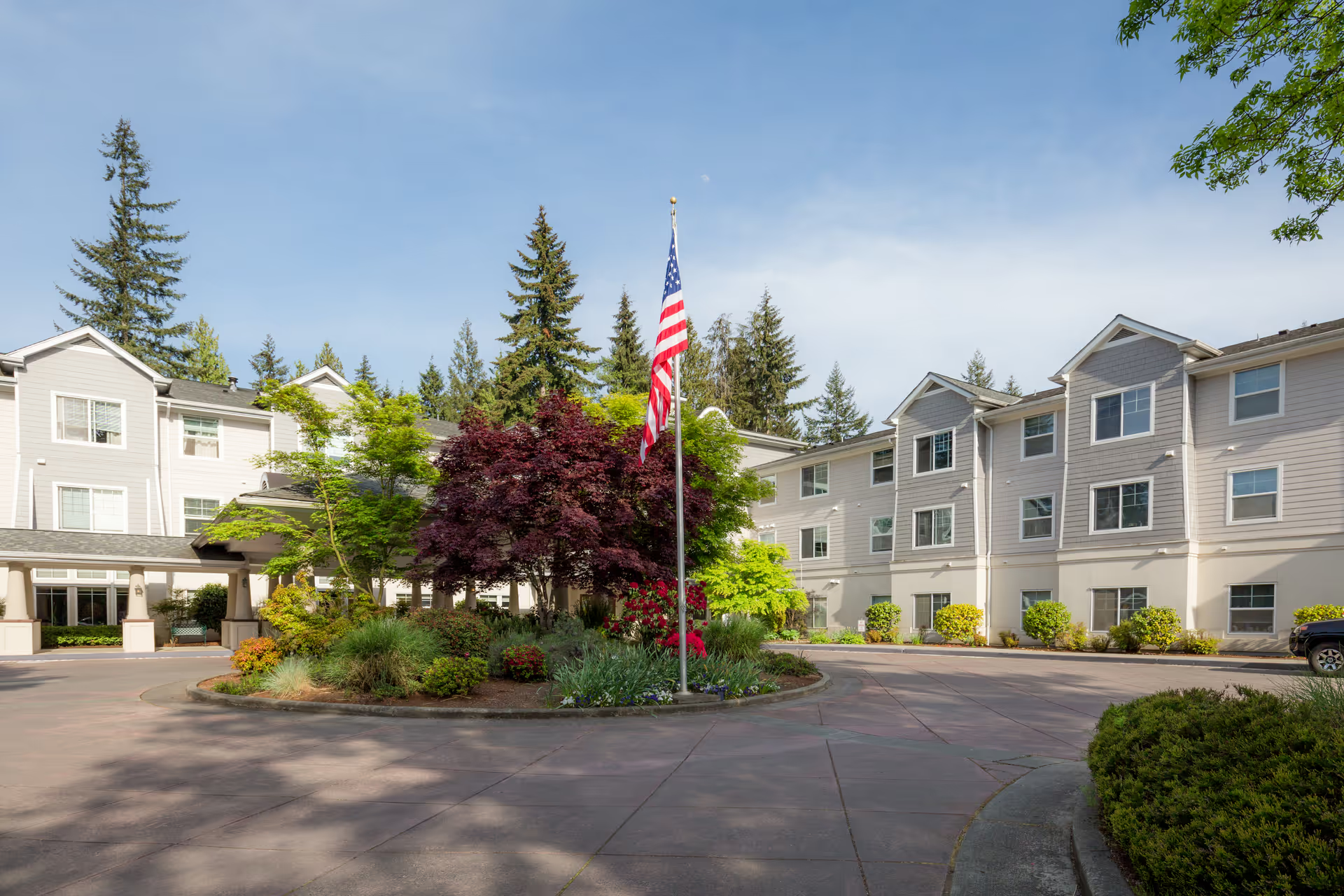
Dining and amenities present a pragmatic profile. Some reviewers find the meals adequate and note good food at times, but others characterize dining as basic or institutional in certain dining rooms. Facility infrastructure is generally clean and well maintained in public spaces, yet parts of the building feel dated and shared-room accommodations are common. The location and lower cost are seen as practical advantages, although there may be a waiting list for admission.
For prospective residents and family members: the facility appears to offer strong short-term rehabilitation and attentive housekeeping, alongside a caring contingent of staff in many areas. At the same time, there are repeated operational themes to investigate further—staffing patterns, medication-administration protocols and documentation, dementia-specific staffing and programming, and unit-by-unit variability. Recommended next steps include an on-site tour focused on the dementia unit and rehab areas, meetings with the therapy director and nursing leadership to discuss staffing ratios and medication safety procedures, review of recent inspection and deficiency reports, and conversations with current families to understand unit-level culture and consistency.