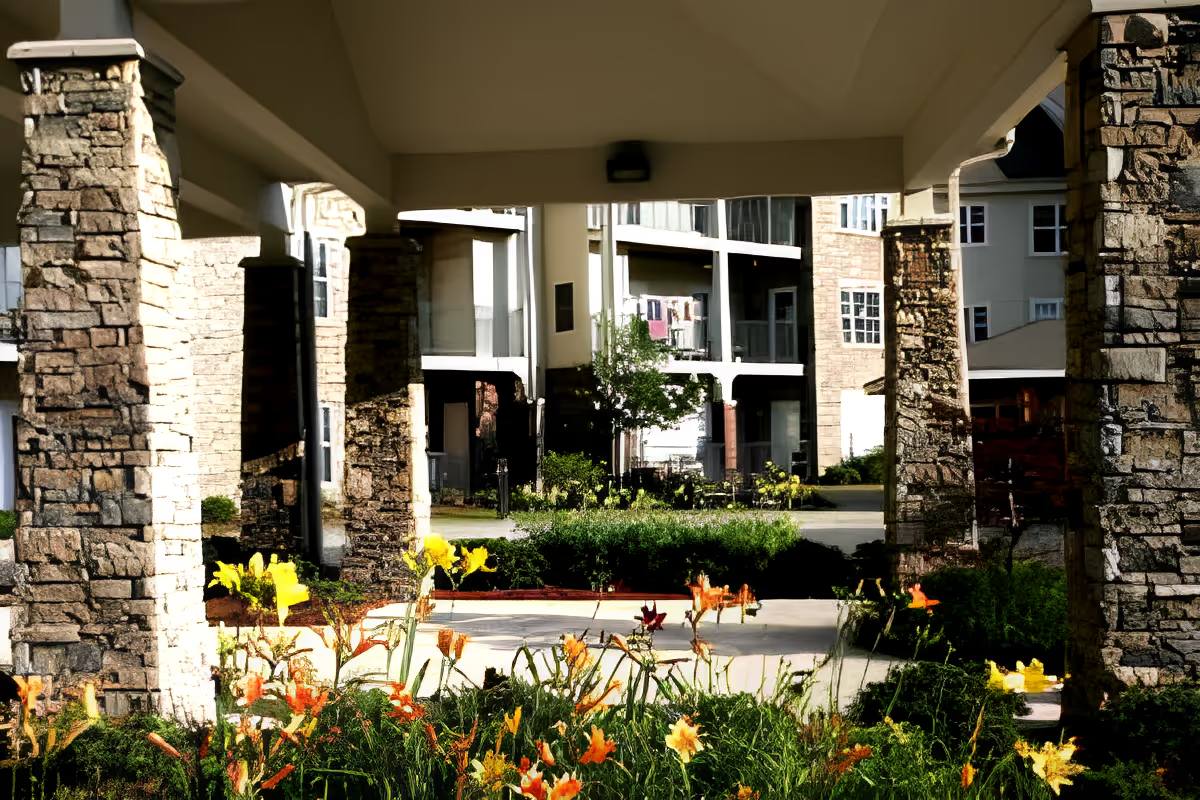
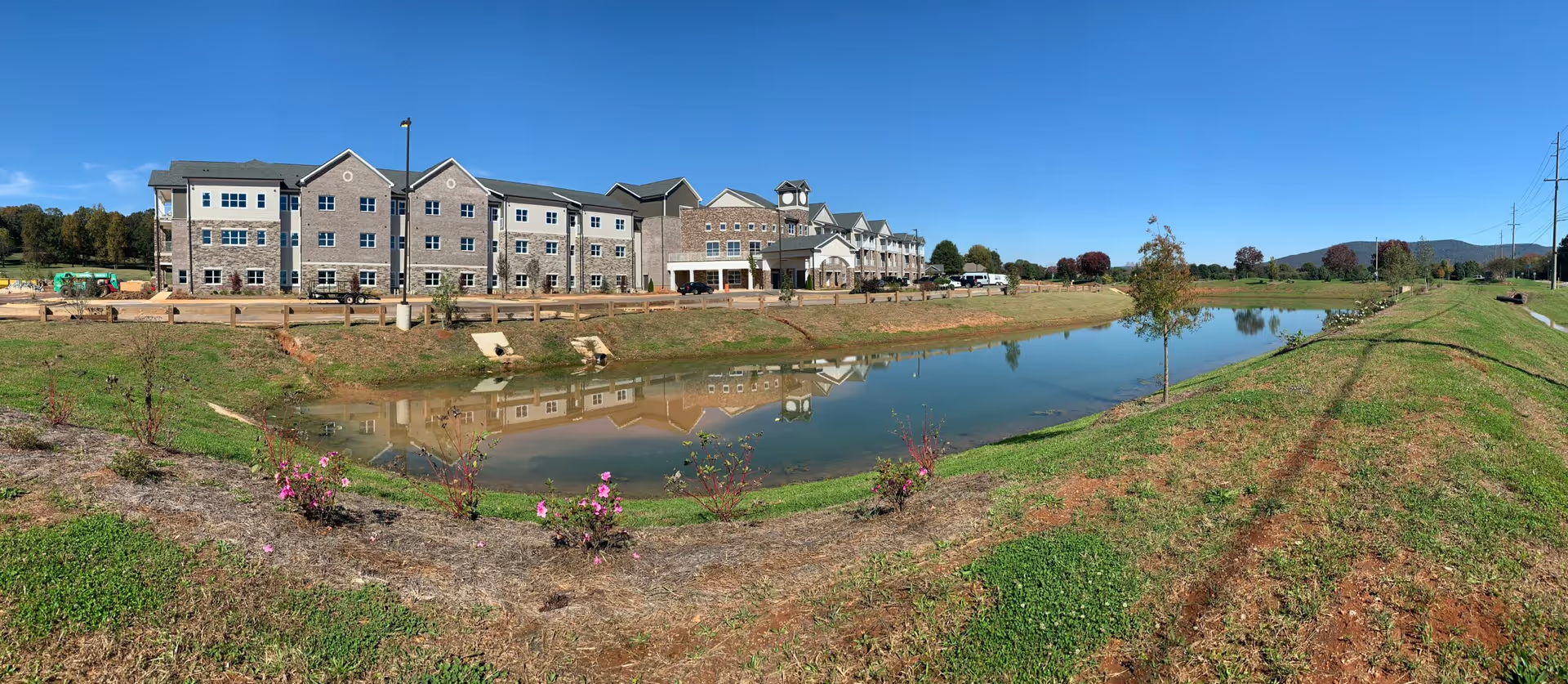
Bridgewood Gardens receives consistent praise for its front-line caregiving team and social environment. Families and residents commonly describe staff as compassionate, attentive, and responsive; many reviews highlight 24/7 nursing coverage, on-site physician services, timely resolution of concerns, and individualized attention from care assistants. The facility projects a home-like, family atmosphere supported by friendly residents, a welcoming admissions process, and staff who assist with daily tasks and move-in needs.
Activity programming is a clear strength: the community offers a broad menu of engagement options such as bingo, poker, board games, gardening, live music, mock-theme nights, faith services, and frequent off-site outings. Transportation to medical appointments is available on set days, and residents report a lively social calendar with multiple daily and weekly opportunities to participate. Public spaces, grounds, and a number of apartments have been renovated and are described as clean, well-kept, and comfortable.
Dining and housekeeping present mixed impressions. The dining program includes flexible hours, multiple meal choices, and snack availability, and several families described enjoyable, nutritious meals after kitchen leadership changes. At the same time, some feedback characterizes food presentation and quality as cafeteria-style or basic; families should expect variability and consider a meal visit during touring. Housekeeping is generally praised in assisted-living areas, but there are noted cleanliness variability and sanitation concerns tied to some memory-care areas; this suggests uneven standards between levels of care.
Operational and management-level issues recur as areas for scrutiny. Reviewers describe administrative and scheduling lapses including appointment coordination errors, delayed refunds, and a non-refundable community fee. There are also mentions of occasional lapses in management continuity and communication. Practical limitations cited by families include compact unit sizes for certain layouts, the community’s pricing being high for some residents, and explicit limitations in supporting advanced or severe dementia needs—leading to transfers when a resident’s care needs exceed the community’s scope.
Safety planning and emergency readiness are another area to confirm: families raised concerns about power-outage resilience and the logistics of evacuating upper floors. Prospective residents and decision-makers should ask for the facility’s emergency protocols, power backup details, and transfer procedures during a tour.
Overall, Bridgewood Gardens is most consistently recommended for its caregiving staff, active programming, transportation services, and maintained campus. Prospective residents and families should weigh those strengths against variability in dining and memory-care housekeeping, administrative process gaps, cost structure, and the facility’s limits for advanced dementia care. Visiting for a meal, inspecting memory-care housekeeping standards, and reviewing emergency and transfer policies will help families determine alignment with their needs.