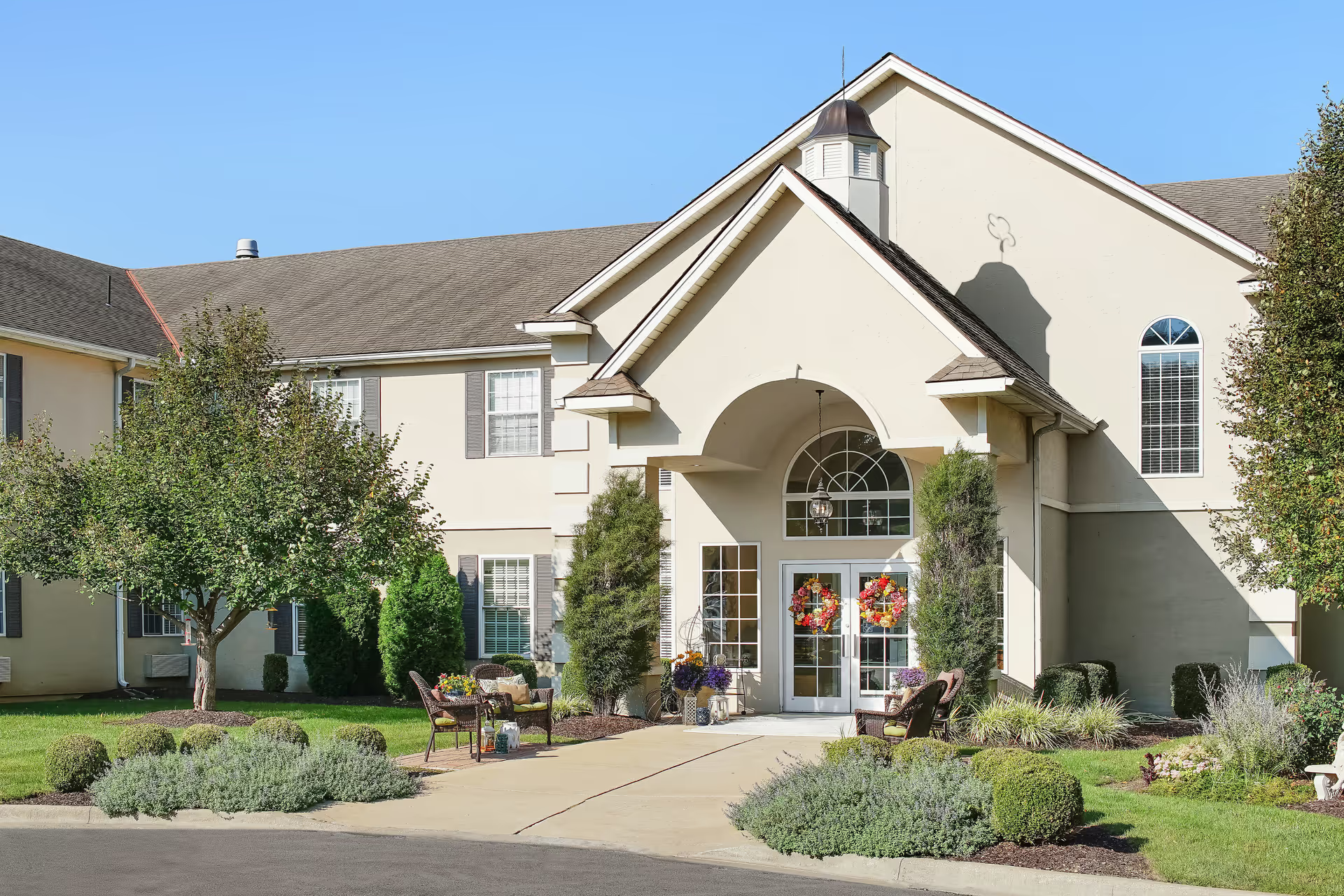
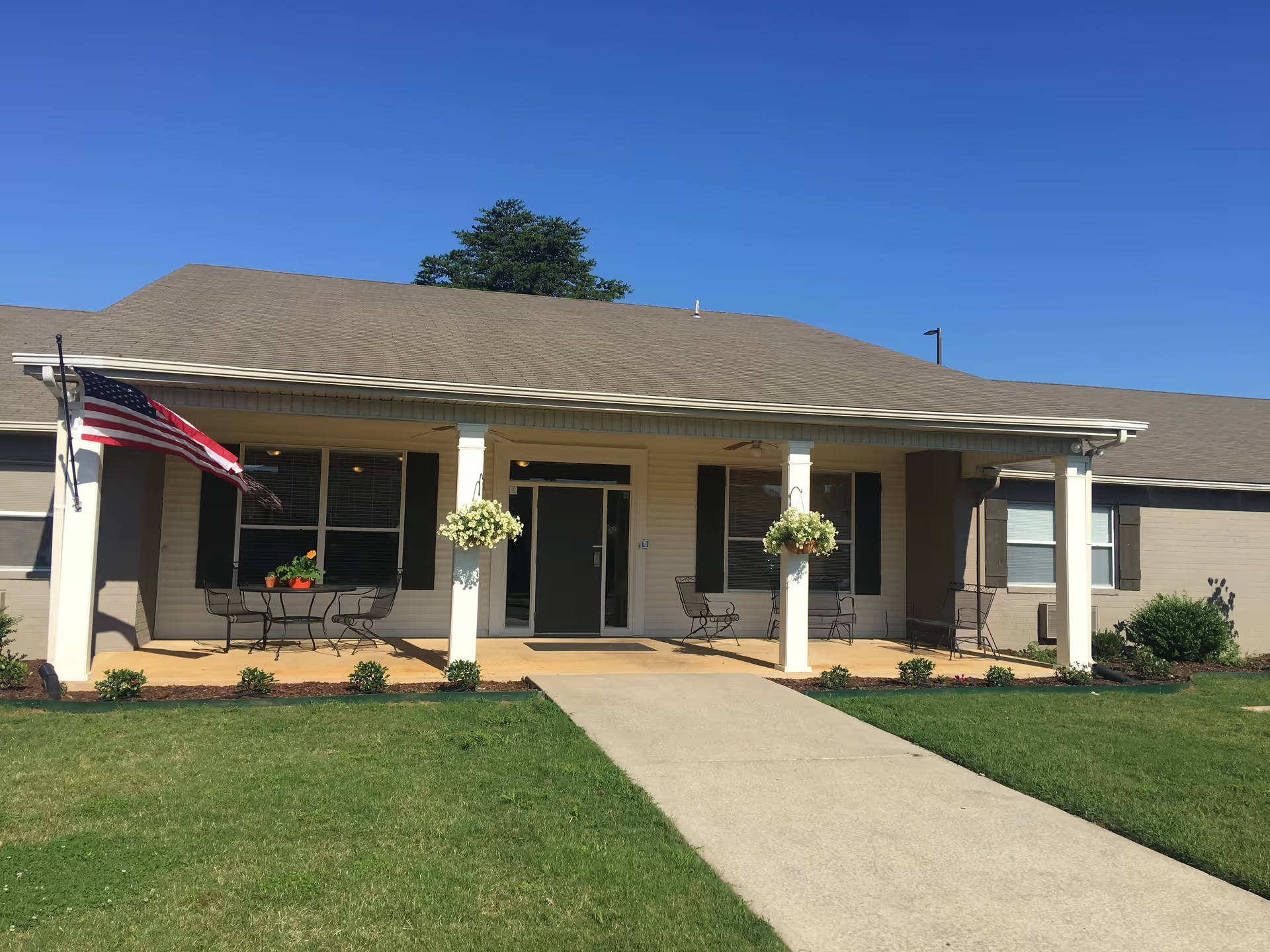
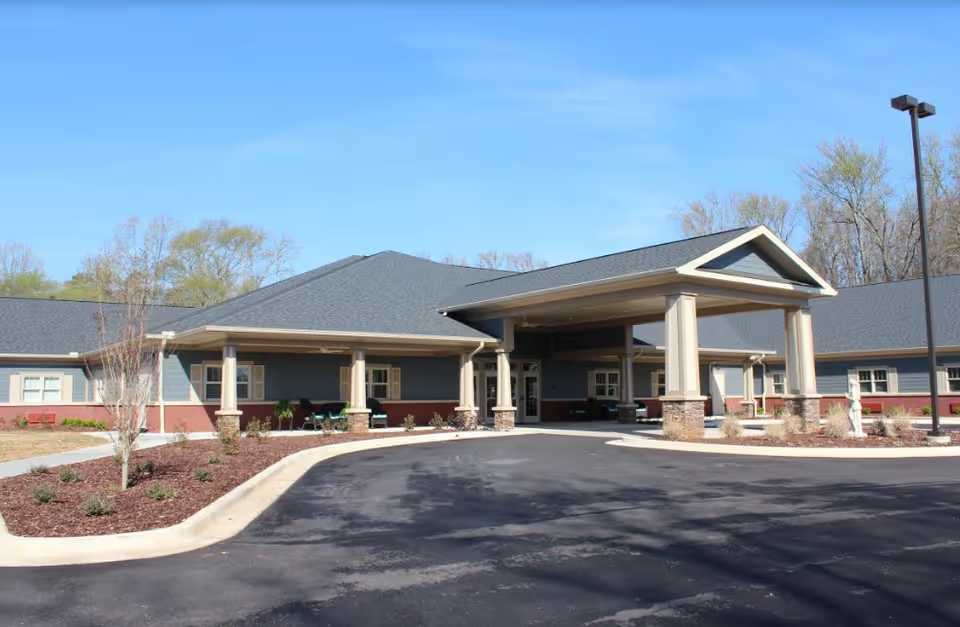
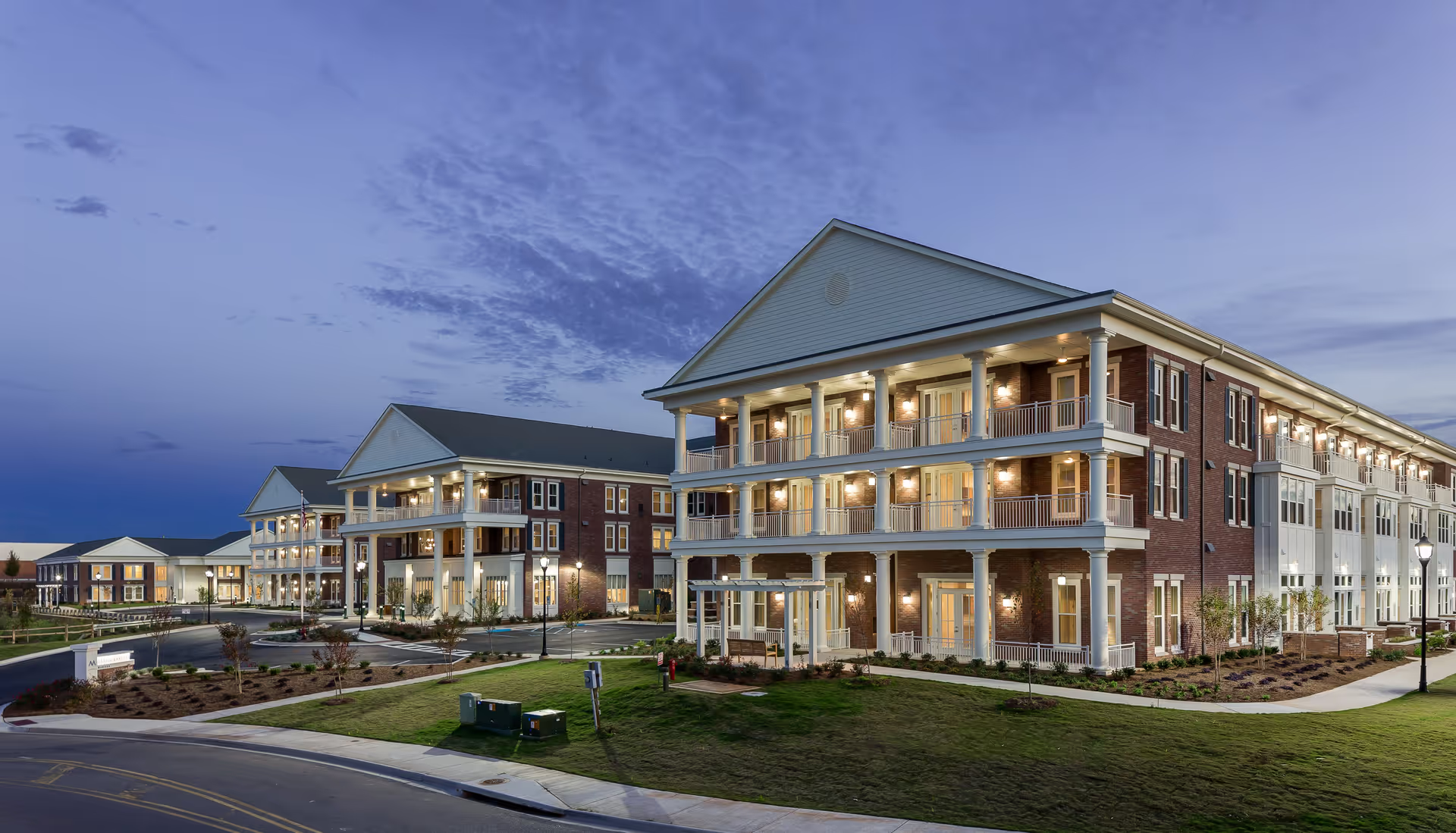
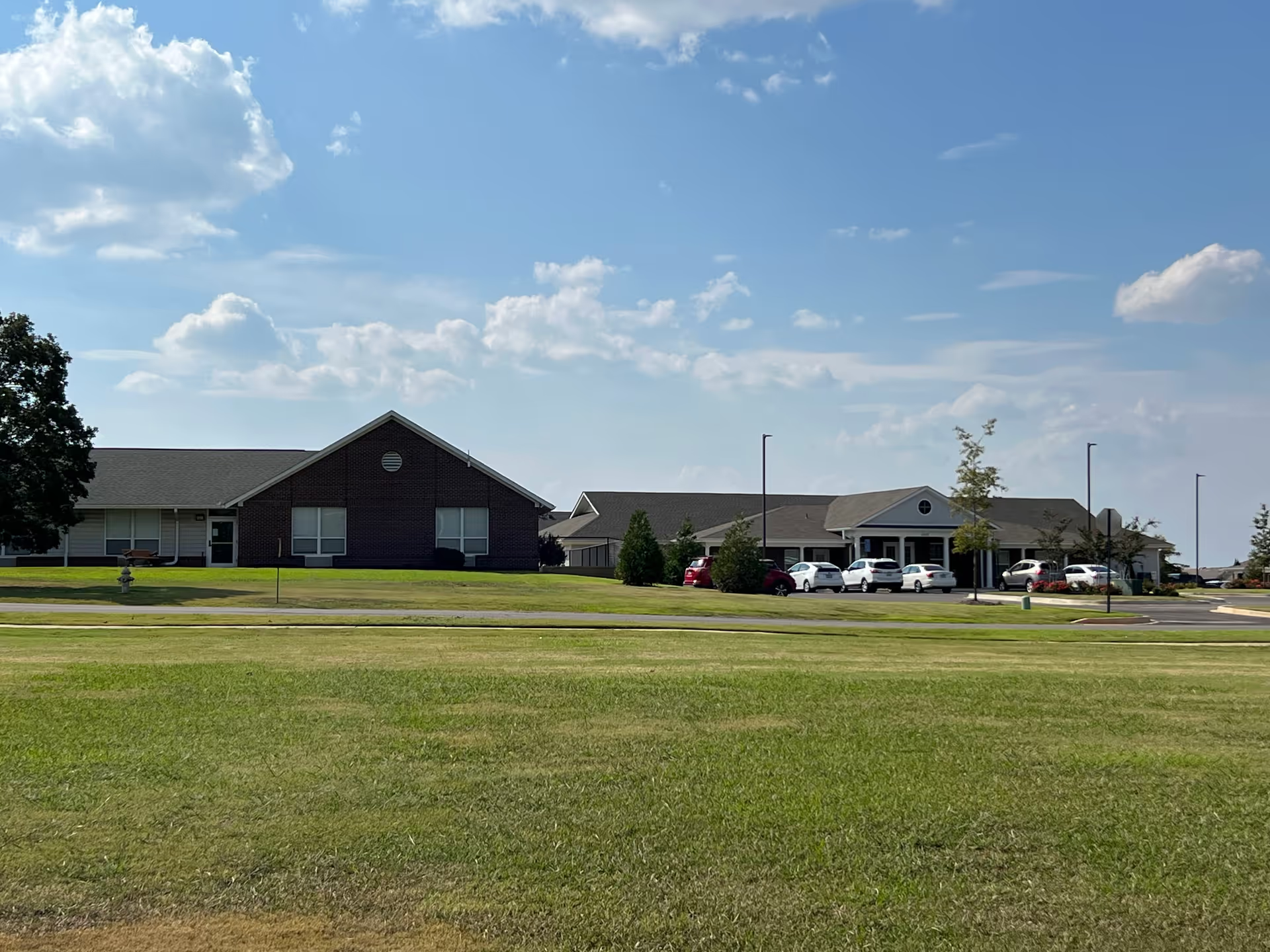
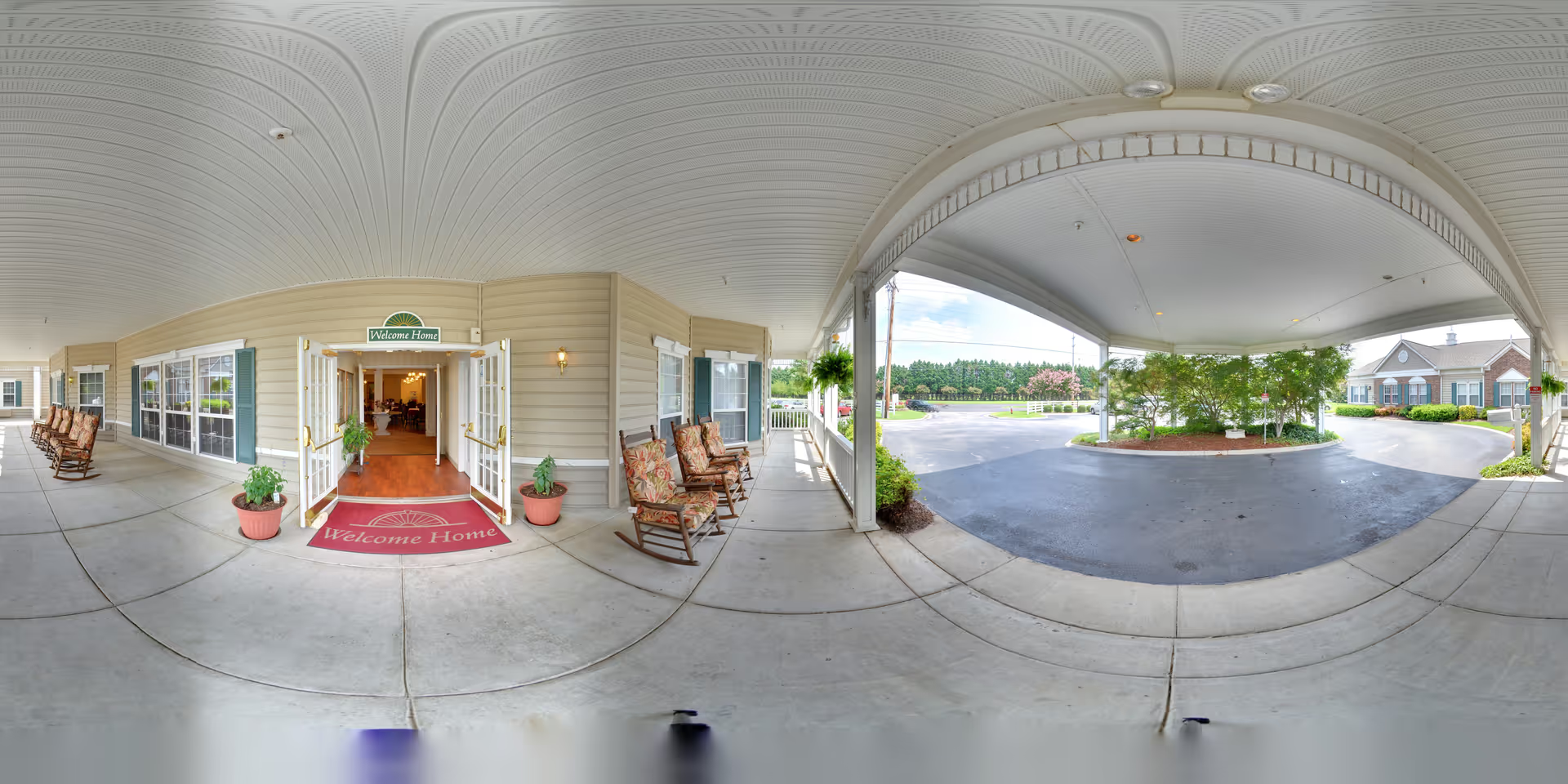
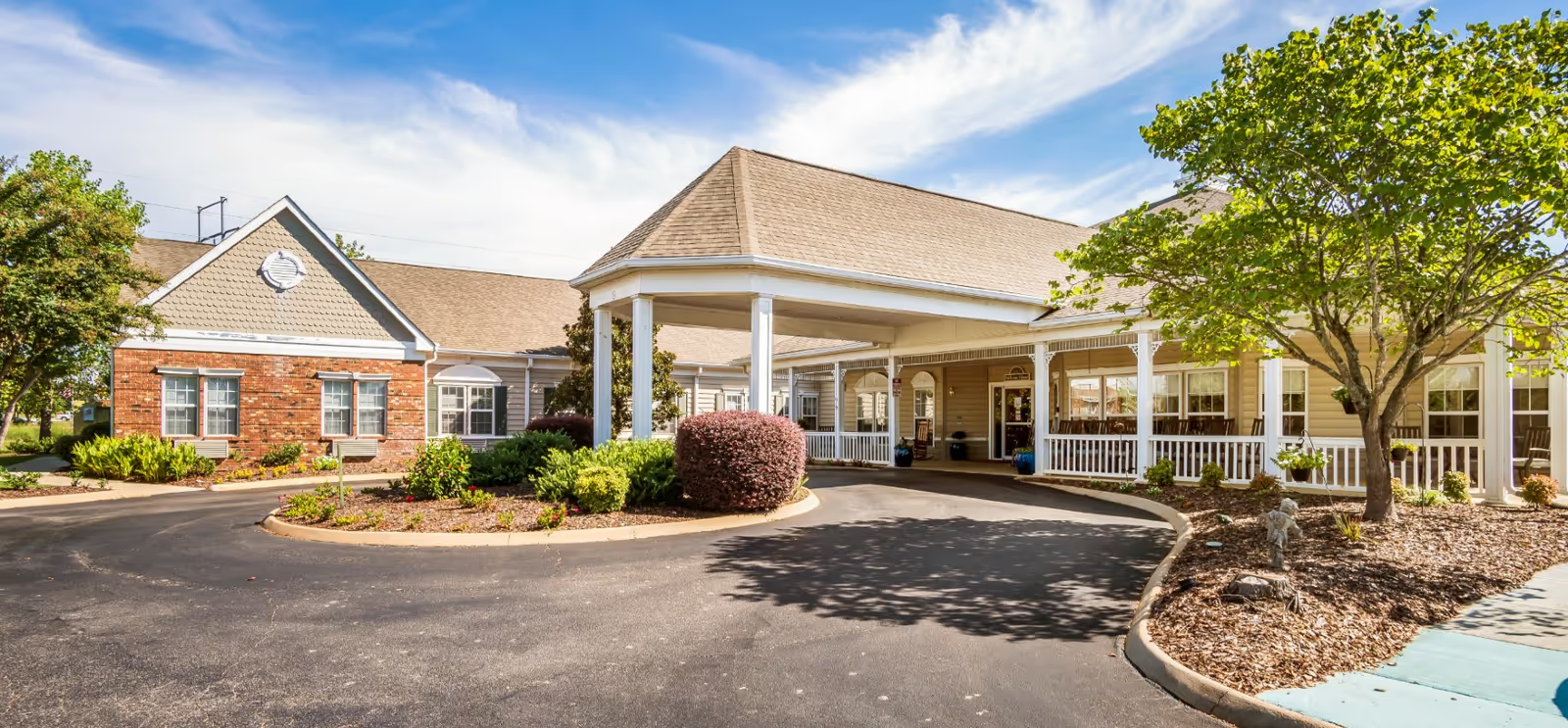
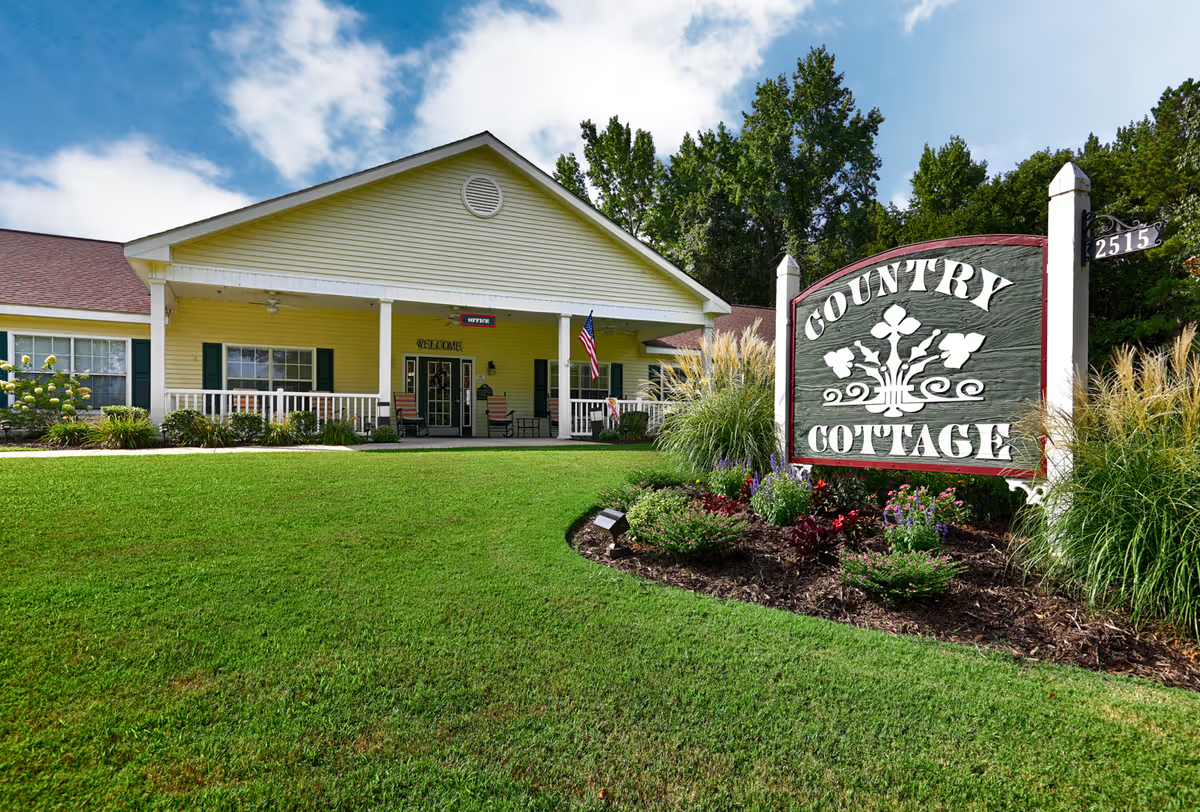
Limestone Manor is consistently described as a small, home‑style assisted‑living community with a clean, recently updated physical environment and attractive outdoor spaces. Residents and families emphasize the facility’s welcoming common areas, spacious rooms that can be personalized, and a layout that supports a quiet, garden‑like setting. Renovations and fresh décor are noted frequently, and the facility’s small size is presented as a strength for relationship building and familiarity.
Care quality is generally characterized as attentive and compassionate. Reviewers repeatedly highlight a family‑oriented caregiving culture, team‑based care, and leadership that is accessible and responsive; several accounts single out specific administrators and caregivers for positive attention. That said, there are recurring operational concerns tied to staffing: reviewers note inconsistent staffing levels and relatively high turnover, which in turn is associated with variability in frontline clinical competency and occasional gaps in how clinical issues are handled. Families also describe unevenness in how and when they receive updates, indicating room for improvement in consistent family communication protocols.
Dining and activities are frequent selling points. Meals are described as home‑cooked, generous, and served communally, and the community runs a broad range of activities including themed parties, crafts, religious programming, and creative adaptations during COVID‑era restrictions. Activity variety and creativity earn praise, though some families note that programming can be sporadic or not always as extensive as expected. A minority of comments raise concerns about meal continuity and weekend menu limitations, suggesting some inconsistency in food quality and service at certain times.
Operationally, management receives positive comments for handling transitions smoothly and for responsiveness during emergencies (for example, winter storms). The facility’s small scale supports personalized attention and family involvement. Areas identified for improvement are largely operational: stabilizing staffing and reducing turnover, enhancing staff training around clinical and dementia care, formalizing family communication practices, and addressing isolated maintenance and security protocol issues. Overall, Limestone Manor is presented as a clean, well‑kept, and caring community that provides a homelike environment with active programming; prospective families should weigh the facility’s strong interpersonal culture and physical environment against variability tied to staffing and consistency in service delivery.