Overall impression Gardens of Clanton is consistently described as a small, well-kept assisted living community with a strong family atmosphere. Reviews emphasize warm, attentive staff and an engaged administrator who organize frequent events, personalized celebrations, and community outreach. Many families report long-term residency, visible resident contentment, and a general sense that residents are safe, comfortable, and socially engaged.
Care quality and staffing Care is frequently characterized as compassionate and individualized: staff are described as patient, encouraging, and willing to go beyond baseline duties to accommodate residents' preferences and needs. Families note reliable medication timing, proactive communication, and programs to welcome new residents. However, an important operational pattern is intermittent staffing instability. Reviewers cite understaffing, staff turnover, and the rural labor market as drivers of inconsistent caregiver continuity. Those conditions are associated with family frustration around changing assignments and, for a subset of residents, increased anxiety or delays in routine assistance. The facility appears to mitigate some of these impacts through active leadership and communication channels (for example, daily updates and outreach), but staffing continuity remains a recurring concern.
Dining and nutrition Dining is commonly praised for home-cooked, hearty meals and pleasant family-style dining experiences. Several reviewers highlight enjoyable special meals and outreach to family members. At the same time, there is a recurring concern about menu composition: some characterize offerings as high in carbohydrates or calories and note limited diabetic-specific options and a desire for more fruits and vegetables. Food quality appears generally good, but nutritional balance and specialized diet accommodations may be inconsistent and worth confirming during a tour.
Activities and social life Activity programming is a prominent strength. The community offers a broad mix of on-site programming (arts and crafts, devotional speakers, exercise, gardening, sewing, singing/dancing) and off-site trips (shopping, dining, beach outings). Seasonal decorations, frequent celebrations, and an active social calendar contribute to residents’ engagement and family involvement. A few comments suggest that activity variety can feel limited for certain individuals (for example, more passive options such as television), so activity fit will depend on a prospective resident’s interests and mobility.
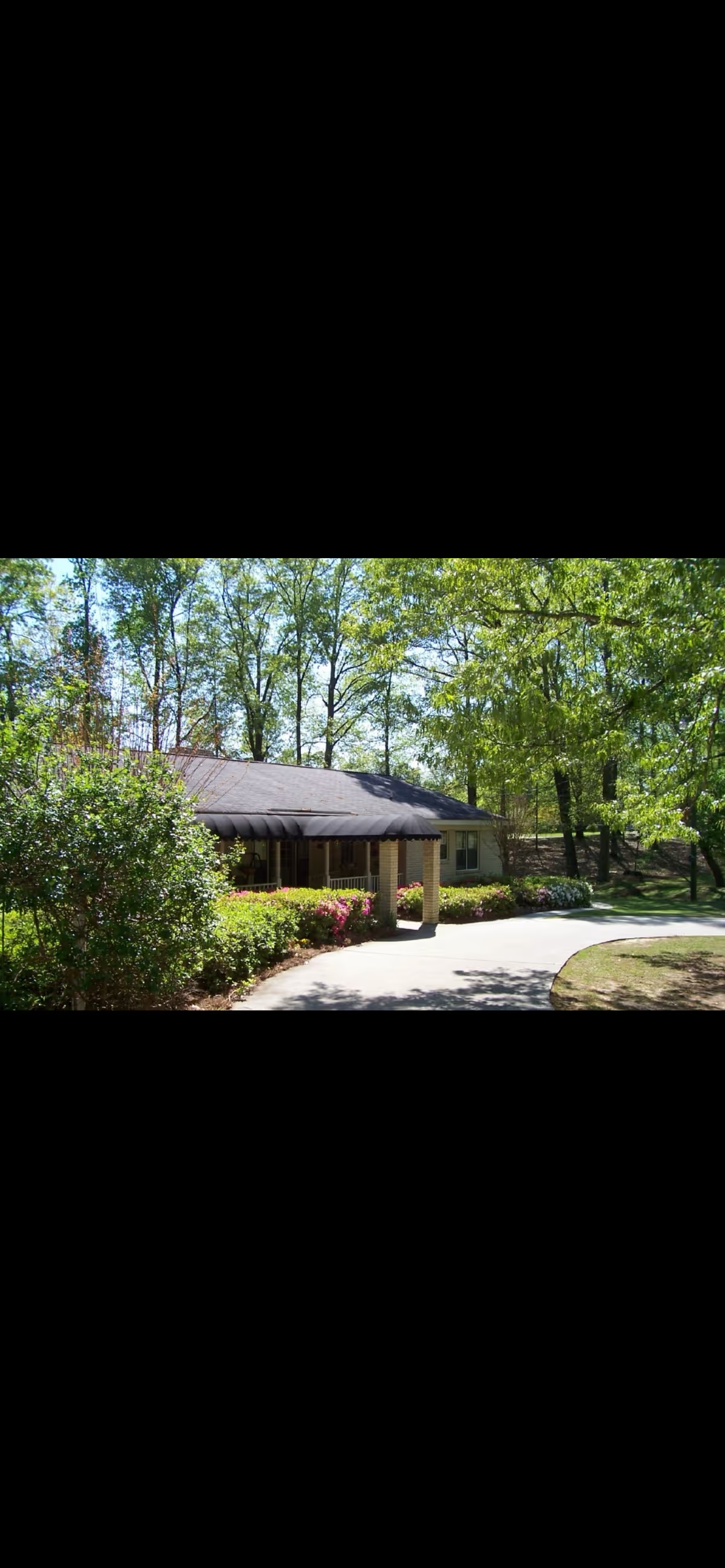
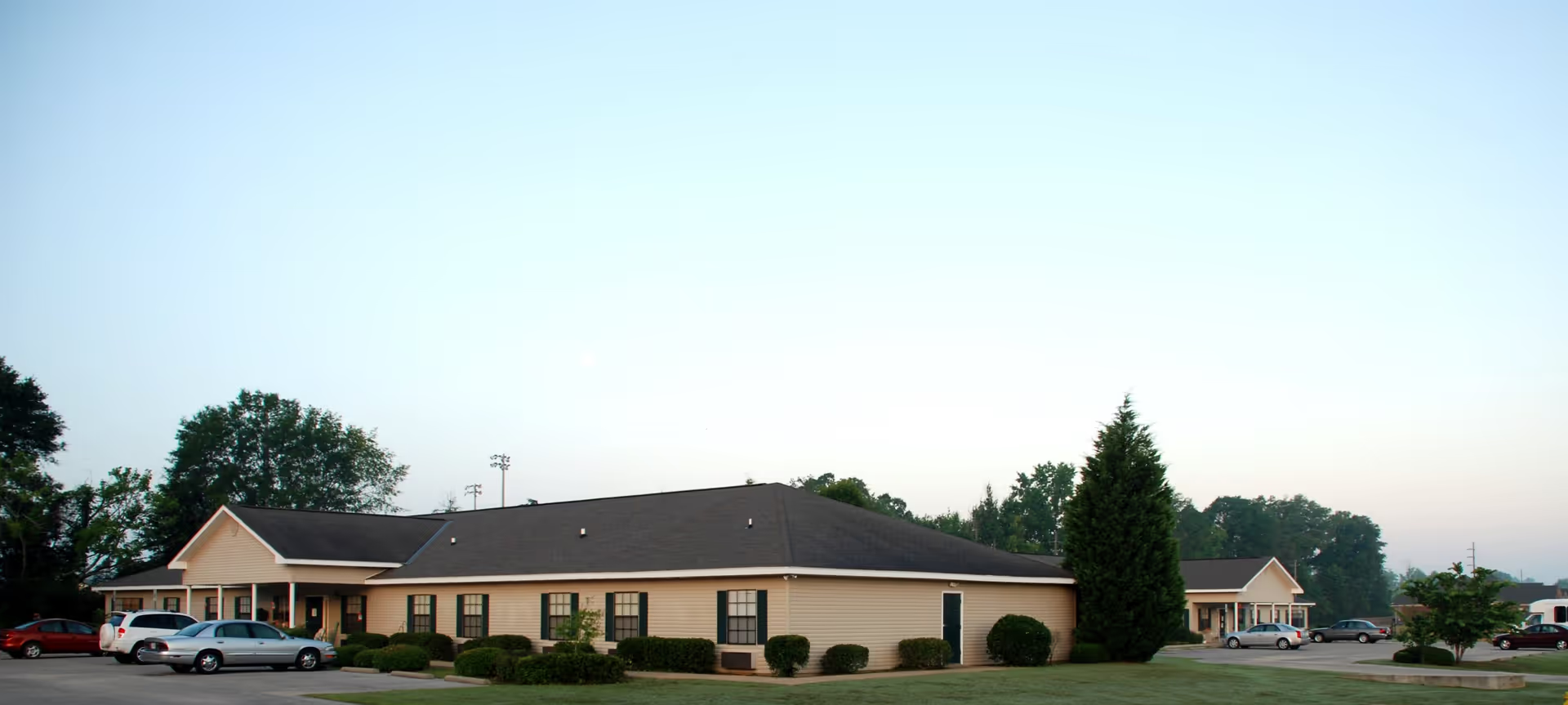
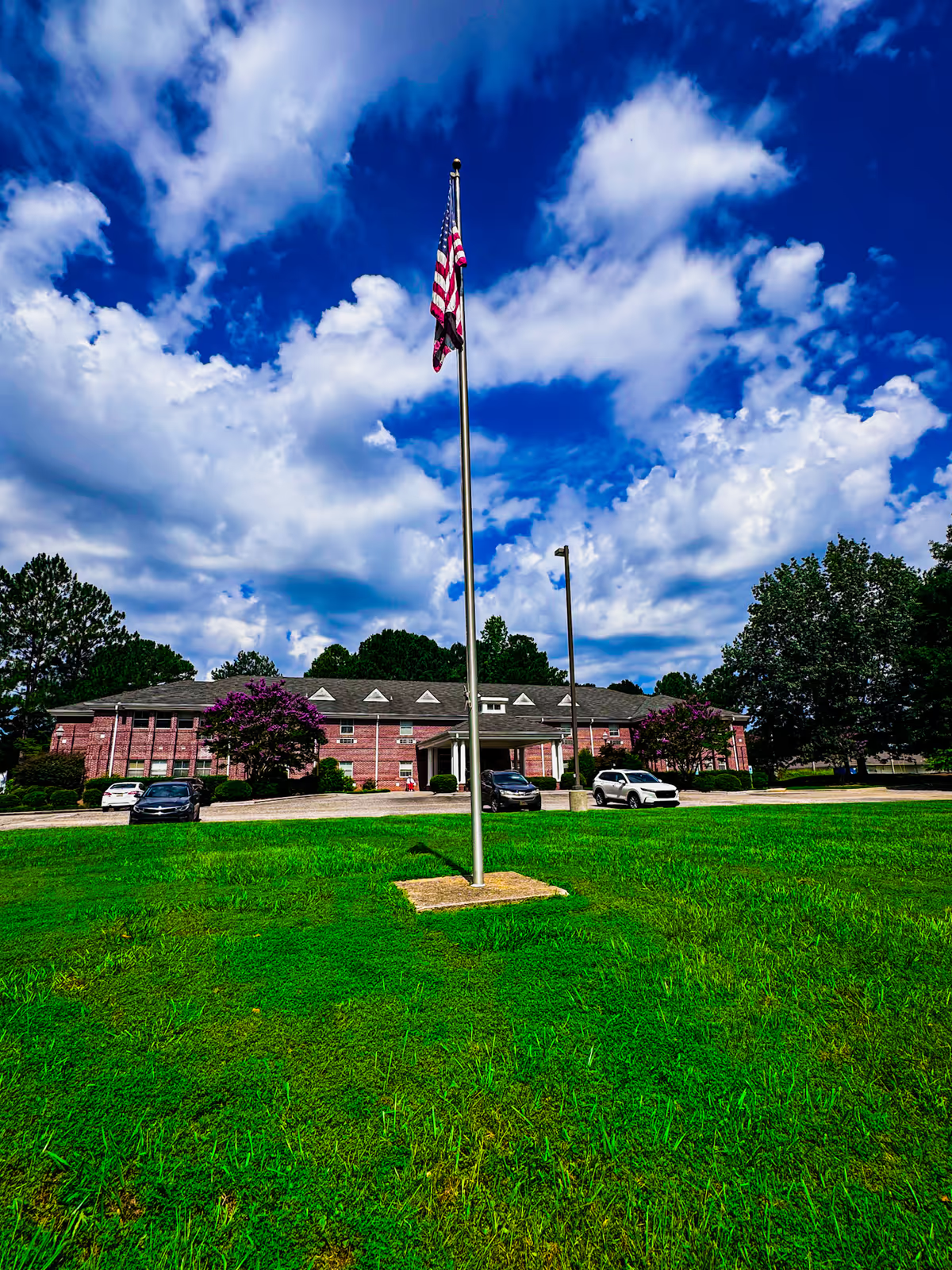
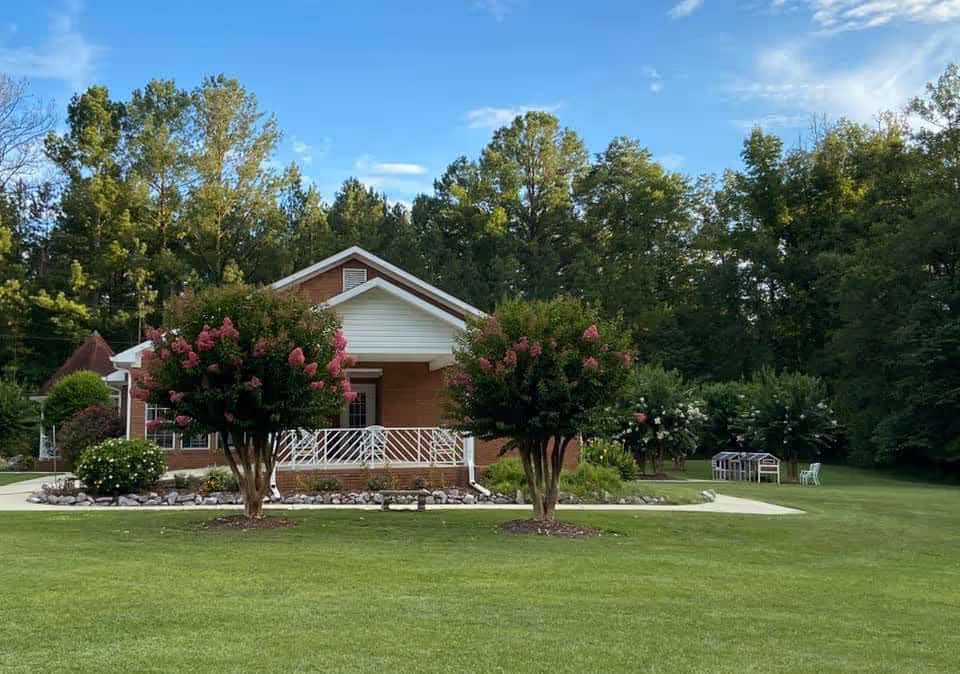
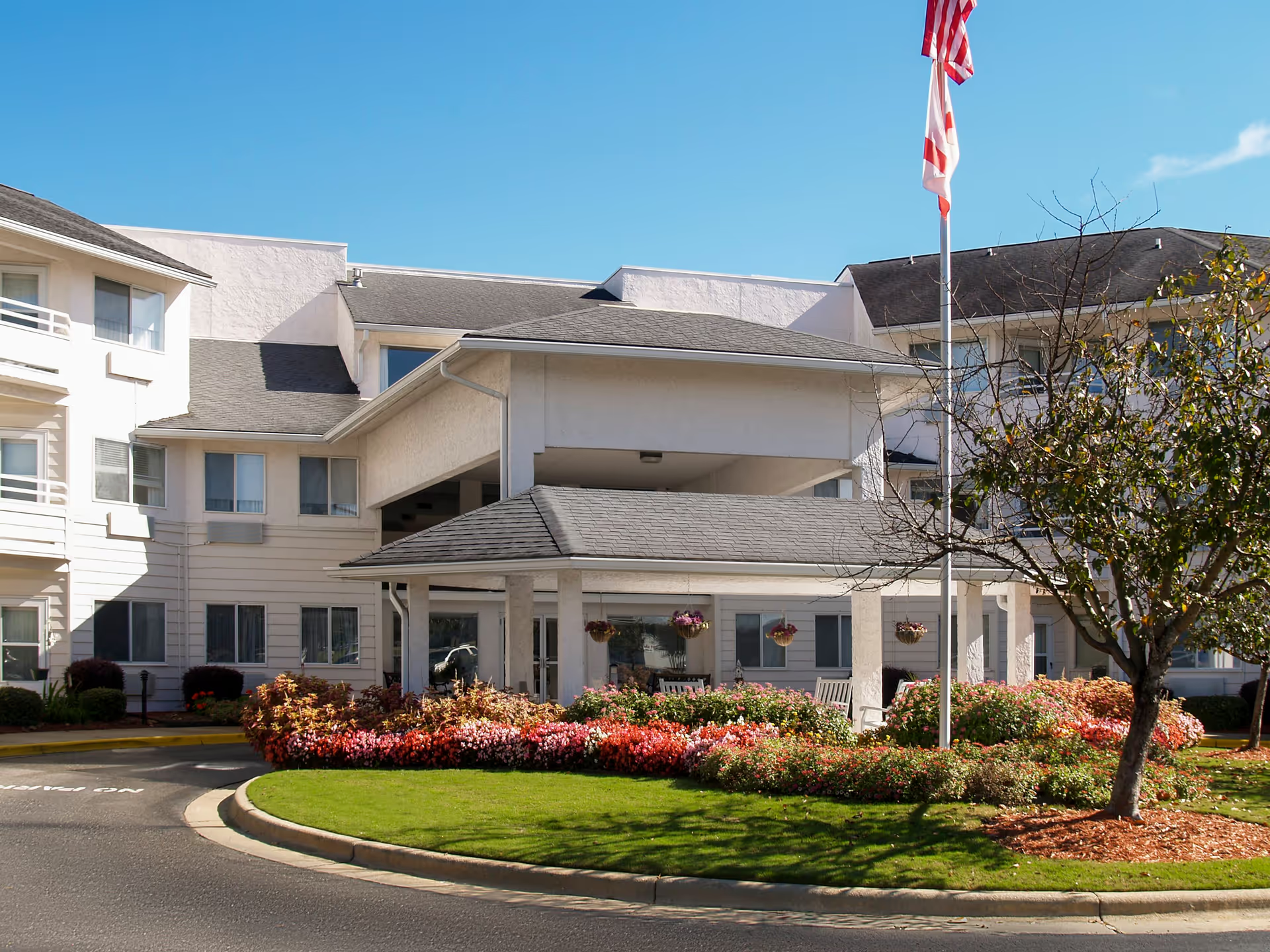
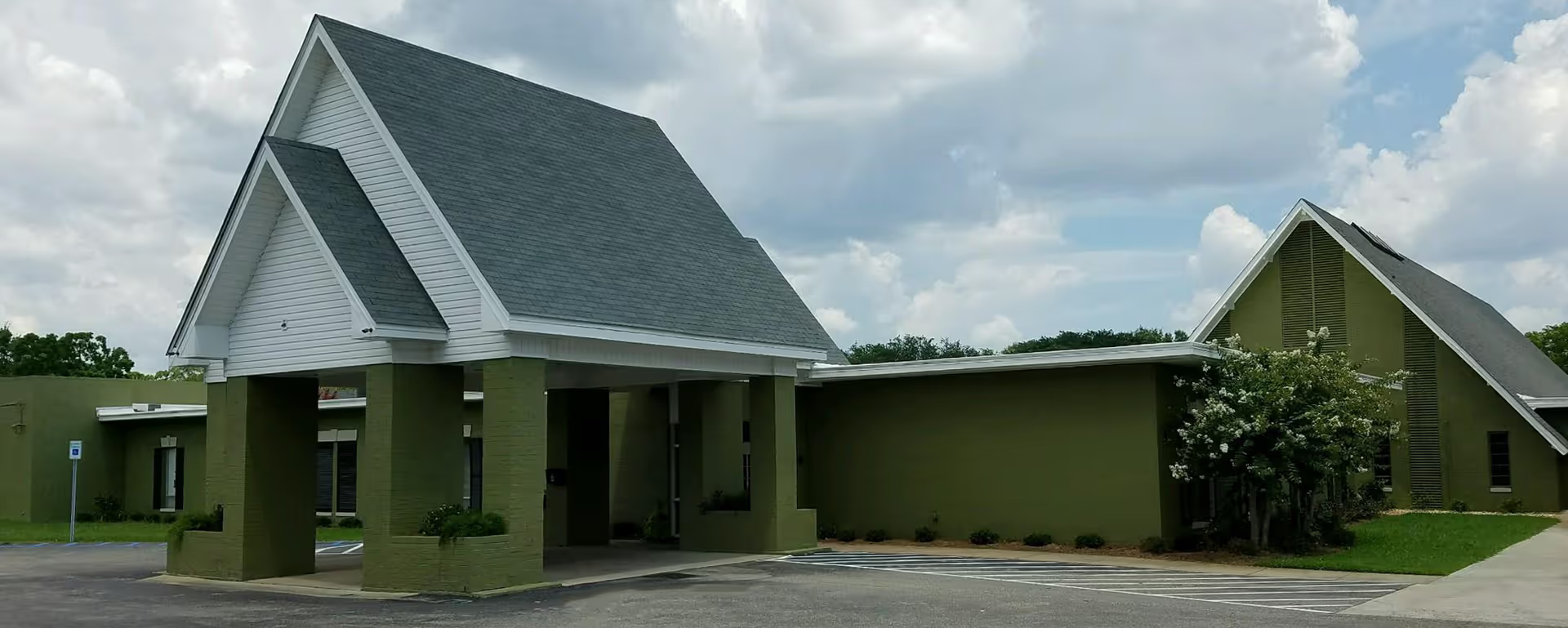
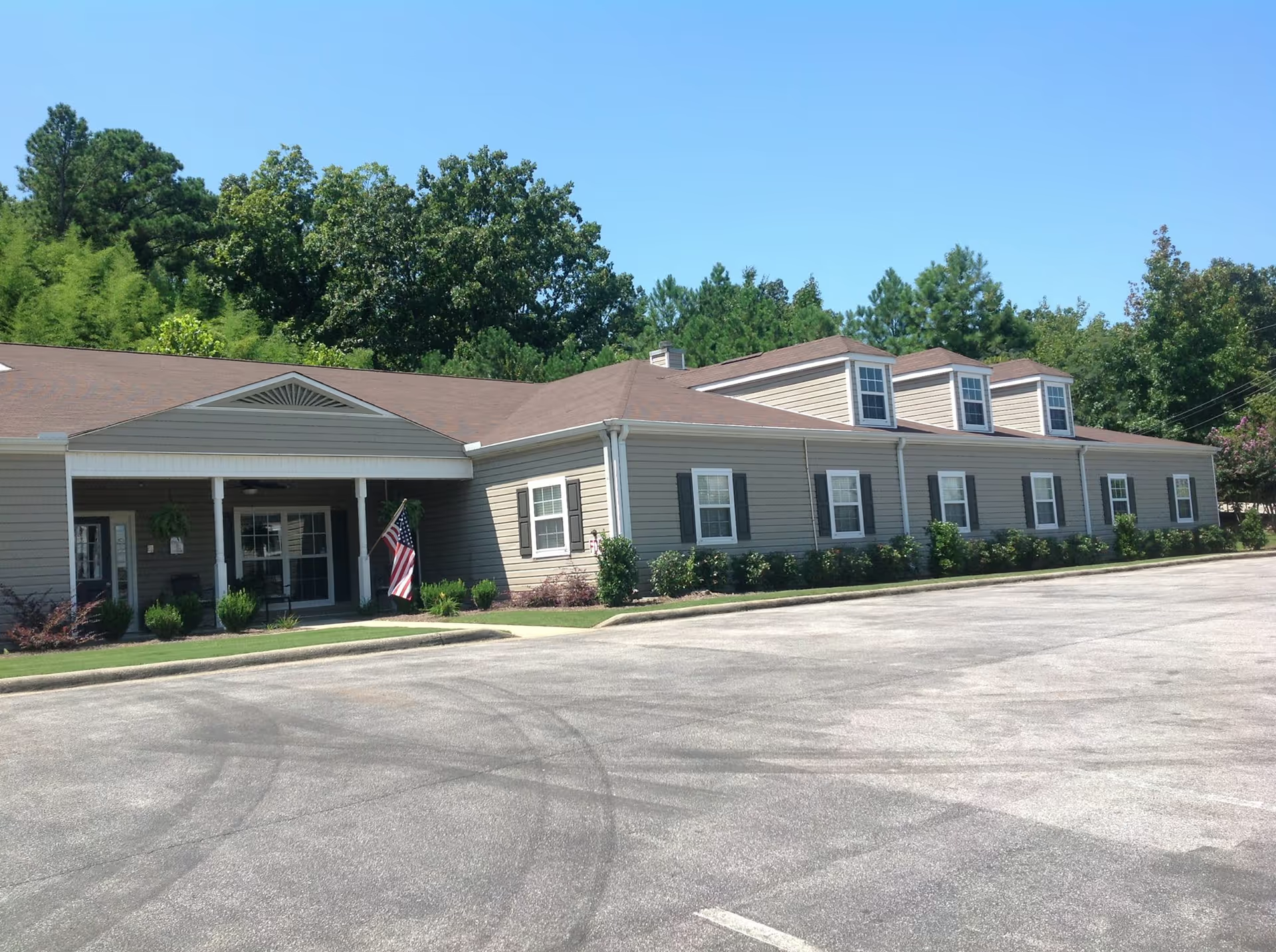
Facilities and management Physical plant impressions are positive: reviewers describe clean, attractive common areas, private and spacious rooms, and a peaceful country setting that remains conveniently close to town and medical services. Management and administration receive repeated praise for visibility, responsiveness, and community leadership. Noted operational limitations include constrained parking, limited accessibility for drop-offs, and the absence of a covered entrance — factors that may affect transfers and inclement-weather access. The facility also experienced pandemic-related program adjustments, which reviewers say affected activities and visitation at times.
Notable patterns and guidance for families The dominant themes are strong interpersonal care, active programming, and an engaged administrative team. The principal operational weaknesses to weigh are staffing continuity (linked to turnover and rural recruitment), certain dietary limitations, and access/parking constraints. Prospective residents and families should consider confirming current staffing ratios and continuity plans, clarify dietary accommodations for medical needs (for example, diabetic menus), and evaluate parking and drop-off logistics during a visit. For many reviewers, the benefits — a clean, caring, and socially active community — outweigh these operational concerns, but those factors are important to verify for individual care needs and mobility considerations.