Reviews present a mixed picture: reviewers consistently highlight strengths in dining, interpersonal care, and facility upkeep, while also signaling an overarching operational concern related to an imminent shutdown. The positive comments describe an environment that many families and residents find comfortable and personally attentive; however, the reported closure creates uncertainty about the facility's near-term ability to maintain those standards.
Care and staff: Reviewers describe staff as caring, compassionate and easy to communicate with, and they frequently characterize staff–resident interactions as family-like. Those comments suggest strengths in day-to-day interpersonal care and responsiveness. The available summaries do not provide detailed clinical metrics (medication management, nursing-staff ratios, or clinical outcome data), so clinical-quality conclusions should be made with additional direct inquiry.
Dining: Dining is a clear area of strength. Comments emphasize well-prepared meals, menus tailored to resident preferences, and an emphasis on desserts and other favored offerings. This suggests an attentive dining program that accommodates individual tastes and provides consistent meal satisfaction.
Activities: Review content provided little or no specific information about organized activities or engagement programming. The absence of commentary on activities is a notable information gap; prospective residents and family members may wish to ask directly about the scope, frequency, and variety of social and recreational programming.
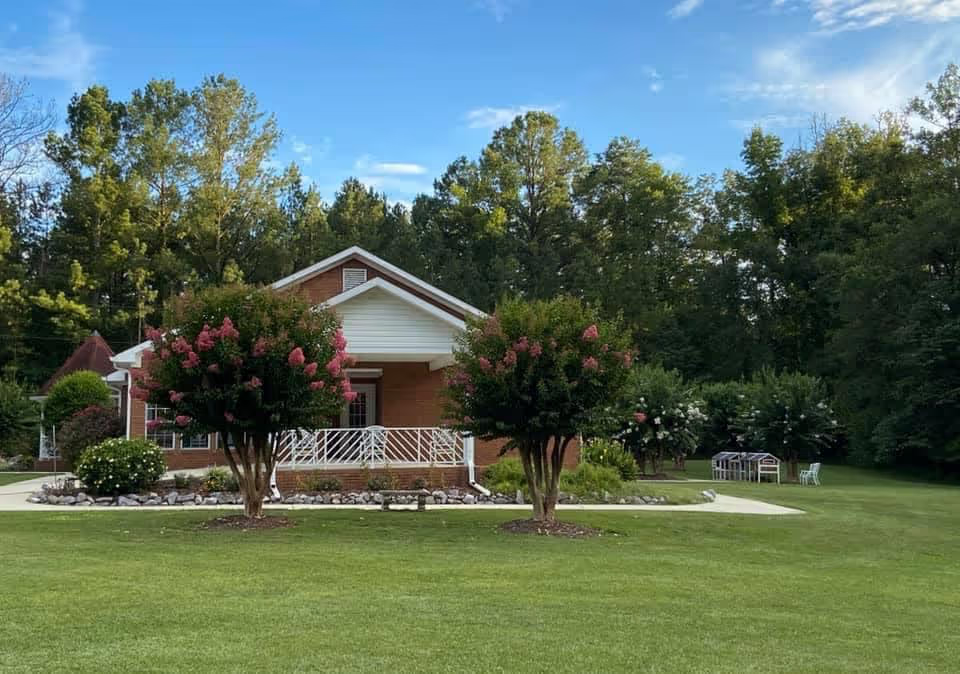
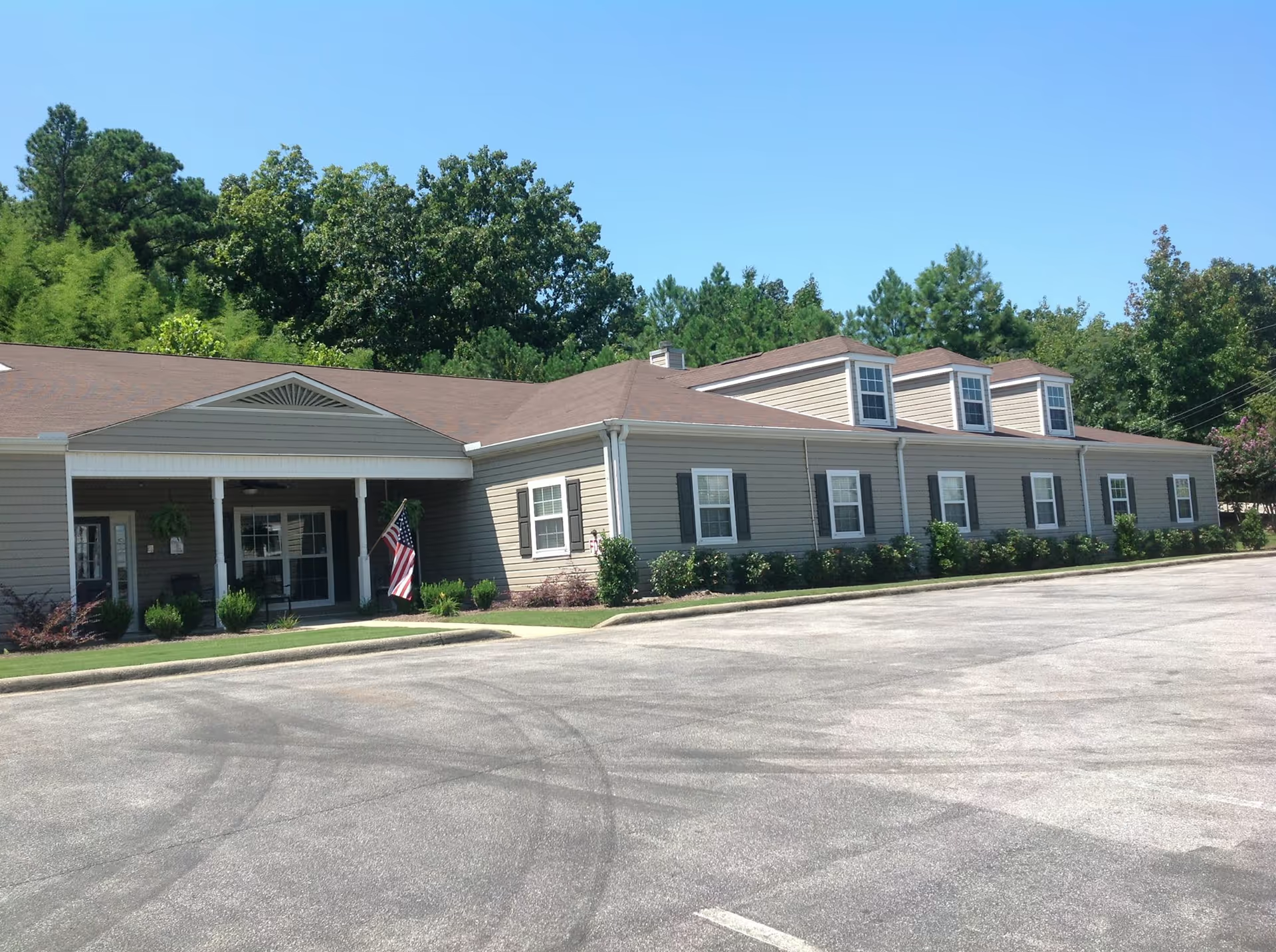
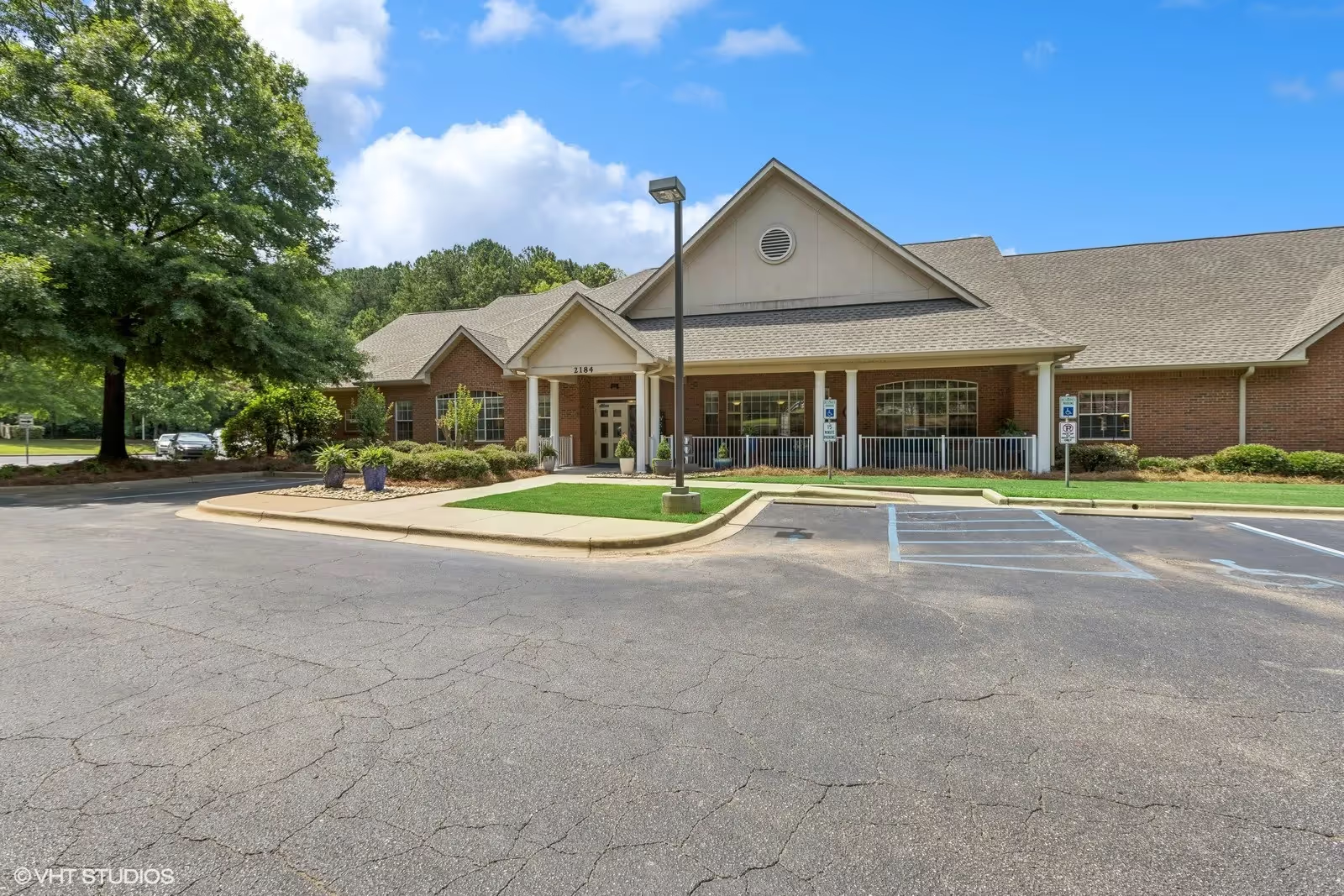
Facilities: The facility is described as clean and well maintained, which aligns with impressions of a comfortable physical environment. Cleanliness and upkeep are cited as positive, supporting a generally pleasant living space.
Management and notable patterns: The most significant concern in the reviews is an indication of an impending shutdown and a general "negative overall situation." That raises facility-level risks: potential service interruptions, uncertainty around staff retention, and the need for resident transitions. These are operational and financial stability issues rather than isolated care-quality complaints, but they have direct implications for continuity of care and resident well-being. Prospective residents and families should verify current operational status, plans for any transitions, and how continuity of care would be handled if the facility closes.
Overall, the facility is portrayed as strong in hospitality-style care (meals, cleanliness, and staff rapport) but faces a critical management-level risk that could disrupt services. Where positive attributes matter—location, dining, and interpersonal staff qualities—those appear consistent in available summaries; where data are lacking—clinical performance and activities—families should seek specific information. The impending closure note is the dominant negative pattern and should be clarified before making placement decisions.