Folsom Rehabilitation and Healthcare Center elicits a mixture of strong praise and substantive operational concerns. Many families and short-stay patients commend the front-line caregivers, therapy teams, and CNAs for compassionate, attentive service and effective rehabilitation outcomes. Reviewers consistently highlight a family-like culture on several units, individualized meal assistance, engaging activities and social events, and staff who know residents by name. Transition support and discharge coordination are also noted as strengths, with several accounts of rapid paperwork and hands-on assistance during transitions.
At the same time, the facility shows recurring patterns that prospective residents and families should assess carefully. There are consistent concerns about clinical oversight in longer-term stays: reviewers describe gaps in wound and infection monitoring, missed weight/fluid tracking, and lapses in timely clinical response. These issues, together with examples of medication errors and property loss noted by families, point to weaknesses in medication-management, clinical monitoring, and property-security processes rather than isolated interpersonal problems.
Operationally, staffing consistency and supervision appear uneven. Positive caregiver examples coexist with reports of inattentive or distracted staff on specific shifts, nighttime disruptions, and variable responsiveness to family requests. This shift-to-shift variability affects perceptions of overall care quality and contributes to a bifurcated reputation: the center is frequently regarded as a strong short-term rehab option but less reliable for long-term care needs.
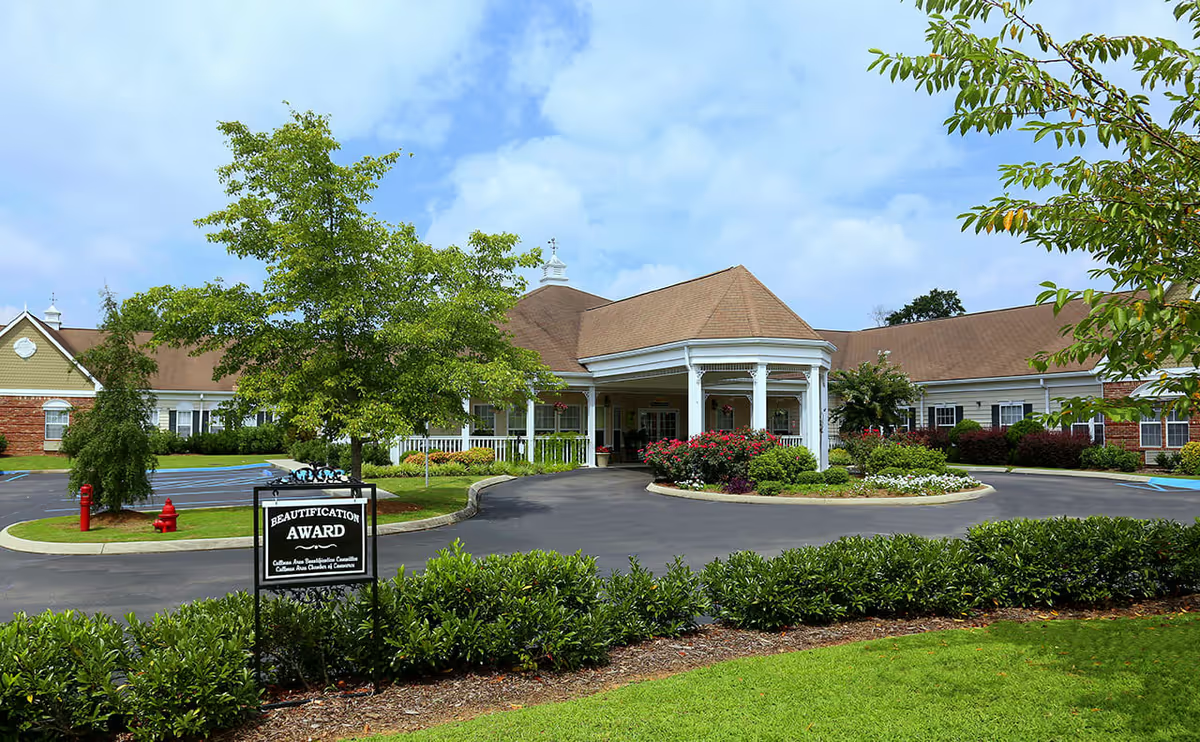
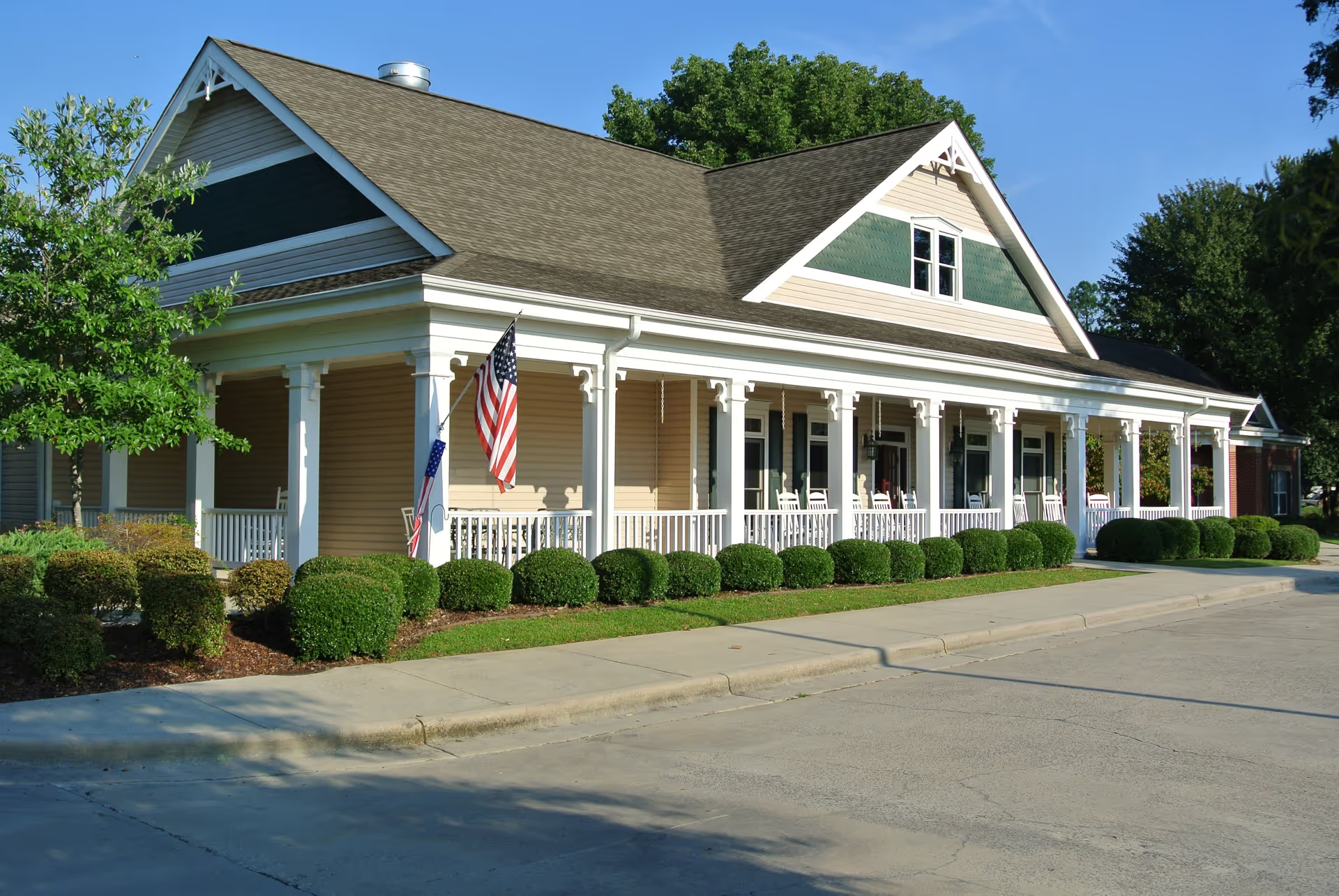
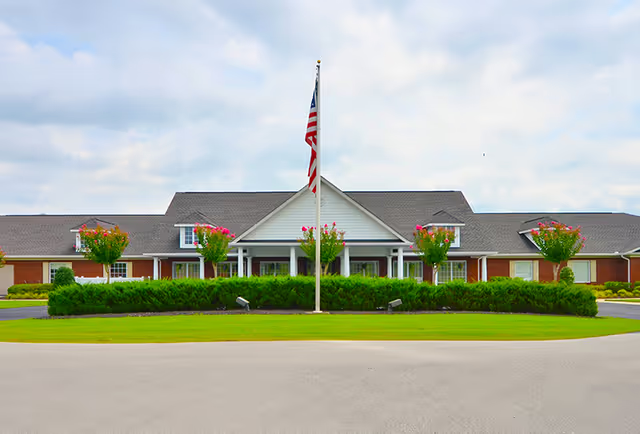
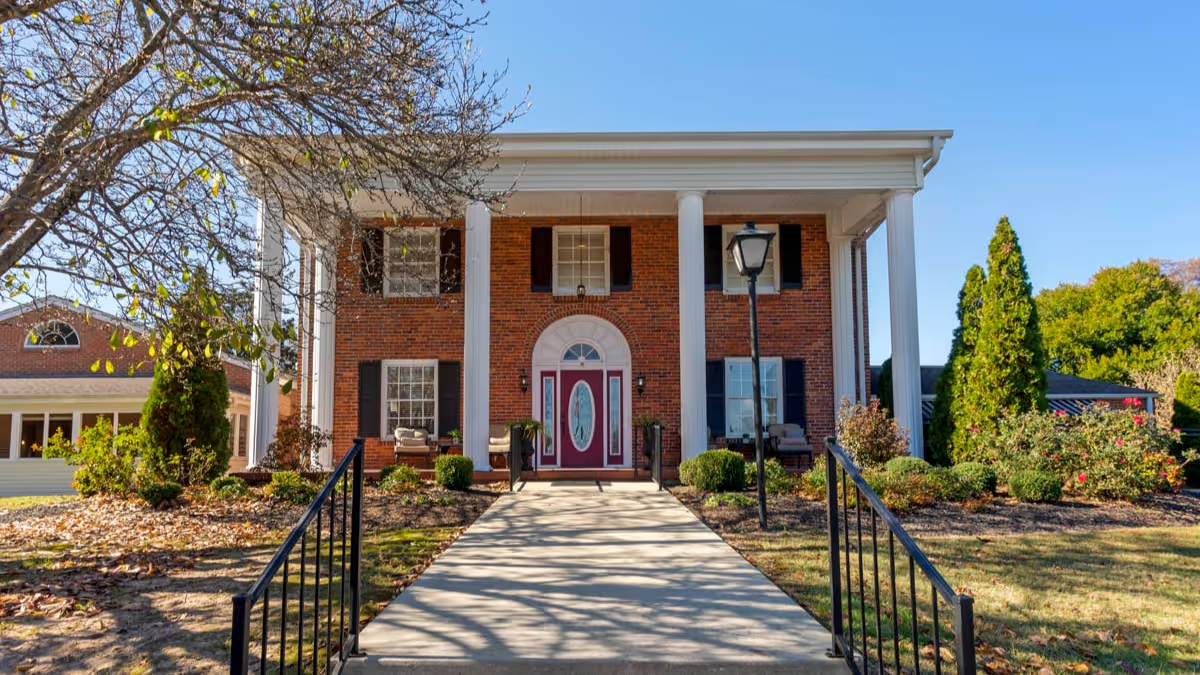
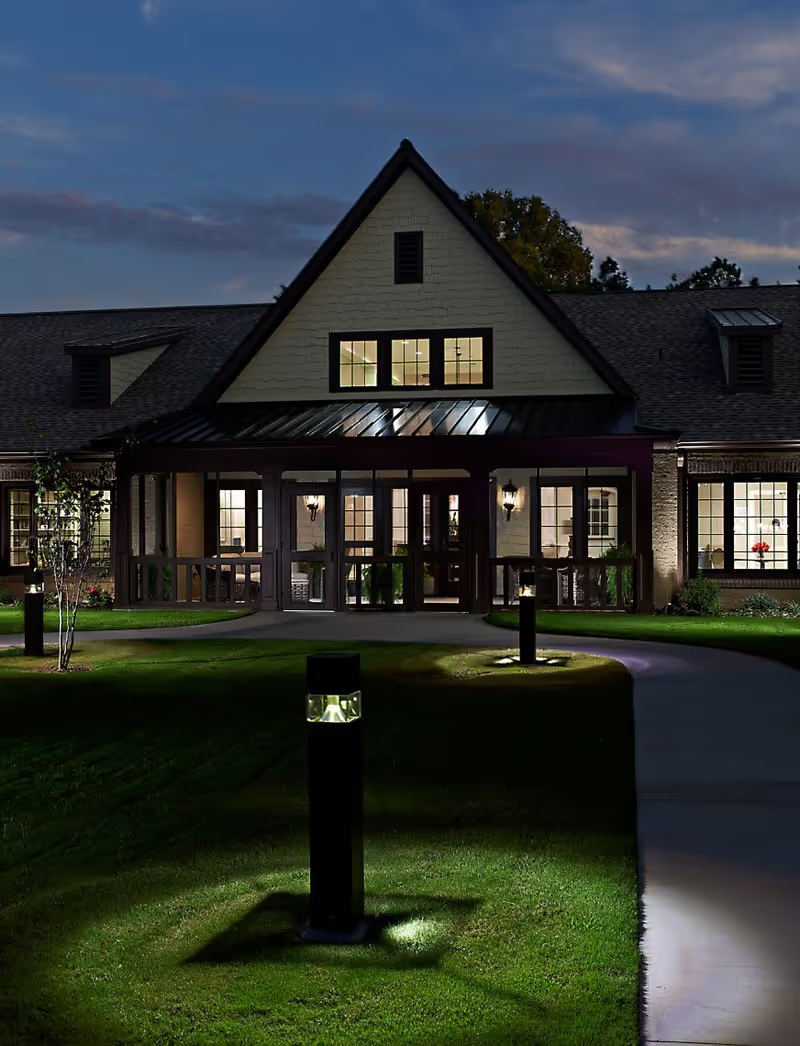
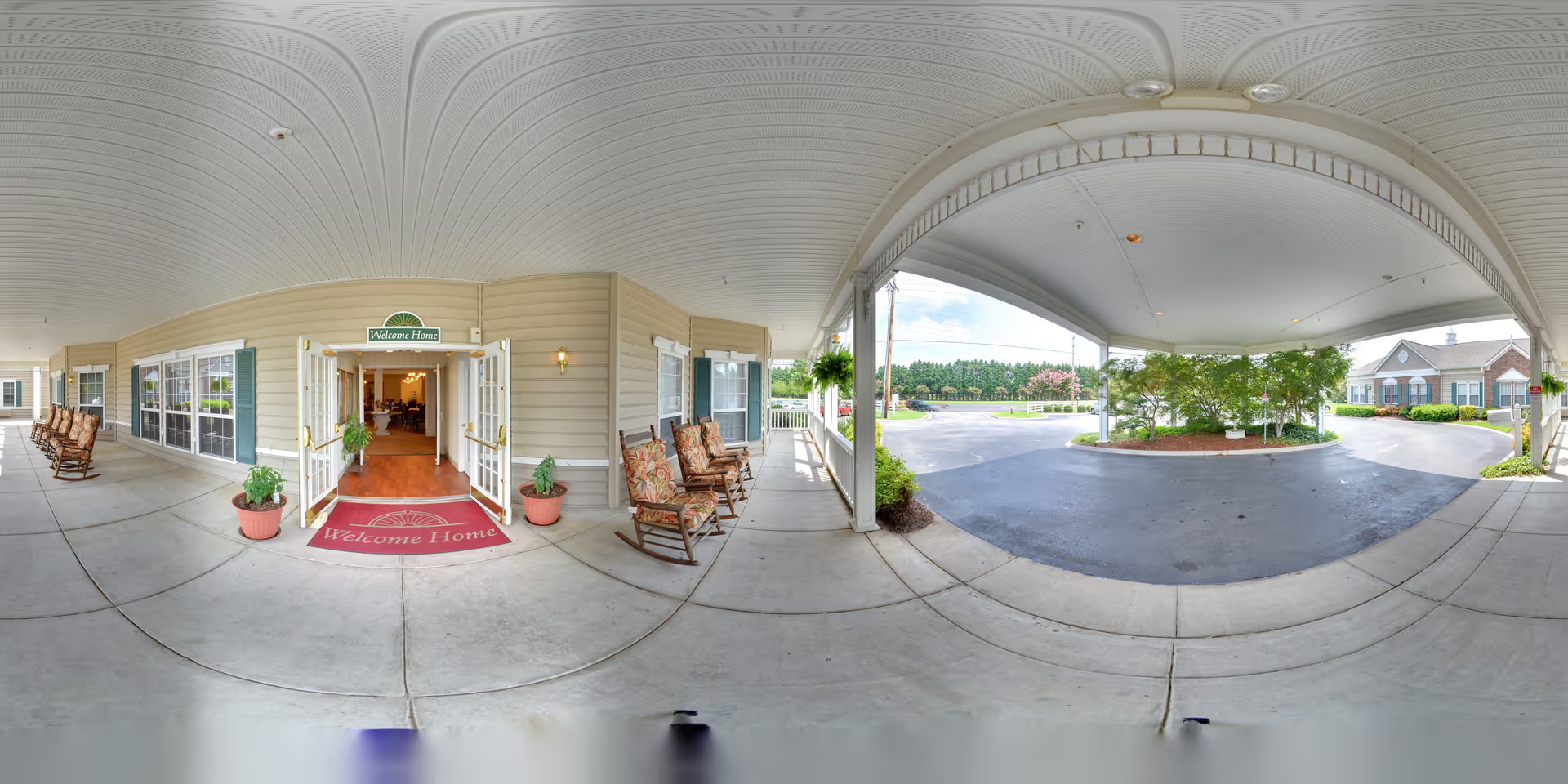
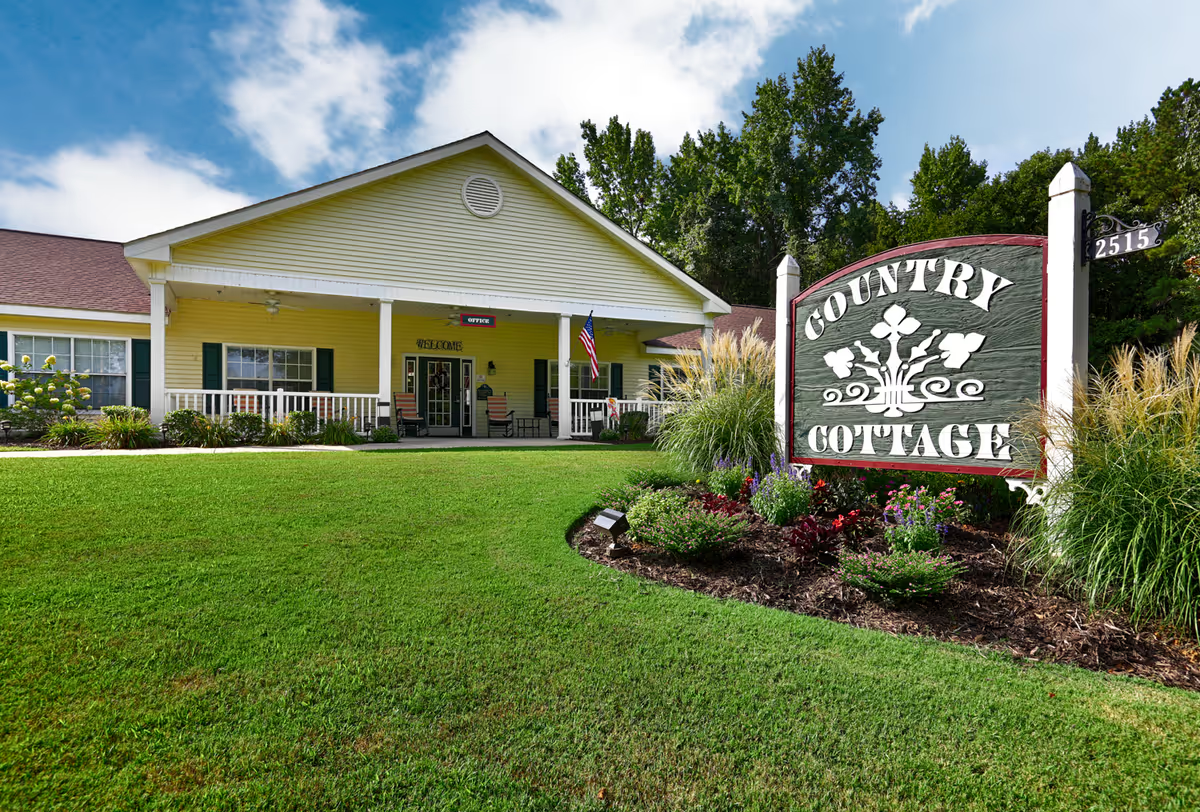
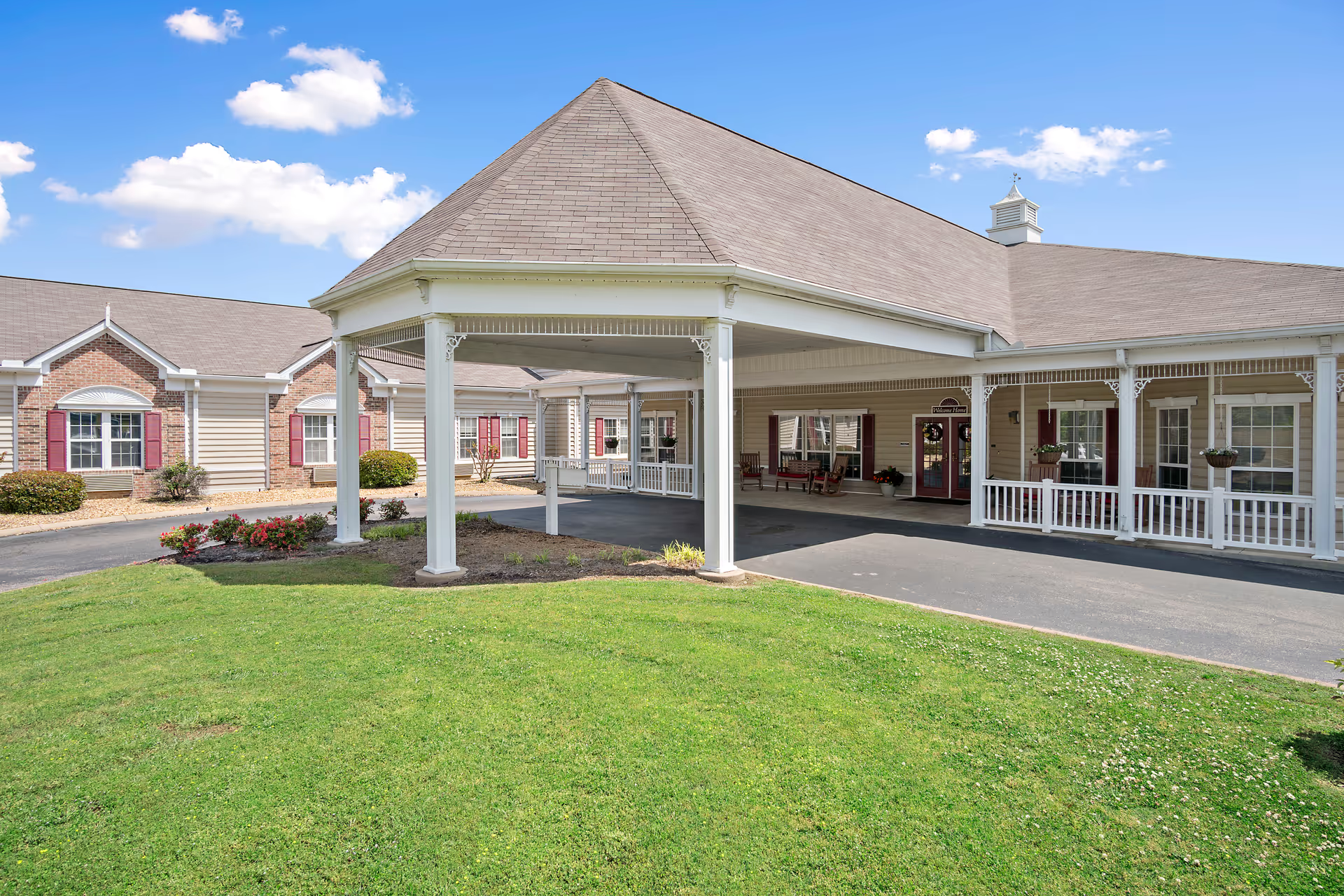
The physical plant and amenities are another mixed area. Many reviewers praise clean, home-like rooms and an overall tidy environment, while others note that parts of the building are dated, with water-damage concerns, limited parking, and active remodeling. Management has signaled plans for renovations and some families credit staff and managers for proactive communication and individual attention; however, inconsistent responsiveness and unresolved property-security issues remain open concerns.
In summary, Folsom Rehabilitation and Healthcare Center demonstrates clear strengths in therapy, frontline caregiving, meal personalization, and social programming that make it a plausible choice for short-term rehabilitation. Families considering longer stays should perform focused due diligence: ask about clinical-monitoring protocols (wound care, infection control, weight/fluid checks), emergency response procedures, medication-administration safeguards, staffing ratios across shifts, property-security policies, and the timeline for planned renovations. Verifying these operational details during a visit and speaking directly with nursing leadership can help align expectations with the facility’s demonstrated strengths and the areas cited for improvement.