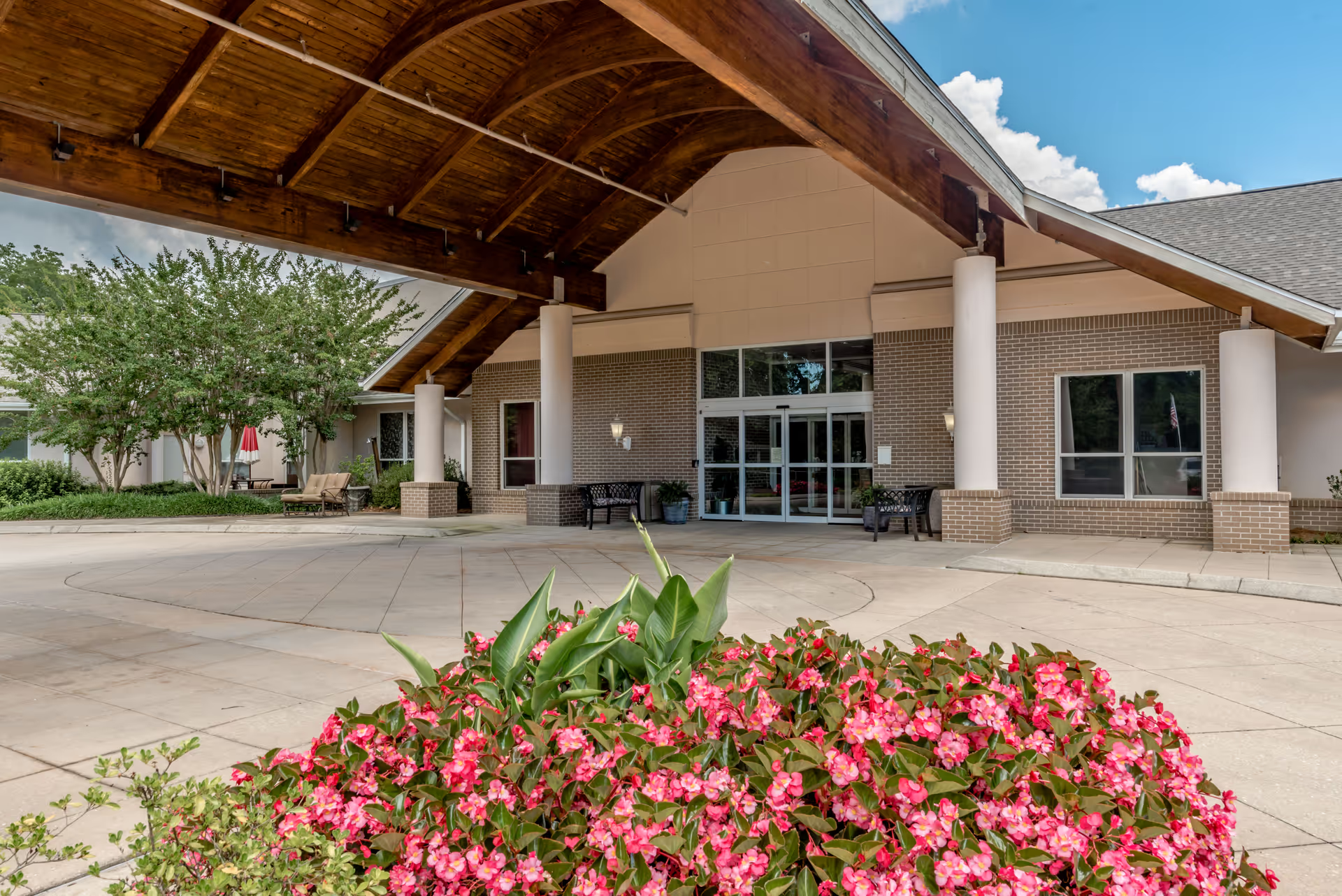
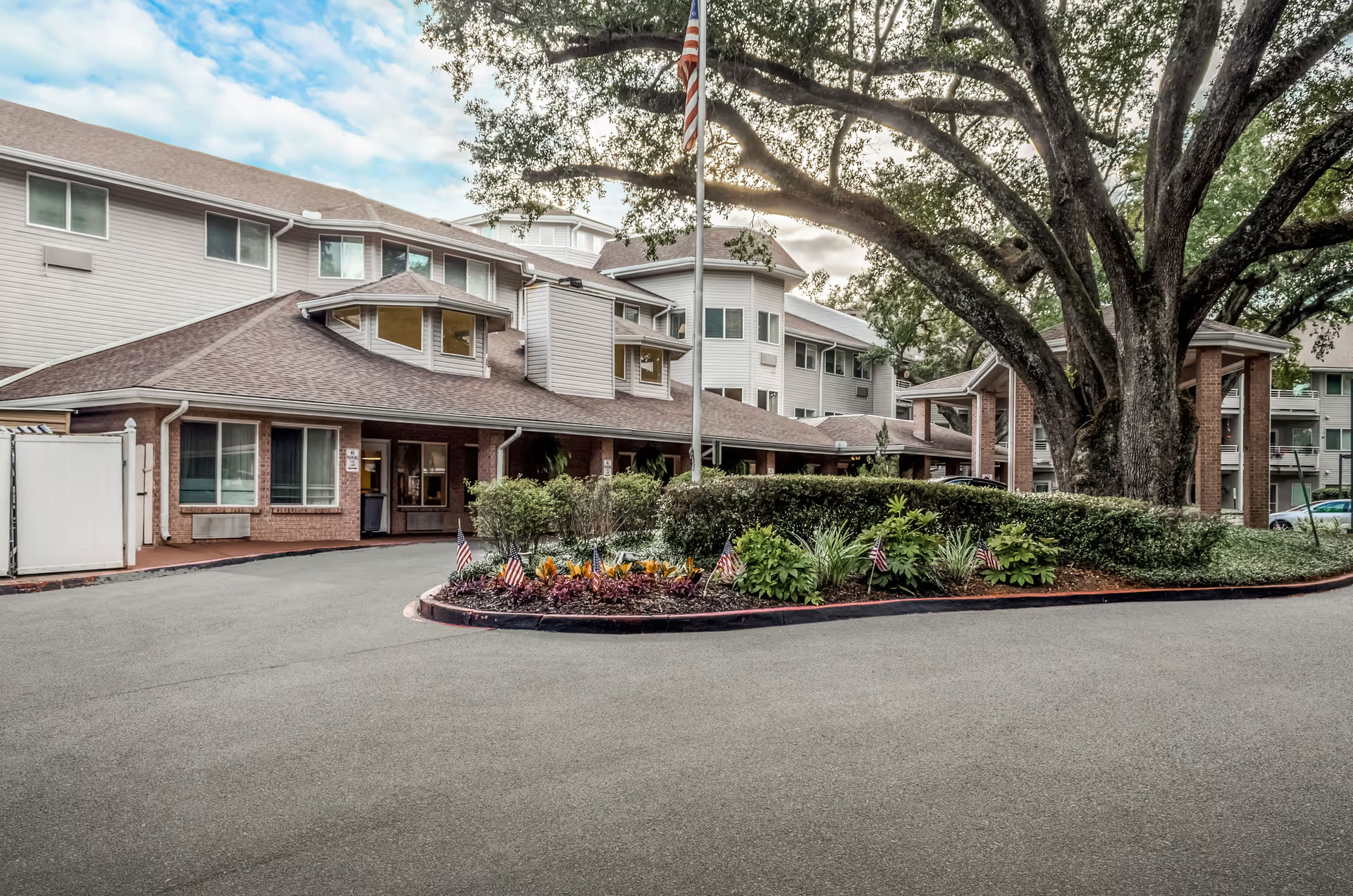
Overall impression: Baldwin House is described consistently as a small, home‑like assisted living community with a pronounced focus on personalized, compassionate care. Reviewers emphasize respectful, attentive staff who develop personal rapport with residents; families frequently used language indicating peace of mind and a sense that residents were treated with dignity. The facility projects a genteel, southern aesthetic and a calm, welcoming atmosphere that many families found comforting.
Care and staff: The dominant theme across summaries is strong caregiving and a family‑oriented culture. Staff are characterized as patient, kind, and willing to learn residents’ histories and preferences. Reviewers singled out both direct caregivers and administrative leaders as accessible and effective in coordinating care, and several families noted continued contact and support after a resident’s passing. These patterns indicate consistent attention to relational aspects of care and to communication with families.
Dining: Dining receives uniformly positive comments. Meals are described as high quality, nutritious, and enjoyable; several reviewers used words such as delicious and scrumptious. The kitchen and meals are presented as a meaningful part of daily life and resident satisfaction, contributing to the overall homelike environment.
Activities and social life: Activity programming appears robust and well‑coordinated. The community offers scheduled exercise, games, choirs and church visits, and frequent off‑campus trips (grocery shopping, farmers’ markets, fishing and similar outings). Reviewers praised the activity coordinator for creating varied, socially engaging options that support mobility and social connection.
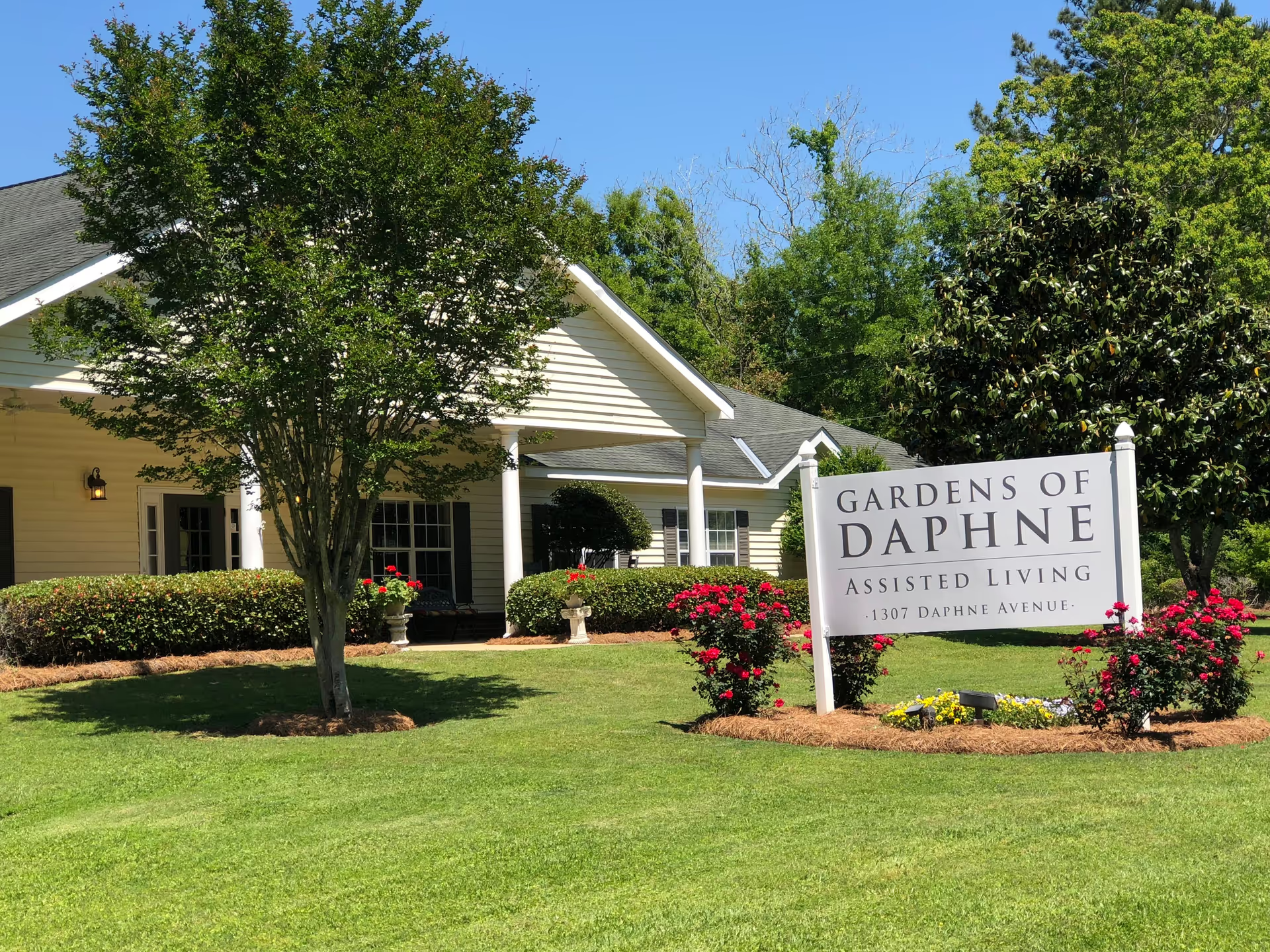
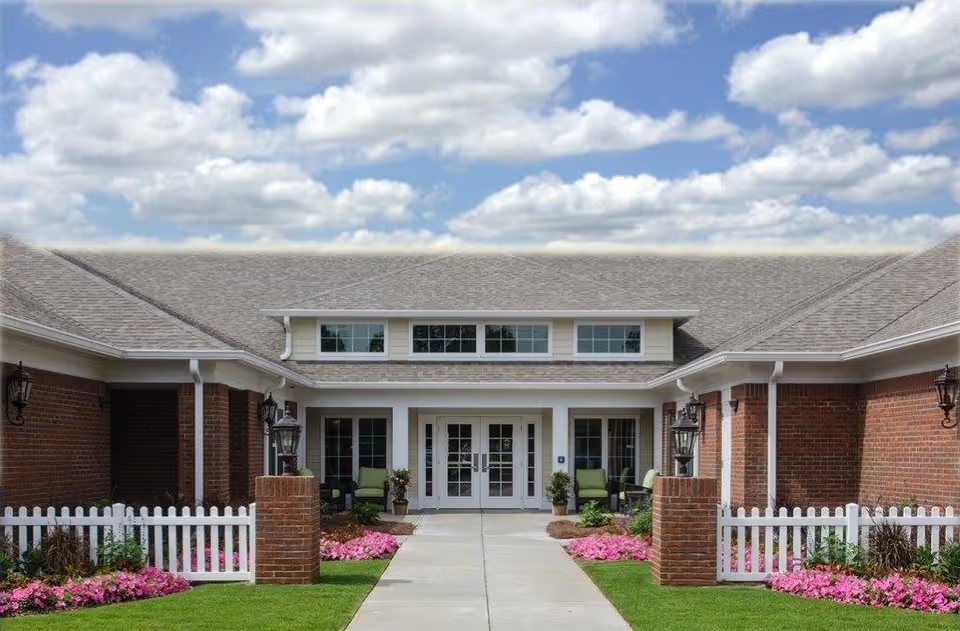
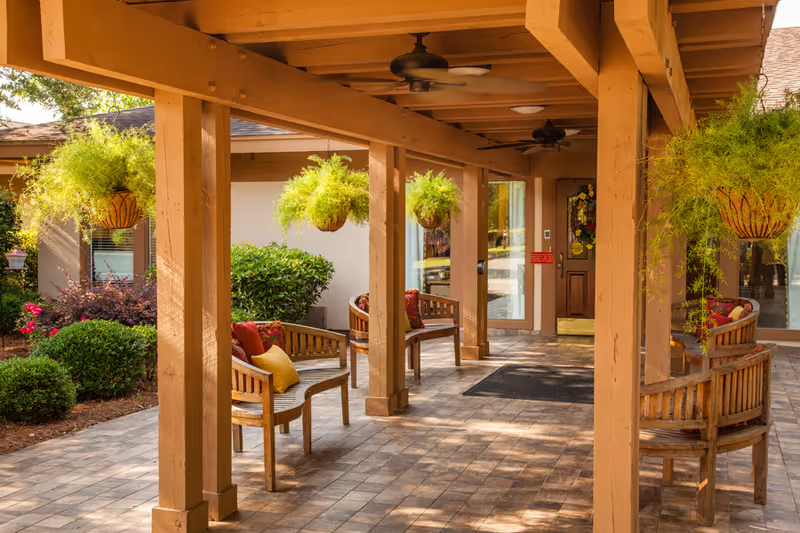
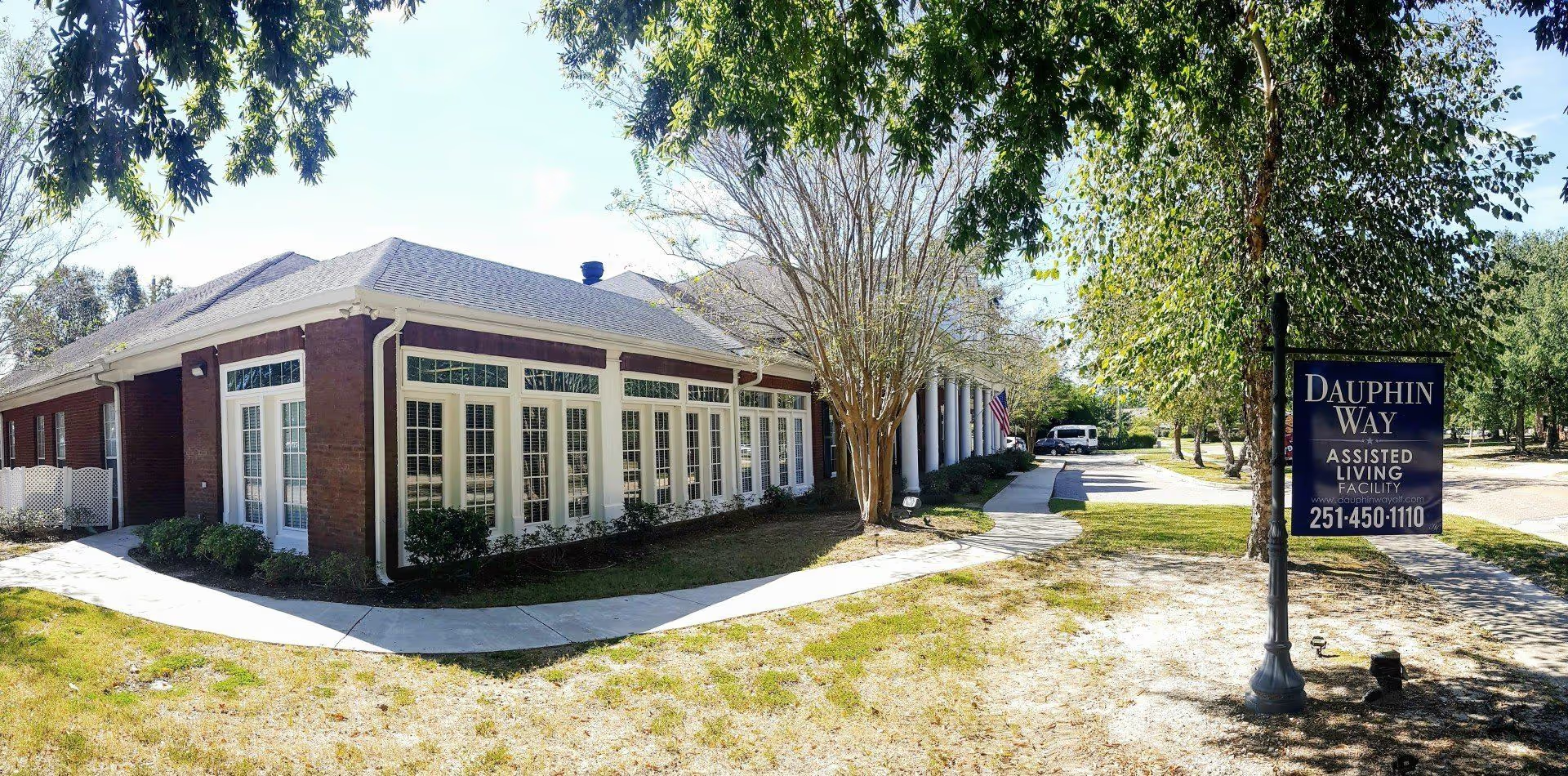
Facilities and environment: Physical spaces are consistently described as clean, well‑kept, and attractively furnished. Rooms are called spacious and well‑appointed, with in‑room amenities noted in smaller units. Grounds and outdoor seating (porches, gardens) are highlighted as pleasant spaces for walking and socializing, contributing to resident wellbeing.
Management and operations: Leadership receives positive mentions for responsiveness and visible presence; reviewers praised administrators by name and described active efforts to improve care climate. At the same time, a few operational caveats appear—primarily stemming from the community’s small size and focused service model. Reviewers noted limited unit variety and raised uncertainty about availability of memory‑care services. There are references to ongoing improvements or renovations, which may temporarily affect routine operations and require prospective families to ask about current construction status.
Notable patterns and practical considerations: The dominant pattern is strong interpersonal care, high resident satisfaction, and active programming in a small, intimate setting. Potential residents and families should weigh that small‑community character against service needs: availability and specialized memory‑care resources appear limited or unclear from reviews, and capacity is modest (about 28–30 rooms), which can affect wait times and fit for higher‑acuity needs. Prospective families may want to confirm current memory‑care options, unit availability, and whether any renovation activity is underway before making a placement decision.