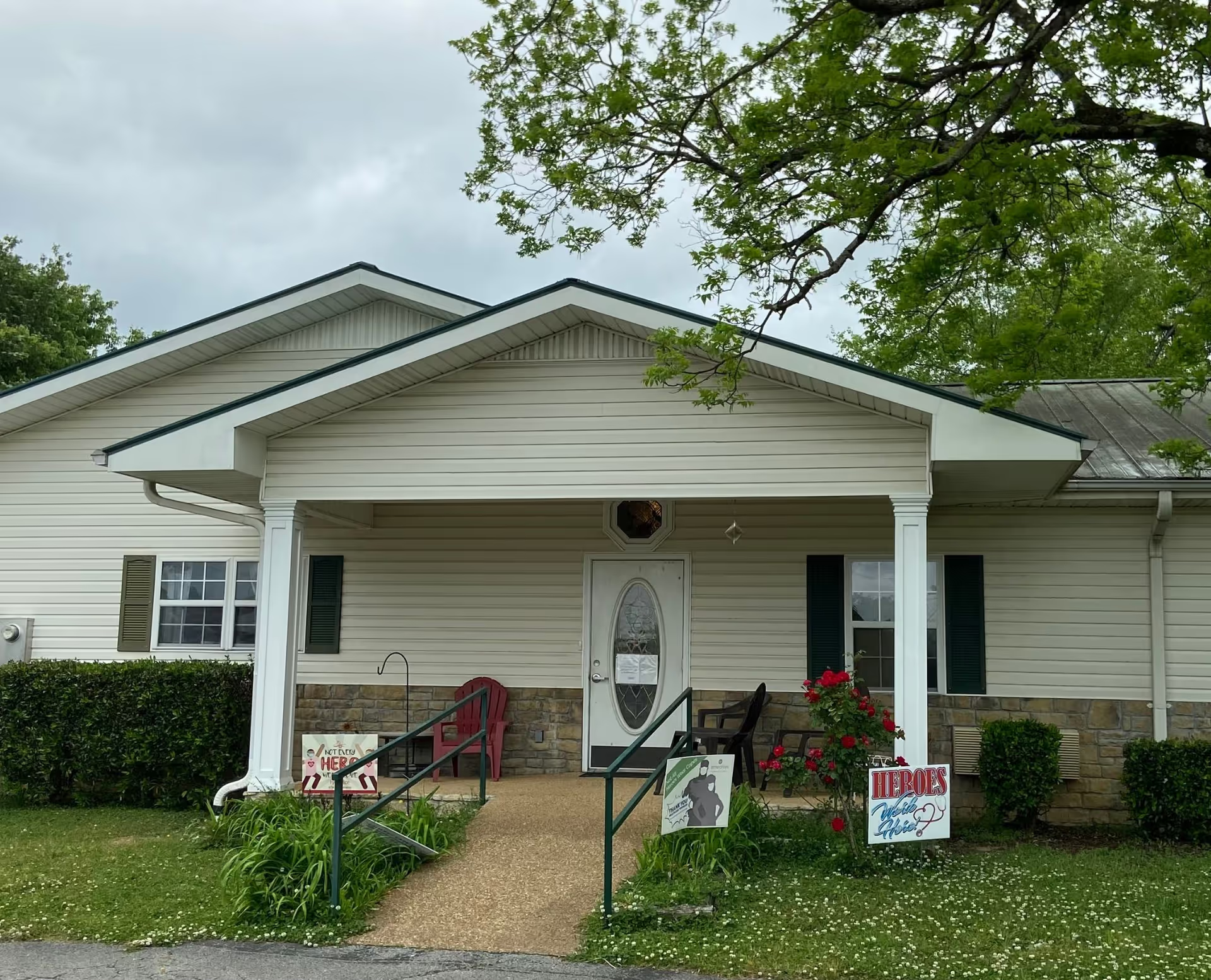
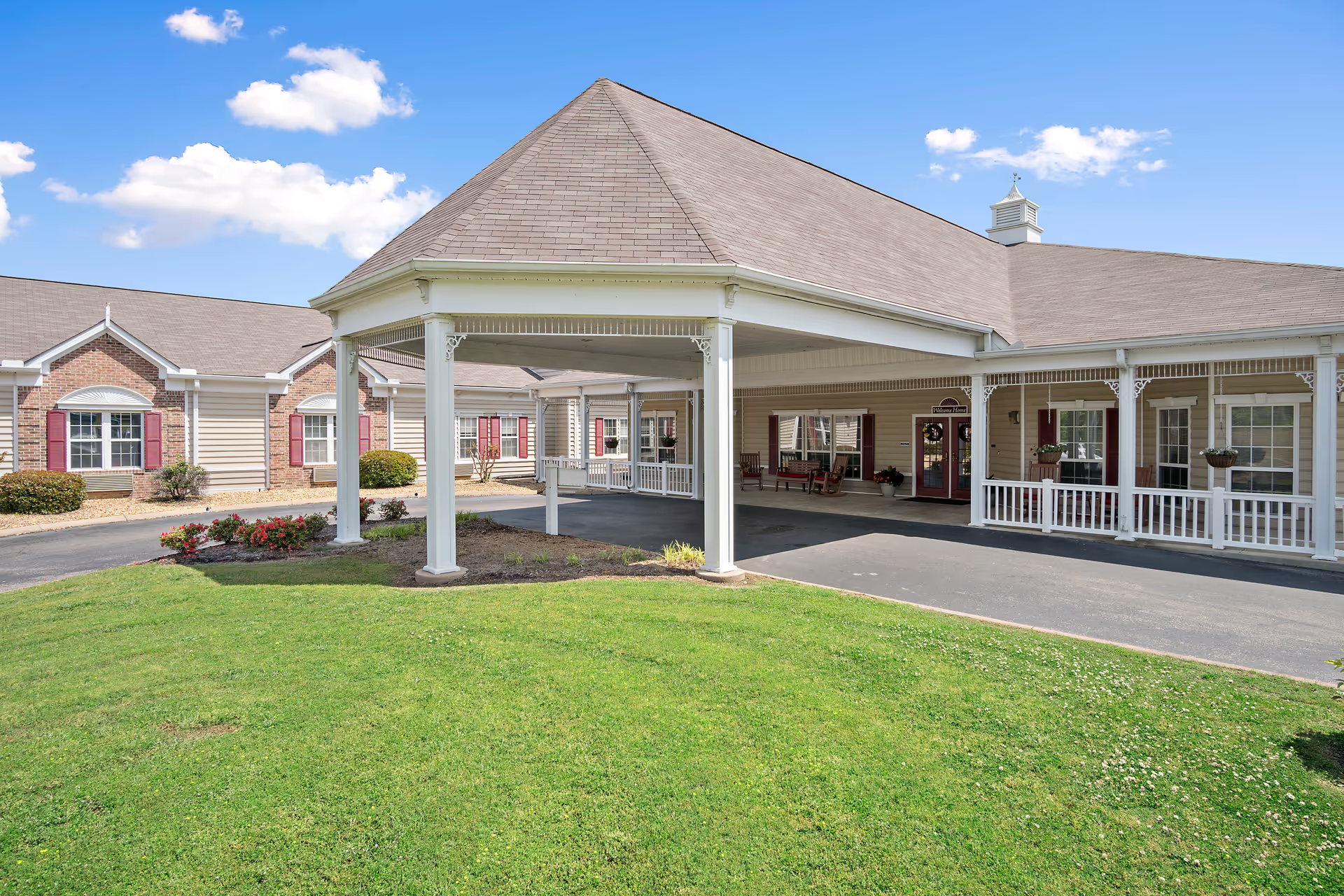
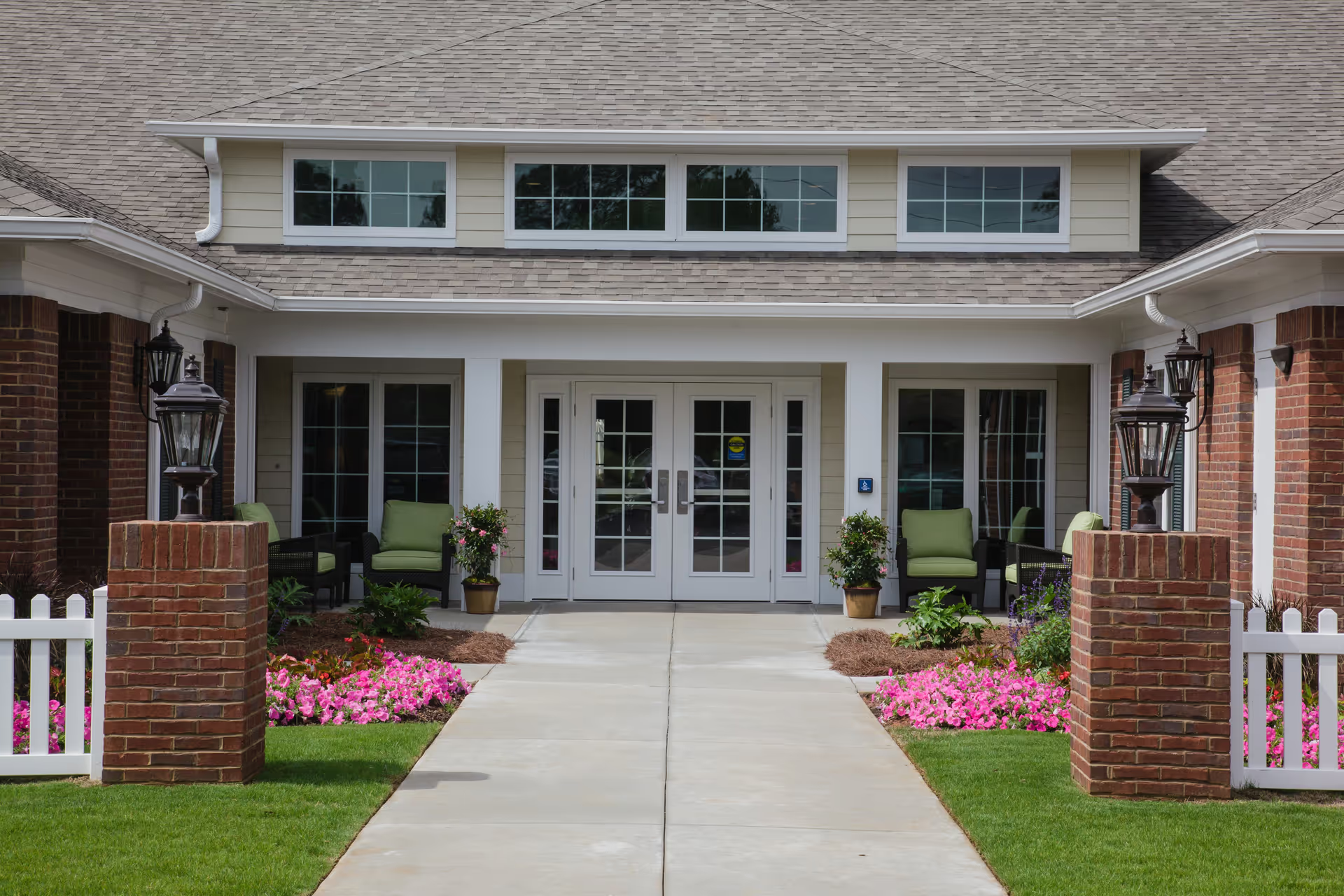
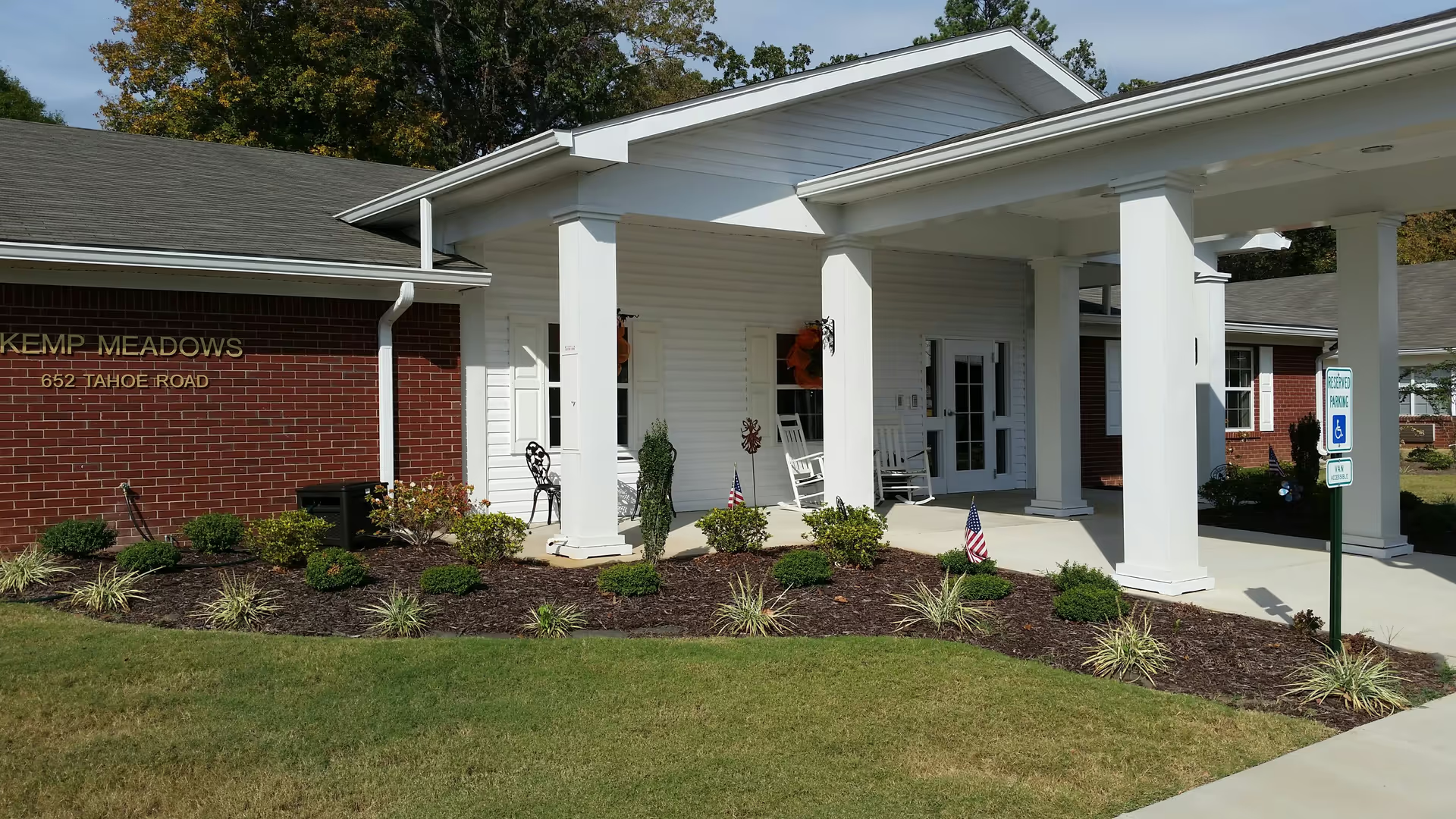
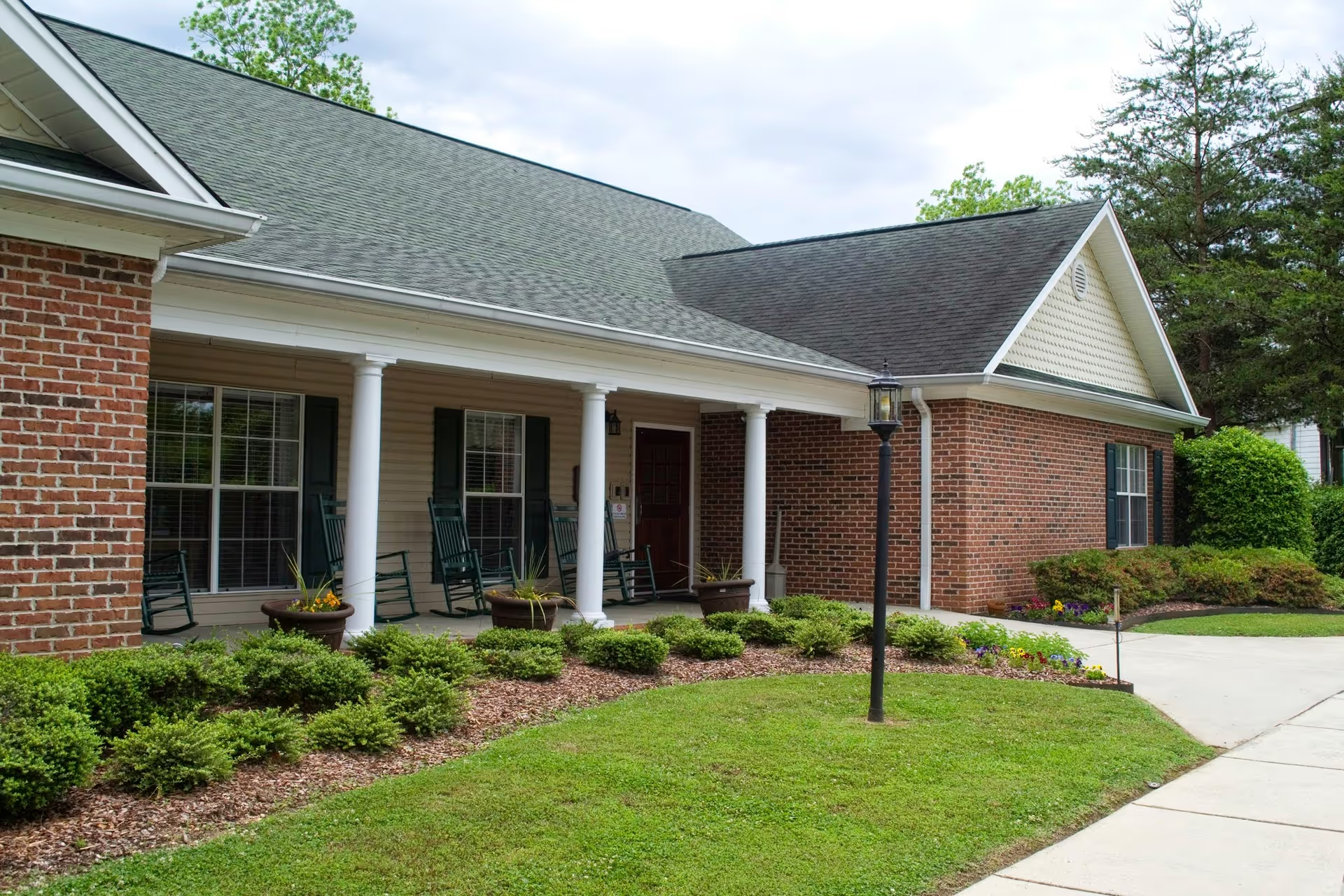
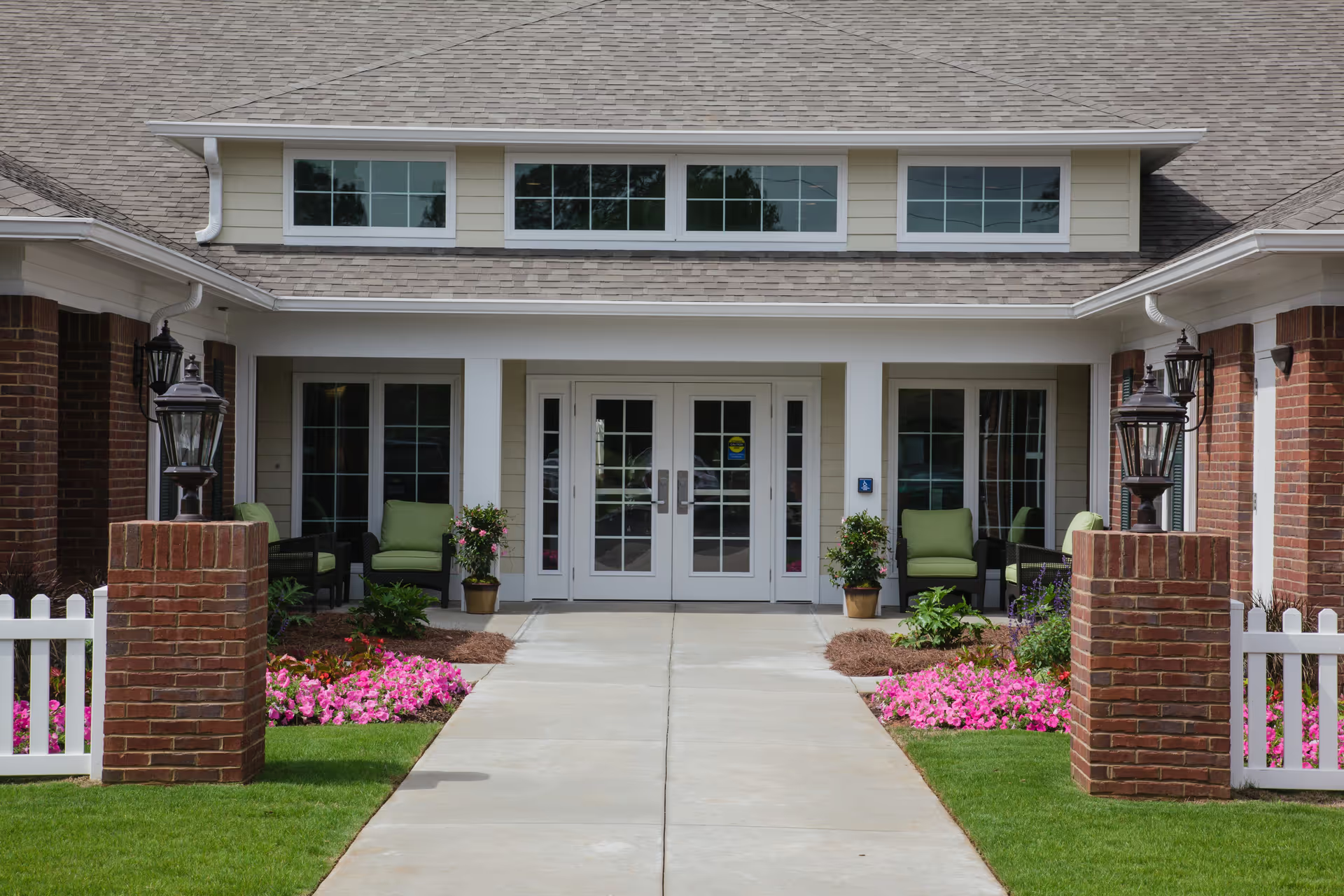
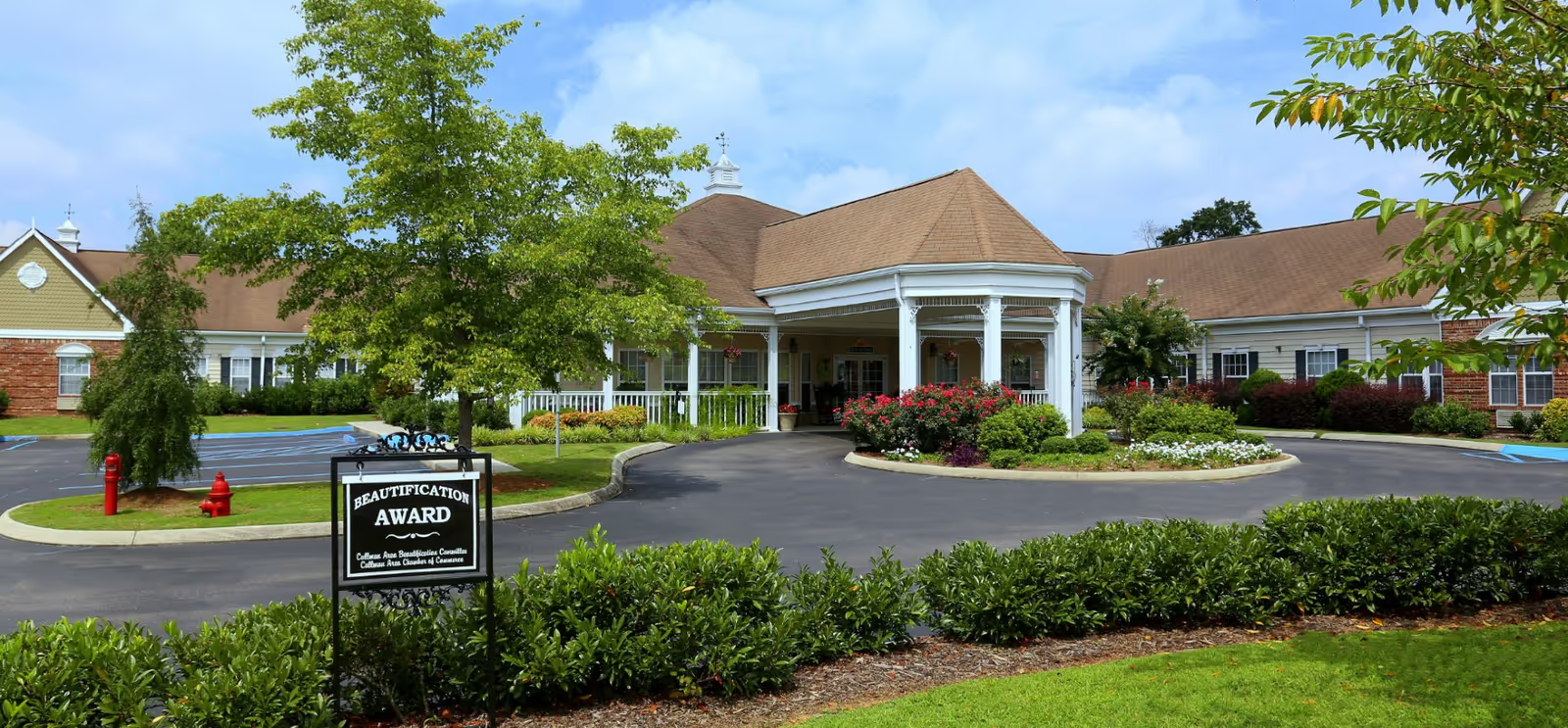
Overall impression: Hendrix Health and Rehabilitation is consistently described as a clean, bright, and well-kept facility with strengths in short-term rehabilitation and a strong culture of family-centered caregiving. Many accounts emphasize meaningful functional improvements during rehab stays and describe staff who present as caring, attentive, and invested in residents’ well-being. The physical plant, private-room options with showers and baths, and on-site activities support a comfortable residential environment.
Care and staff: Numerous reviewers praise nursing and caregiving staff for their compassion and a family-like approach; several comments single out nurses and social-work staff as helpful and responsive. At the same time, there is clear variability in staff behavior and responsiveness across shifts or units: some families describe courteous, attentive interactions while others report rudeness or poor phone etiquette. This pattern suggests that resident experience can depend on which staff are on duty and that staff consistency is an area for improvement.
Dining, activities, and facilities: Dining is generally regarded positively, with multiple mentions of good food. Recreational offerings such as bingo and card games are noted as active and appreciated by residents. The facility’s cleanliness and upkeep are recurring positives, and room features (individual showers/baths, storage) are viewed favorably for both short-term rehab and longer-term placement.
Management, communication, and safety patterns: Several reviews raise concerns about inconsistent communication, gaps in follow-through on care plans, and limited accountability when problems arise. These operational weaknesses manifest as delayed or incomplete responses to family inquiries, uneven follow-through on agreed interventions, and inconsistent phone etiquette. There are also indications of deficiencies in discharge and transfer procedures and in the facility’s handling of clinical incidents and safety monitoring; one account includes an allegation of improper staff conduct followed by an abrupt discharge and rapid transfer. While this appears to be an individual serious claim rather than a documented pattern, it accentuates the importance of confirming incident-response policies.
What to verify during a visit: prospective residents and families should confirm staffing patterns across shifts, ask about care-plan follow-through and escalation pathways, review discharge and transfer protocols, and inquire how the facility communicates with families (including phone/after-hours processes). Given the generally strong rehabilitation results and the facility’s positive environment, these operational checks can help determine whether the staffing consistency and communication practices meet the family’s expectations.