Overall impression: Review summaries indicate a facility with significant strengths in direct care, rehabilitation, and resident engagement, alongside recurring administrative and operational concerns. Many reviewers emphasize compassionate nursing, attentive day-to-day caregiving, and strong therapy services that contributed to clinical improvement and successful recoveries. Housekeeping and cleanliness are repeatedly noted as positives, and the environment is described as bright, welcoming, and family-like.
Care quality and staff: Nursing and therapy staff receive consistently positive remarks for compassion, professionalism, and effectiveness. Several comments highlight successful rehab outcomes, good medication management, and staff who are attentive and respectful. Activity staff and aides are frequently described as warm and supportive; reviewers often mention individualized attention and frequent family visits. At the same time, there are indications of variability in care responsiveness and continuity—some accounts describe delays or unsatisfactory experiences with clinical follow-through—suggesting that quality may fluctuate by shift or unit.
Dining and activities: The facility’s activities program is a clear strength, with references to movies, bingo, and an active schedule that residents enjoy. Meals receive positive remarks from multiple reviewers, who described food they and their relatives appreciated. Overall, programming appears designed to engage residents socially and therapeutically.
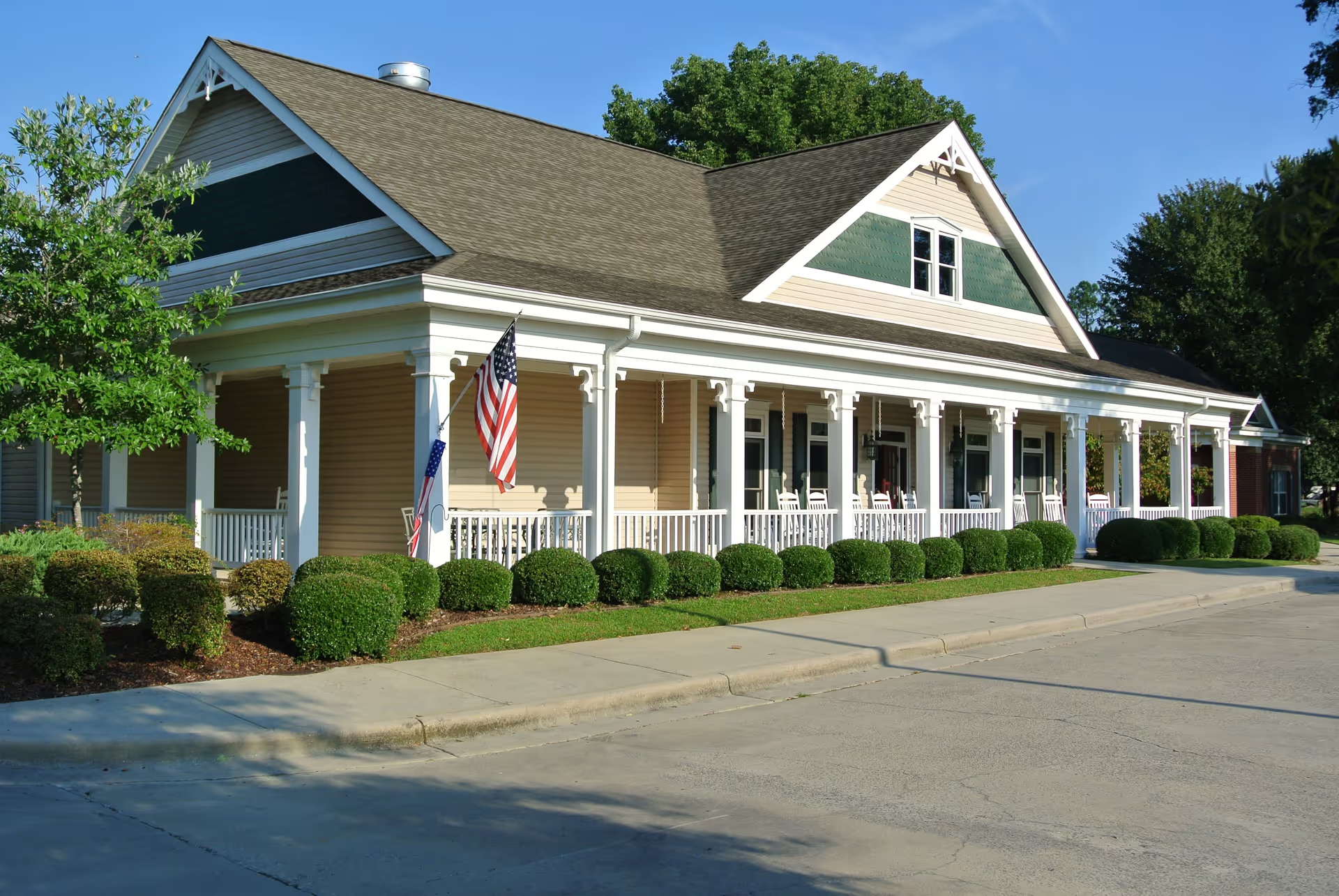
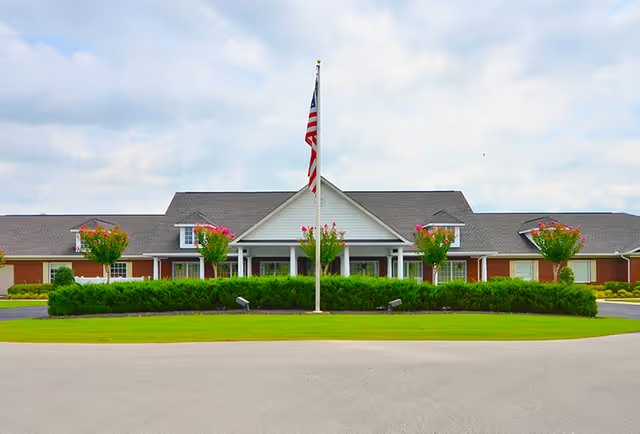
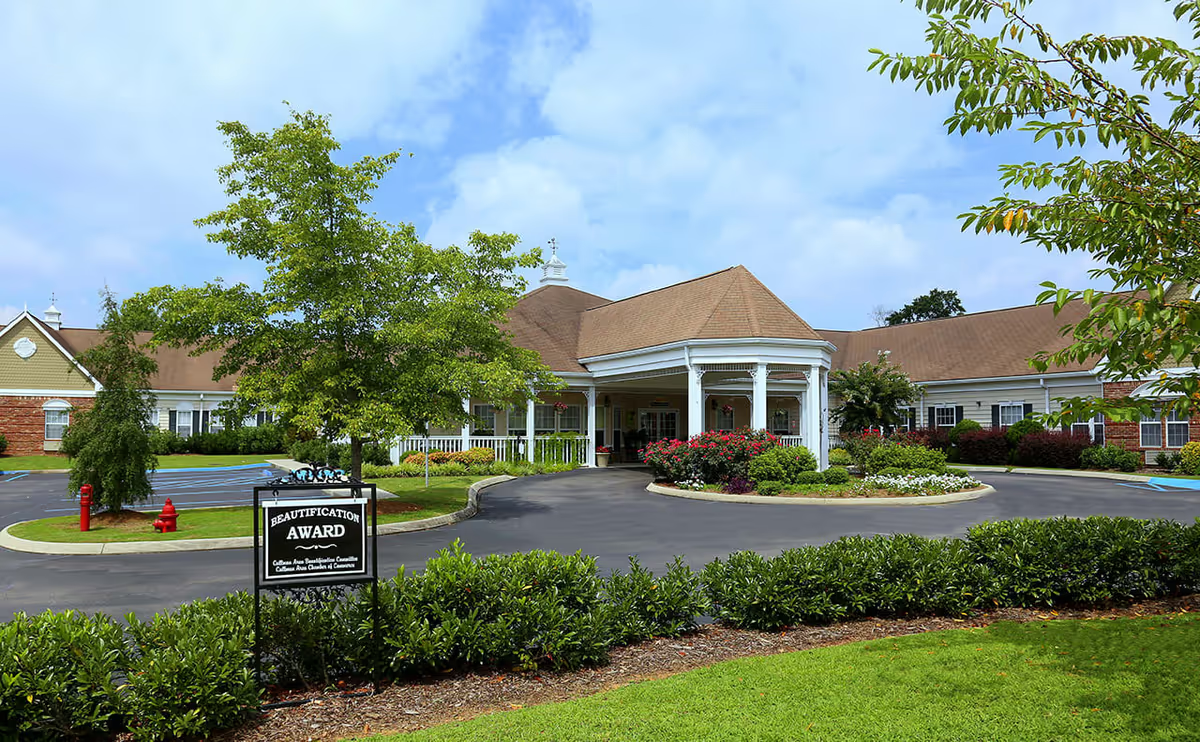
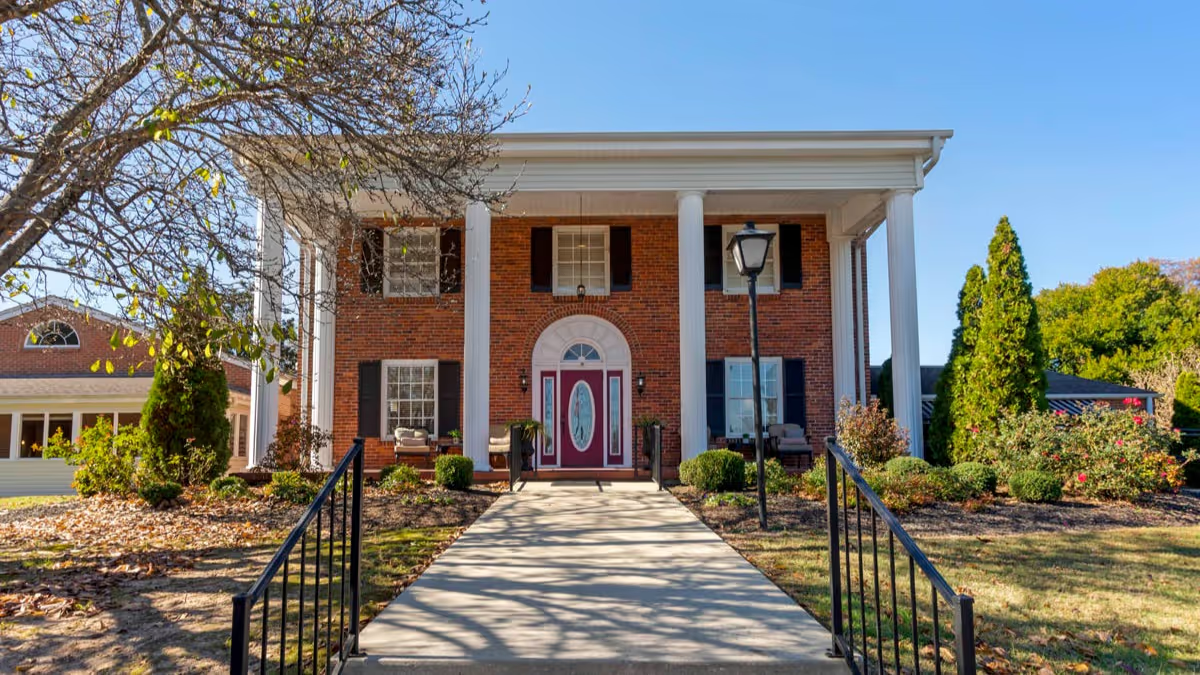
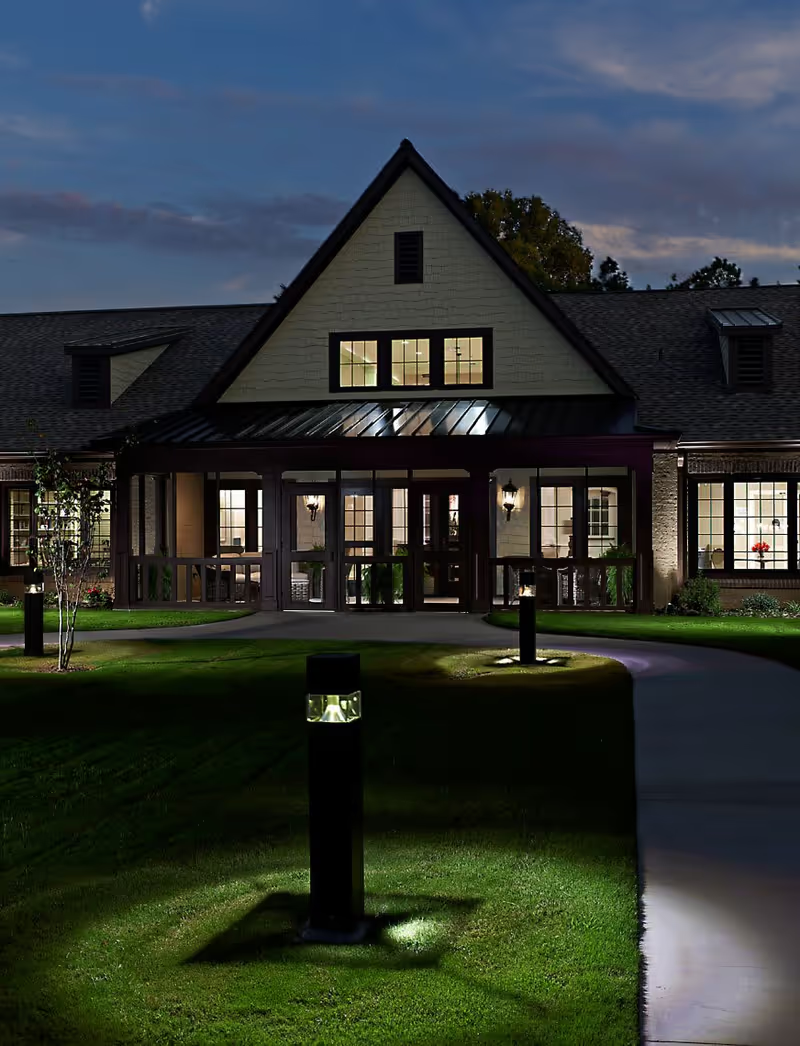
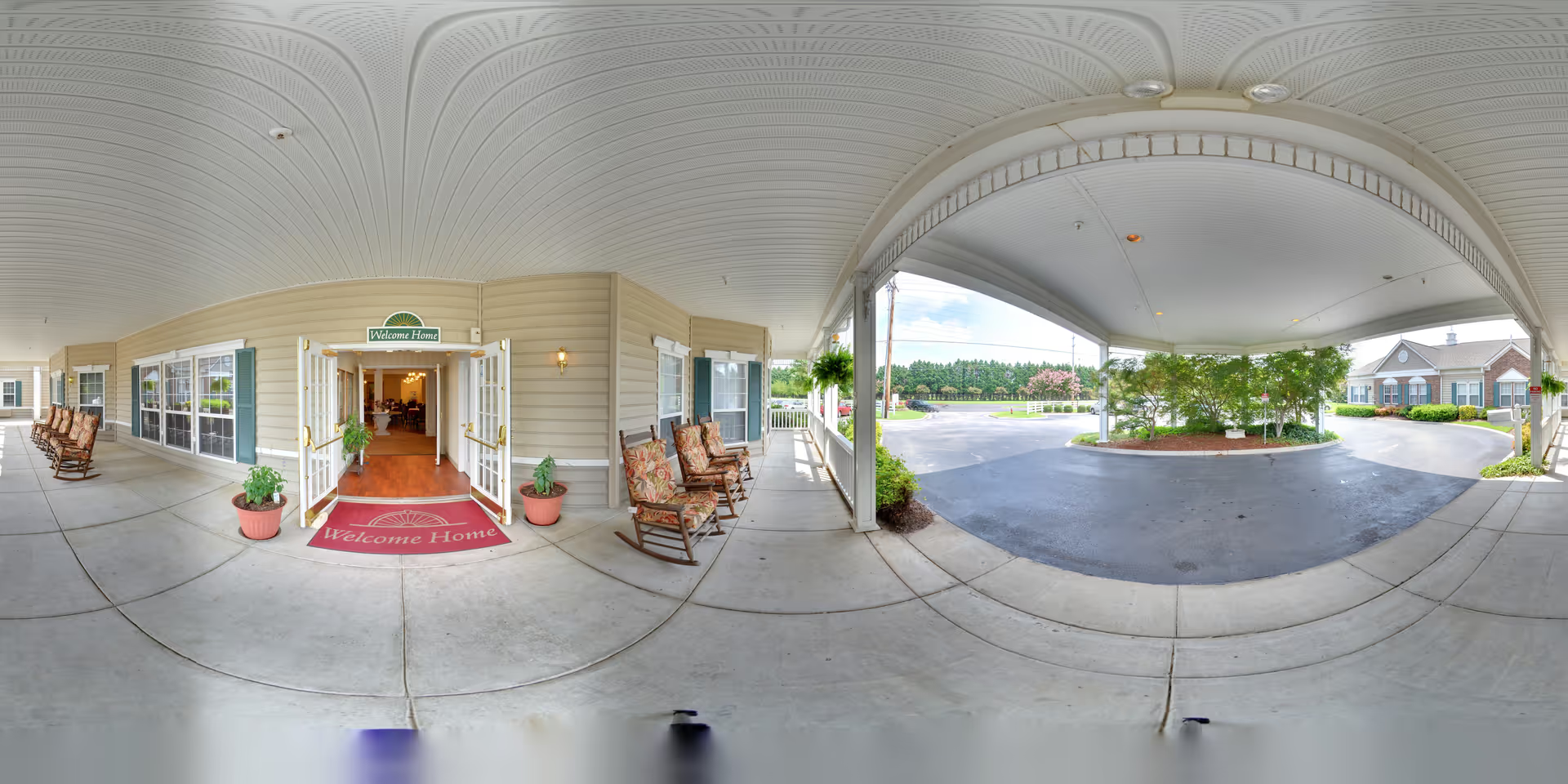
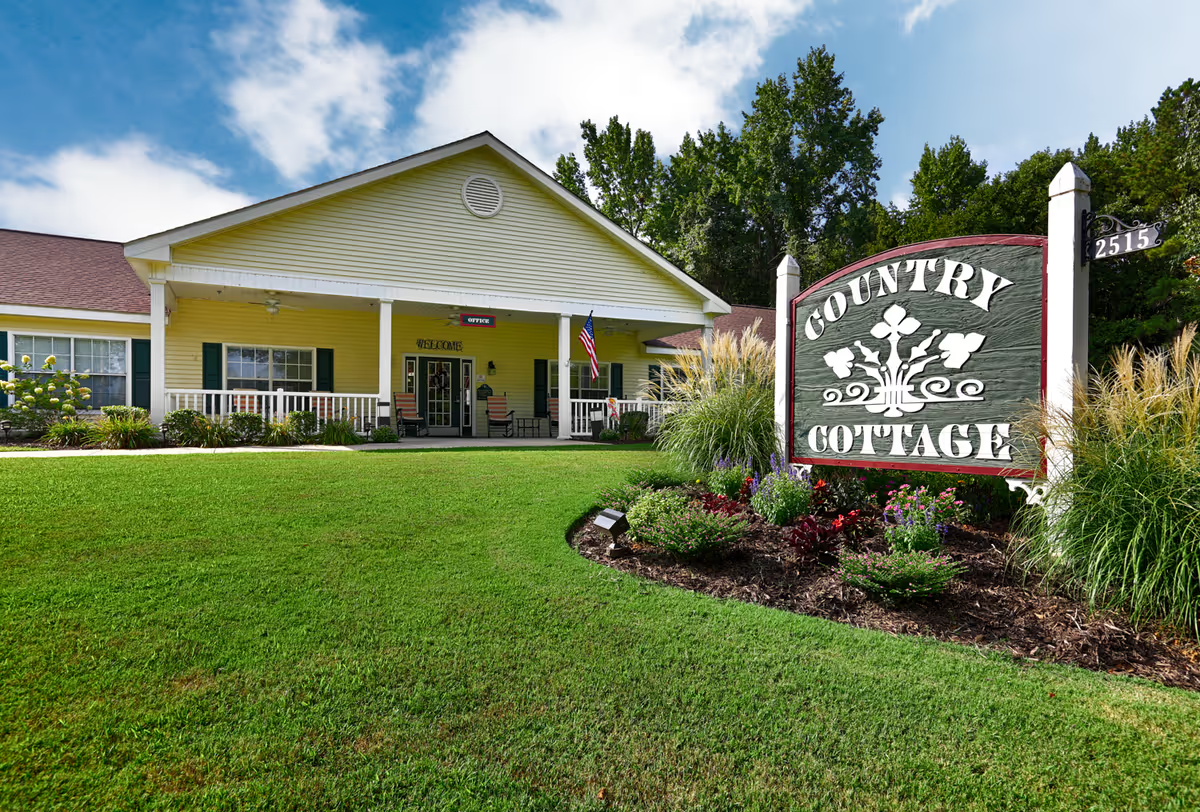
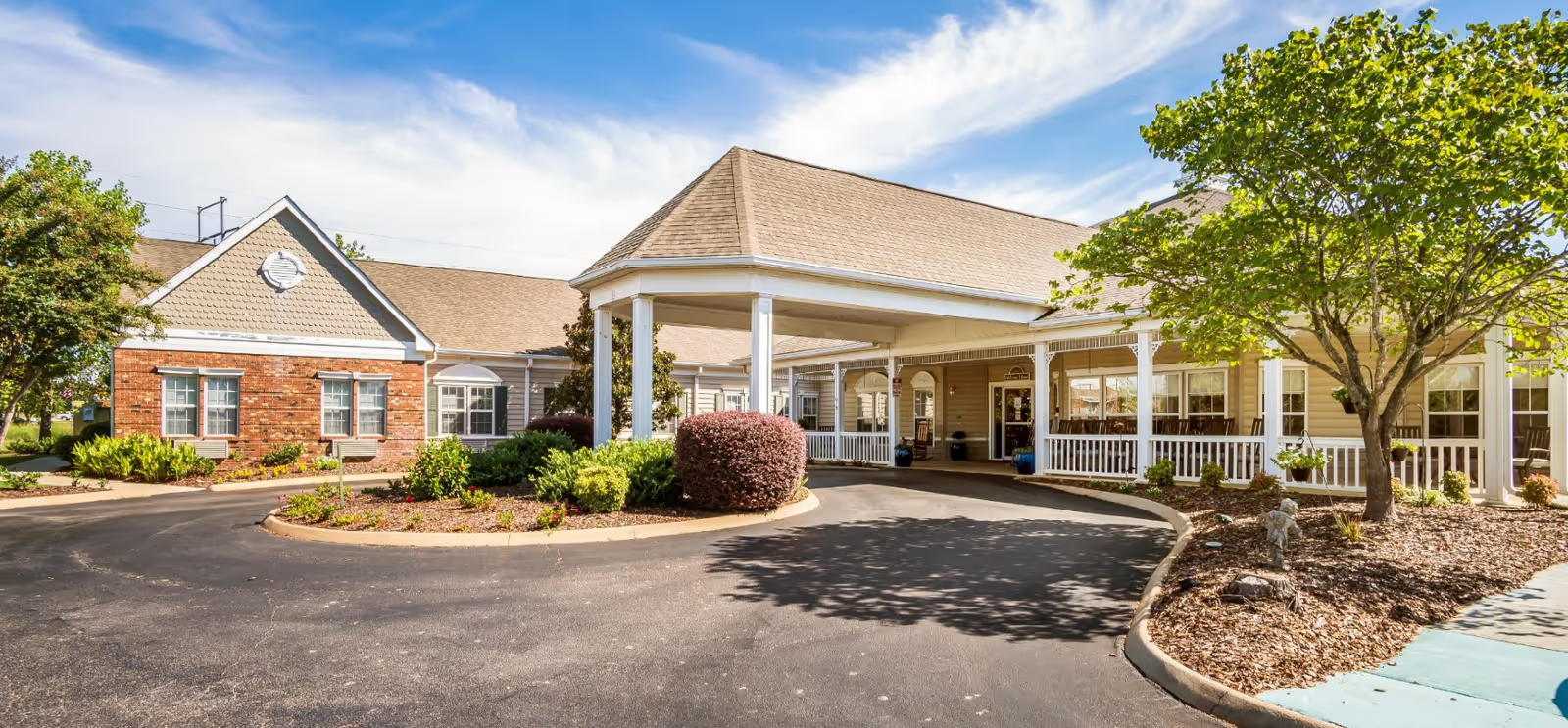
Facilities and environment: Physical spaces are generally praised—clean rooms, attractive public areas, bright spaces, and a pleasant indoor atmosphere are repeatedly noted. Housekeeping is viewed as reliable, and admission areas as welcoming. There are, however, comments about cosmetic work and maintenance needs in places; these suggest periodic upkeep and appearance projects remain ongoing.
Management, communication, and safety: Administrative experience is mixed. Strengths include examples of supportive administration and strong discharge coordination that aided transitions home. Conversely, numerous reviewers identify weaknesses in front-desk and telephone responsiveness, and in how office-level concerns are handled. A small number of reviewers raised serious allegations regarding post-discharge coordination and infection-exposure handling (including instances involving COVID exposure and staff working after exposure). Those accounts point to potential gaps in infection-control procedures and in consistent application of transition protocols. Taken together, the pattern suggests generally good clinical and rehabilitation care at the bedside but uneven performance in administrative communication, crisis-response, and some operational controls.
Recommendation for prospective families: Families considering this facility should weigh the strong clinical, therapy, and activities profile against administrative and operational variability. Ask the facility for current policies on infection control and staff-exposure management, documentation of discharge and transition procedures, examples of family-communication protocols, and evidence of planned maintenance or cosmetic improvements. Observing shift changeovers and speaking with the admissions or social-work team about escalation pathways can help clarify how the facility addresses the operational concerns that appear intermittently in reviews.