Summerford Health and Rehab elicits strongly mixed but patternable feedback. Many reviewers describe a supportive, family-like atmosphere led by compassionate and personable caregivers. Therapy and rehabilitation services receive frequent praise for effectiveness and individualized attention; multiple accounts note successful recovery outcomes and positive experiences with physical, occupational, and speech therapy teams. Admissions and intake personnel, along with several named clinical liaisons, are commonly described as helpful and attentive, easing transitions for residents and families.
Staff performance is a central strength and a central area of variability. Numerous families highlight attentive, patient, and kind frontline staff, and several nurses and aides are specifically praised for communication and advocacy. At the same time, recurring operational issues are reported: persistent staffing shortages, inconsistent staffing ratios across shifts, and delayed responses for routine care tasks (including bathing, incontinence care, and providing fluids or snacks). These patterns are associated in some cases with lapses in clinical follow-up and wound-management oversight that required higher-level care or transfer to acute settings.
Dining and nutrition are generally regarded positively; the facility is noted for home-style meals and well-liked menu items, and dietary staff are credited with accommodating preferences when alerted. However, reviewers raised concerns about limited routine specialized menus—most notably diabetic meal options—and periods when snacks or preferred items were not readily available for residents who needed them.
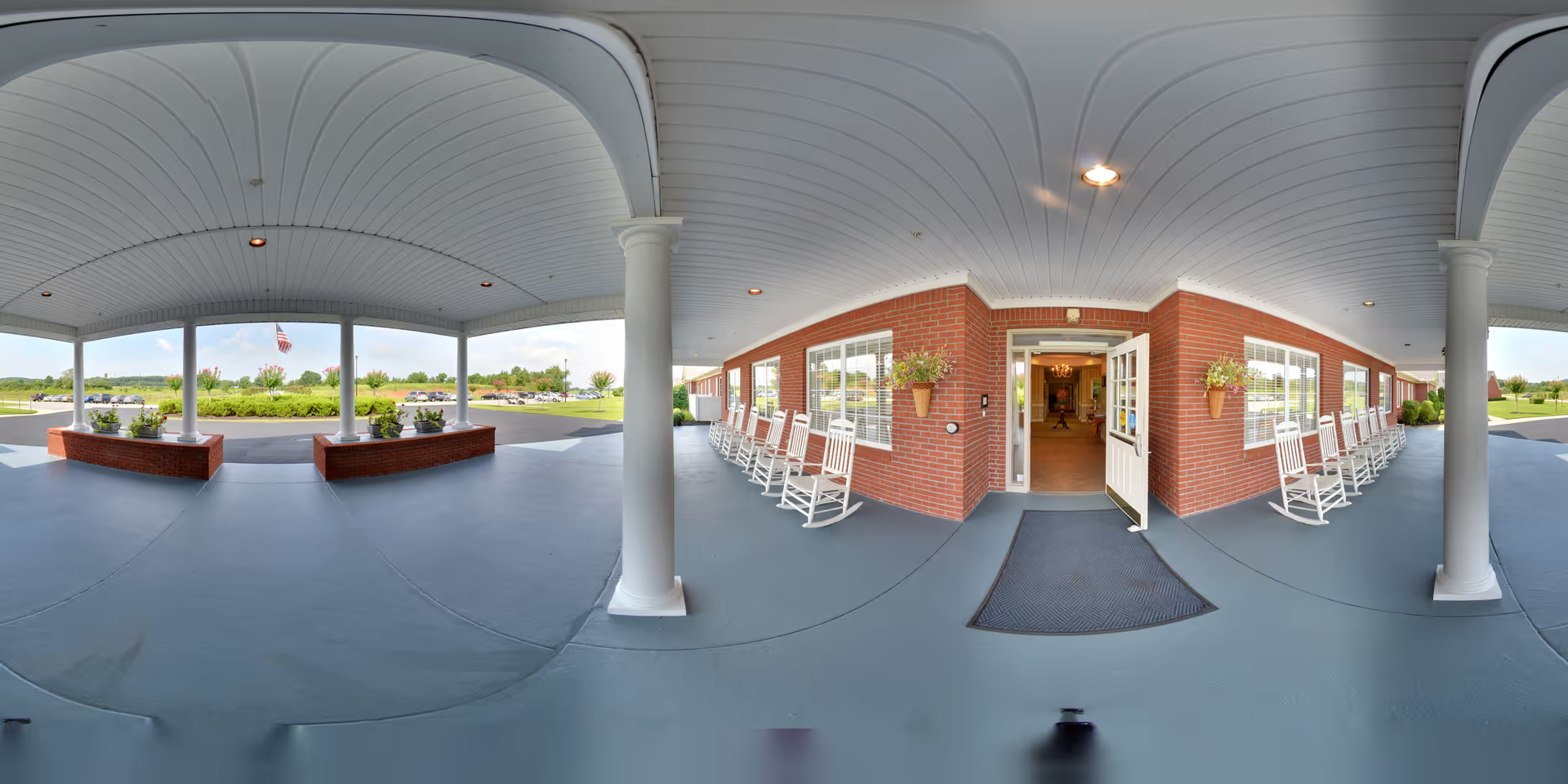
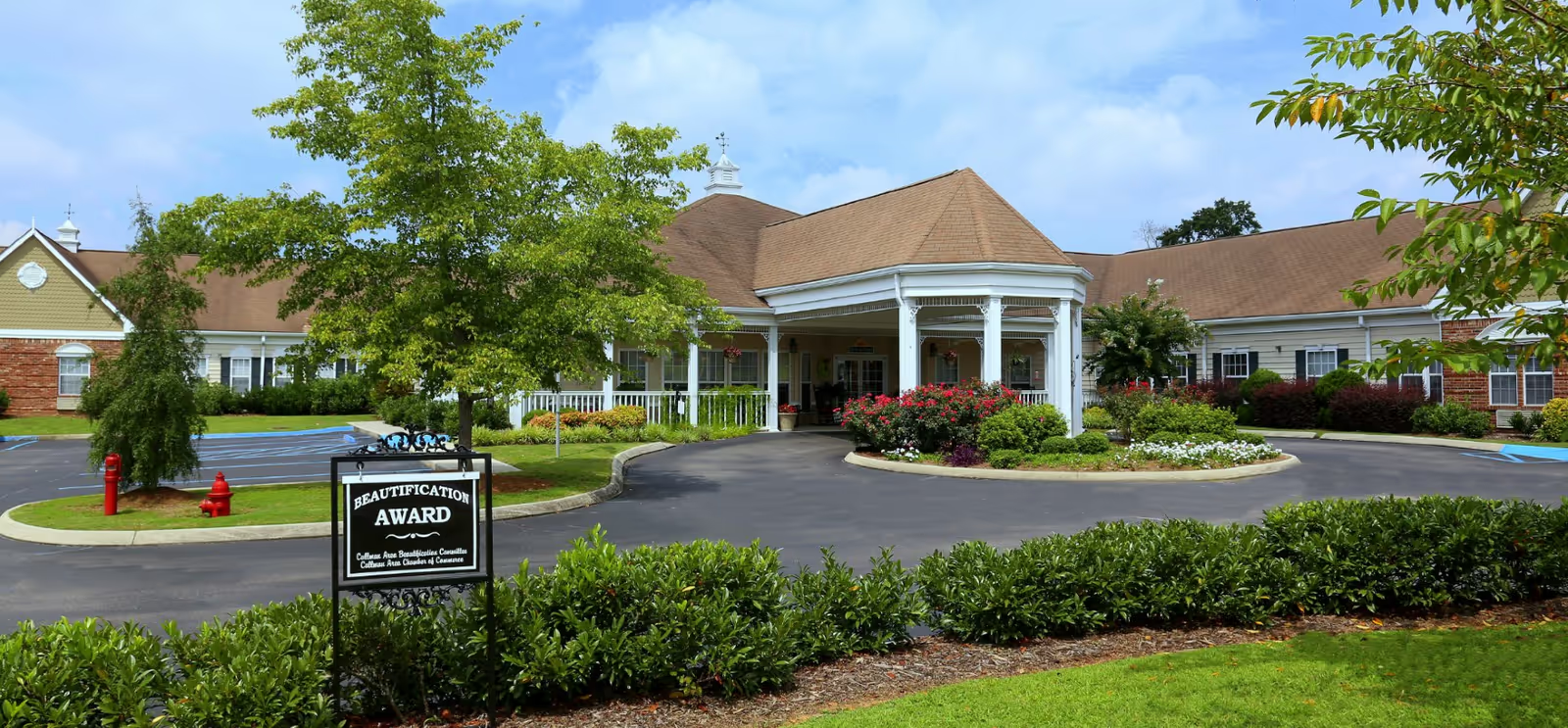
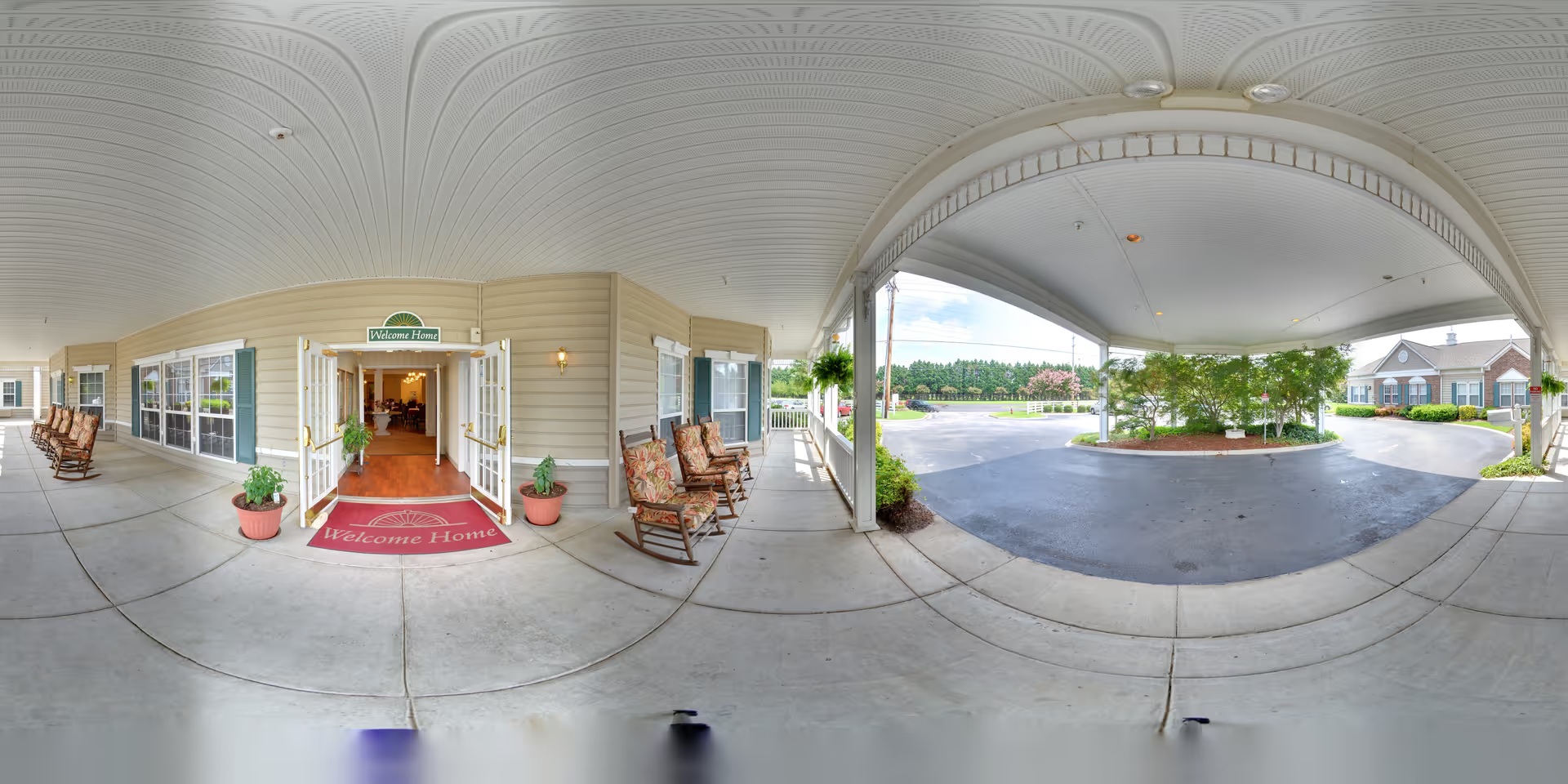
The facility’s physical environment and activities are often described favorably. Common areas, rooms, and grounds (including gardens and animal interactions) are praised for being clean and pleasant, and many reviewers appreciated available activities and outdoor time. That said, some reviewers observe variability between newer and older sections of the building and note that parts of the facility would benefit from modernization and ongoing maintenance.
Management and communication receive mixed evaluations. Several families commend administrative staff and social services for going the extra mile, providing guidance with paperwork, and being compassionate during difficult transitions. Conversely, others describe inconsistent communication between office personnel and clinical staff, uneven handling of behavioral or clinical events, and concerns about follow-up after incidents. A subset of reviewers also expressed discomfort with the facility’s sign-in technology and requested alternative options for visitor privacy.
In summary, Summerford presents as a facility with substantial strengths in compassionate caregiving, effective therapy programs, and a clean, welcoming environment. Prospective residents and families should weigh those positives against recurrent operational concerns—principally staffing consistency, timely execution of basic care tasks, and clinical oversight practices. Those considering Summerford would benefit from direct conversation with administrators about current staffing levels, protocols for wound and skin care, diabetic/dietary accommodations, and any planned facility updates before deciding.