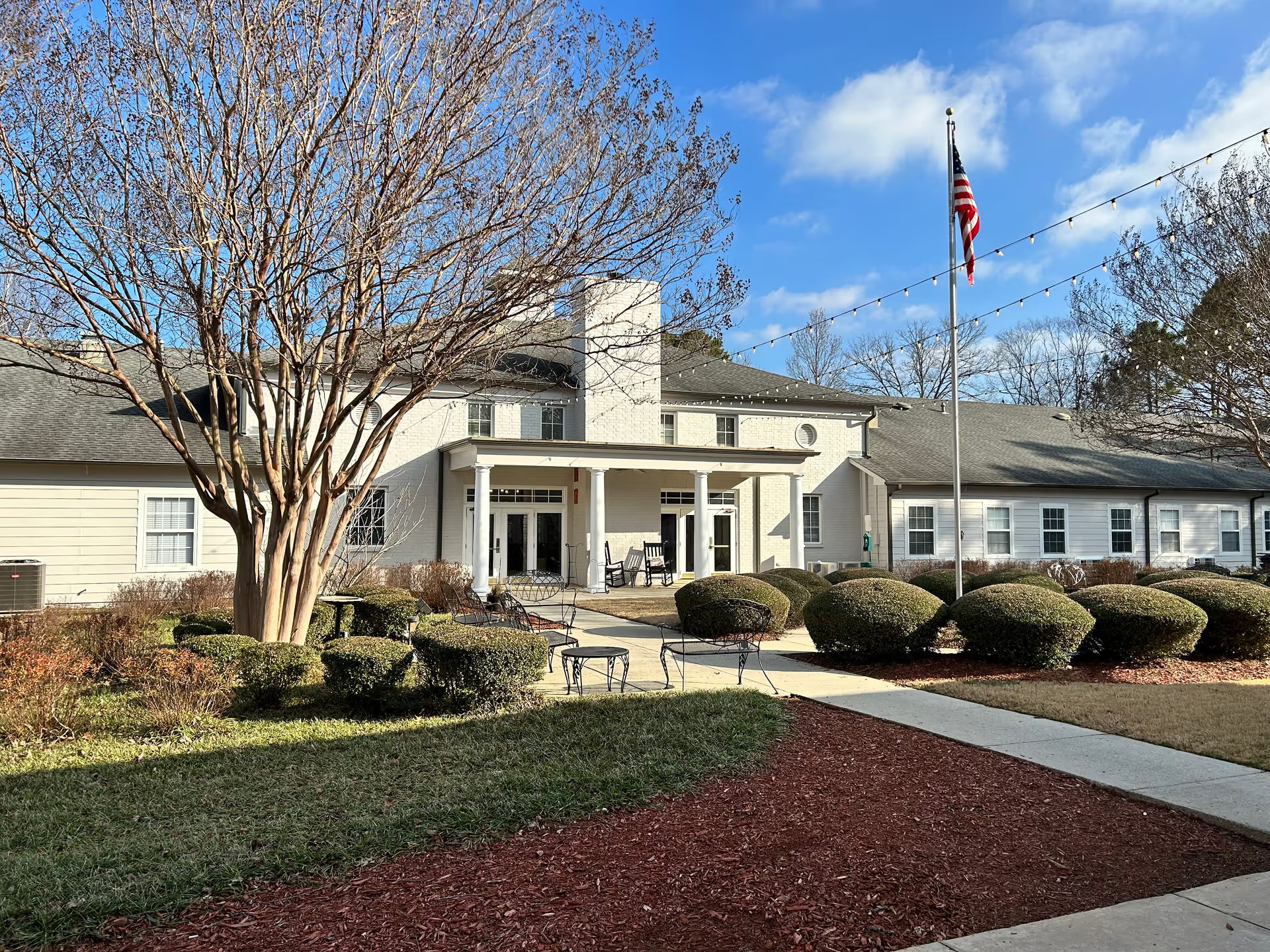
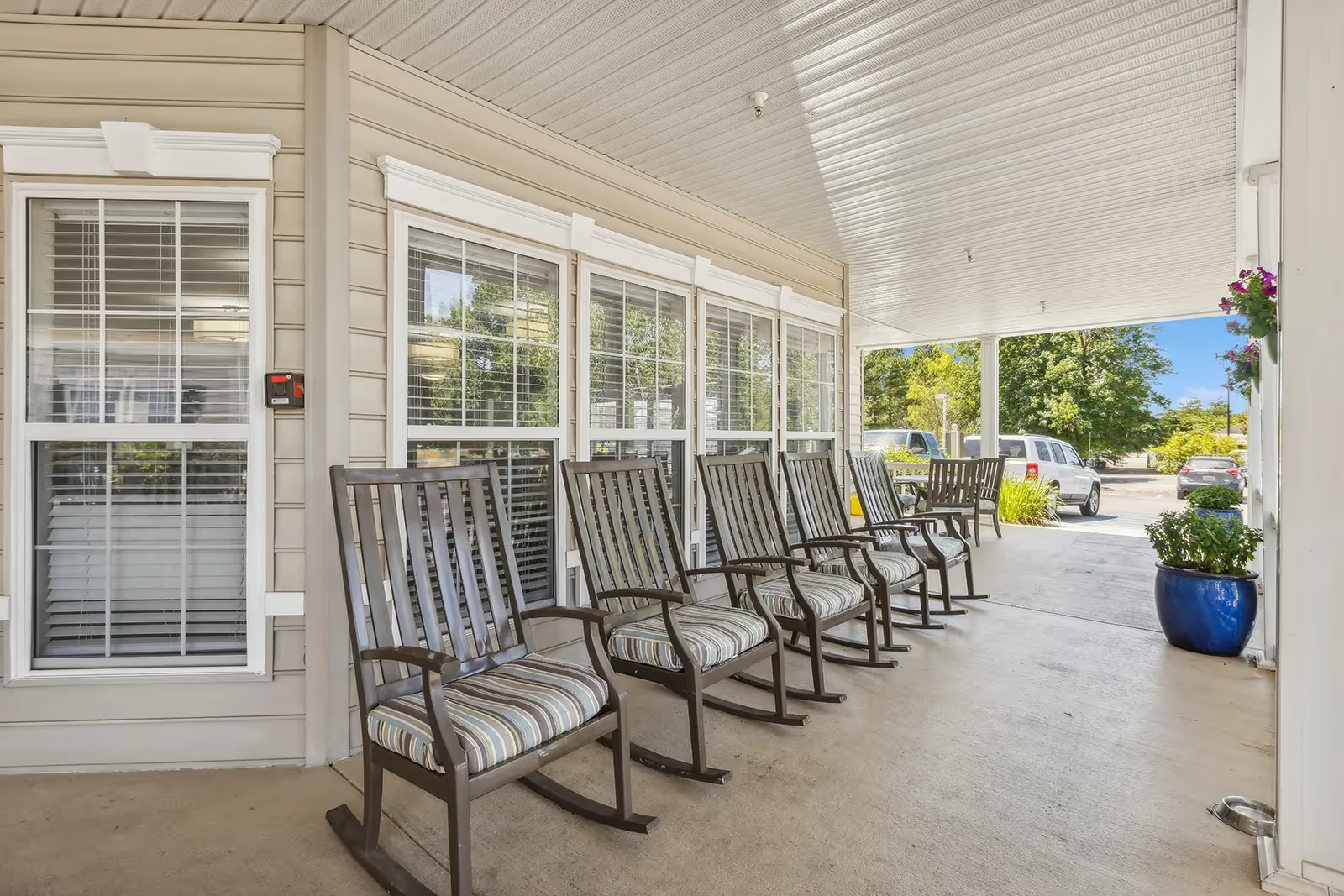
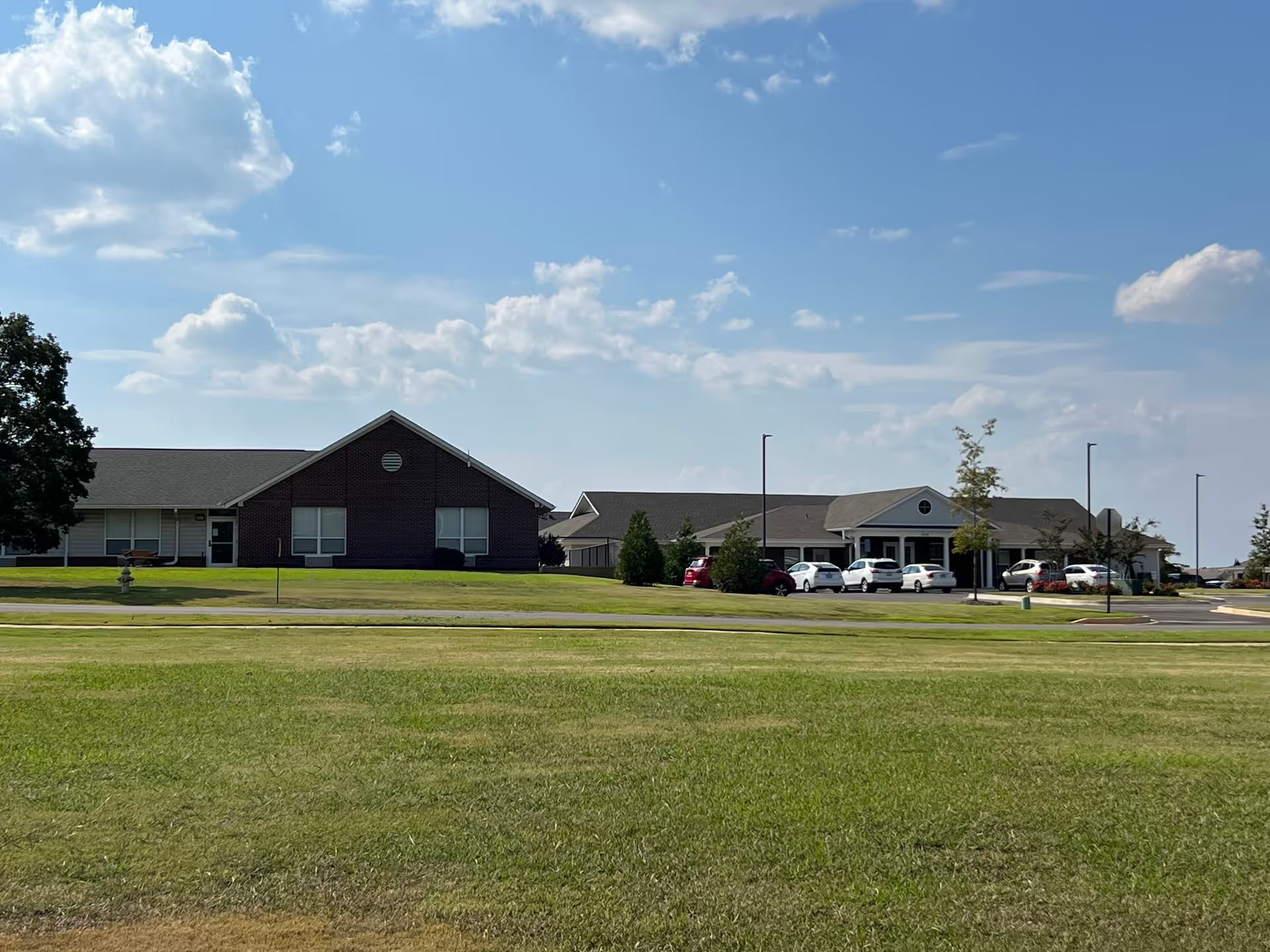
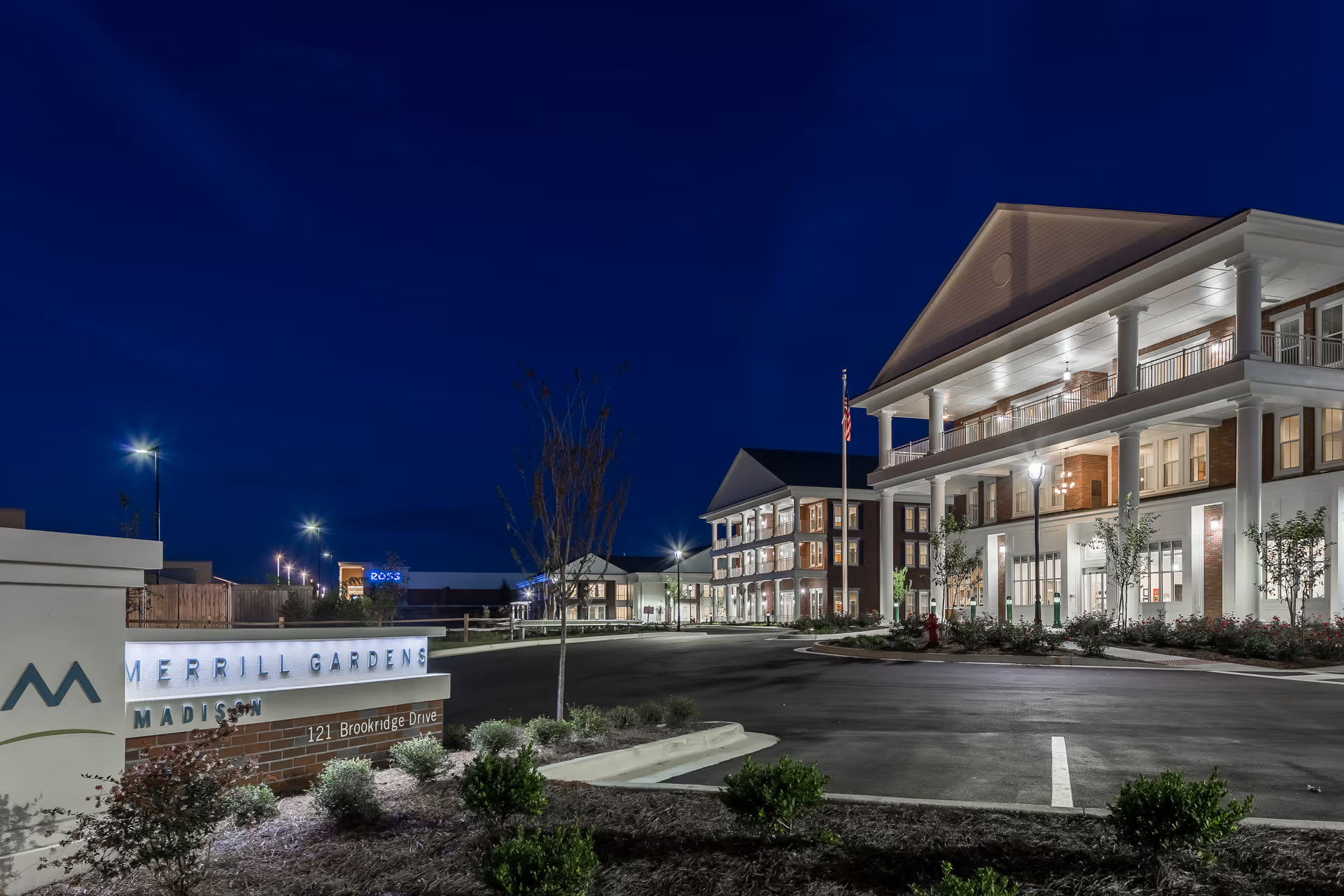
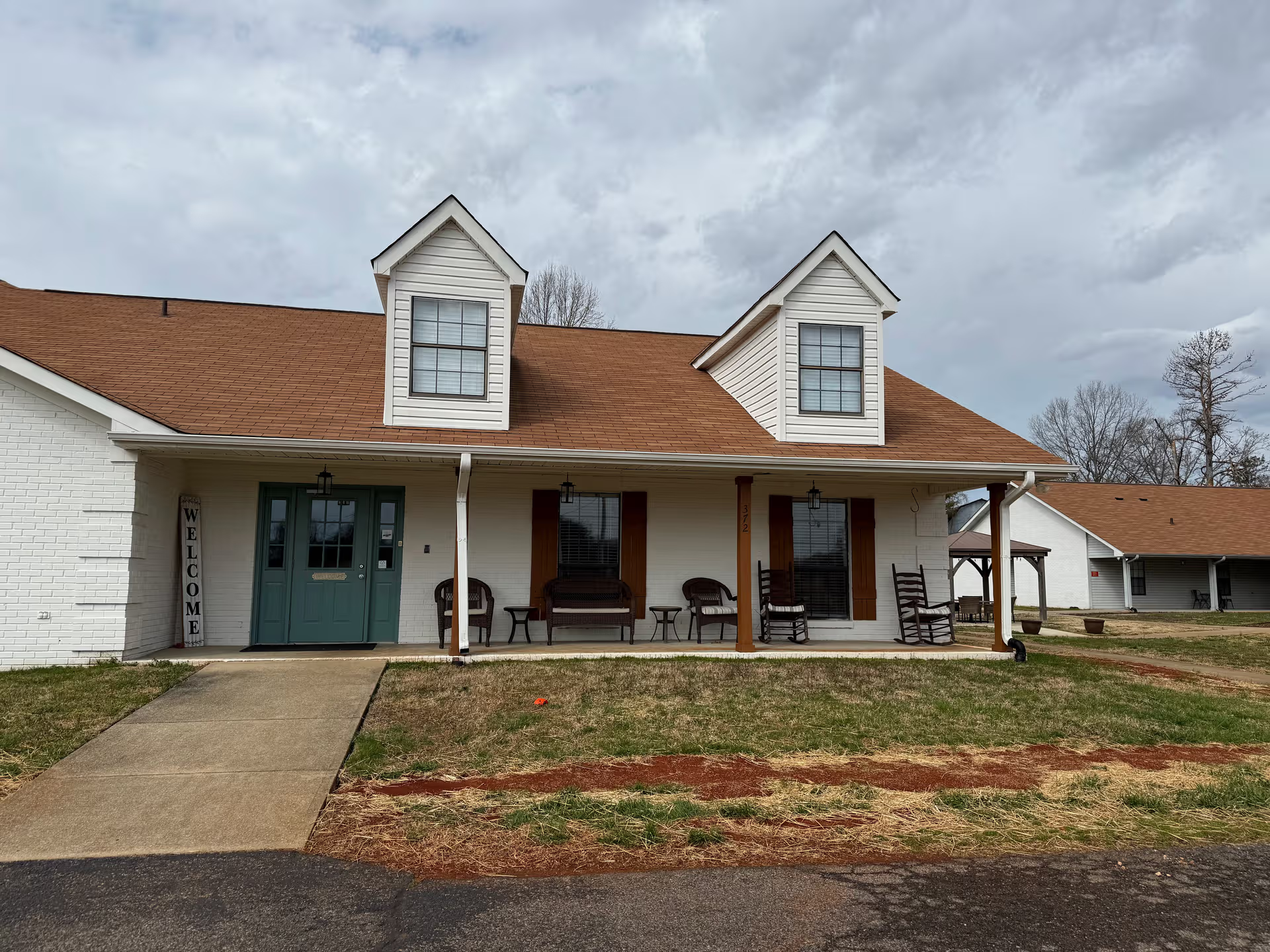
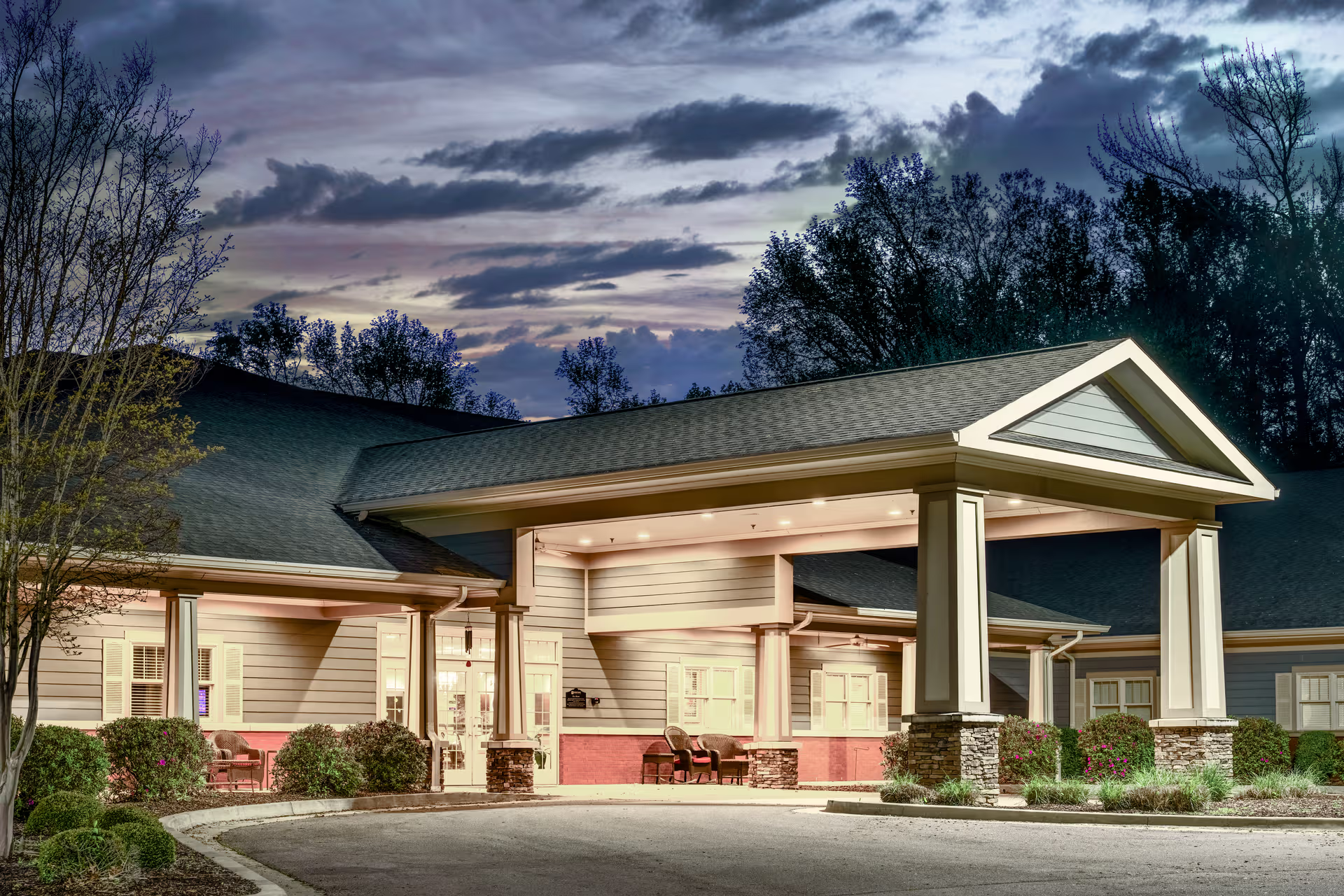
Overall impression: The Residences at Wellpoint presents as a modern, resort-style senior living community with many amenities and an active social environment. Numerous accounts emphasize a clean, newly built campus, attractive interiors, well-maintained grounds, and features such as an indoor heated saltwater pool, bistro and sports bar, salon, fitness center, and on-site therapy services. Families and prospective residents commonly describe a warm, social resident culture and a staff that emphasizes hospitality, responsiveness, and personalized attention.
Staff and care quality: Staff behavior is a consistent strength in the feedback set: caregivers, front-desk personnel, activity directors, and administrators are frequently described as caring, attentive, and approachable. Several narratives highlight prompt emergency response and clinically significant interventions when required. At the same time, there are recurring operational concerns related to clinical oversight. Review content suggests variability in nursing supervision across shifts, caregiver continuity issues linked to turnover, and uneven performance in some memory-care areas. Prospective residents with advanced memory-support needs should ask specific questions about dedicated memory-care staffing ratios, staff training, and continuity measures before committing.
Dining and daily living: Dining is often cited as a positive, with generous portions, varied meal options, and attentive dining staff. However, there are contrasting comments about menu repetition and occasional declines in perceived meal variety or quality. Related operational notes include episodic equipment outages or limited menu availability. Housekeeping and room services receive both praise and criticism: many describe consistently clean common areas and strong housekeeping, while others note isolated sanitation and linen/room-maintenance inconsistencies. Clarifying routine laundry, toiletry restocking, and housekeeping schedules during a tour is advisable.
Activities and amenities: The community offers a robust activities program and organized transportation for errands and appointments, with many residents reporting an enriched social life and improved engagement. Aquatic classes, fitness programming, arts and crafts, social events, and regular outings are prominent positives. A few comments point to occasional program availability gaps (for example, specific classes or amenities not always running), so prospective residents should confirm current schedules and program frequency.
Management and communications: Tour responsiveness and move-in coordination receive praise; individual staff members are singled out for helpfulness and follow-up. Conversely, there are noted administrative communication gaps around care transitions and longer-term aging-in-place planning. Families described unclear handoffs when higher acuity care was needed or when transitioning between care levels. Asking about formal care-transition protocols, advance planning for changing care needs, and primary points of contact can help address this.
Notable patterns and guidance: The dominant pattern is a broadly positive hospitality and lifestyle experience supported by strong amenities and an active community. Operational weaknesses center on clinical consistency (particularly nursing supervision and memory-care continuity), intermittent housekeeping or sanitation lapses, variable dining variety, and administrative communication around care transitions. Prospective residents and families should tour with targeted questions about nursing coverage by shift, caregiver turnover and retention strategies, housekeeping and linen protocols, memory-care staffing models, and specific program schedules to determine fit for individual needs.