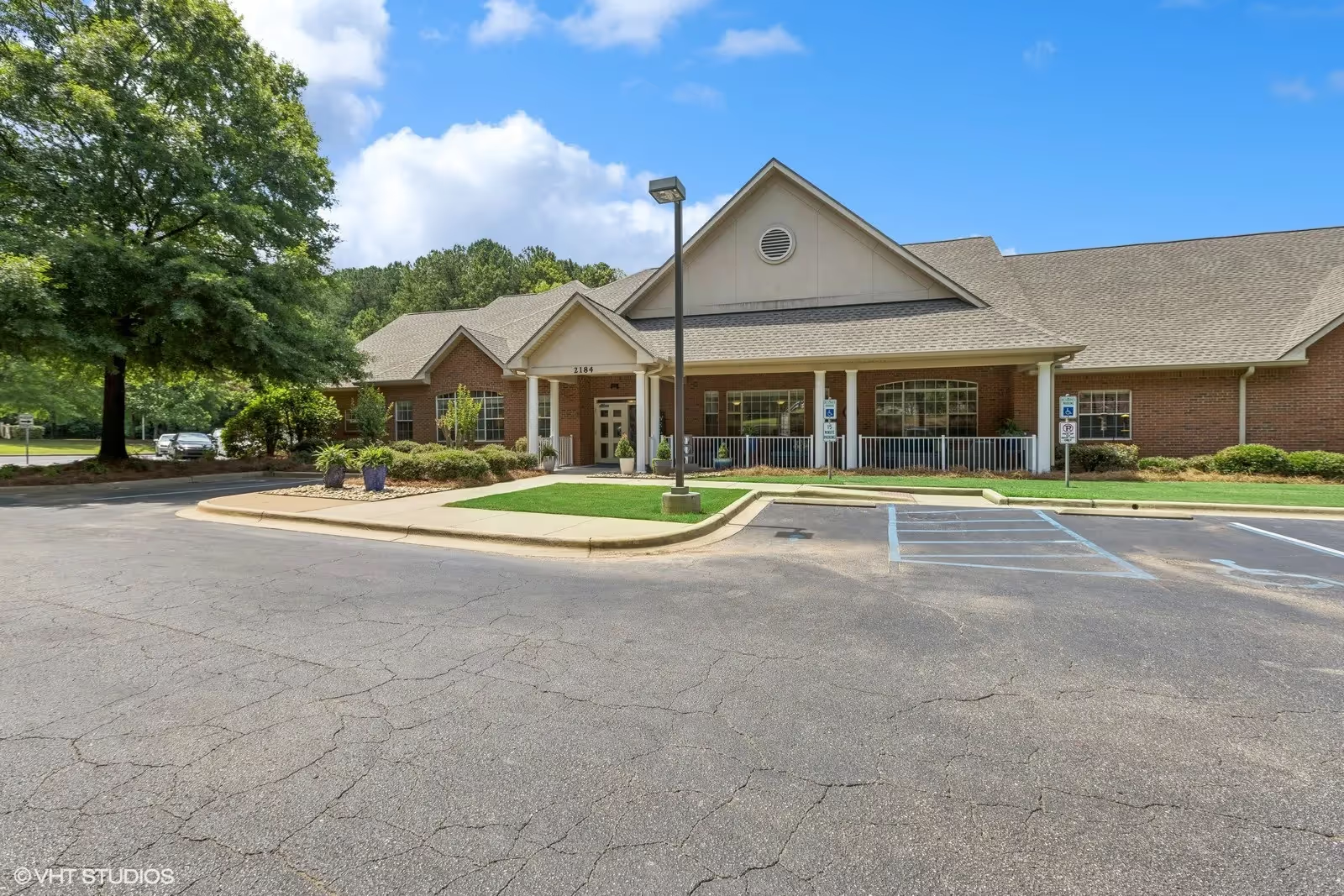
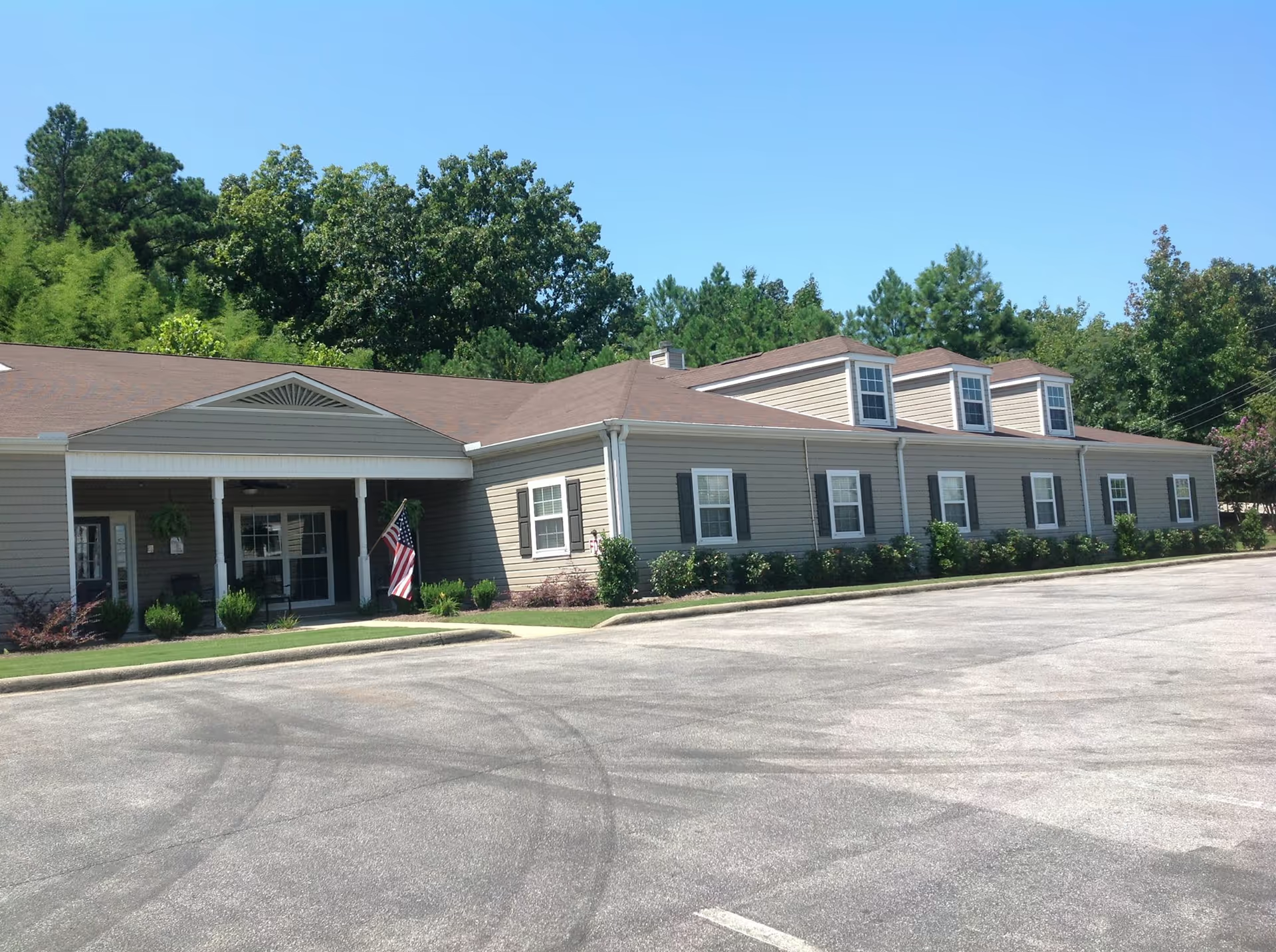
Reviewers describe a facility that offers a generally warm, social environment with many operational strengths alongside several recurring operational concerns. Positive themes include compassionate, attentive staff, well-maintained and modernized common areas and apartments, and a broad activities calendar that includes outings, entertainers, and frequent on-site events. Dining is often highlighted as a strength—many families and residents describe restaurant-style meals, customization options, and a lively dining atmosphere. Transportation services, landscaped grounds, and a range of on-site amenities (salon, gym, library, game rooms) contribute to an accessible, community-oriented lifestyle.
Care quality is characterized by consistent praise for nursing staff responsiveness and hands-on attention in many accounts, which gives families a sense of safety and good oversight. At the same time, there are notable clinical limitations and communication lapses cited: some families experienced challenges when a resident required a higher level of clinical support or injectable/advanced medication administration, and an allegation of an abrupt denial of higher-acuity placement leading to poor outcomes was described. Medication-management processes and clinical communication have also been identified as inconsistent in certain cases, and weekend staffing adequacy was highlighted as a weakness by some reviewers.
Dining is a frequent point of both praise and criticism. Numerous reviewers praised the quality, presentation, and variety of meals, while others described inconsistent food quality, menu repetition over time, and interruptions in meal-service continuity. Prospective residents should ask about current culinary leadership, sample menus, and how dietary restrictions and preferences are handled.
Activities and social life are major strengths for many residents: structured programs, card and puzzle socials, organized outings, and frequent entertainers are frequently mentioned. However, reviewers also noted that engagement levels may vary by neighborhood—particularly in memory-care areas where programming can sometimes be less dynamic and less movement-focused. Transportation and scheduled trips are well-liked, though some family members noted potential additional fees for certain outings.
Facility condition is generally viewed positively: many describe modern, spacious units, updated finishes, and well-kept grounds and courtyards. Contrastingly, there are repeated maintenance and housekeeping concerns — slow response times for repairs, unreliable washers/dryers, occasional sanitation and odor concerns in specific care areas, and pest-control issues in isolated units. These operational gaps suggest prospective families should clarify maintenance SLAs, laundry provisions, and housekeeping routines during a tour.
Management and administration evoke mixed impressions. Several families praised an efficient admissions process, helpful marketing staff, smooth move-ins, and strong family communication. Others cited inconsistent leadership tone over time, instances of poor front-desk professionalism, and instances of opaque billing or last-minute fees. Given this variability, it is advisable to request a clear fee schedule, written policies on refunds and extra charges, and an overview of leadership stability prior to committing.
Bottom line: Truewood by Merrill, Riverchase appears to offer a well-appointed, socially active community with many strengths in staff engagement, amenities, and dining. However, prospective residents and families should conduct targeted inquiries about the facility's clinical scope (especially for higher-acuity needs), staffing patterns (including weekends), maintenance and laundry processes, memory-care programming specifics, and full fee transparency. An extended visit during a meal and an observation of a memory-care activity period are recommended to assess fit for individual care needs.