Crowne Place Assisted Living presents a broadly positive profile on core elements of assisted living: staff, cleanliness, basic amenities, and value. Many accounts emphasize a consistently friendly and engaged caregiving team, with specific praise for nursing leadership and office staff responsiveness. Housekeeping and groundskeeping are frequently singled out as strengths, contributing to a generally clean, well-kept environment. The facility's location—convenient to a hospital and local physicians—is repeatedly cited as advantageous, particularly for residents with ongoing medical needs or short-term rehabilitation goals.
Dining and daily living services are mixed but generally serviceable. The community offers chef-prepared meals with three-meal daily service and on-site dining amenities including a salon; several descriptions note acceptable to good meal service and an adequate activity program. At the same time, there are recurring comments that dining quality and perceived value vary; some families judged meals subpar given the price. Prospective residents may wish to sample the menu and clarify meal plans and any specialty-diet accommodations before committing.
Activities and transportation are strengths in routine operations: on-site activities, games, and transport to medical appointments are available, and rehabilitation stays are described as safe and well-supported. However, organized off-site outings and field trips were described as limited or suspended at times, reducing community engagement opportunities outside the facility. Activity offerings otherwise appear to be engaging for many residents, but availability and frequency may vary.
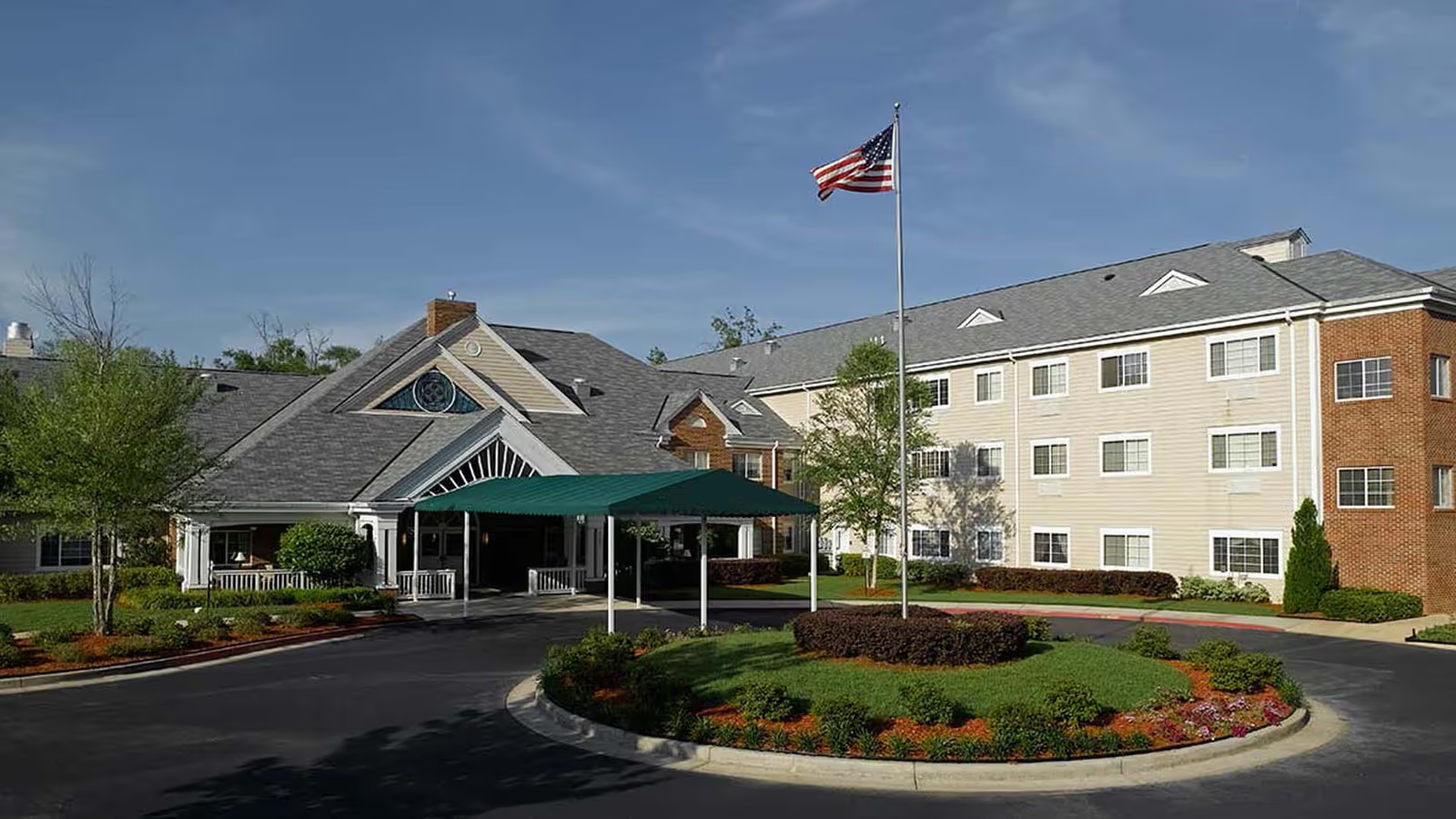
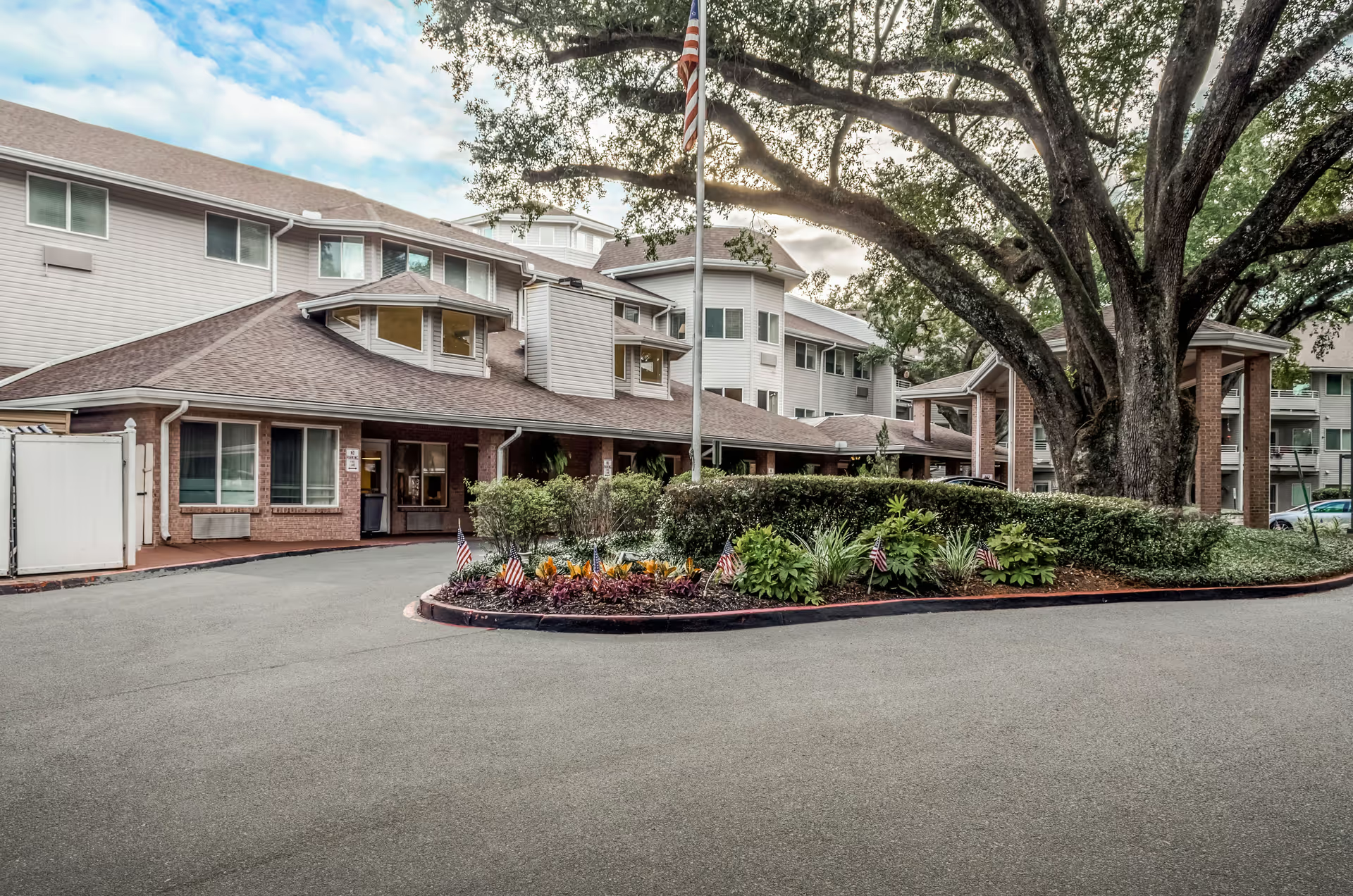
Facility condition and unit layout show variability. Several accounts praise spacious units and roomy public areas, while other comments highlight extremely small rooms and an overall older, dated appearance in parts of the building. This suggests that unit size, layout, and interior finish level may differ by room or wing; families should verify specific unit dimensions and finish level during tours.
Clinical tone and dementia care warrant attention. Some reviewers perceived a medicalized or hospital-like atmosphere in portions of the building, which may be preferable for medically intensive residents but less so for those seeking a homelike setting. There are also indications of gaps in dementia-specific programming and in managing resident wandering; these points suggest prospective families should ask about secure wandering protocols, cognitive-care programming, and staff training in dementia care.
Communication and management are generally characterized as responsive, with several notes of administrators and head nurses performing well—particularly during infection-control periods. Nonetheless, there are recurring observations about limited after-hours communication, which could affect families needing timely updates outside normal business hours. Given the mix of positive and critical observations, visitors evaluating Crowne Place should tour multiple unit types, meet nursing and administrative staff, sample meals, review activity schedules, and ask specific questions about dementia supports and after-hours communication protocols to confirm the fit for their needs.