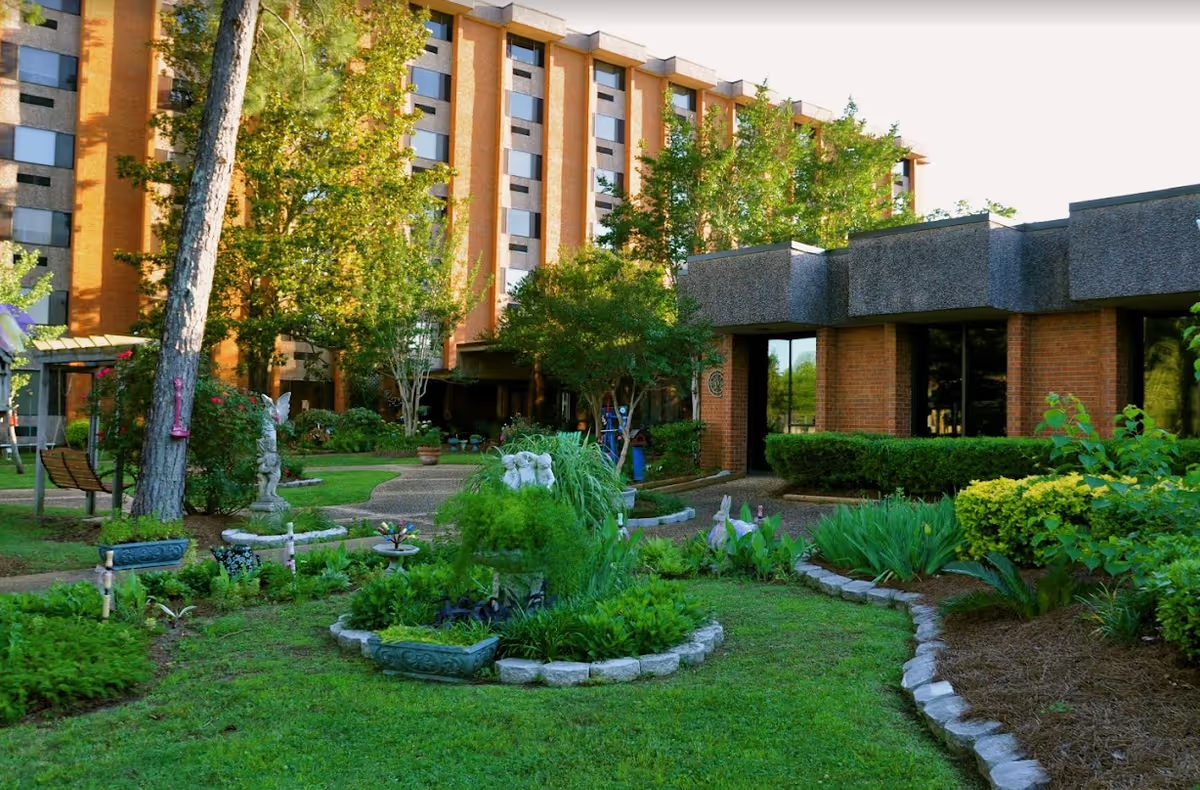
The Gardens of Waterford elicits a mixed but clear pattern: many families and residents praise the staff, outdoor spaces, and homelike atmosphere, while others raise operational concerns tied to leadership and clinical responsiveness. Strengths consistently described include a compassionate, family-style staff, knowledgeable placement assistance for dementia care, bright and open common areas, and attractive dining and gathering spaces. The community emphasizes outdoor amenities — courtyard gardens and farm-to-table dining are frequently mentioned — and several reviewers note larger room sizes and competitive pricing relative to local alternatives.
Care quality is uneven across accounts. Numerous comments describe attentive, caring interactions and staff who treat residents like family; however, there are also concerns about inconsistent clinical response, delays in attending to urgent medical needs, limitations on physician access, and challenges managing higher-acuity or memory-care residents. These patterns suggest variability in day-to-day clinical processes and follow-through. Prospective families should ask specific questions about nursing coverage, emergency response protocols, and physician-access policies.
Staffing and leadership emerge as pivotal factors. Positive experiences are tied to gracious, knowledgeable staff and responsive managers; conversely, several accounts link declines in service quality to high staff turnover and recent management changes. Families cited changes in leadership that coincided with unfulfilled promises, safety concerns, and declines in service continuity. Communication tone and staff conduct are also noted as inconsistent — at times compassionate, at other times described as lacking empathy — indicating variability in staff training and supervision.
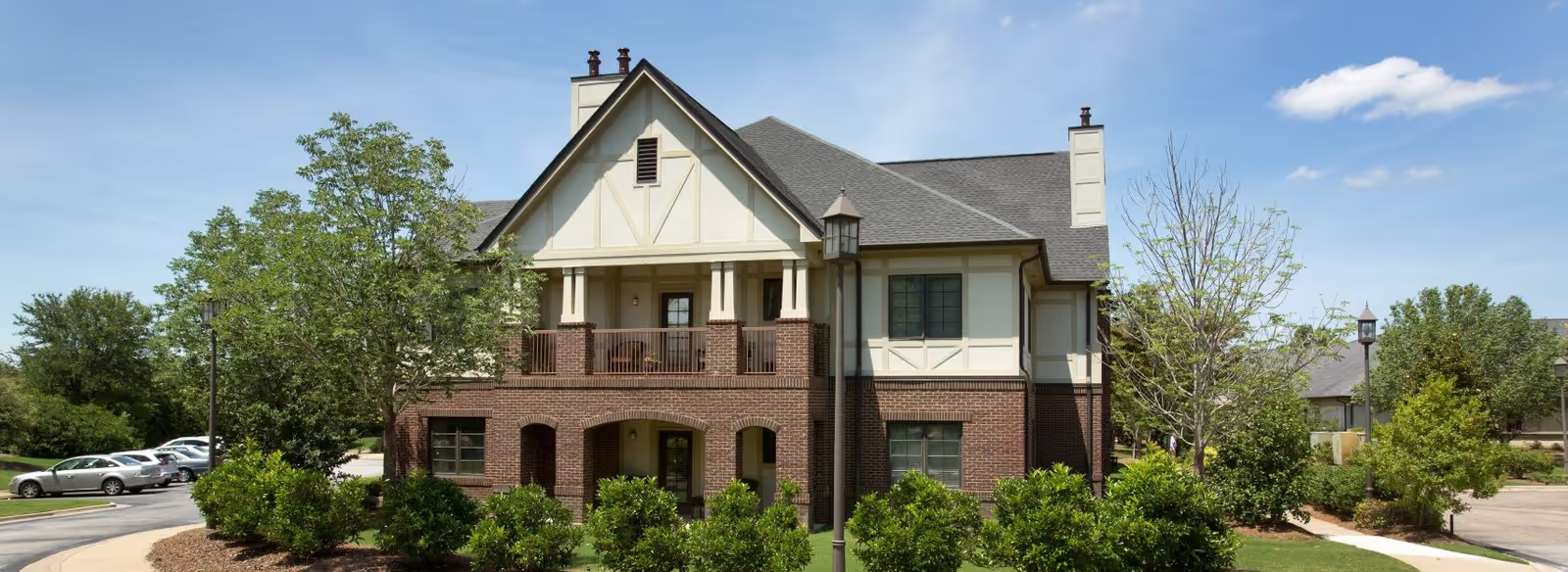
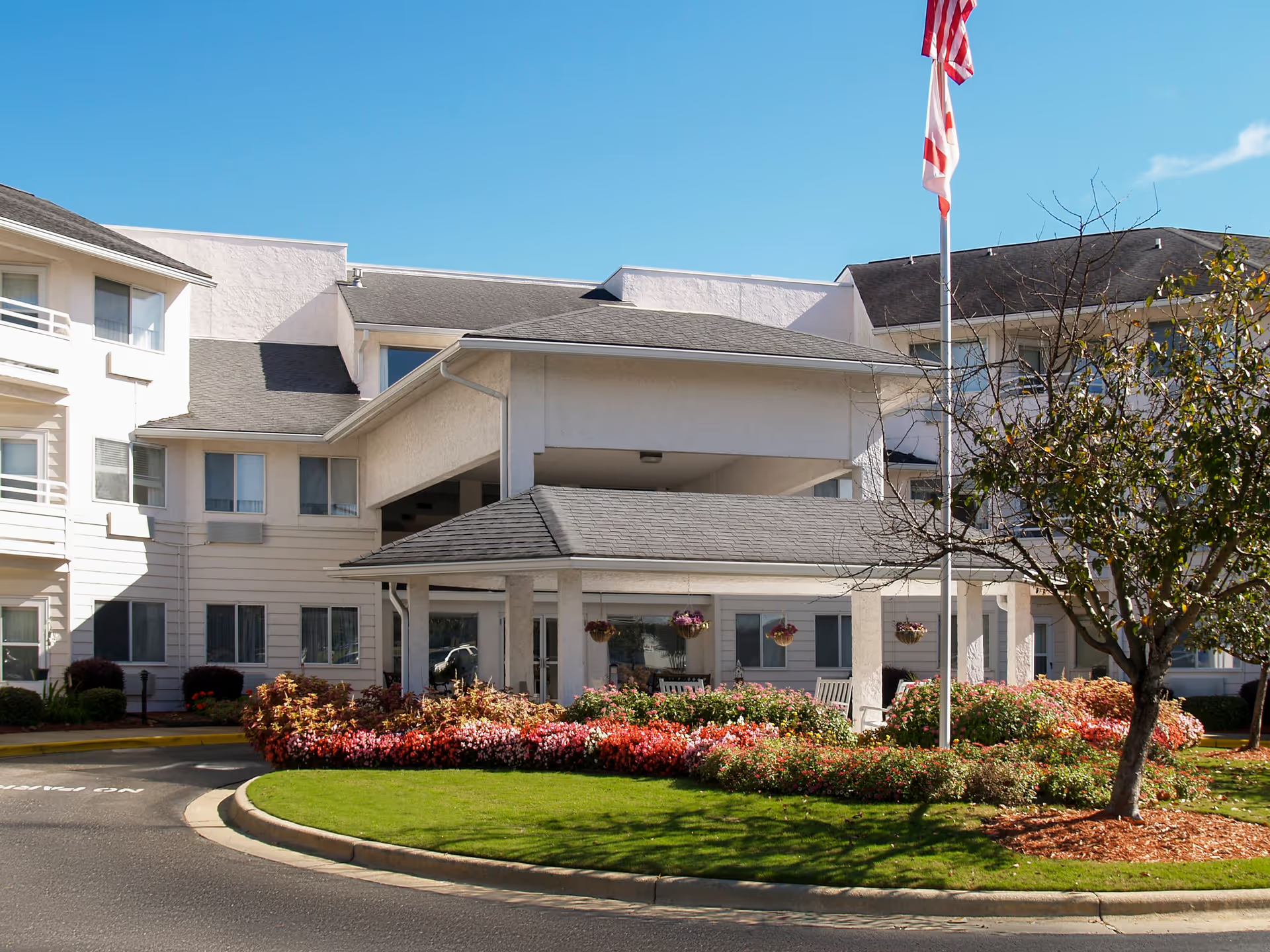
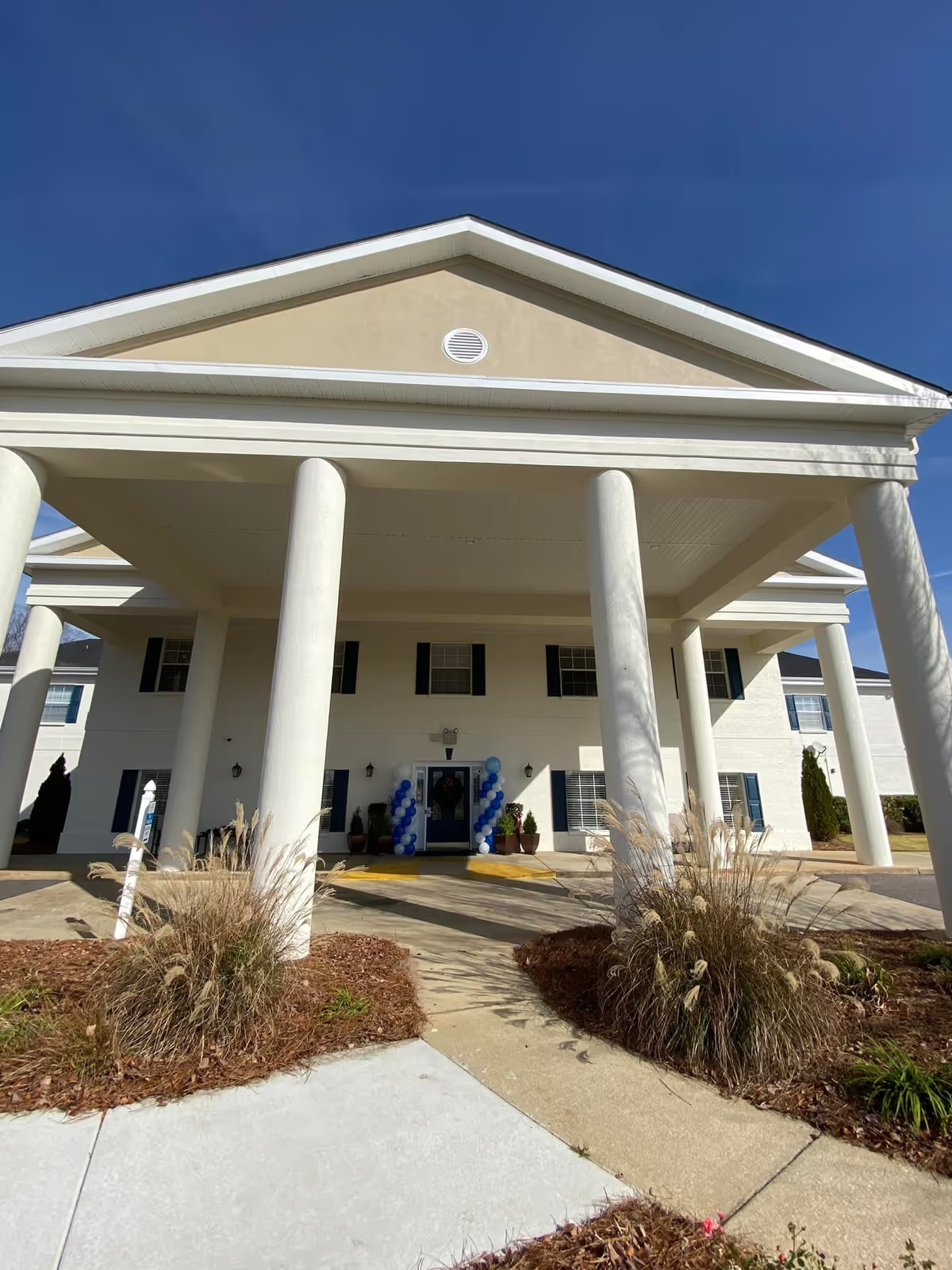
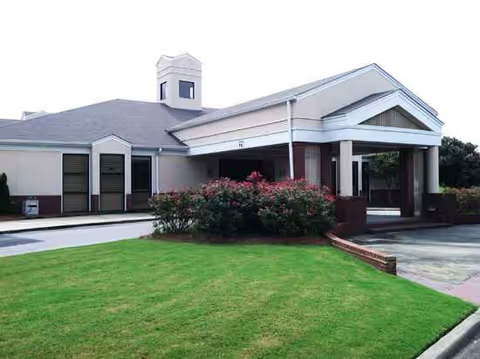
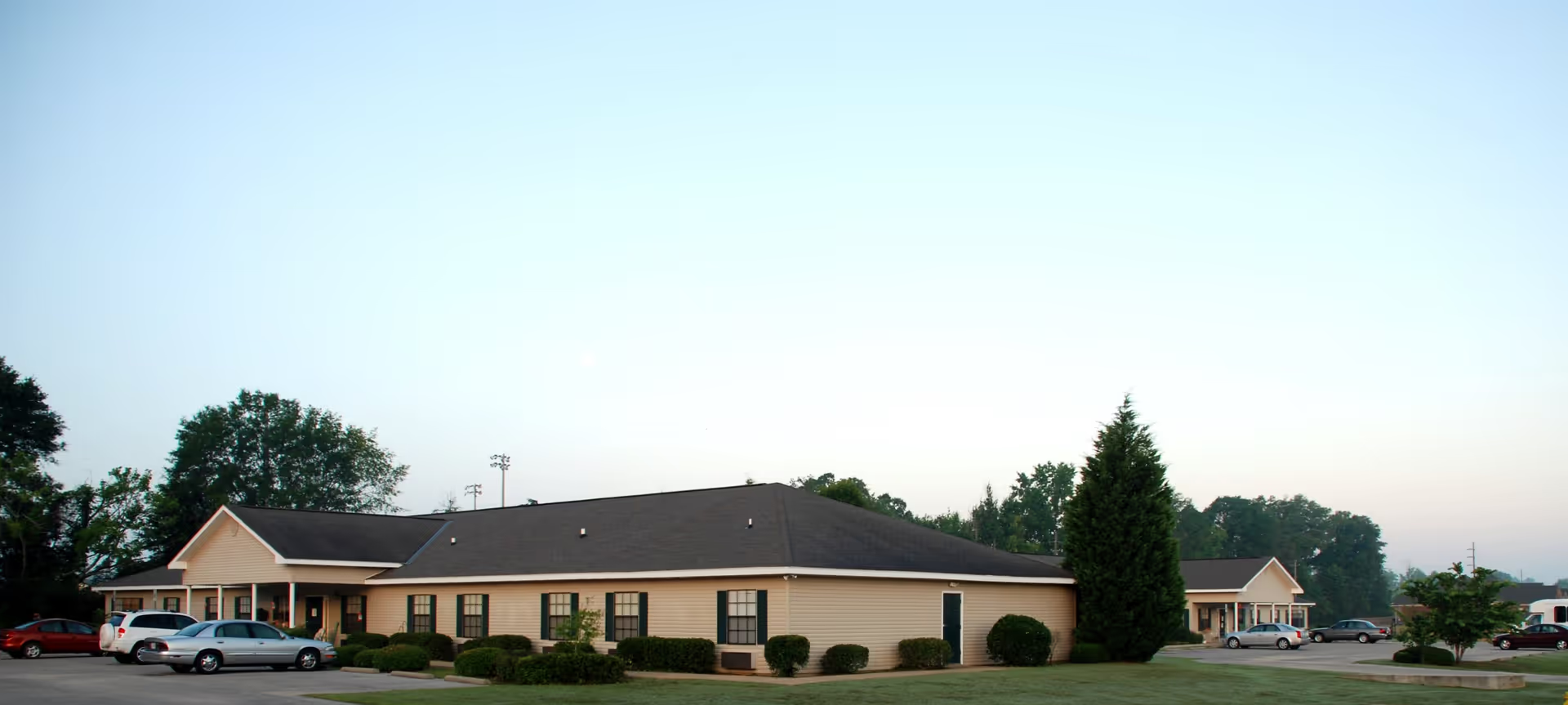
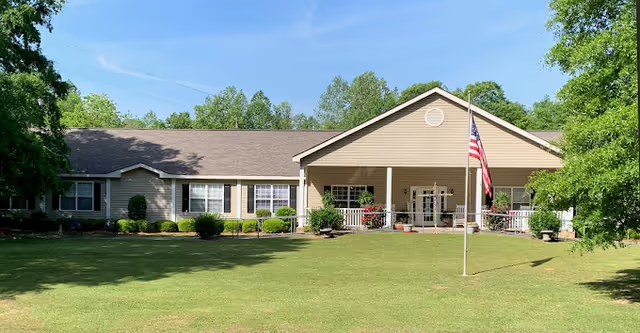
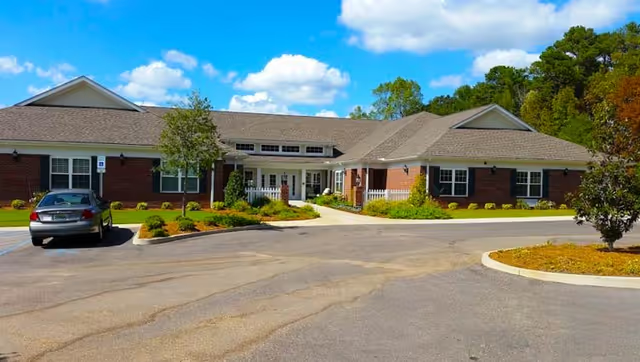
Dining and facilities are often highlighted as assets. Dining areas and the main lobby are described as attractive, and there are multiple references to farm-forward meals and a pleasant dining experience. The facility is one level and generally described as open and airy; room upgrades are underway and several reviewers appreciate the value for price. At the same time, the building is older and renovations are ongoing, which may produce periodic disruption and require verification of room finishes and accessibility prior to move-in.
Activities and logistics show mixed performance. The property’s outdoor programming and gardens are clear strengths, but families report limited weekend activity leadership and a lack of transportation services. Visitation practices are another recurrent concern: restrictive visiting windows and limits on visitors were mentioned as a source of frustration for families. Memory-care continuity has gaps according to some accounts, with transitions and short-term placements not always meeting expectations.
In summary, the Gardens of Waterford appears to offer strong communal and environmental qualities — caring staff, attractive common areas, gardens, and good value in room size and pricing — paired with operational vulnerabilities tied to staffing stability, leadership changes, clinical responsiveness, and certain service offerings (transportation, weekend activities, visitation flexibility). When evaluating this community, families should tour during active hours, observe staffing levels and meal service, and ask direct questions about current leadership, staffing ratios, medical response protocols, visitation policy, and the timeline and impact of any ongoing renovations.