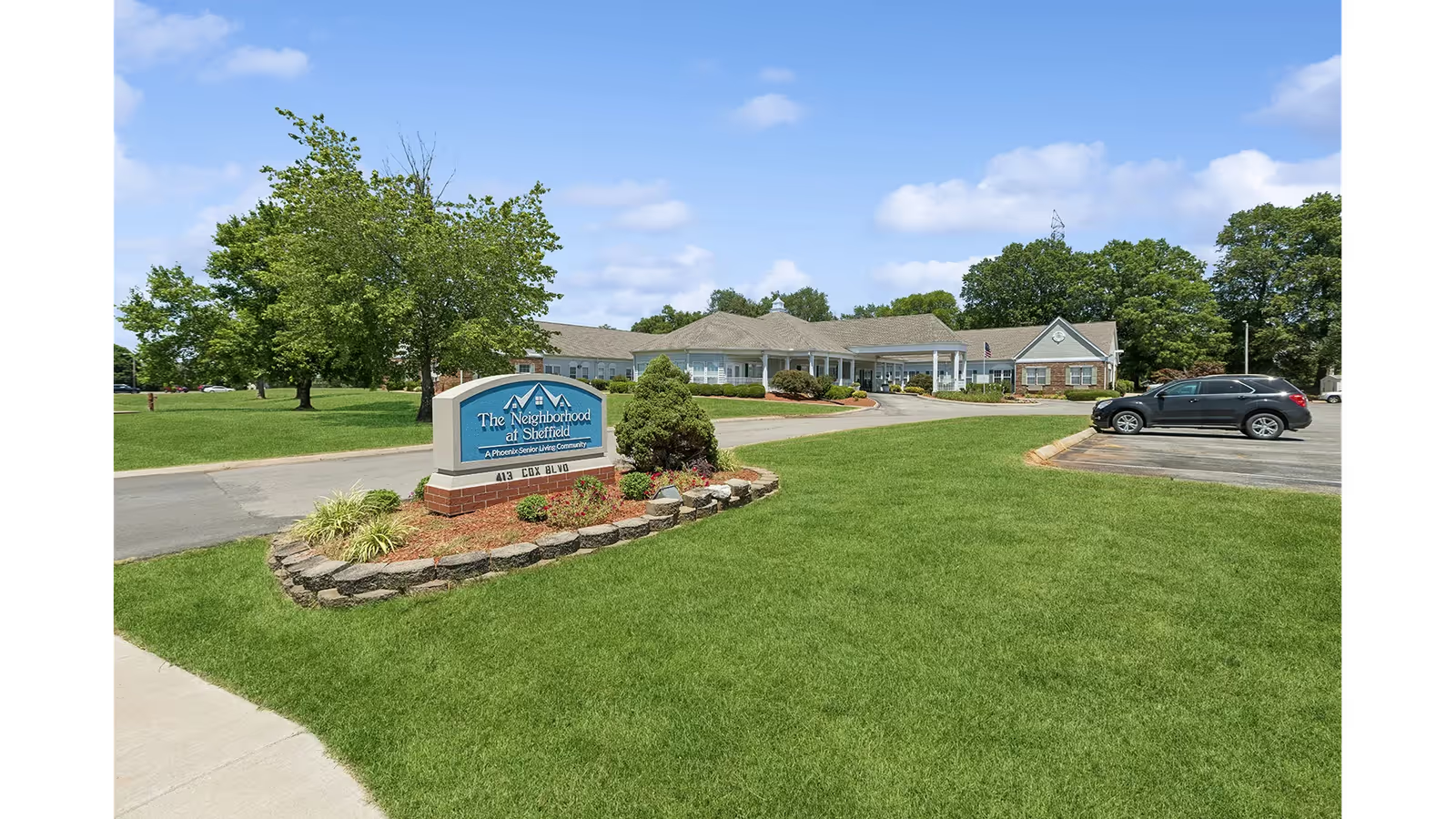
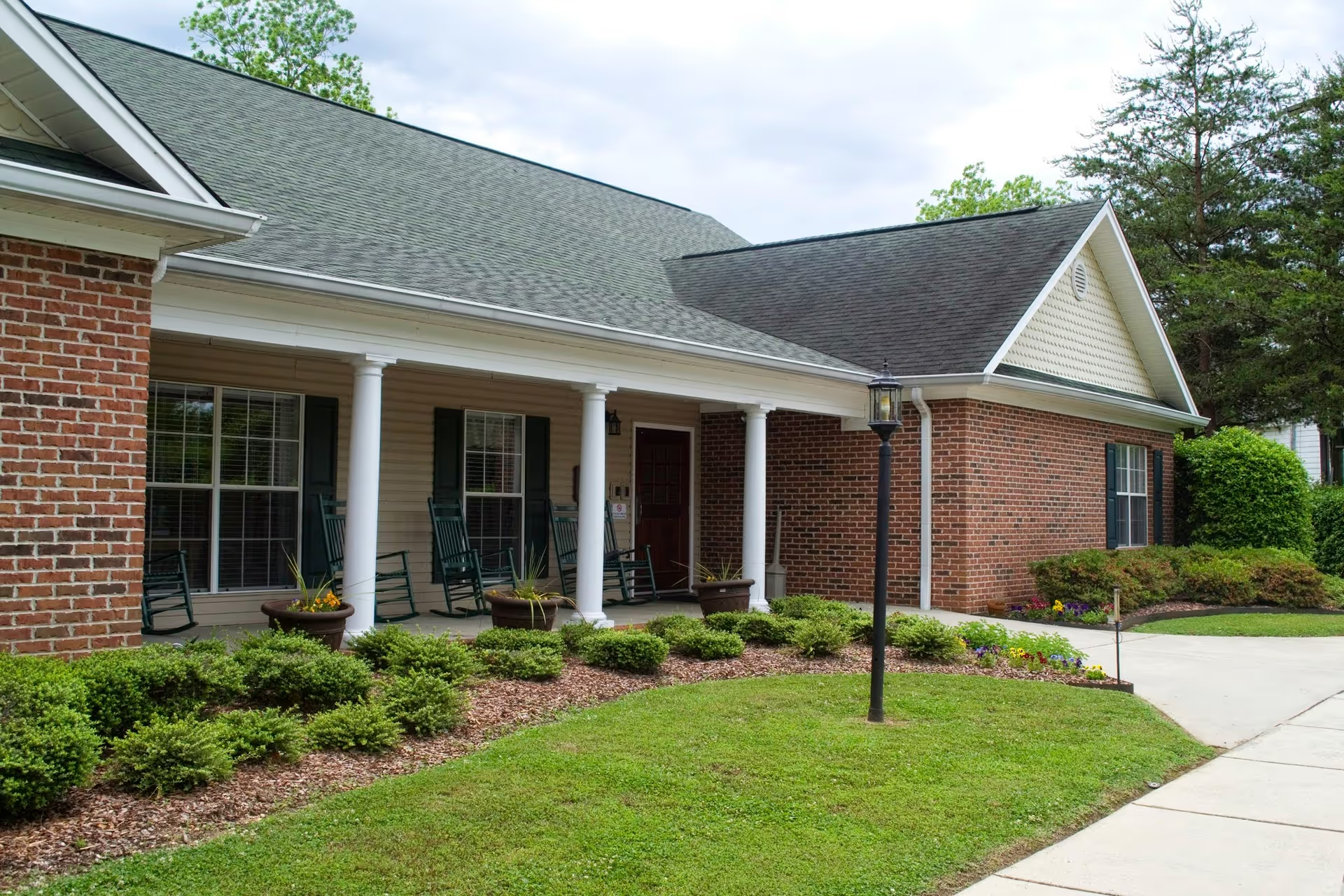
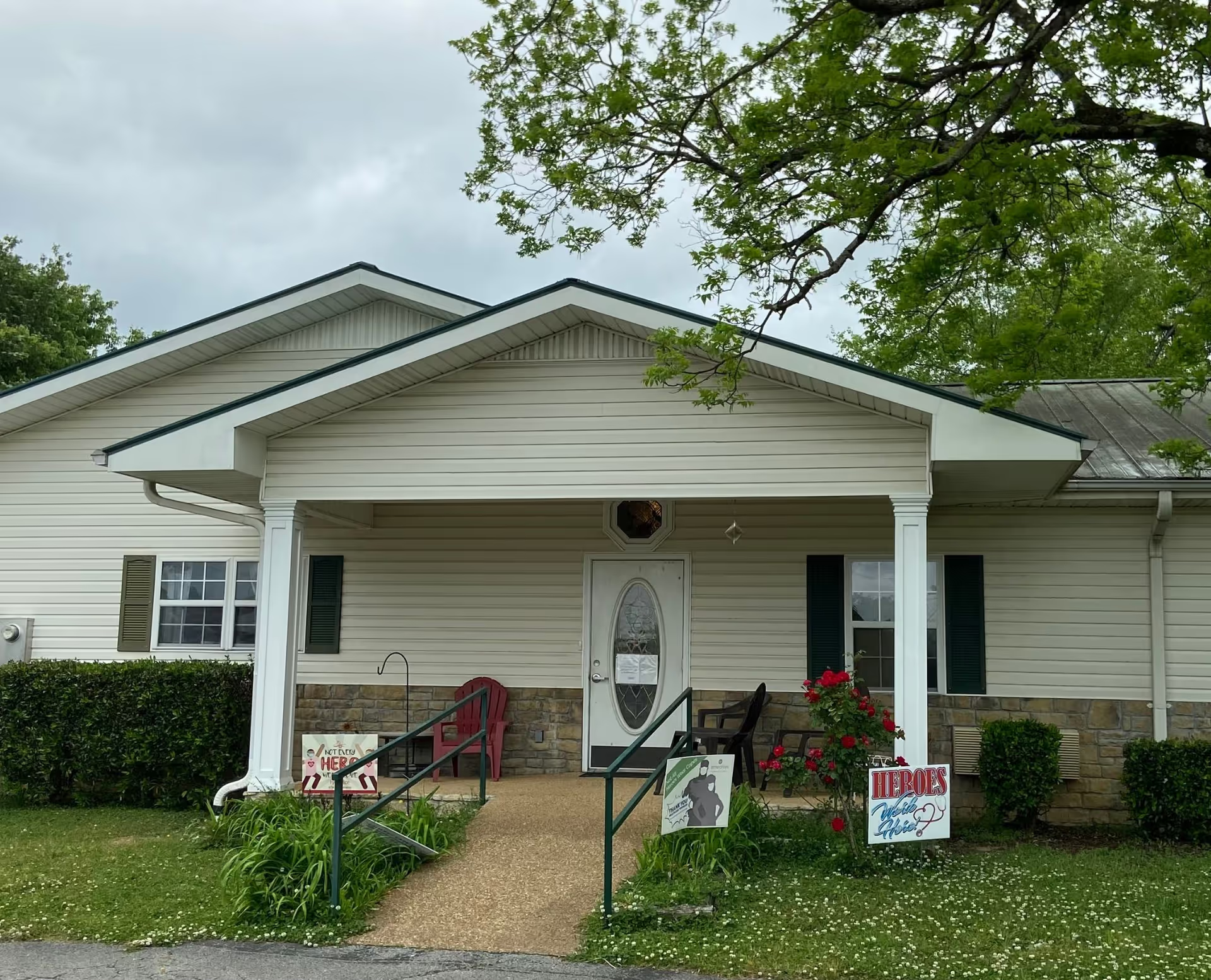
Overall impression: Reviews portray The Pearl of the Shoals as a generally well-kept, service-oriented senior living community with a strong emphasis on personal, family-like care. Many families describe a clean, attractive environment and staff who are warm, attentive, and willing to go beyond basic duties. The facility is repeatedly characterized as homey and welcoming, with visible effort put into grounds and interior maintenance.
Care and staff: Care quality is frequently praised. Reviewers note staff who take a personal approach, check on residents often, and are quick to respond to concerns. Leadership, including mention of an executive director, is viewed positively in several accounts, and families report constructive communication with nurses and aides. There are, however, isolated reports of notable management shortcomings; collectively these suggest variability in administrative consistency and responsiveness rather than a uniform pattern of poor care.
Dining and housekeeping: Dining is a consistent strength. Multiple comments describe good, home-style meals and the ability for families to dine with residents when visitation policies allow. Housekeeping and laundry services are cited as reliable, and the facility is commonly described as spotless and well maintained. Reviewers who commented on cost noted reasonable base pricing but also called out specific extra charges (for example, a medication-administration fee) that can affect overall affordability.
Activities and programming: Activity offerings are a clear positive — reviewers mention a wide variety of on-site events, outings, field trips, and spaces such as a library and puzzle room. Staff are described as engaging and encouraging of participation, and several families reported improved socialization and mood for their relatives after moving in.
Facilities and unit differences: The general facility environment is described as bright, open, and home-like in most areas, with well-kept common spaces and outdoor areas. A recurring operational limitation is the size of resident rooms; several reviewers find bedrooms small and limited in private space. In addition, there is a pattern of uneven unit-level quality: the dementia unit is characterized by some as darker and less inviting than the main units, indicating variability in environment and ambience across the campus.
Management and communication patterns: New ownership and leadership changes are noted; some families welcome the changes while others express concern about potential shifts in standards. There are isolated but strong negative accounts describing unacceptable management behavior and limits on open feedback; these suggest that transparency around family concerns and internal communication processes may be inconsistent. Additionally, reviewers report occasional administrative issues such as incorrect public contact information or gaps in phone responsiveness. Operationally, a few families experienced scheduling rigidity (for example, fixed wake-up times) that did not align with resident preferences, indicating room for more resident-centered scheduling flexibility.
Notable patterns and guidance for families: The dominant themes are high marks for staff engagement, cleanliness, food, and activity programming, balanced against operational considerations that prospective residents and families should evaluate: room size and storage, the feel and staffing of specific care units (especially memory-care), potential extra fees, and the responsiveness of current management to feedback. A tour focused on the specific unit of interest, a review of billing items (including medication-administration charges), and direct questions about scheduling flexibility and feedback channels will help families determine fit.