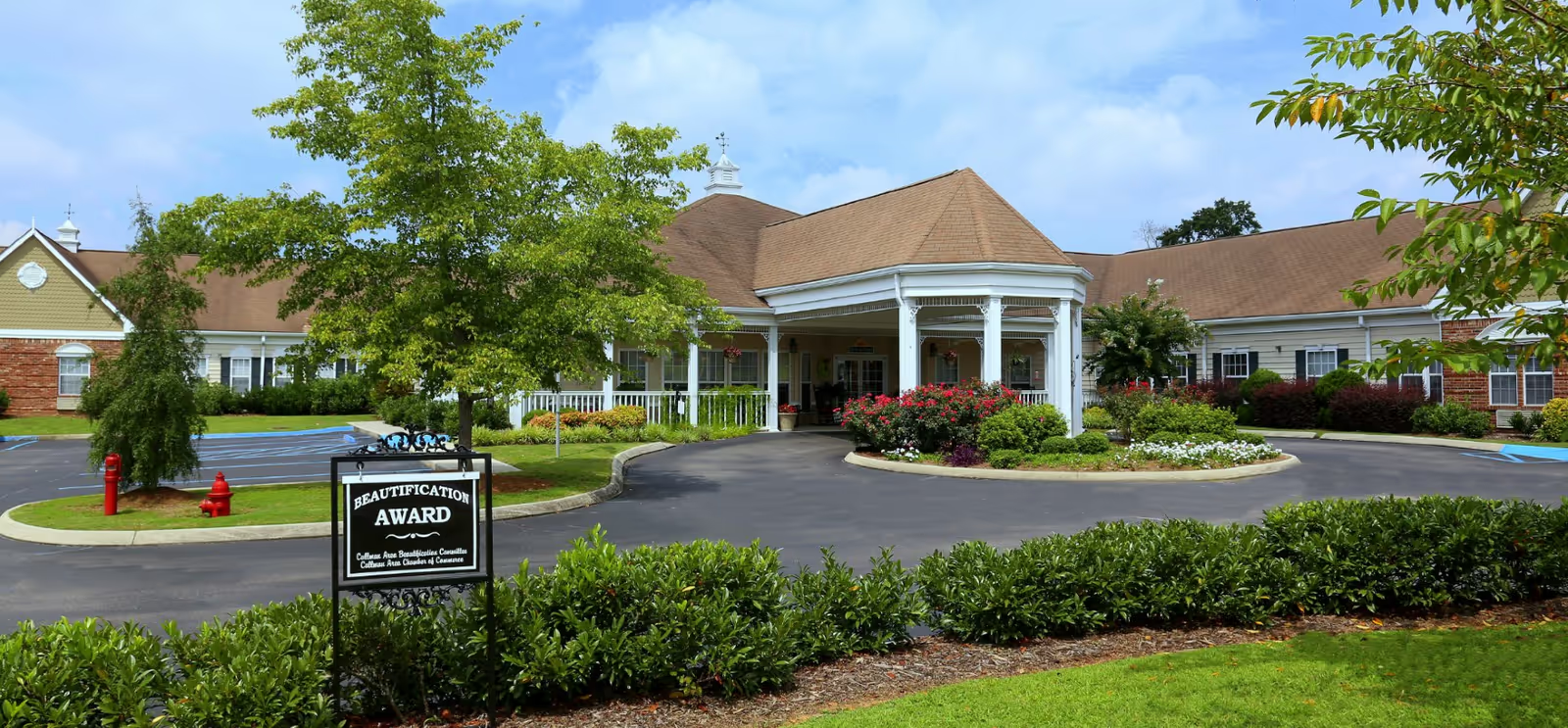
Reviews describe a facility with a mix of clear strengths and recurring operational weaknesses. Strengths most commonly cited include compassionate and attentive direct-care staff, an on-site rehabilitation program with regular clinician rounds, appealing communal spaces (large day room and courtyard), and amenities such as a weekly beautician and varied dining options. Several families commented that the grounds, gardens and resident animals contribute to a homelike, engaging environment, and that administrative leadership is often visible and responsive during daytime hours.
Care quality appears uneven. Many accounts praised individual caregivers and daytime teams for attentive care and emotional support, while others raised concerns about inconsistent clinical practices, delays in treatments and long response times to call lights. There is a frequent pattern of variability between shifts: first-shift staff are commonly described as more reliable, while night and off‑peak shifts are associated with slower responses and lower consistency in basic personal-care tasks. These operational inconsistencies have led some families to supplement care or meals themselves.
Communication and clinical transparency are notable areas of divergence. Positive interactions with staff and clinicians were reported, and some families appreciated direct explanations of limitations. At the same time, other families reported difficulties obtaining timely clinical updates, unclear information about checks and vitals, and inconsistent follow-up from management. There are also serious, specific concerns regarding property management and end-of-life processes; some reviewers described problematic handling of belongings and communications following resident deaths, which have created significant distrust among affected families.
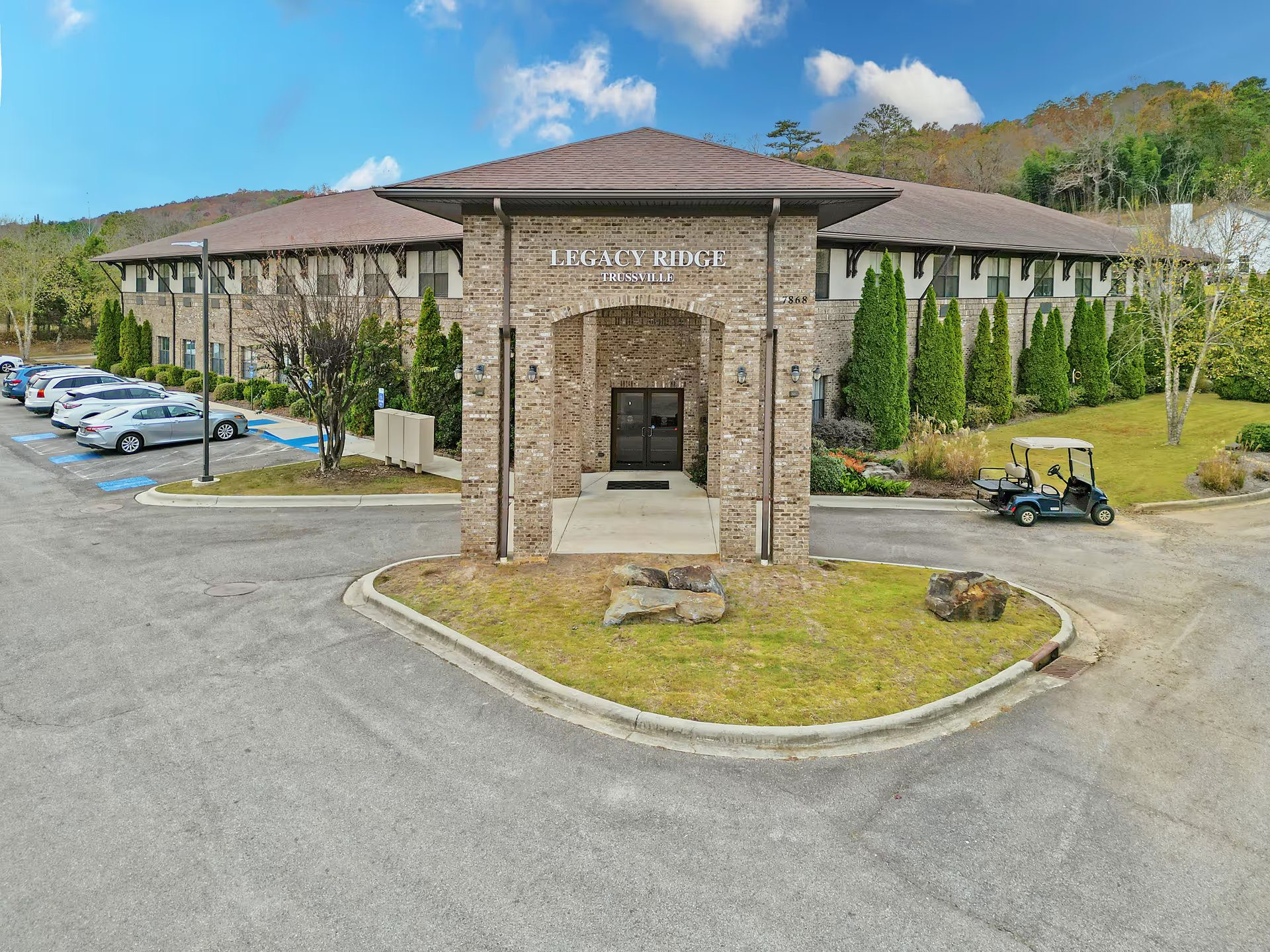
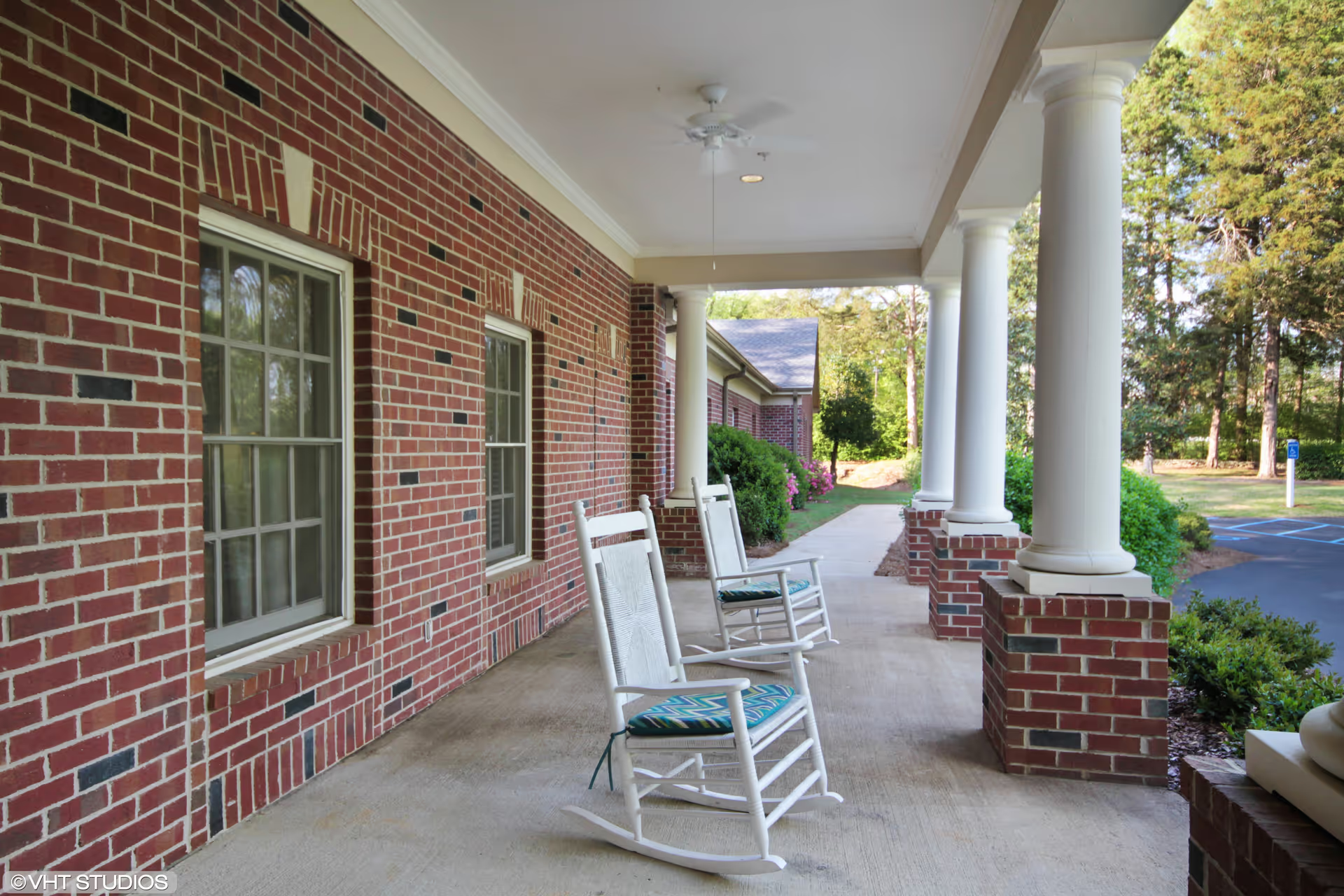
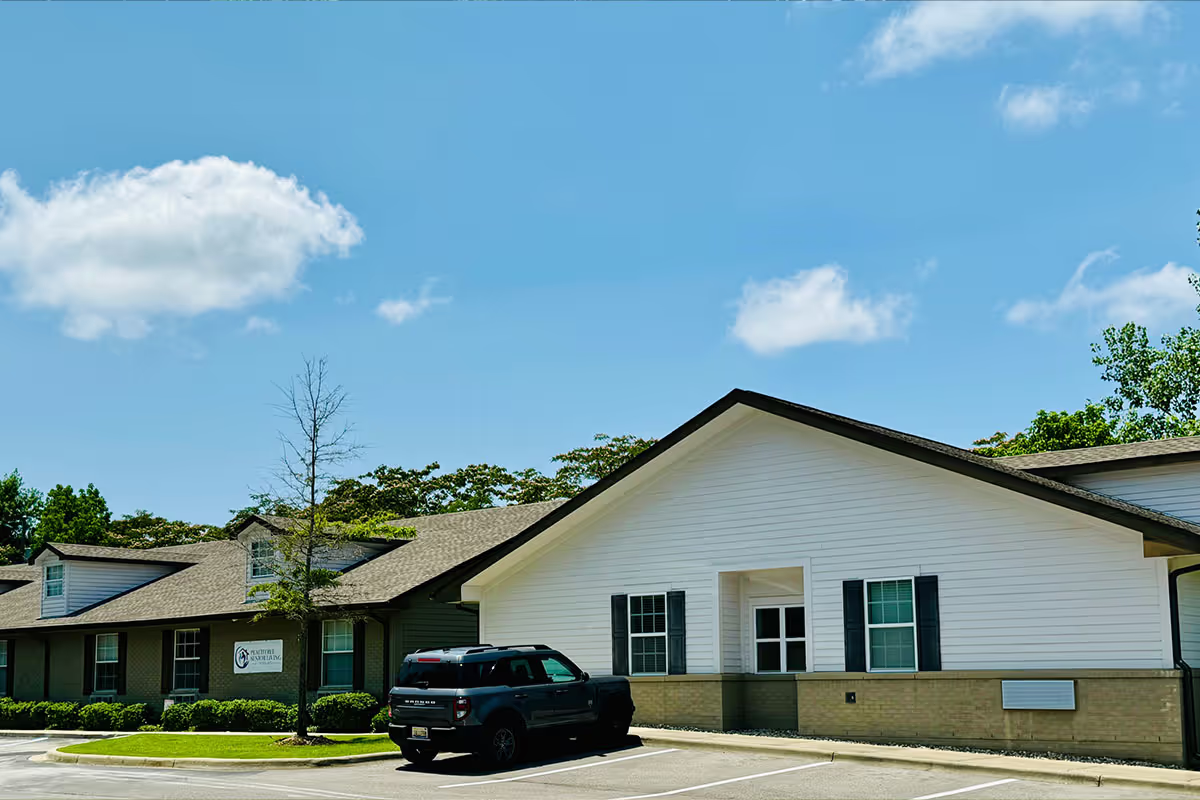
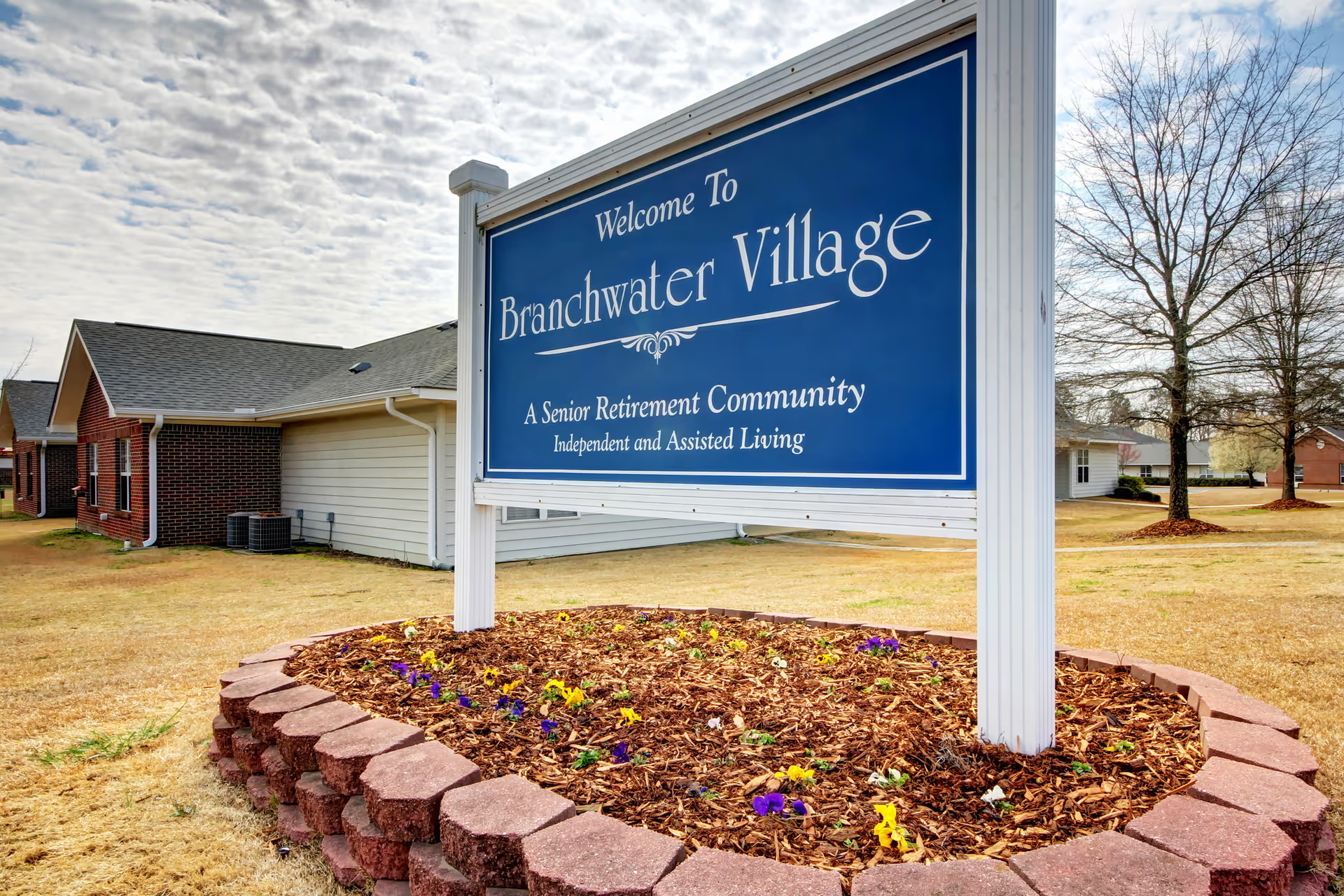
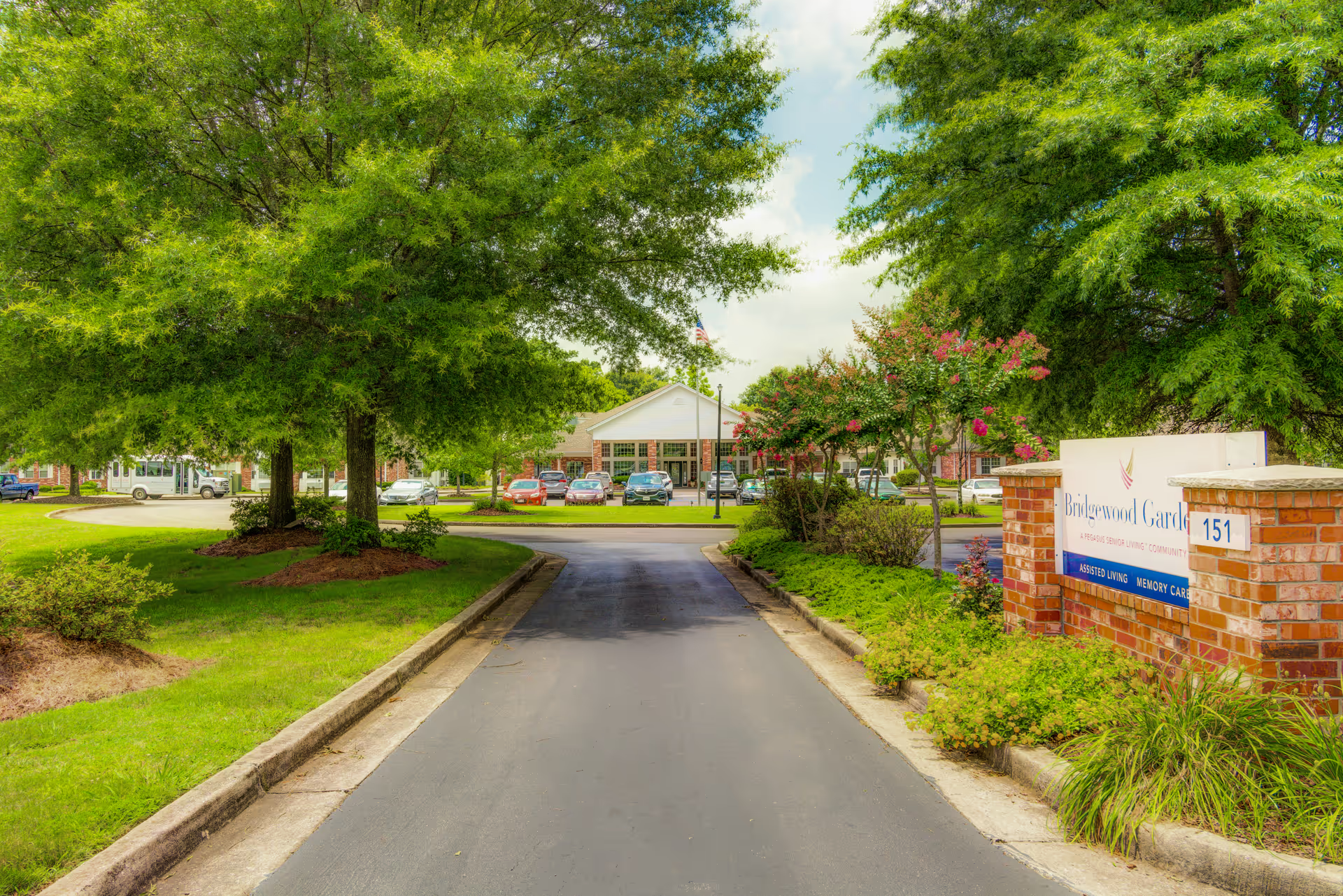
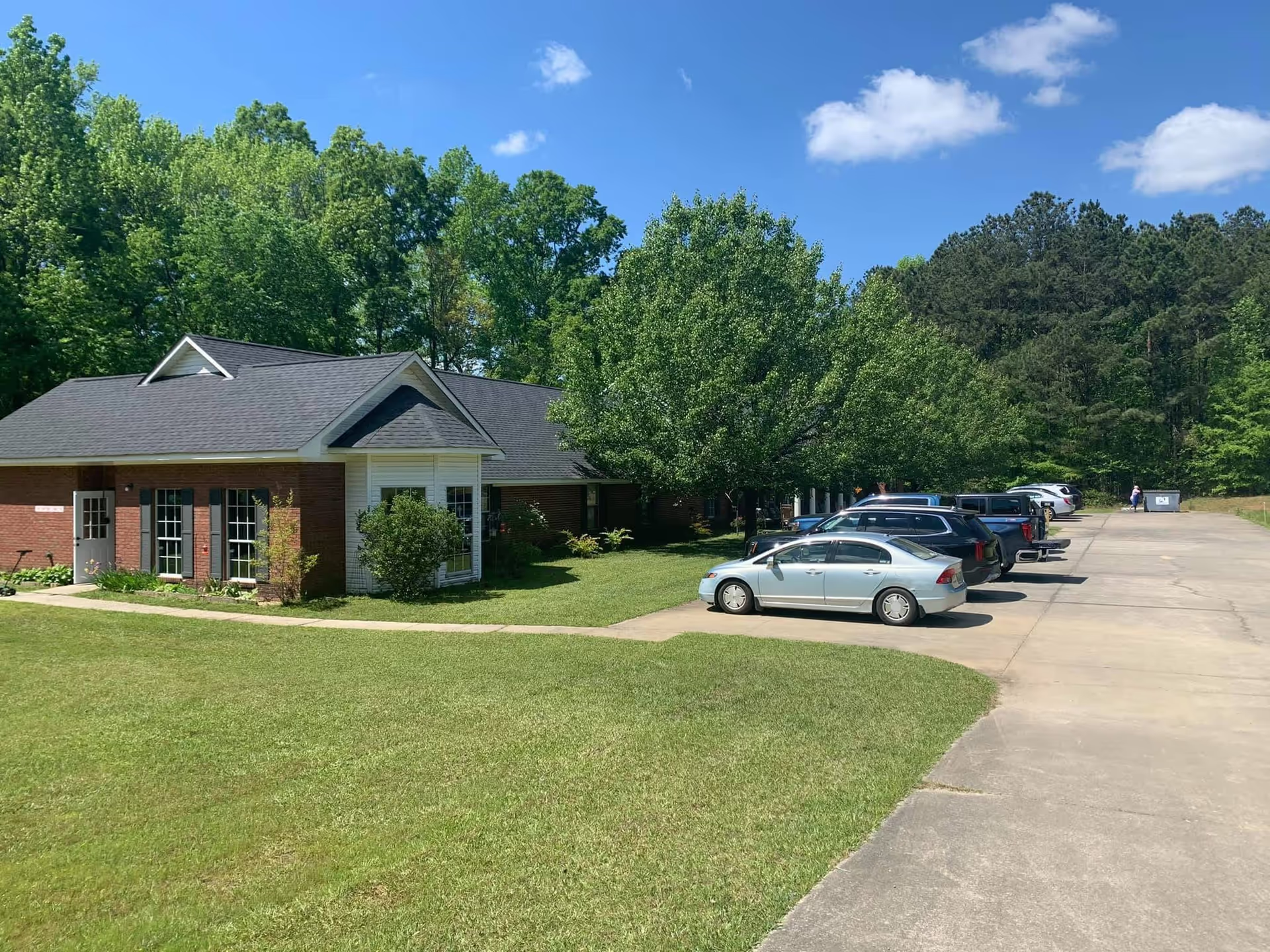
Facility and environmental issues are mixed. The building features attractive communal areas, fresh paint in rehab rooms, and a pleasant courtyard, but several reviews raised sanitation and HVAC maintenance issues in particular areas (including window-unit maintenance and mold-control concerns). Housekeeping and common-area cleanliness were identified as strengths by some and as needing improvement by others, suggesting inconsistent execution of environmental services.
Rehabilitation and therapy show strengths in having services on-site and clinicians available regularly, but families described variable therapy effectiveness and follow-through. Medication management and monitoring were also flagged as an area requiring closer oversight in a subset of accounts. Finally, visitor relations and grievance processes appear uneven: while some families praised an engaged administrator who is accessible, others described situations in which complaints were not handled to their satisfaction.
Overall, prospective residents and families may find strong relational care and useful on-site services at this facility, particularly during daytime hours. At the same time, consistent due diligence is advisable: inquire about staffing levels across all shifts, observe rounding and call-light response times, ask for written policies on property handling and end-of-life communications, review infection-control and HVAC maintenance practices, and verify rehabilitation goals and follow-up processes. These targeted questions can help determine whether the facility’s strengths align with a given resident’s needs and expectations.