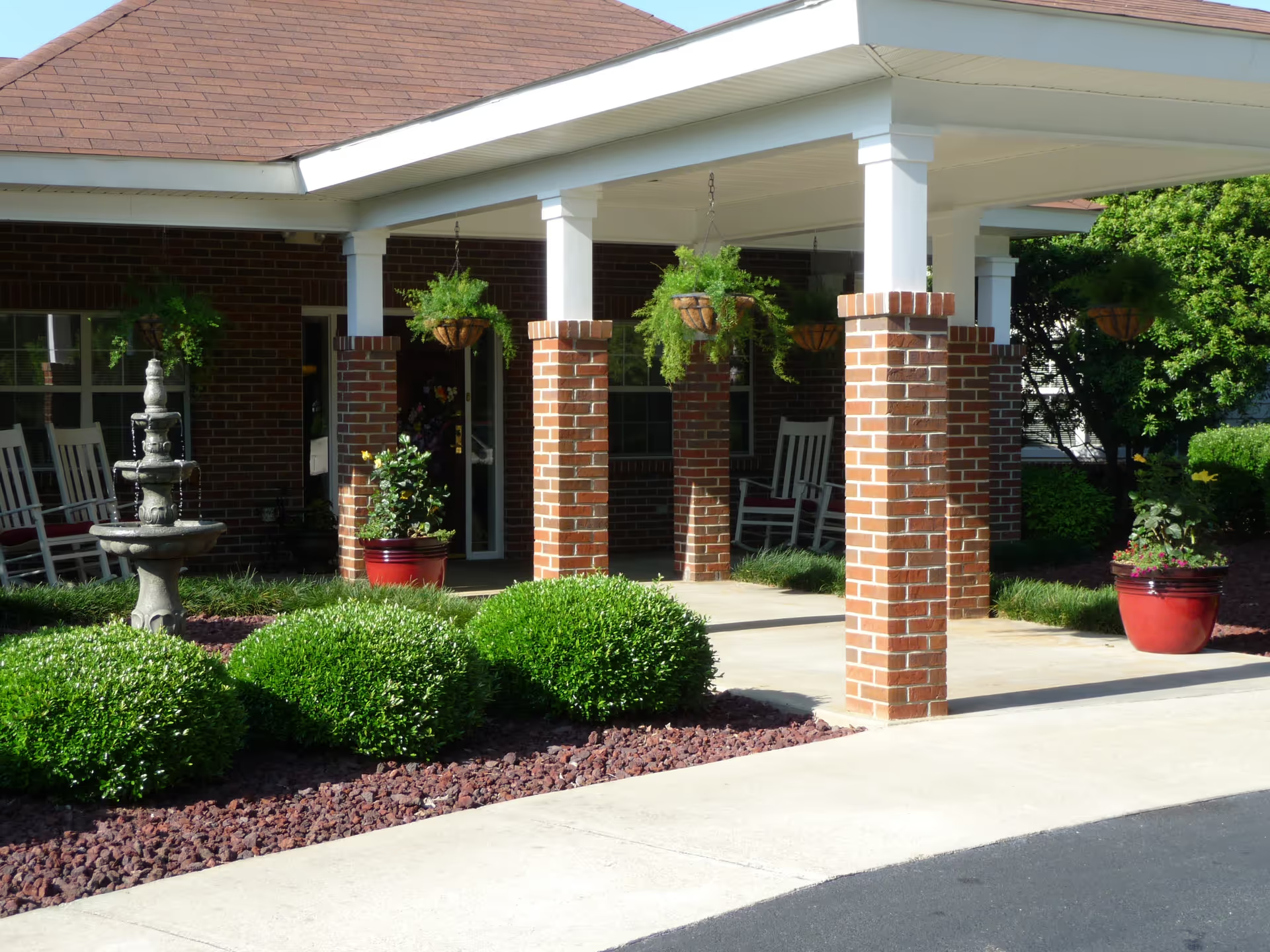
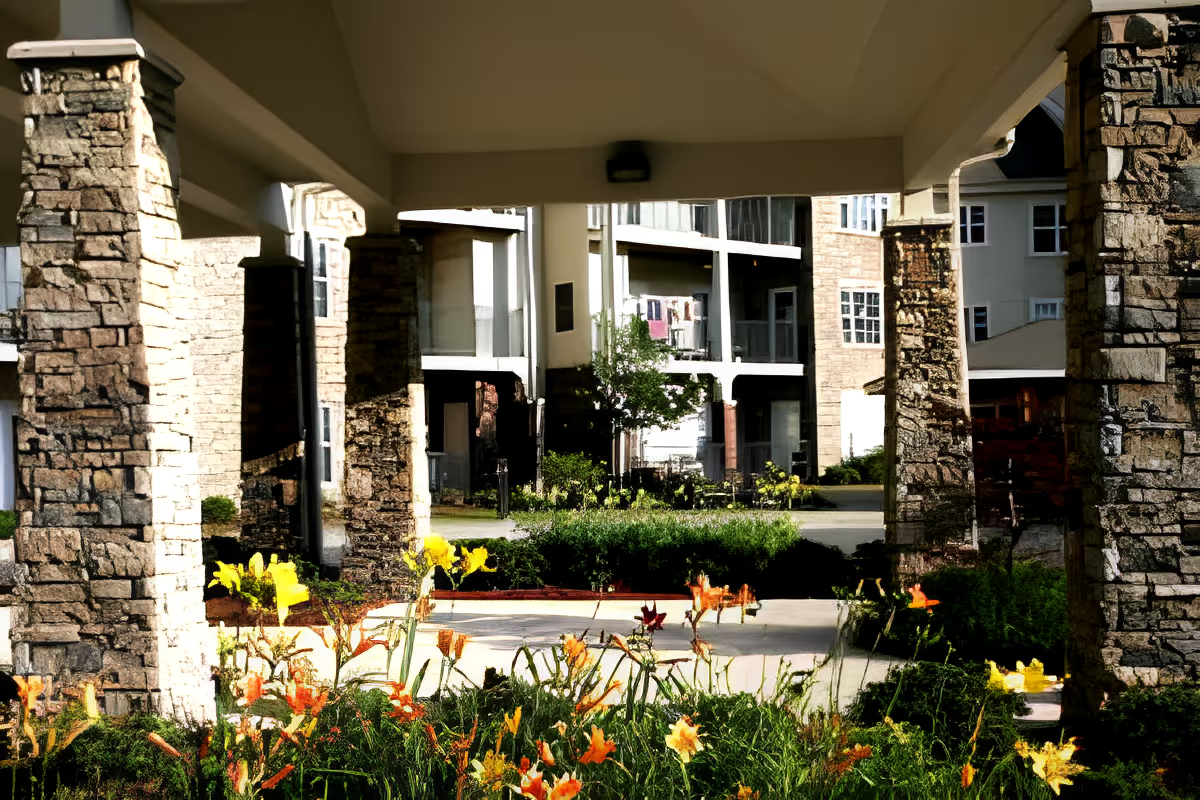
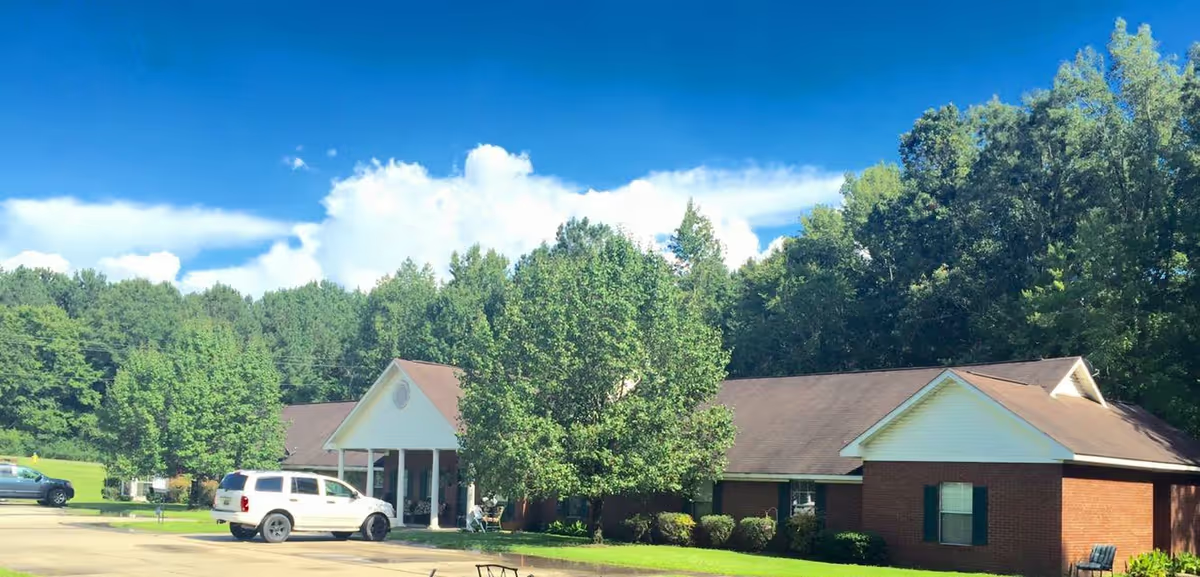
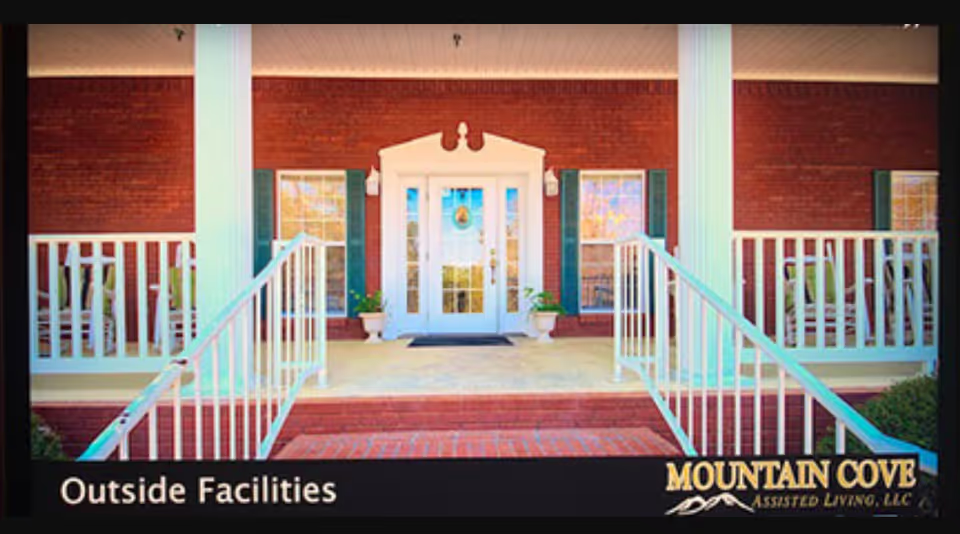
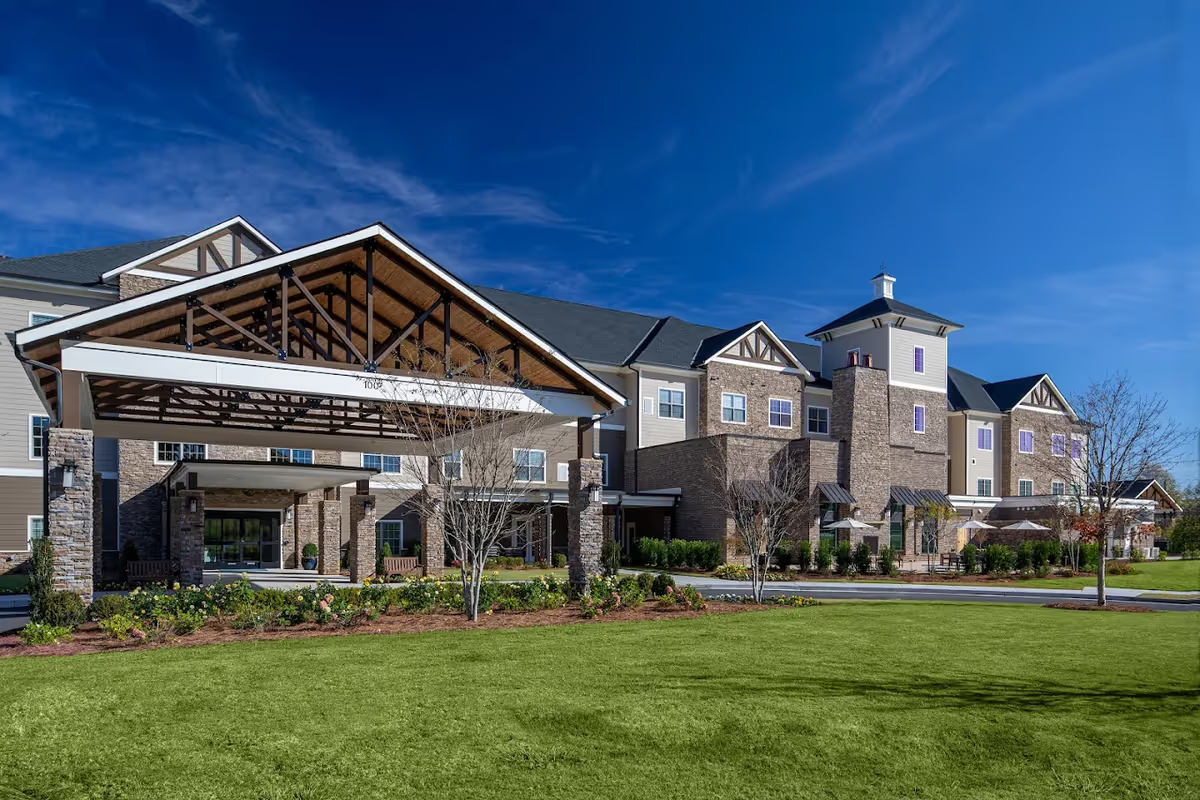
The reviews of Diversicare of Oxford present a polarized picture. A number of families describe positive experiences: attentive caregivers, knowledgeable admissions staff, and rehabilitation teams that helped residents regain function and independence. The facility has some visible safety measures (exit-monitoring bracelets and alarms), an activity program, and portions of the building and grounds — notably outdoor views and a refreshed entryway — that were described positively. Several reviewers explicitly credited specific therapists and leaders for effective care and timely issue resolution.
Counterbalancing those endorsements are recurring operational concerns that point to inconsistent day-to-day care. The most frequent themes are delayed responses to nurse-call lights, inconsistent assistance with toileting and personal hygiene, and problems with medication administration. Reviewers also described issues with laundry handling, missing personal items, and meal quality and presentation that do not meet expectations. These items suggest gaps in routine clinical and housekeeping processes that can affect resident dignity and comfort.
Facility-condition and environmental concerns emerged repeatedly. Multiple families noted cleanliness and odor concerns in rooms and common areas, reports of pest-control problems, and an older physical plant that requires further maintenance or updates in deeper areas. Room size and double-occupancy layouts were also mentioned as limitations by some families. At the same time, others described clean, odor-free areas and improvements made to the entry and public spaces, indicating variability across units or shifts.
Staff performance and communication are described as highly variable. Several accounts praise compassionate, friendly aides and therapists; others describe unfriendly or brusque nurses, poor communication with families, and inconsistent admission experiences. There are also troubling descriptions of delayed escalation in clinical events and at least one account identifying concerns following a resident's death; in addition, a serious claim of financial misconduct was raised. These matters point to uneven staff training, supervision, and incident-response protocols.
Rehabilitation and therapy services receive some of the strongest positive comments, with examples of rapid functional gains and successful discharge to independence. However, other reviewers described inadequate rehab or unmet expectations, which suggests variability in therapy quality or in how therapies are delivered and followed up.
Management and leadership appear mixed but capable of improvement: several reviewers noted responsive administrators and a director of nursing who addressed issues promptly, while others experienced unhelpful front-line responses. That pattern suggests the facility may be in transition, with pockets of improvement alongside persistent operational gaps.
Overall, the pattern is one of highly variable experiences. Prospective residents and families may encounter strong clinical rehabilitation, caring staff, and some well-maintained areas; they may also face inconsistent responsiveness, cleanliness and laundry problems, meal-quality issues, and weaknesses in emergency escalation and medication processes. When considering this facility, it would be prudent to tour multiple units, observe staffing and mealtimes, ask about nurse-call response metrics, medication and incident protocols, laundry procedures, pest-control actions, and recent leadership or quality-improvement initiatives to determine whether current operations align with your expectations.