Overall impression: Reviews reflect a facility that offers active, recovery-oriented programming and a generally welcoming culture at the front end of the facility. Many visitors and family members described positive first impressions, friendly greetings, and staff who were helpful and clear when explaining care. On the positive side, recreational and therapy activities — including word games, group exercise, and game-based therapy such as ring toss — were highlighted as engaging for residents and supportive of rehabilitation progress.
Activities and resident engagement: Activity programming appears to be a consistent strength. Reviewers noted structured cognitive and physical group activities that allow participation by residents and visitors and that appear to support measurable recovery in some residents. The presence of therapy-led, social games contributed to a perception of an active environment where residents are engaged and encouraged to participate.
Care and staffing: Many comments praised direct-care staff as kind, attentive, and genuinely concerned about resident well-being, with some families characterizing their loved ones as extremely happy and well cared for. At the same time, a pattern of inconsistent care behaviors emerged in other comments: instances of delayed or missed responses to family calls, abrupt communication tone from some clinical staff, and periods of inattentiveness by CNAs. These descriptions suggest variability in responsiveness and conduct that may depend on the individual staff member or shift. Overall, the facility provides examples of very good care but also shows unevenness in how consistently that care is delivered.
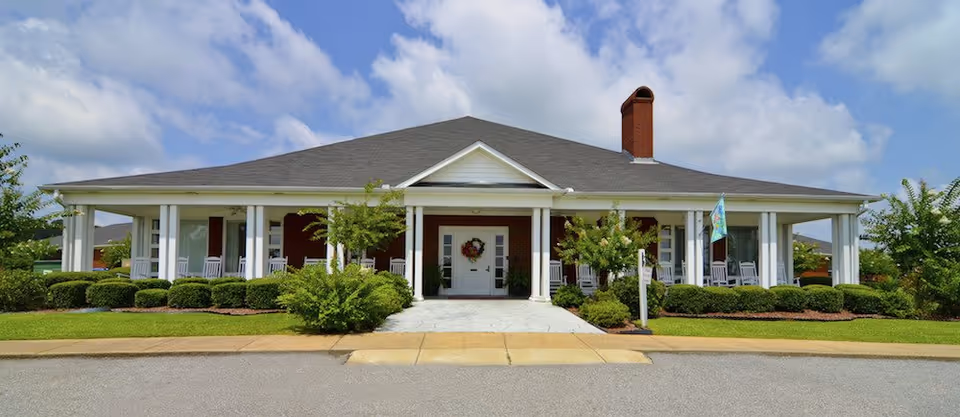
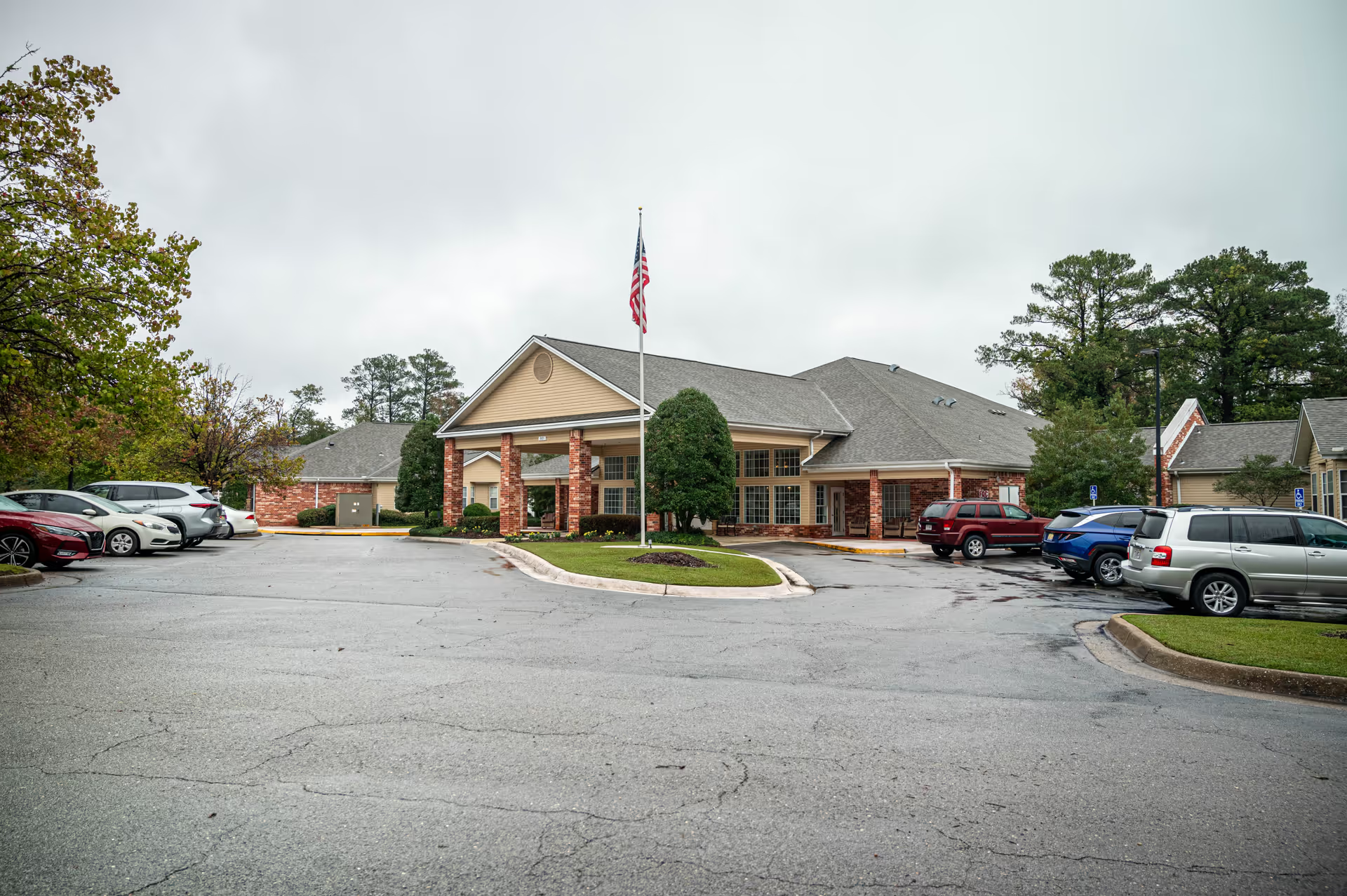
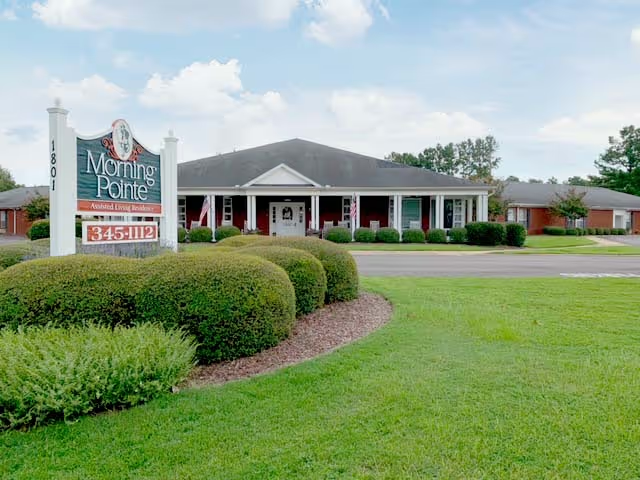
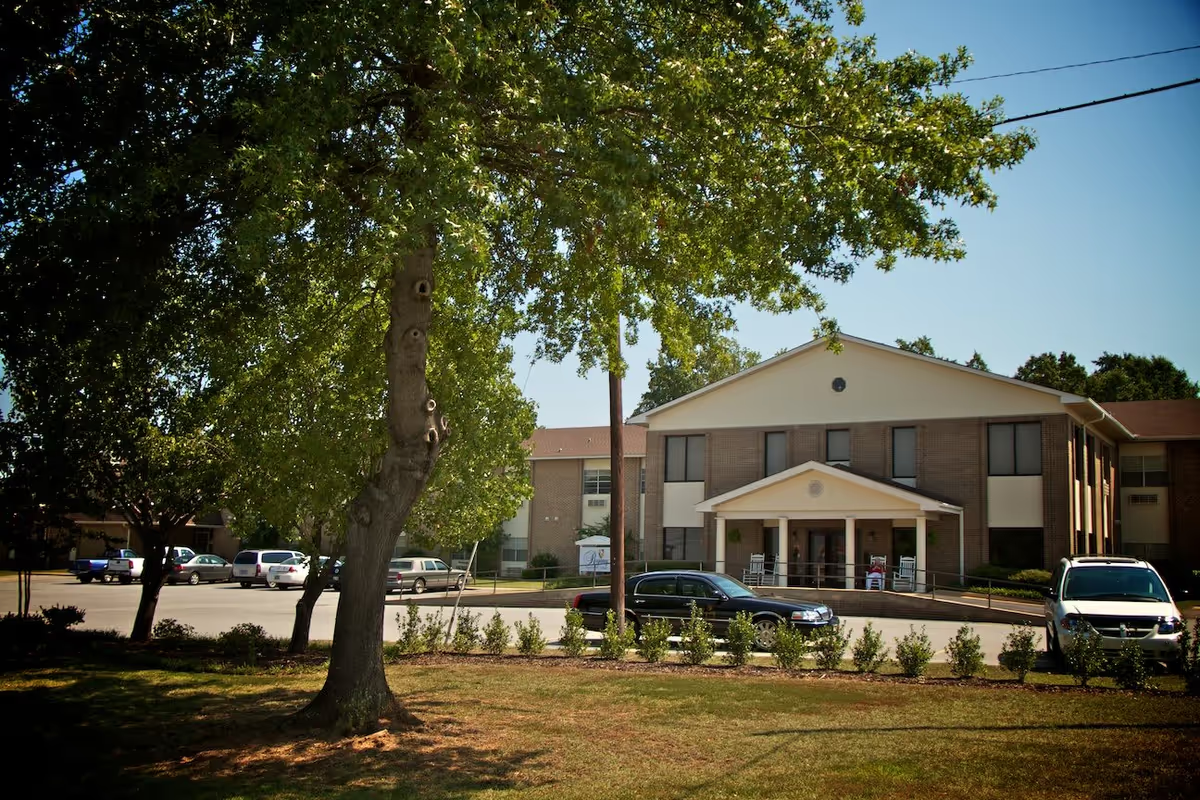
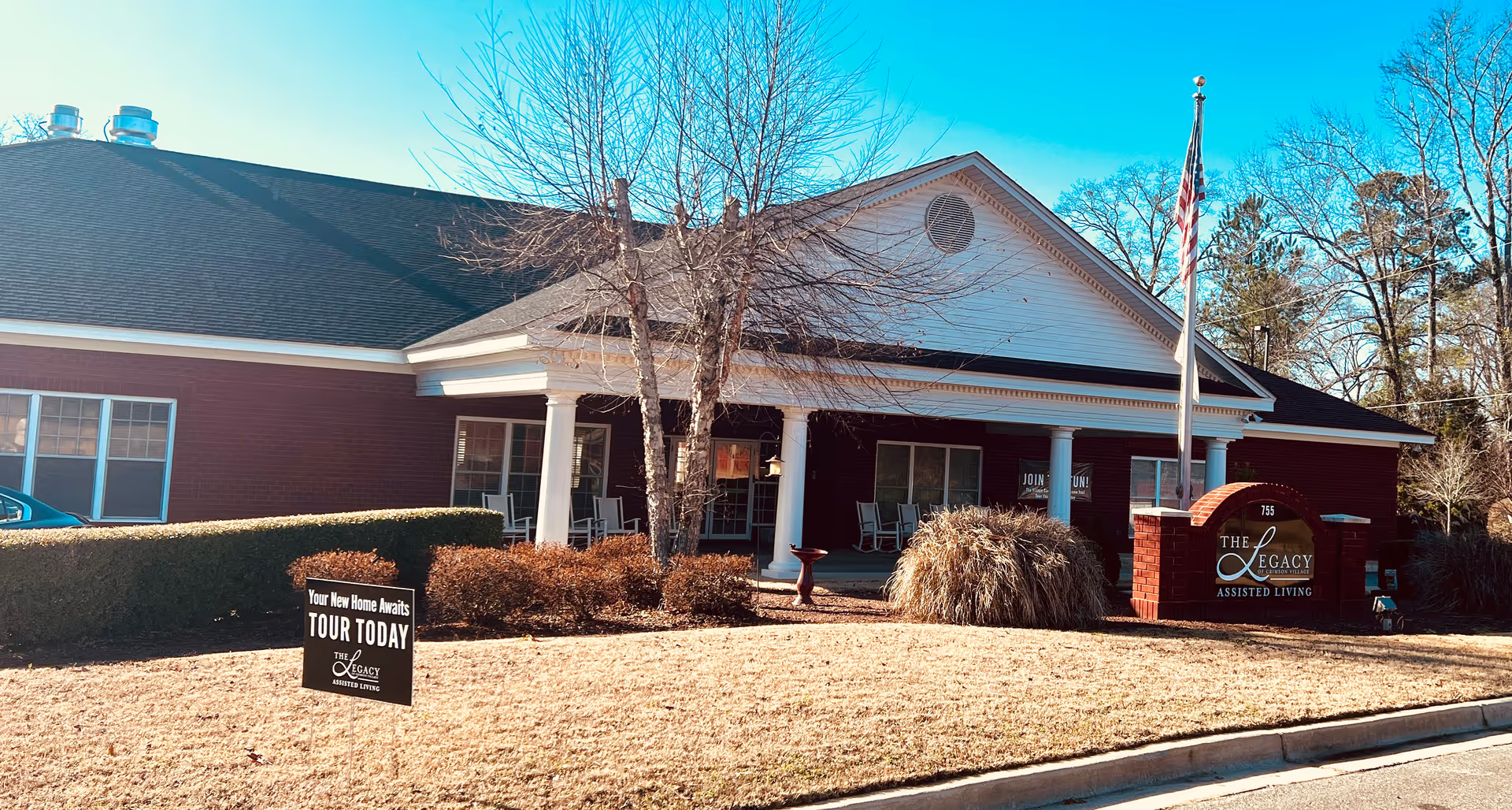
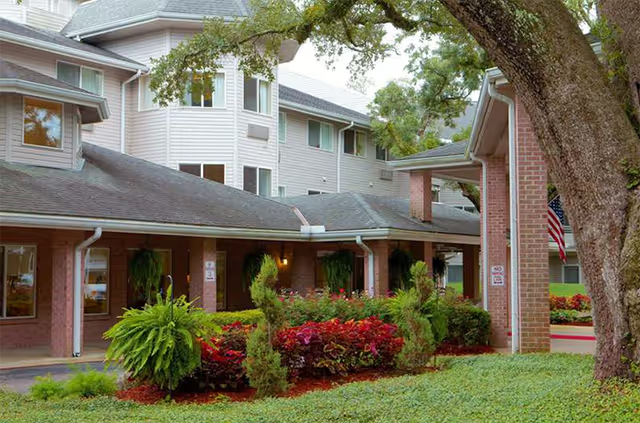
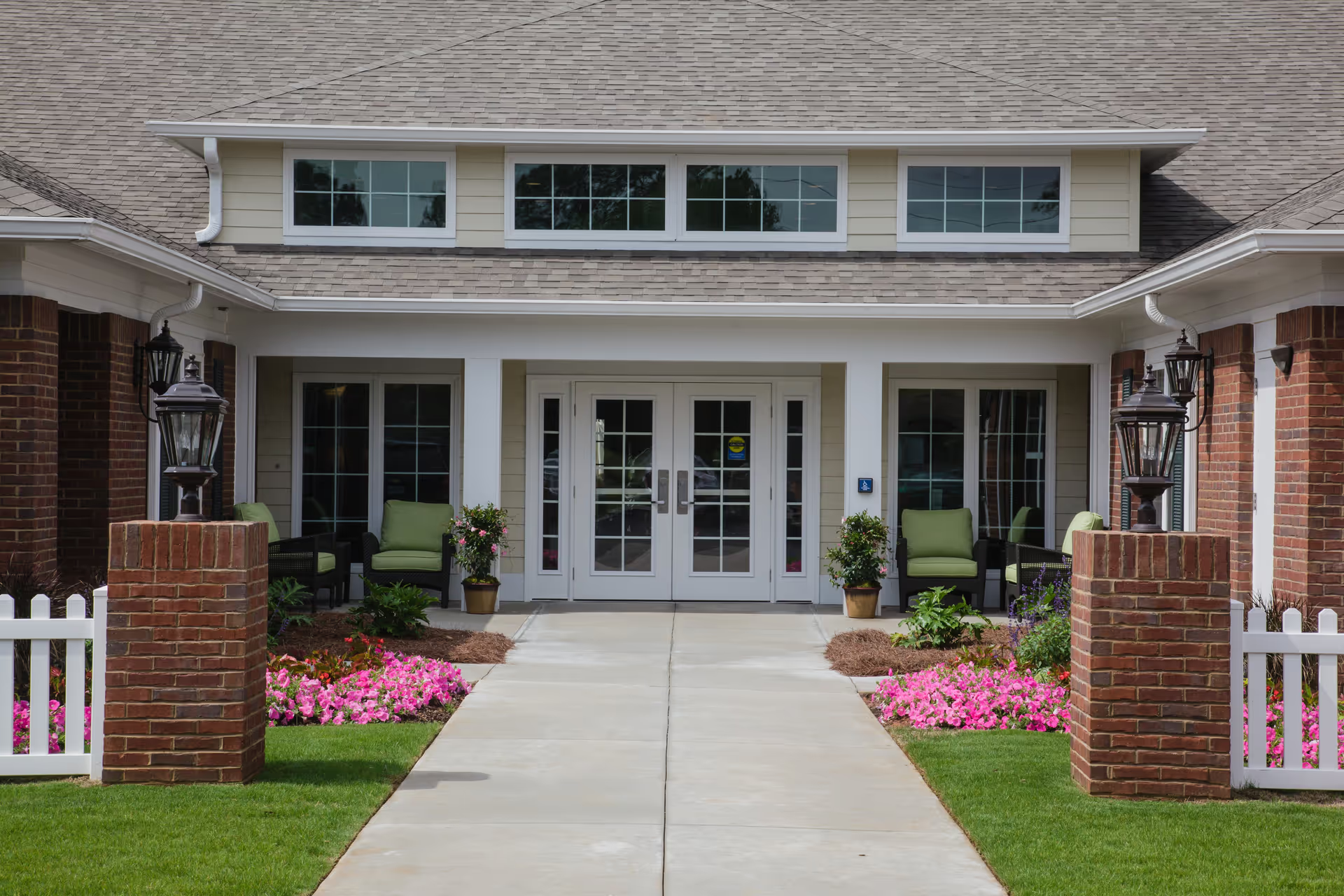
Facilities and cleanliness: Exterior maintenance and curb appeal received positive mention — landscaping, parking areas, and general exterior upkeep were described as well maintained. Interior observations were mixed. Several reviewers described the interior as clean and pleasant, while others raised interior cleanliness and odor concerns and noted sanitation-related issues. This points to uneven housekeeping or environmental control performance across locations or times.
Management and operations: Front-desk and admitting interactions generally create a positive impression, and staff often provide clear explanations and helpful guidance to families. However, some operational weaknesses are evident: inconsistent prioritization between clinical care and nonclinical tasks, variability in staff attentiveness, and lapses in communication tone. These patterns indicate opportunities for targeted supervisory focus, standardized responsiveness protocols, and communication training to reduce variability and improve reliability of family interactions and direct care.
Notable patterns and advice for families: The dominant positive themes are active programming, engaged therapy staff, and many caring front-line employees; the dominant concerns are inconsistency in responsiveness and occasional interior sanitation/odor issues. Prospective residents and families should consider visiting at different times of day and asking about staffing levels, shift handoff practices, housekeeping routines, and how the facility handles family communications to assess whether the operational consistency meets their expectations.