Overall impression: Reviews present a mixed picture of Talladega Healthcare Center. Multiple comments praise the staff as friendly and helpful, with specific positive references to CNAs and timely responses to resident needs. At the same time, several operational and care-quality concerns appear repeatedly, producing variability in the resident experience.
Care quality: Some families and observers described strong clinical attention and considerate direct care, noting timely interventions and an overall sense of safety. However, other accounts indicate inconsistent clinical performance that correlates with periods of understaffing and high direct-care turnover. These patterns suggest variability in day-to-day care continuity rather than uniformly poor or uniformly excellent clinical practice.
Staff and management: Staff interpersonal skills are frequently highlighted as a strength—many reviewers called staff "friendly" and "helpful." Nevertheless, reviewers also report frequent CNA turnover and occasional understaffing. Those staffing dynamics are cited as contributing to gaps in responsiveness and to operational problems. There are statements characterizing the facility as poorly run, which point to management and coordination deficits affecting scheduling, placement decisions, and consistency of care.
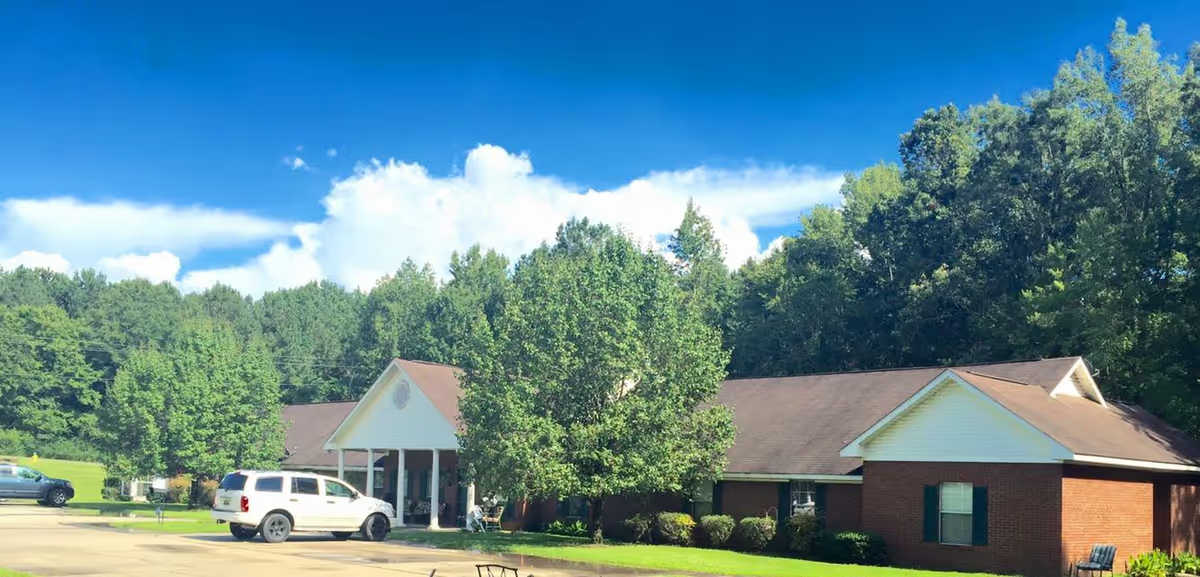
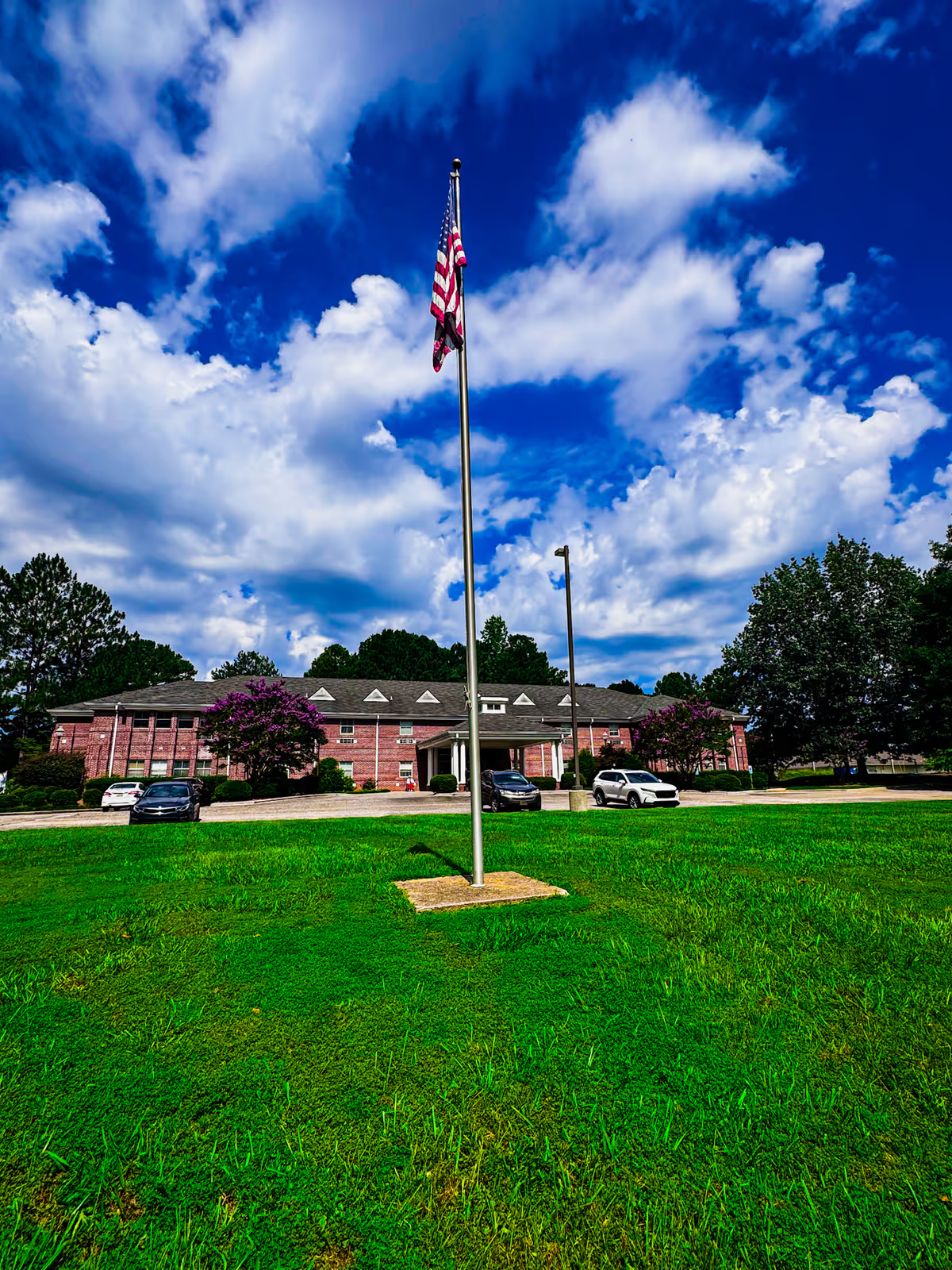
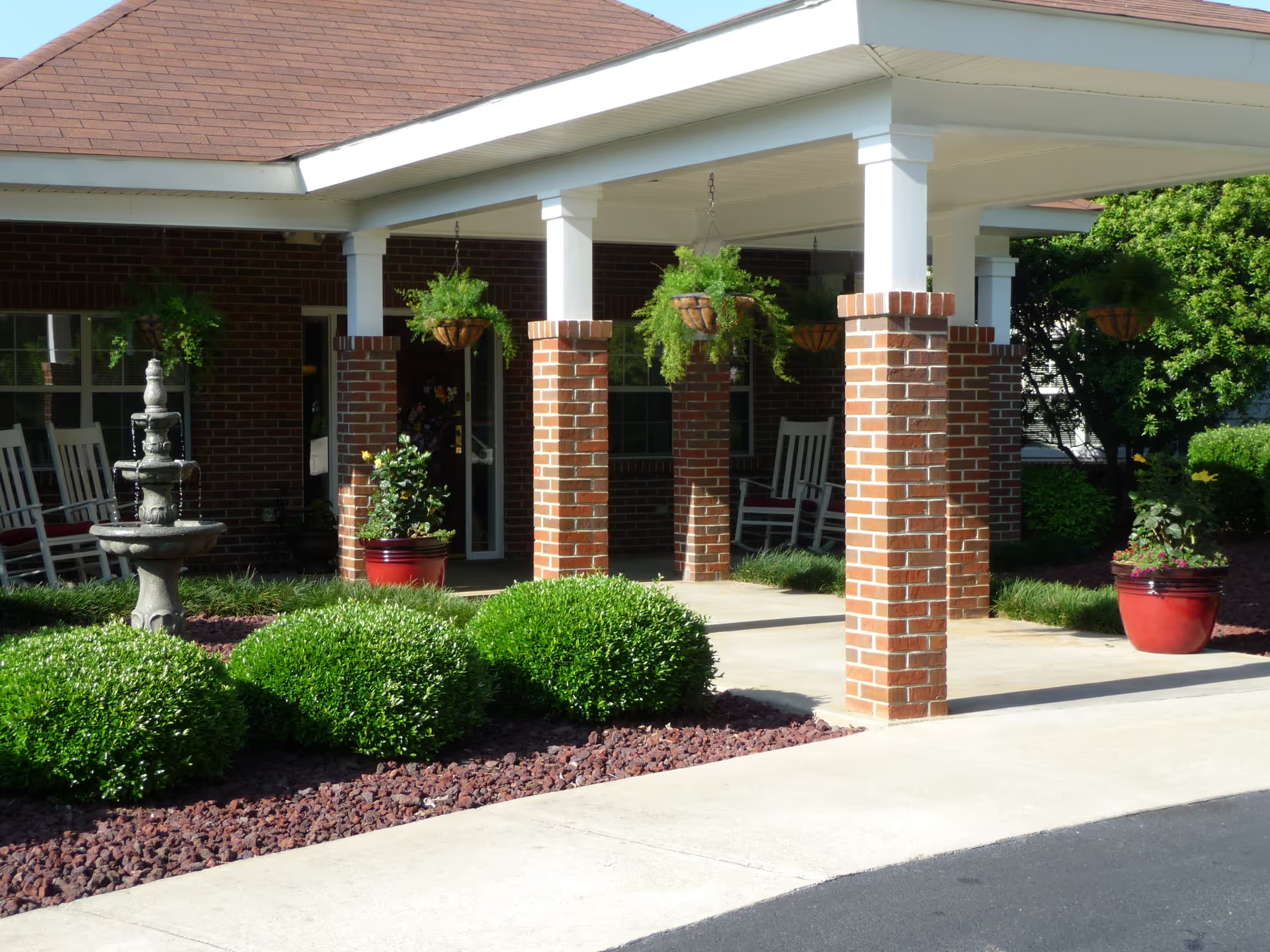
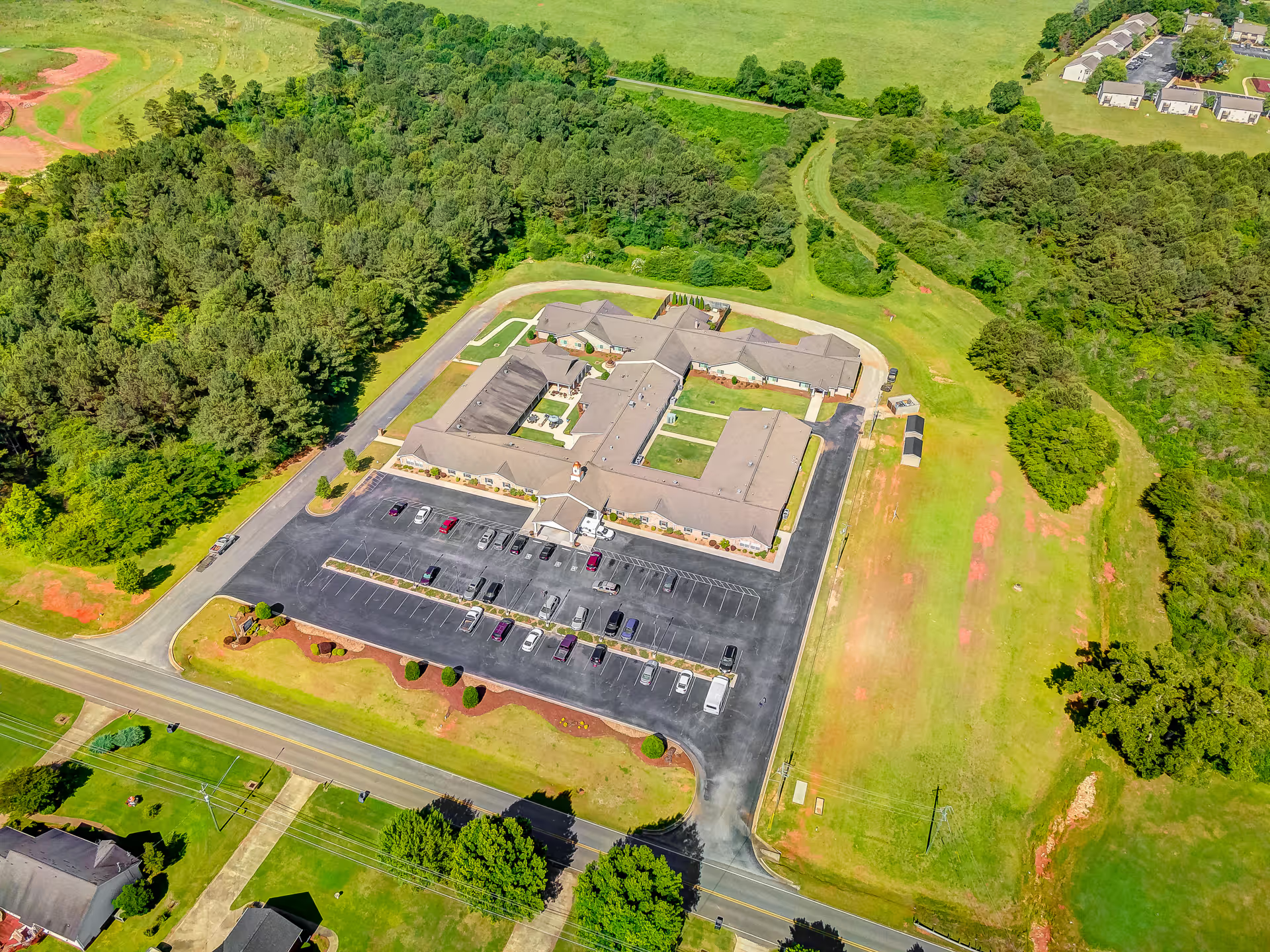
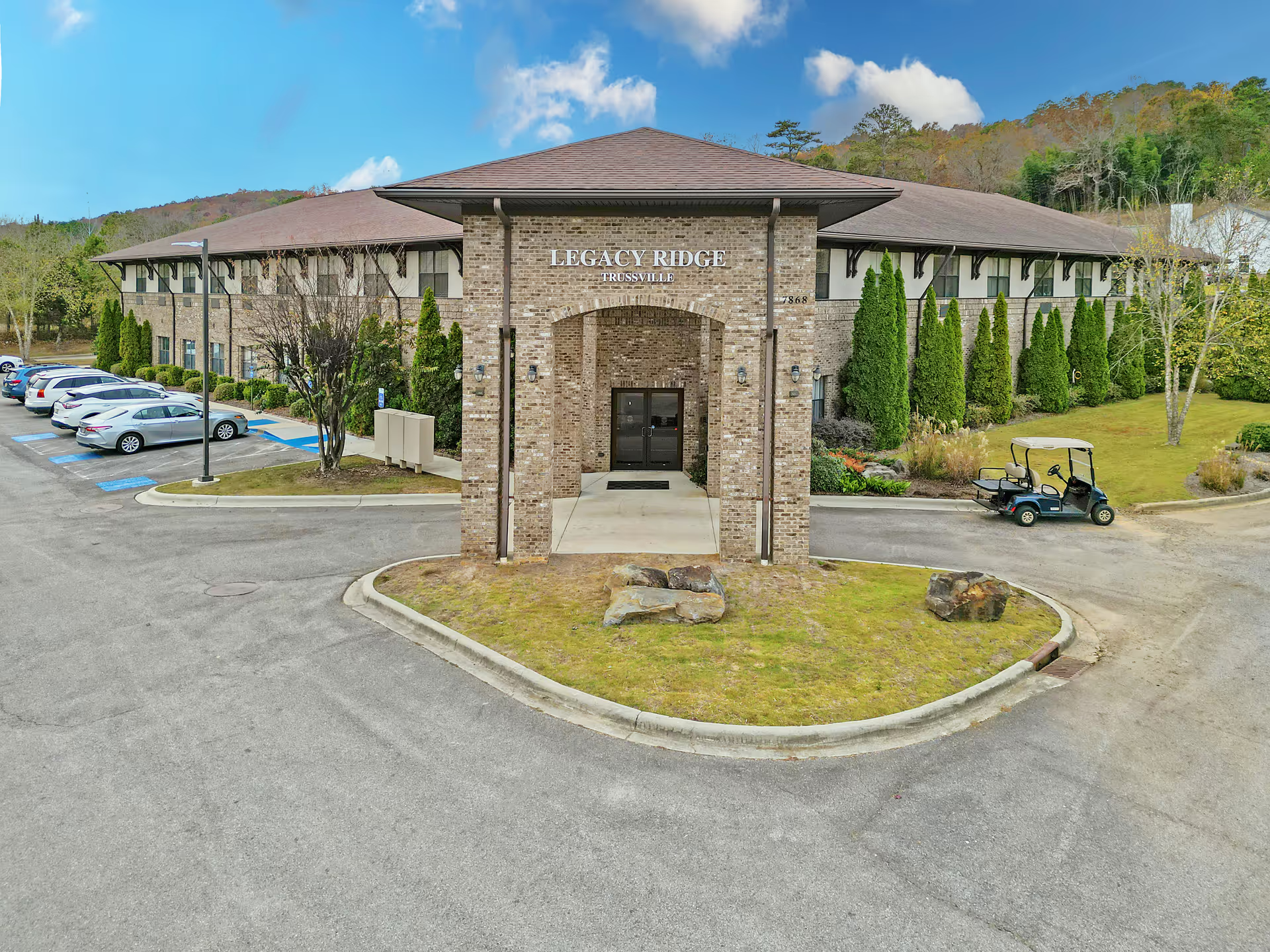
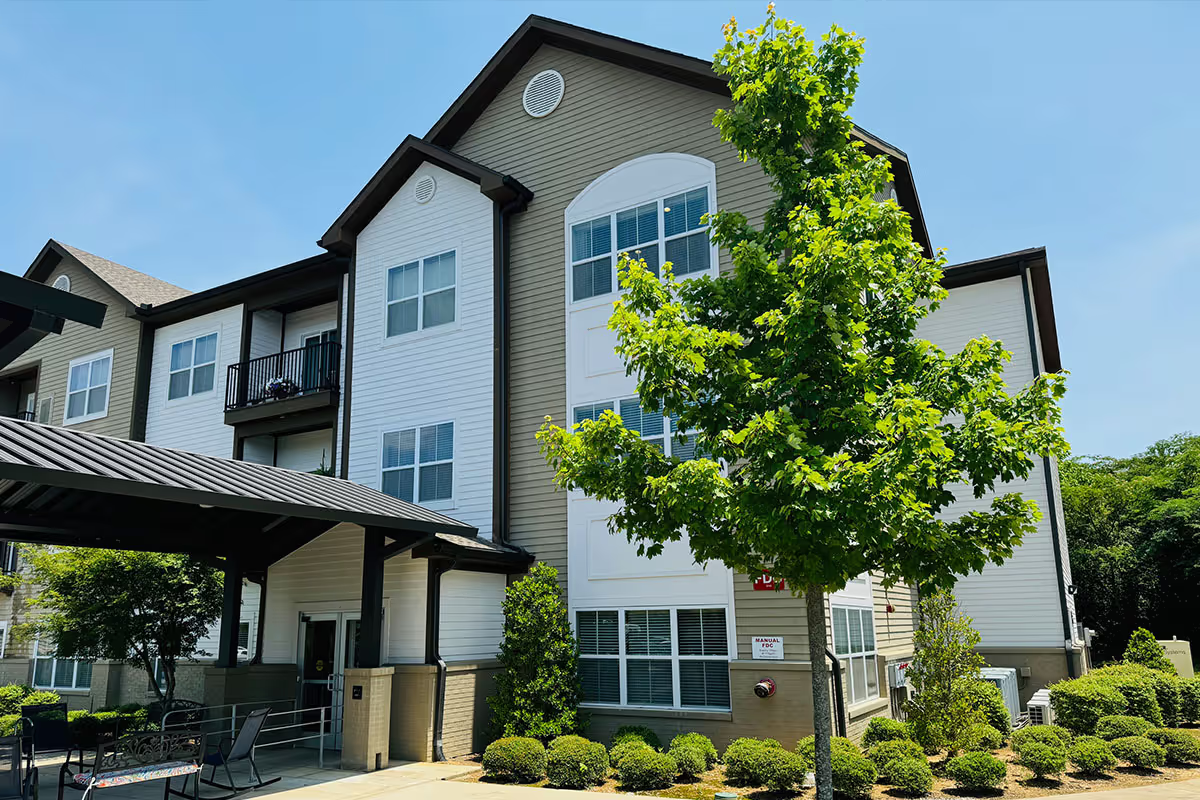
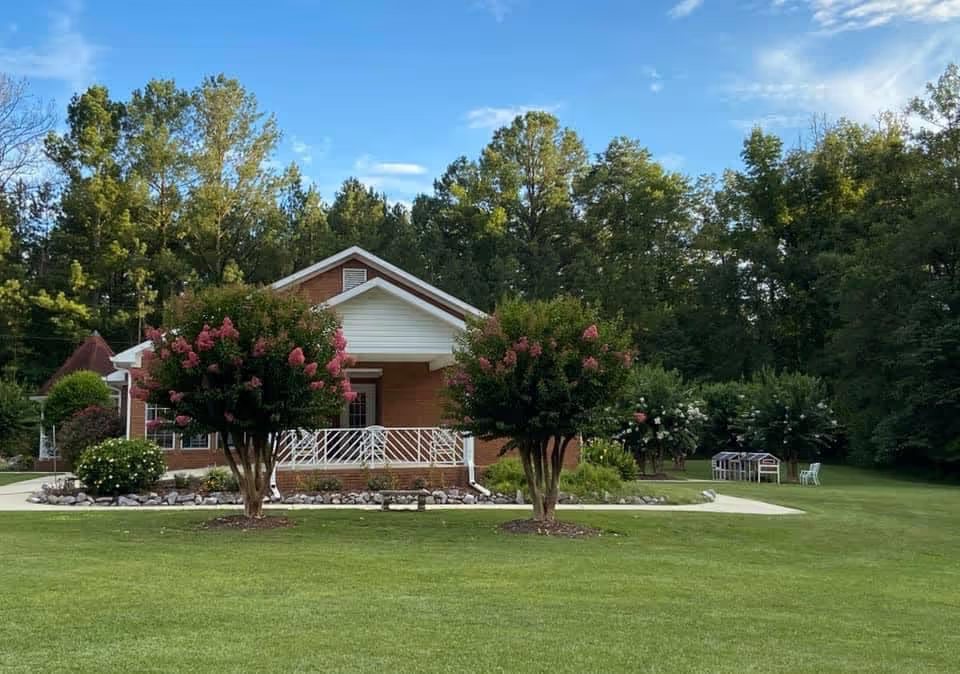
Facilities, cleanliness, and safety: The facility's exterior and some common areas (floors) receive favorable comments for maintenance and appearance, and several reviewers said the environment felt safe. Contrastingly, other comments raise sanitation concerns, including odor issues and equipment cleanliness. These observations suggest uneven housekeeping and equipment-maintenance practices across the building or over time, rather than a uniformly maintained environment.
Privacy, dignity, and placement practices: Reviews raise concerns about rooming and placement practices that can compromise resident privacy and comfort—examples include shared rooms and situations where immobile residents were placed in non-private locations. These are operational issues that relate to policies on room assignments, use of hallways, and staffing models that support privacy-sensitive care.
Dining and activities: Review content provided limited information about dining services and activities. There were no consistent themes of praise or criticism in these areas, so prospective families should request details and observations during a visit.
Notable patterns and practical guidance: The dominant pattern is a contrast between positive staff interactions and organizational weaknesses that produce inconsistent outcomes. For prospective residents and families, recommended topics to address during a tour and intake discussion include current staffing ratios and turnover rates, cleaning and equipment-maintenance protocols, privacy and room-placement policies, and how the facility manages care continuity during staffing shortages. Asking to speak with direct-care staff and to see recent inspection or staffing documentation can help clarify how consistent the positive experiences are likely to be going forward.