Quiburi Mission Nursing & Rehabilitation elicits a mixed but generally positive set of impressions. Many families emphasize strong clinical strengths: a caring nursing team, an engaged and knowledgeable rehabilitation staff, and a facility that is often described as clean, well maintained, and deficiency‑free. Reviewers frequently highlight a welcoming, family‑oriented atmosphere, ample opportunities for socialization and family visits, and generally favorable impressions of dining and food quality.
Clinical care and staff behavior are a clear strength for many residents. Several accounts praise attentive bedside care, proactive therapy and encouragement of recovery goals, and prompt responses from nursing and front‑desk personnel. At the same time, there are recurrent operational concerns that prospective families should evaluate before placement. These include inconsistent medication‑administration processes and irregularities in personal‑care routines such as bathing schedules. Related issues noted include perceived gaps in documentation accuracy and transparency, which have contributed to distrust in some family–staff interactions.
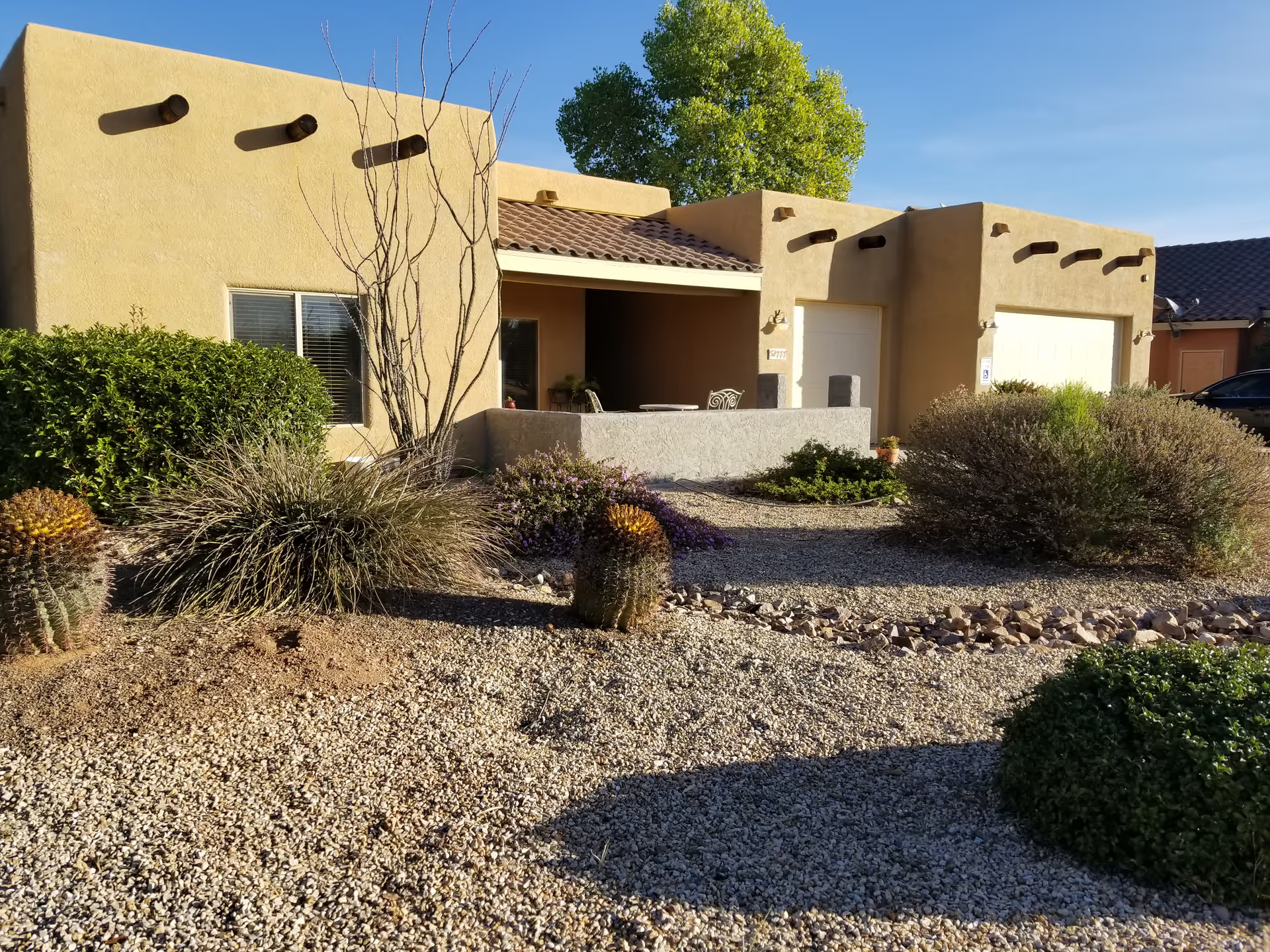
Dining and activities are described positively overall: reviewers report good food, a lively social environment, and residents who appear engaged and visited by family. The rehabilitation program in particular receives repeated praise for dedication and encouragement of recovery potential. Facility attributes such as easy parking, pleasant common areas, and general cleanliness are frequently cited, although several reviewers described variability at the room level — for example, challenges with ventilation, carpeting, or housekeeping in specific rooms.
Management and administrative areas show mixed feedback. Some families experienced difficulties with billing and dispute resolution, and there are reports suggesting weaknesses in bed‑management and discharge processes that can affect placement stability. A subset of comments raise concerns about the tone of staff communication or confrontational interactions with family members; these speak to possible gaps in staff training or managerial oversight of conduct. Given the combination of strong clinical praise and these operational complaints, prospective residents and their families would benefit from an in‑person tour, direct questions about medication and personal‑care protocols, clarification of documentation access and discharge policies, and review of billing procedures before committing to placement.
In summary, Quiburi Mission shows many attributes of a well‑run, small‑town nursing facility — compassionate staff, robust rehabilitation services, and a generally clean environment — while also exhibiting intermittent operational weaknesses in medication management, family communication, room‑level housekeeping, and administrative processes. Those considering this facility should verify current practices in the areas noted above and observe multiple rooms and shifts to form a balanced assessment.