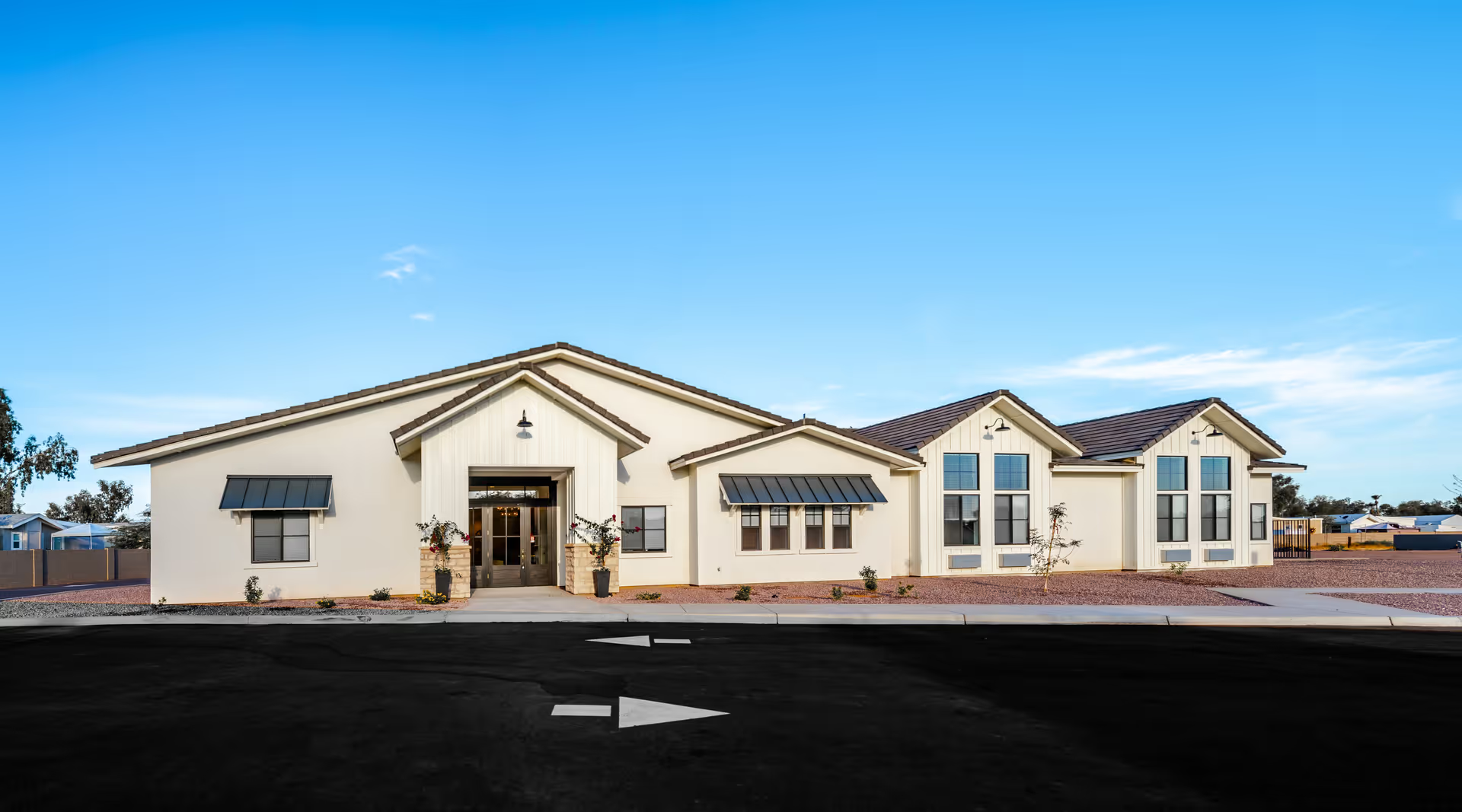
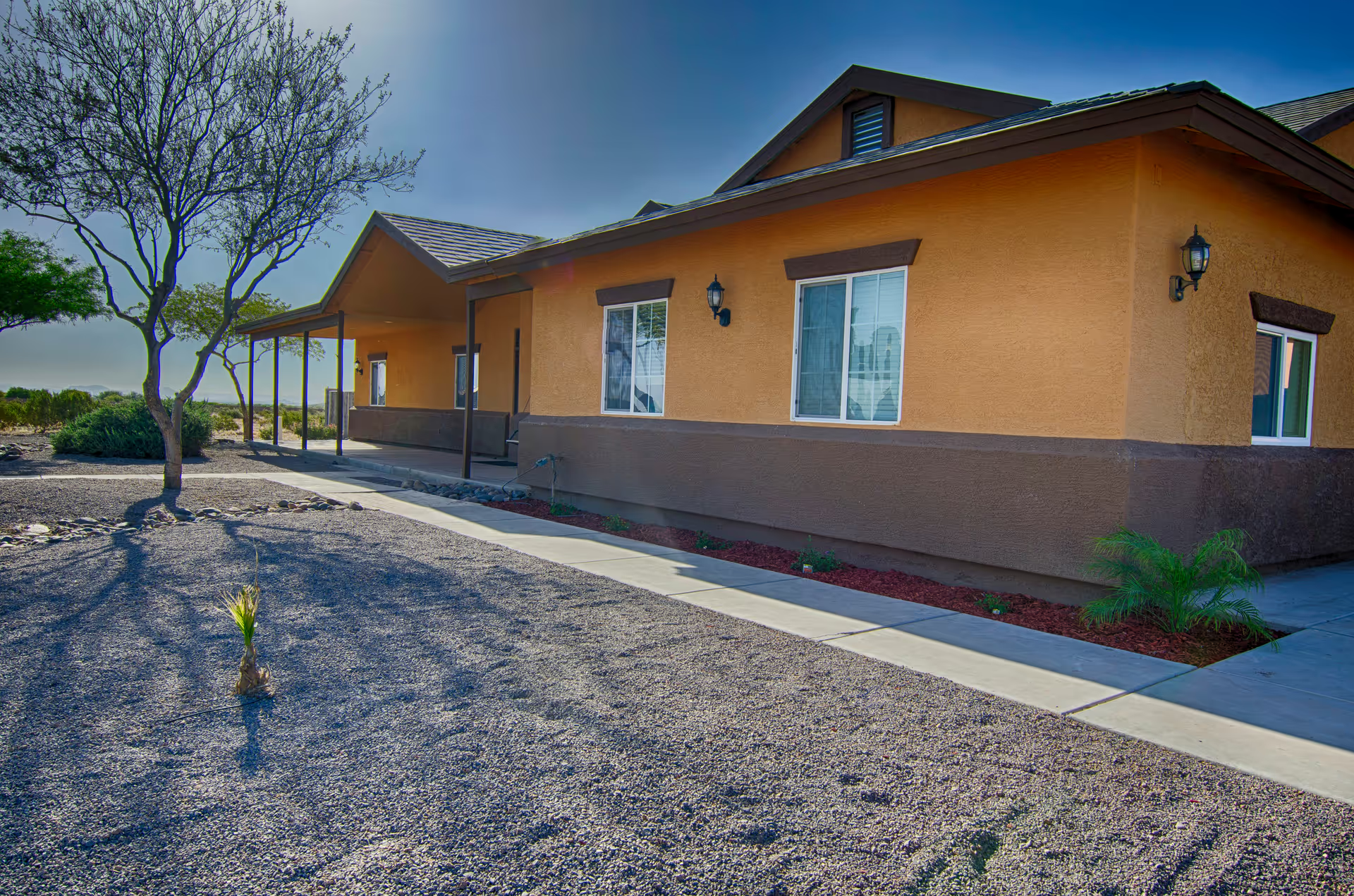
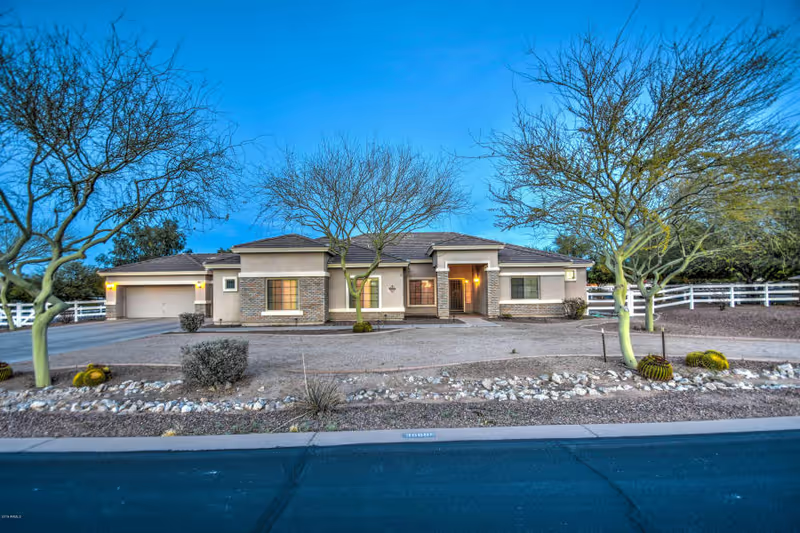
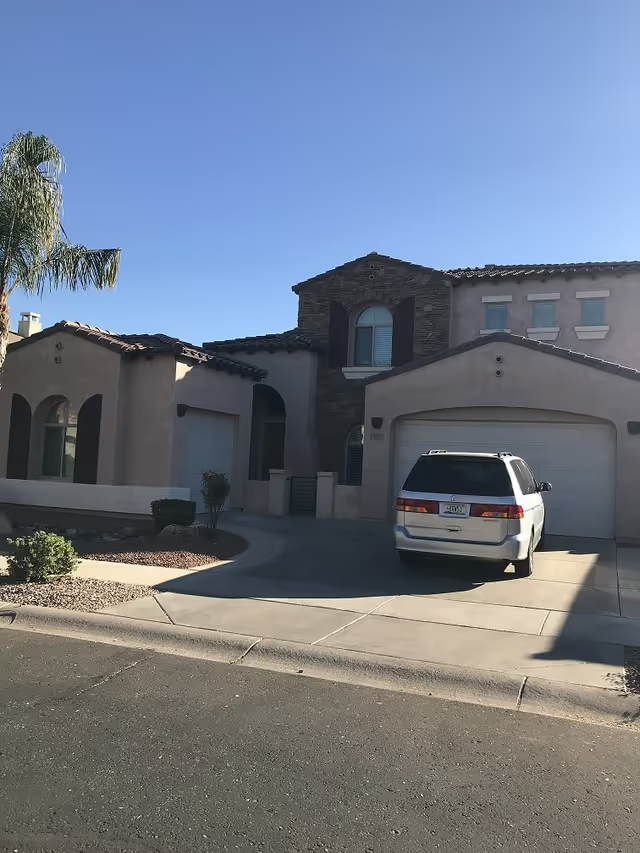
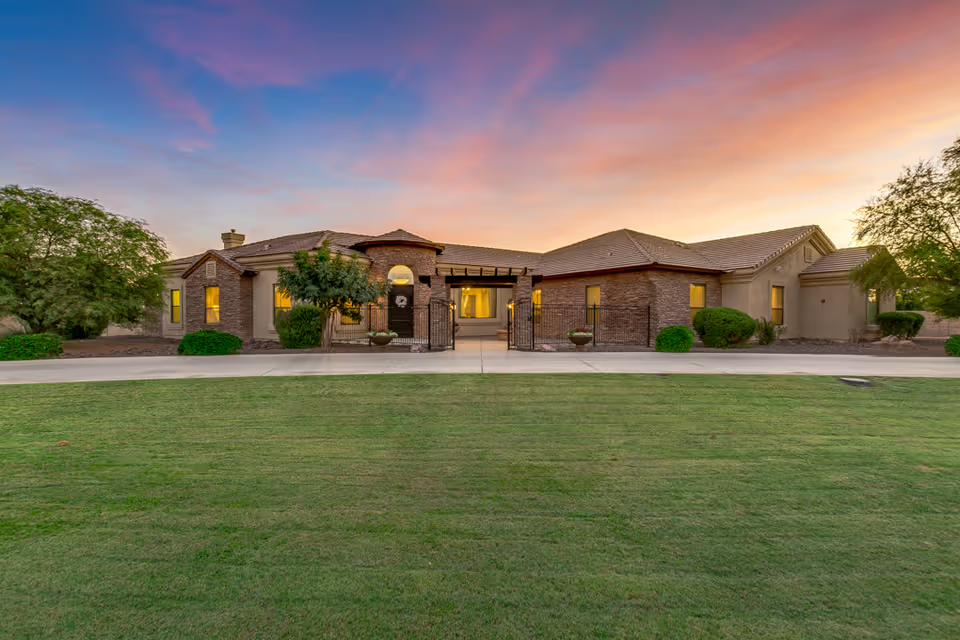
Jaidon Manor presents as a recently built, well-appointed assisted living community with a broad set of amenities and an active social program. Across the reviews there is consistent praise for the facility’s physical environment: modern architecture, clean and well-maintained common areas, spacious apartments with natural light, secure entry, on-site laundry, and multiple recreational spaces (theatre, library, game rooms, woodshop, salon). The property’s activity offerings and social calendar are a clear strength—residents and families frequently cite movie nights, musical entertainment, bingo, exercise groups, organized bus outings, and regular celebrations that support social engagement.
Staffing and day-to-day caregiving elicit mixed but important signals. Many families describe caregivers as warm, attentive, and person‑centered; dining staff and several administrators (notably the sales director) receive frequent positive mention for being helpful and organized. Conversely, there are recurring operational concerns about staffing levels and clinical oversight—especially in the memory-care wing—where families perceived that resident needs sometimes exceeded available staff resources. Several reviewers also raised concerns about medication handling and clinical follow-up after adverse events. These comments point to potential variability in clinical processes and staff training rather than uniform practice across the community.
Dining and services are generally regarded as strengths: the kitchen is described as offering home‑cooked style meals, menu choices, snacks available throughout the day, and willingness to accommodate dietary requests. At the same time, some reviewers characterize meal quality as variable and note that the dining experience is not fine dining. Families should expect a restaurant-style program that strives for flexibility, but they may wish to sample meals during a visit to verify consistency.
Management and communication show a split profile. Several reviewers commend the move‑in coordination, sales leadership, and visible administrative responsiveness. Others describe inconsistent follow-through, difficulty reaching directors, and frequent management turnover. These patterns suggest variability in leadership continuity and case management processes. Relatedly, reviewers flagged concerns about fee transparency—particularly additional costs for furnishing units—and about limited weekend access to medications in some situations, which are operational details families should clarify in contract discussions.
Safety and clinical-risk themes warrant attention during touring and decision-making. While the facility has on-site nursing and proximity to a hospital, reviewers noted incidents that raised questions about incident response, medication administration, and monitoring after clinical events. Framing these as operational indicators, prospective families should ask for current staffing ratios (including memory care), clinical protocols for medication administration, incident/transfer logs, training curricula for memory‑care staff, and examples of family communication practices following clinical events.
In summary, Jaidon Manor offers many of the physical and social strengths families seek in an assisted living community—modern, clean facilities; varied activities; dining options; and generally warm frontline staff. However, recurring concerns about staffing adequacy, medication-management processes, and managerial consistency are substantive operational themes to investigate further. Recommended next steps for prospective residents and families: arrange multiple visits at different times of day (including mealtimes and evenings), review written staffing ratios and clinical policies, request recent inspection or staffing records if available, and clarify all move‑in and furnishing costs before committing.