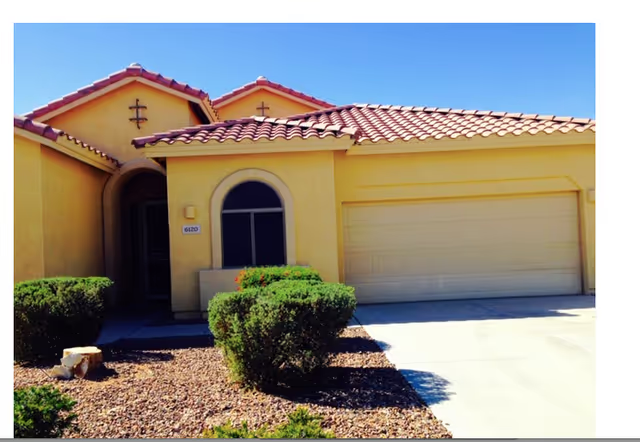
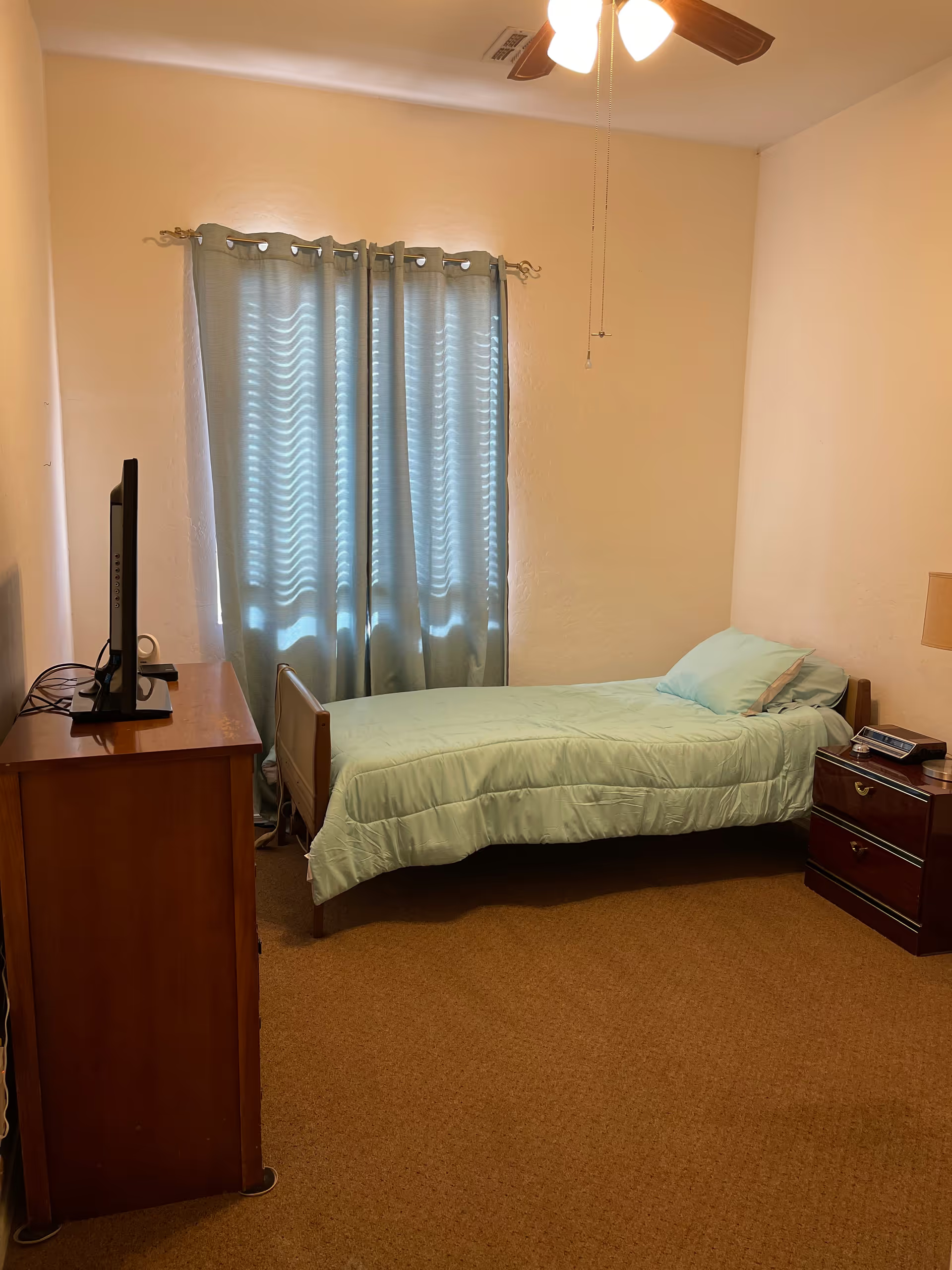
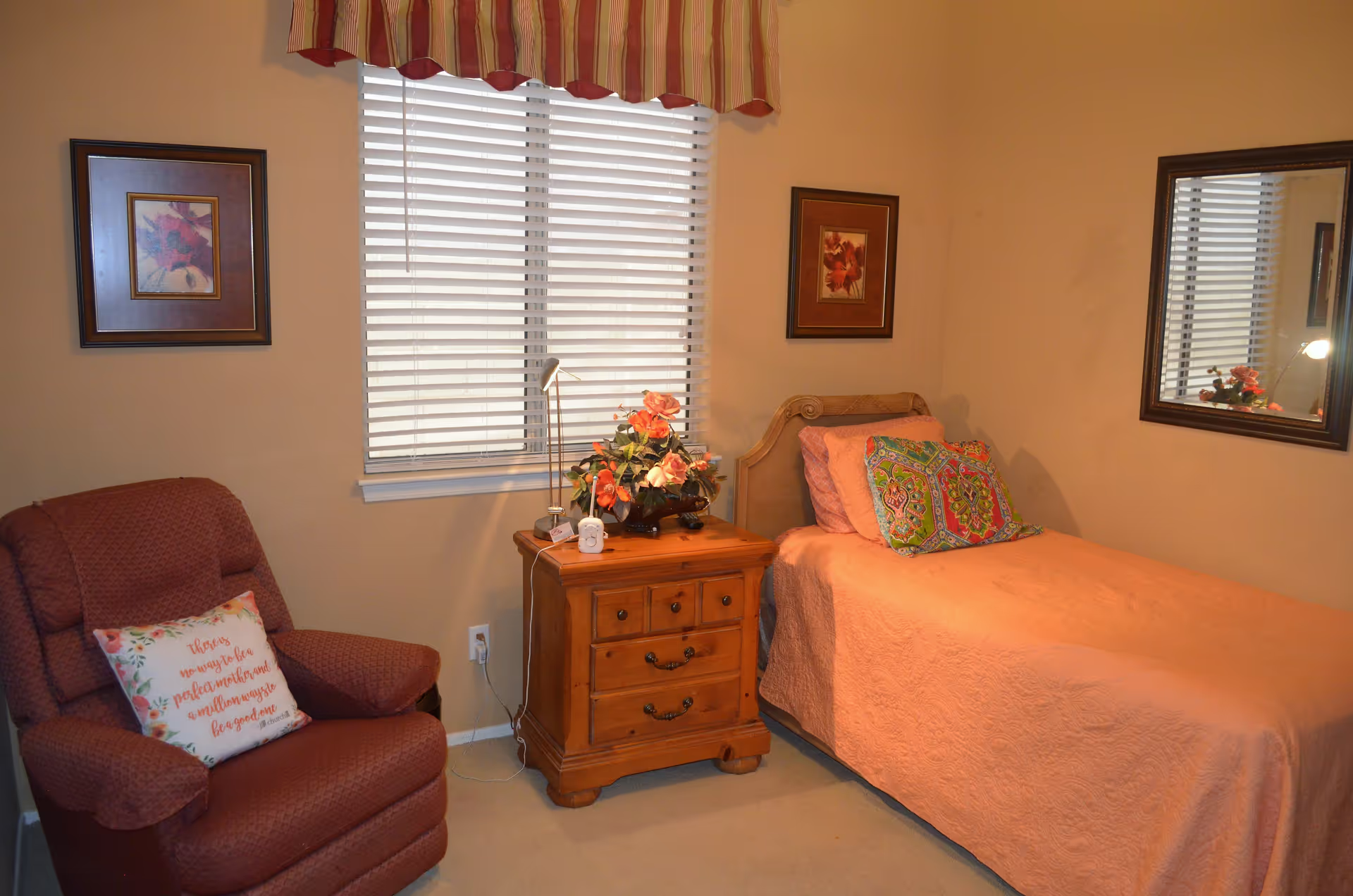
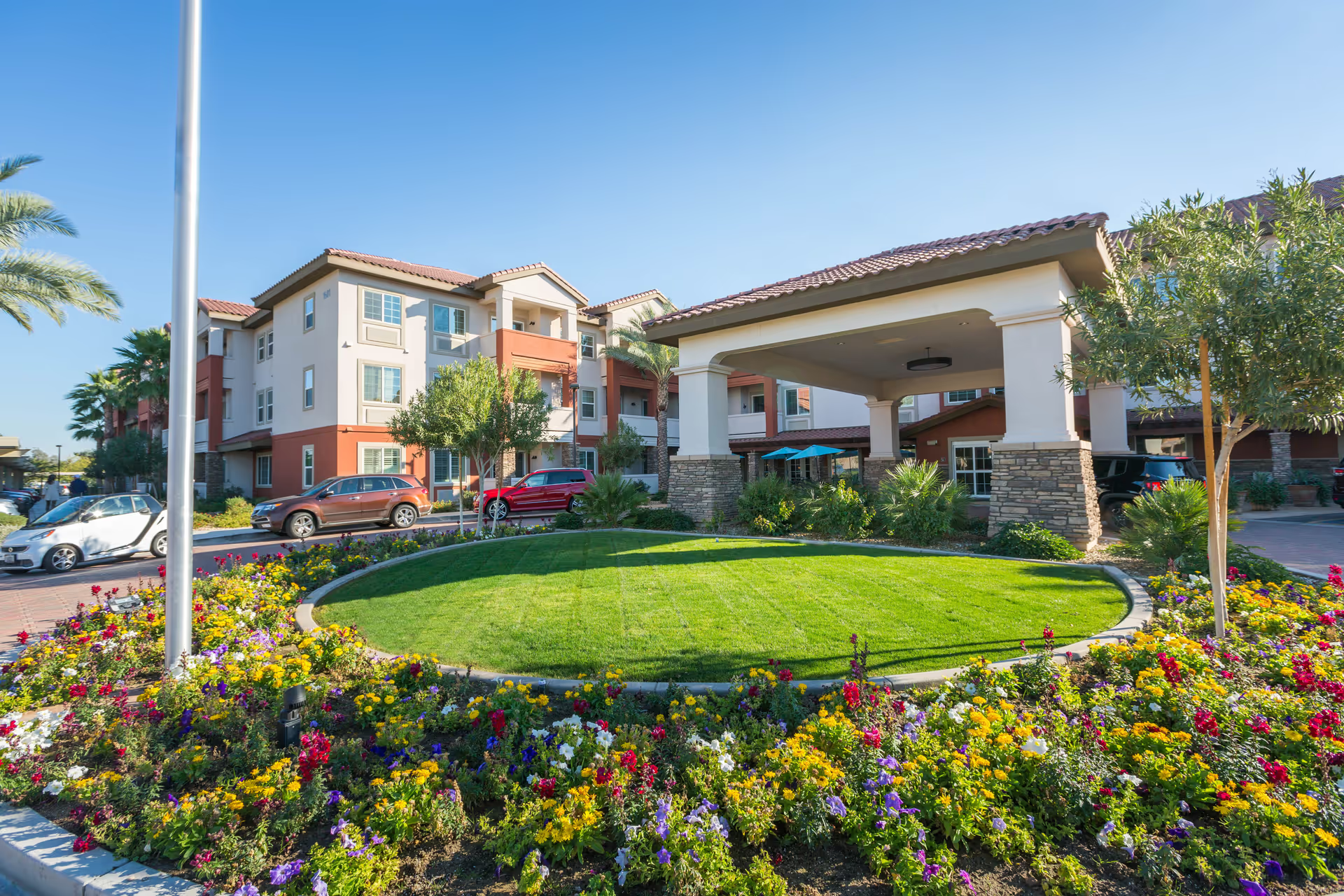
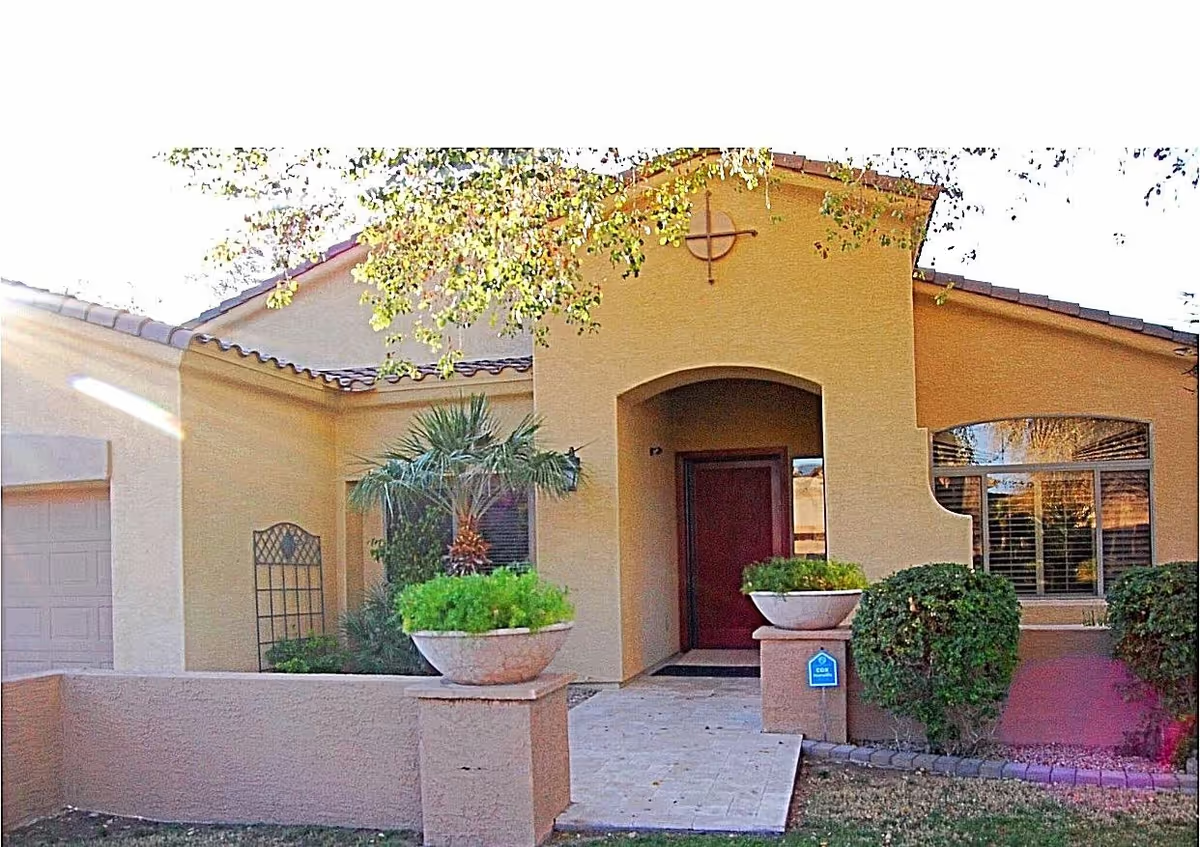
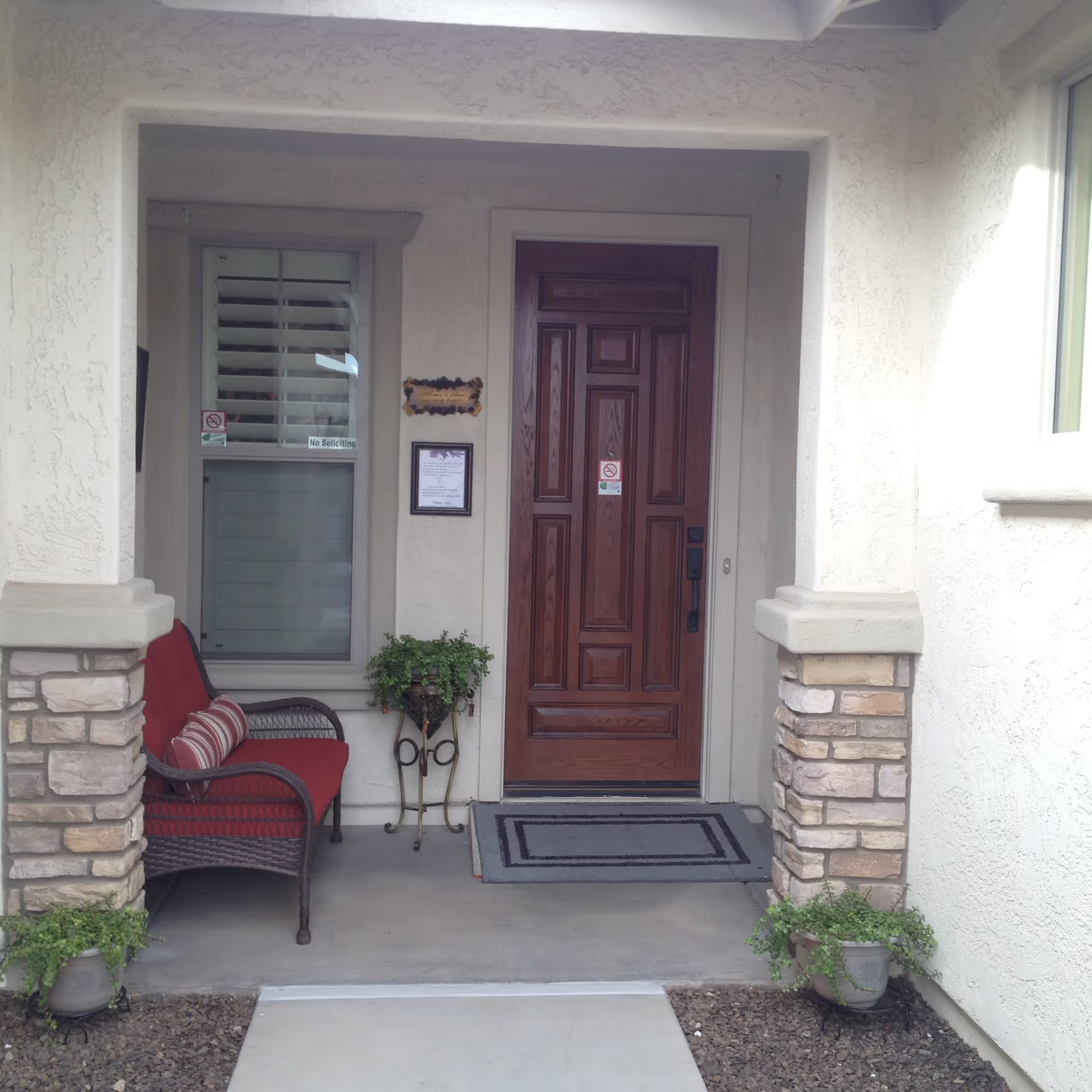
Amore Courtyard Assisted Living Home is described consistently as a small, home-like residential program with a strong emphasis on personal attention. Reviewers emphasize the facility's clean, well-maintained interior and attractive living spaces; private rooms are noted as spacious. The small census and residential scale are framed as a strength for families seeking personalized care and flexible visitation, and the owner/management receives positive mention for responsiveness and involvement.
Care and clinical support are highlighted as attentive. Caregivers are characterized as compassionate and professional; the home has handled medically complex tasks such as tube-feeding and has provided assistance with insurance and Medicare paperwork. These elements suggest capability to manage certain higher-acuity needs in a personalized setting. At the same time, the facility’s small size implies limitations in clinical redundancy and backup staffing that families should evaluate when anticipating longer-term, high-dependency care needs.
Dining is a notable area for clarification. Multiple comments indicate that meals did not meet expectations, describing the dining experience as inconsistent or underwhelming. Prospective families may want to ask for sample menus, meal schedules, and accommodations for dietary preferences or restrictions during a tour to assess fit.
Activities and amenities reflect the trade-offs of a very small community. The intimate census supports individualized attention and a quiet, residential atmosphere, but it also limits on-site program variety and recreational options compared with larger assisted-living communities. Management involvement appears hands-on and accessible, which is an advantage for communication and coordination. Overall, the pattern in the reviews points to a facility that prioritizes personalized, compassionate care in a residential environment while having operational constraints typical of a very small provider; families should balance the benefits of individualized attention against the need for broader amenities or staffing redundancy depending on expected care needs.