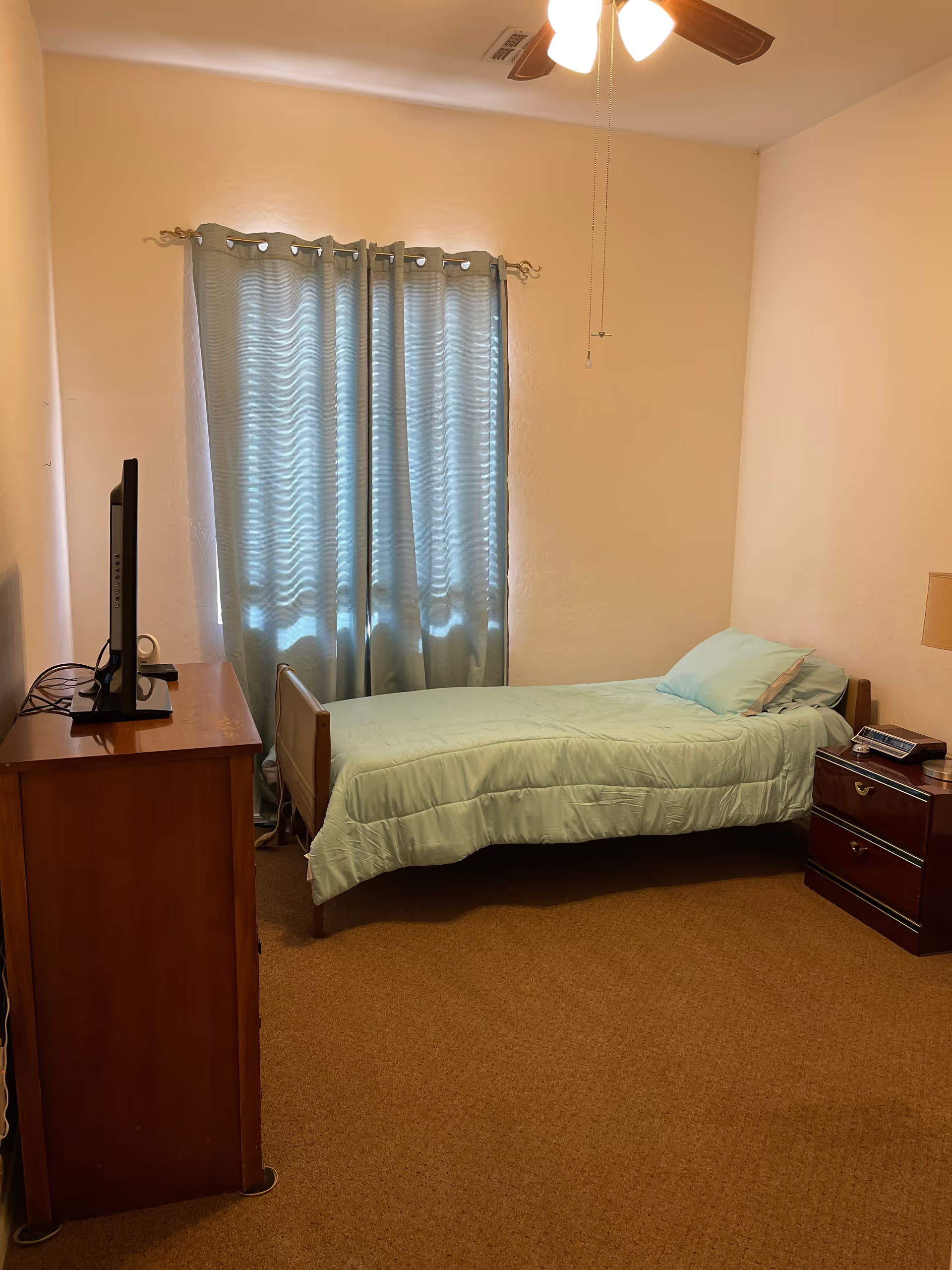
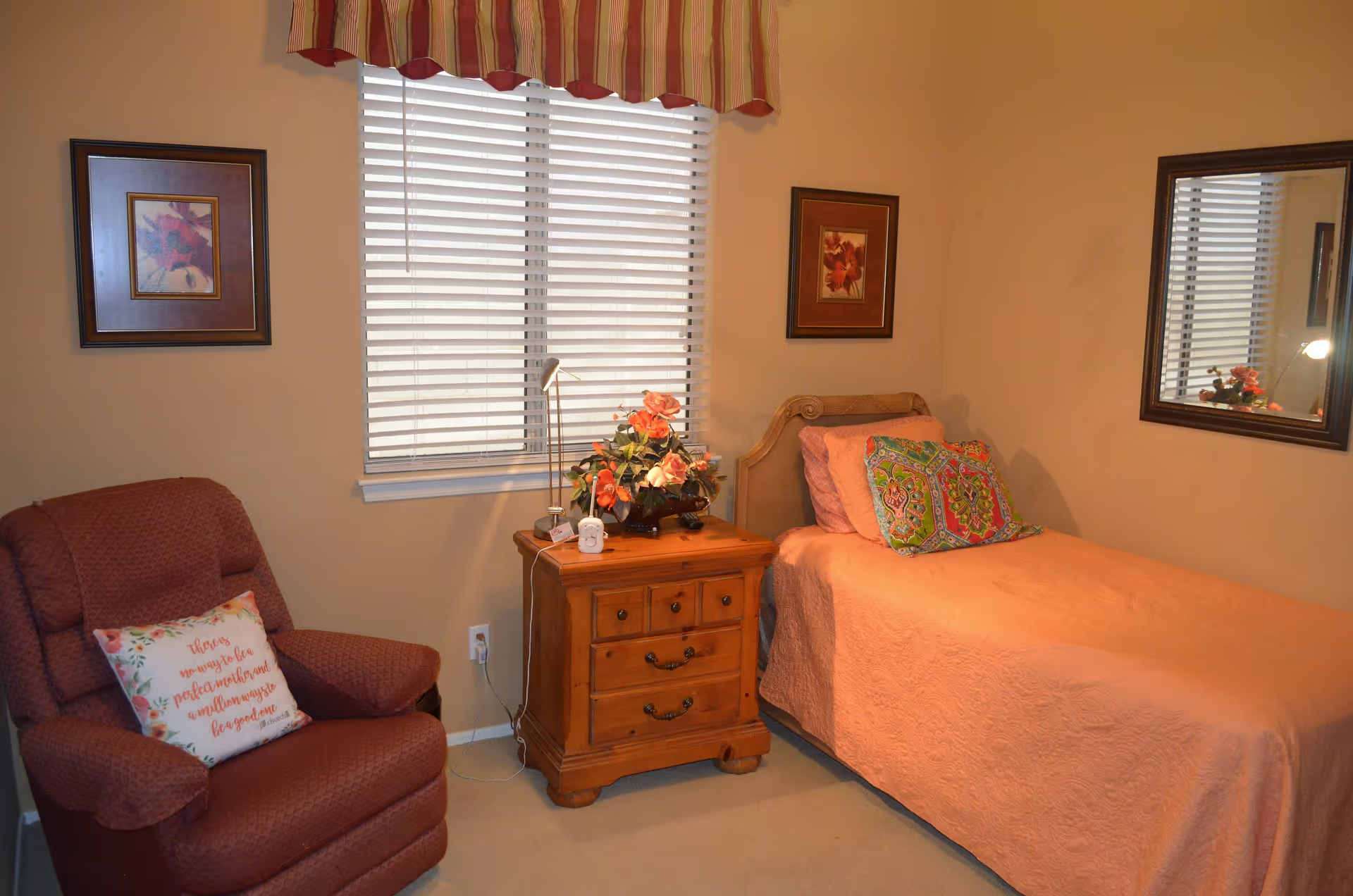
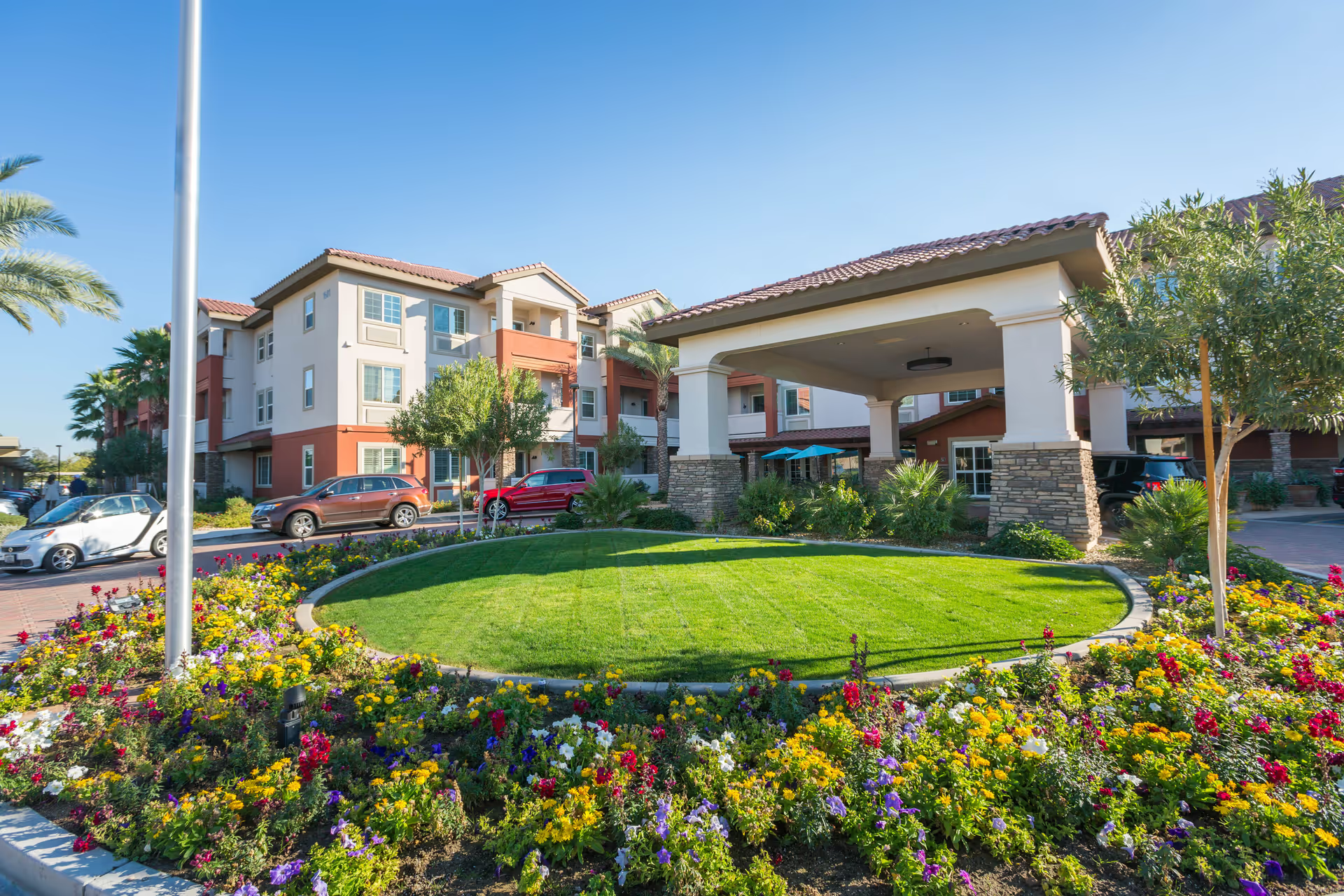
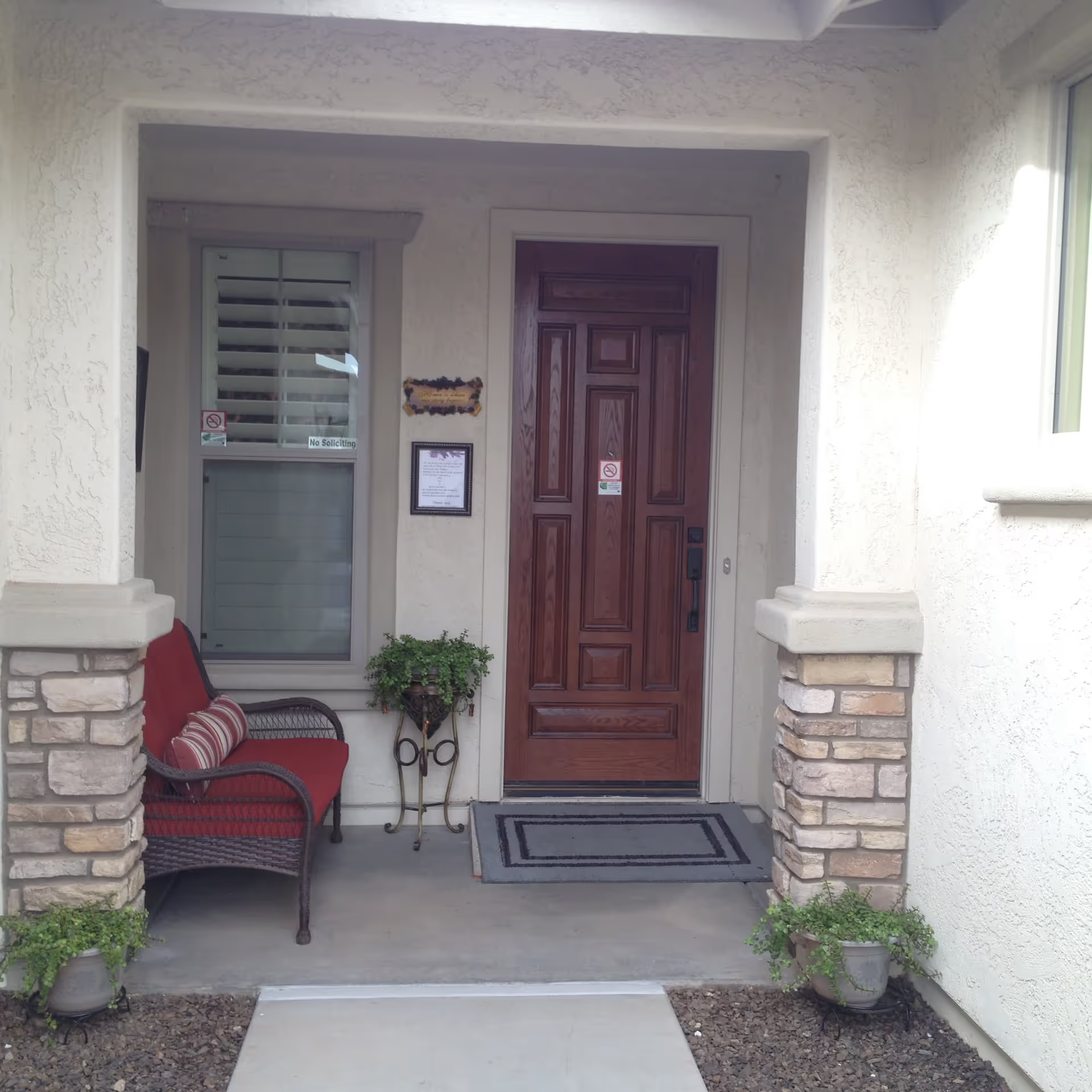
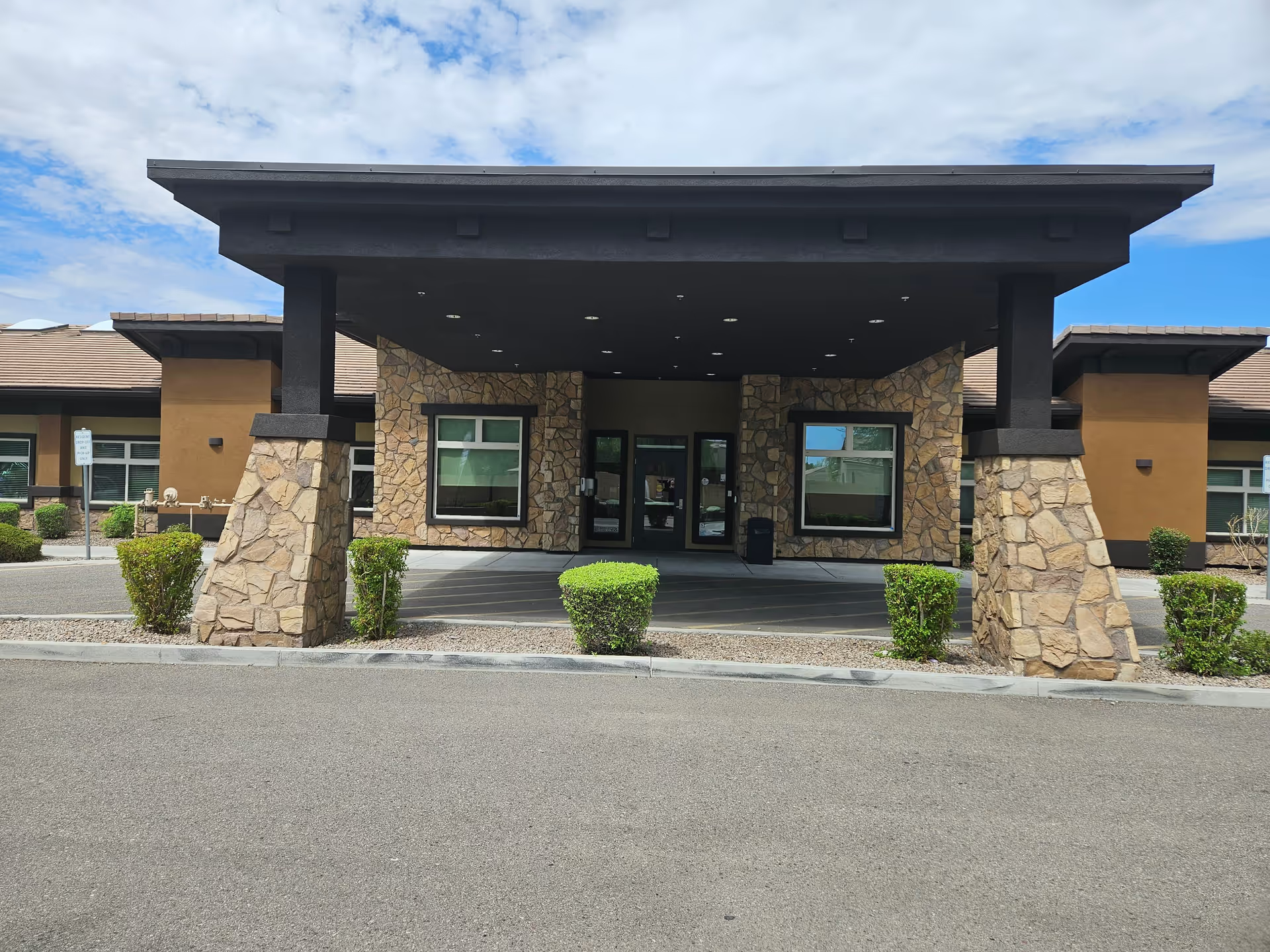
Overall impression: Parkland Memory Care is frequently described as a new, well‑designed memory‑care community with resort‑like finishes, ample natural light, and thoughtfully planned indoor and outdoor spaces. Many family accounts highlight a strong memory‑care focus, 24‑hour RN availability, and a broad set of amenities including therapy kitchens, an on‑site salon, secured patios, and programmed courtyards. The facility’s physical environment and amenities are consistently cited as strengths for residents who benefit from structured, home‑like settings.
Care and staff: The dominant pattern in the feedback is positive: caregivers and clinical staff are characterized as compassionate, respectful, and experienced in dementia care. Reviewers note consistent caregiver–resident engagement, low staff turnover, and a team approach that includes on‑site nursing, traveling physicians, and coordination with hospice when needed. Communication with families is commonly praised; staff are described as proactive in providing updates and accommodating family requests. However, a minority of accounts raise safety and supervision concerns. Several reviewers described a serious safety incident (a fall resulting in a hip fracture) and cited delays in response or escalation in specific cases. These incidents suggest uneven application of supervision protocols and gaps in incident escalation and medical‑documentation sharing that families should clarify during a tour.
Dining and activities: Dining and daily programming are repeatedly mentioned as strengths. Meals and snacks receive favorable comments for variety and presentation, and many families appreciate dining flexibility and nominal guest‑meal options. Activities programming appears robust and tailored to cognitive engagement: creative crafts, field trips, therapy‑dog visits, social outings, salon days, and meaningful small‑group work are consistently reported. Staff involvement in activities is highlighted as a reason residents are frequently described as engaged and content.
Facilities and operations: The community’s physical plant—new construction, tasteful decor, multiple room options, secured outdoor areas, and easy access to light and fresh air—is a frequent positive. Operational strengths cited include an organized move‑in process, flexible accommodations (including pet acceptance with records), and fast admissions in many cases. Contrasting feedback centers on operational follow‑through: some families experienced delayed housekeeping, disordered rooms, or slower-than‑expected cleaning and maintenance escalation. These suggest variability in housekeeping execution and operational consistency.
Management and notable patterns: Leadership and the executive team receive mixed but generally favorable comments; many families singled out the executive director or marketing staff for responsiveness and empathy. At the same time, a subset of family reports describe feeling dismissed when raising safety or documentation concerns. The pattern across reviews indicates that management responsiveness may vary by case, and that families who are proactive in communication tend to have better experiences. Given the combination of strong programmatic offerings and the handful of significant safety/operational concerns, prospective families should tour the community, ask targeted questions about supervision ratios, fall‑prevention protocols, incident escalation workflows, access to clinical records, and housekeeping schedules. Doing so will help assess whether the facility’s predominant strengths align with an individual resident’s needs and risk profile.