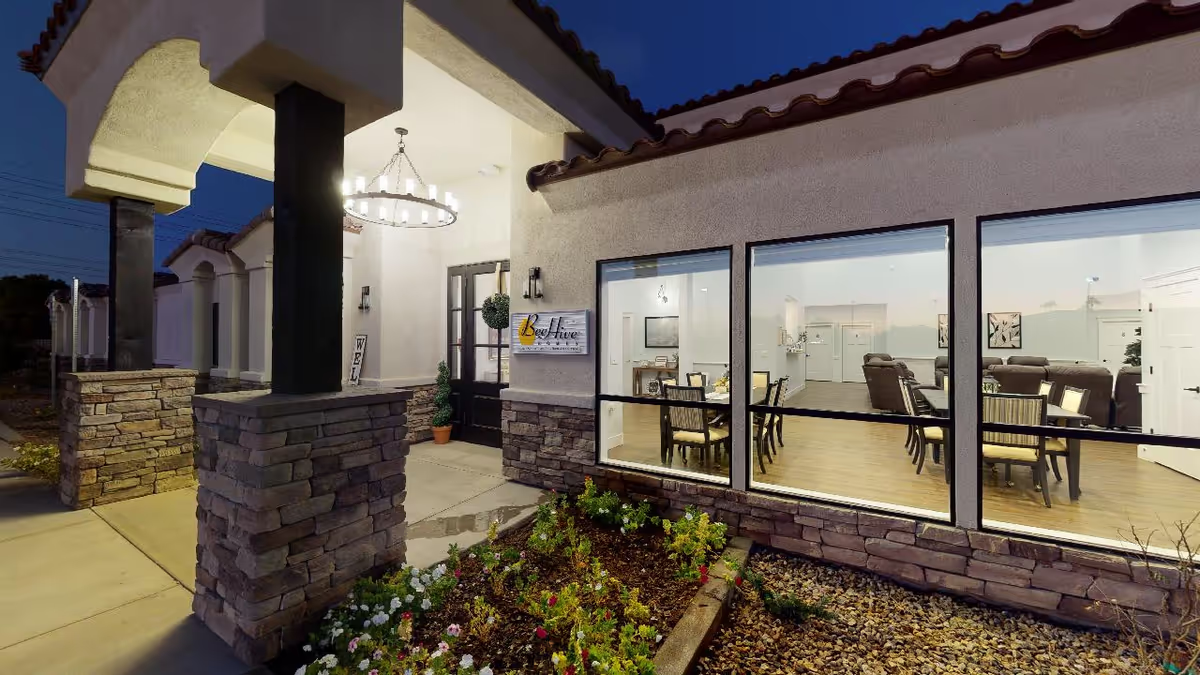
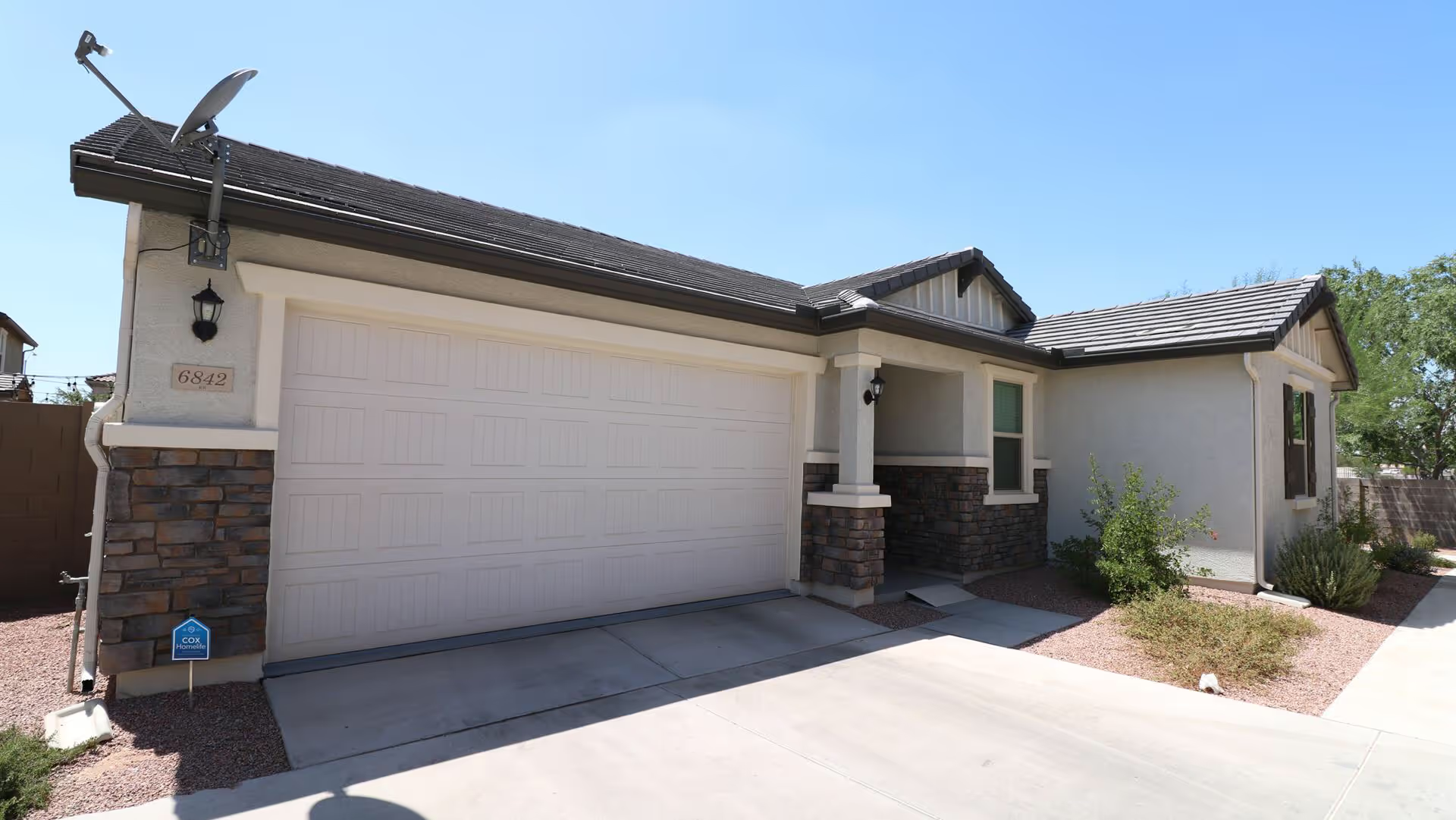
Reviews of Leisure Gardens Assisted Living Home present a mixed picture in which clear strengths coexist with notable operational weaknesses. Many families describe a small, home-like setting with staff who are personable, attentive, and engaged; owners are often present and involved, and several accounts highlight consistent, compassionate caregiving, effective family communication, and attention to small comforts that help residents settle. The facility’s environment and housekeeping earn positive comments: resident rooms are described as clean, laundry is neatly managed, and the home-cooked meals and welcoming dining spaces are valued by some residents and families.
At the same time, there are substantive clinical and operational concerns that recur across reviews. Key issues relate to medication administration and clinical monitoring: examples include missed or incorrectly administered medications, missing monitoring equipment, and delayed responses to low blood-sugar events. These items suggest gaps in medication-control processes, clinical-response protocols, and nurse/assistant oversight. Incontinence-care delays and broader sanitation concerns are also cited, indicating inconsistent execution of personal-care routines and follow-up.
Staffing and training appear to be uneven. Positive reports emphasize kind, consistent caregivers and owners who follow through, but other accounts describe short-staffing, noisy or disruptive staffing patterns, and instances where staff training or supervision appeared insufficient. These operational weaknesses are linked in some accounts to slower response times, inconsistent documentation (including missing signed agreements), and breakdowns in routine tasks.
Dining receives mixed feedback: while some families praise home-cooked meals and happy residents, others note poor food quality in certain situations, limited beverage availability with meals, and related concerns about unintentional weight loss. Facility maintenance and equipment issues are also mentioned—examples include problems with bed linens and mattresses and prolonged unresolved equipment noises—which point to delays in maintenance response and facility upkeep.
Overall, Leisure Gardens demonstrates strengths typical of a small, family-run group home—personalized attention, a homelike feel, engaged ownership, and consistent caregivers who can provide meaningful comfort to residents, especially in end-of-life situations. However, the pattern of clinical-management gaps, staffing variability, documentation inconsistencies, and occasional maintenance delays represents operational risks that prospective residents and families should evaluate. When considering this provider, families may wish to inquire specifically about staffing ratios, medication-administration and monitoring protocols, incontinence-care procedures, maintenance response times, and documentation of agreements and policies to ensure the facility’s practices align with their loved one’s clinical and comfort needs.