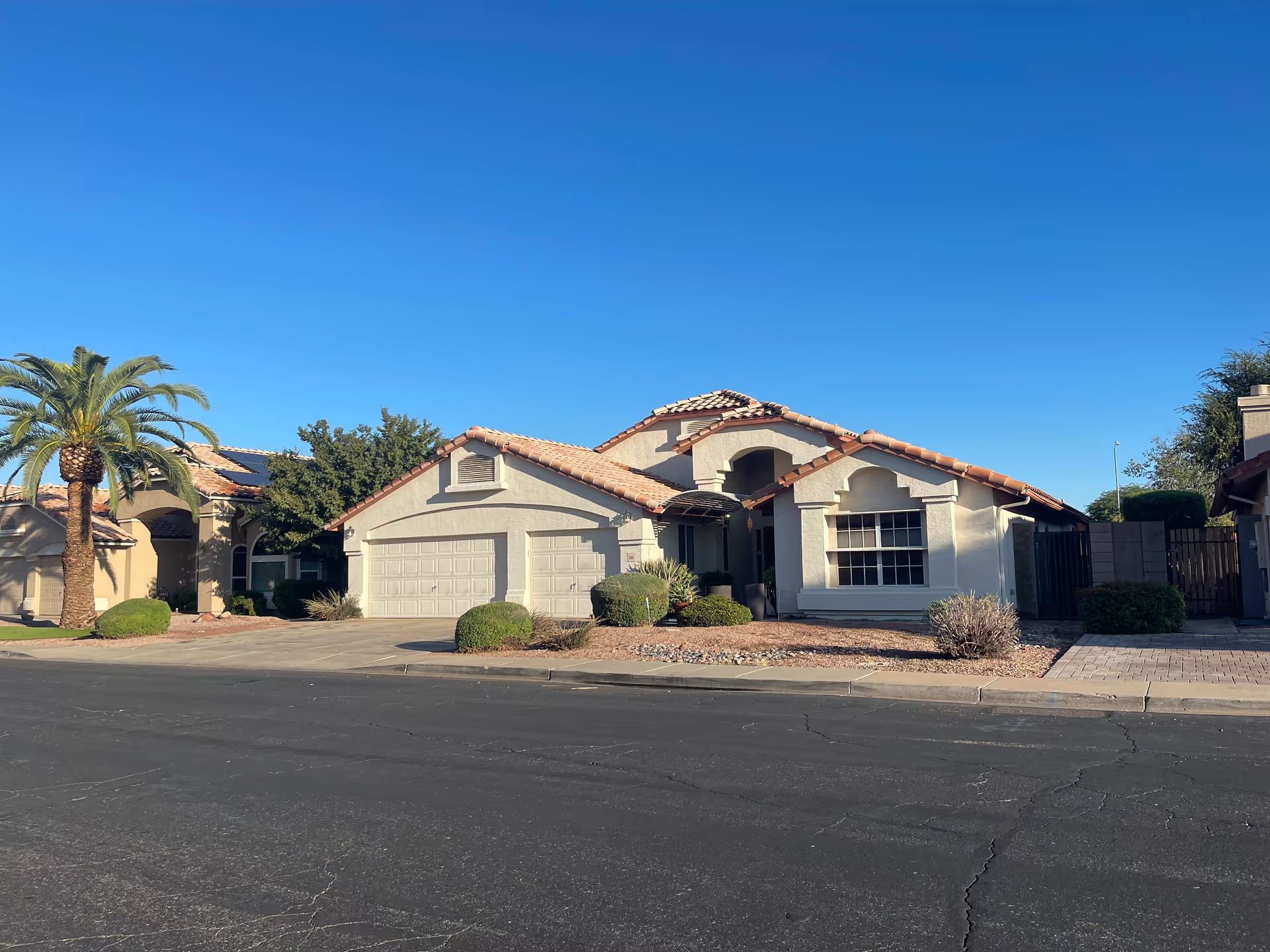
Sunrise of Gilbert elicits a broadly positive but mixed picture: many families and residents praise the facility's warm ambience, well‑kept grounds, and an active social program, while several operational weaknesses recur in the feedback. The strongest, most consistent themes are around staff and programming. Caregivers are frequently described as compassionate, patient, and personally engaged; memory-care programming and dedicated reminiscence staff are noted as particular strengths. Long-tenured employees, an involved concierge team, and good coordination with outside therapy and home-health partners further support continuity of care for many residents.
Clinical and day‑to‑day care quality is generally satisfactory but uneven. Reviewers highlight personalized care plans, effective partnership with primary-care clinicians, and reliable therapy services. At the same time, families should be aware of operational gaps that affect care delivery: inconsistencies in medication administration and inventory control, occasional delays in incontinence-care, and examples of missed or overlooked items that suggest room for improvement in clinical systems and supply management. Staffing levels surface as a recurring factor—many positive reports coexist with comments that staff can be stretched during mealtimes and peak activity periods, which can lead to slower service or reduced oversight at certain times.
Dining and nutrition are a polarizing element. Several residents and families describe restaurant-style dining, improved chefs, and social dinner events; others report cold plates, portions that do not match posted menus, menu items running out, and slow service at peak times. The consensus is that dining quality can vary day‑to‑day and is sensitive to staffing and kitchen management continuity. Prospective residents should ask about current kitchen leadership, sample menus, and typical meal service patterns during visits.
The activity program is a clear asset: broad arrays of events, adaptive programming for different cognitive and physical levels, frequent outings, and enthusiastic activity directors are commonly praised. Memory-care residents benefit from a well-laid-out wing and calm programming designed to reduce agitation. At the facility level, however, space constraints appear in some areas—dining rooms and common spaces can feel crowded at busy times, and larger group activities may be limited by layout in older building sections.
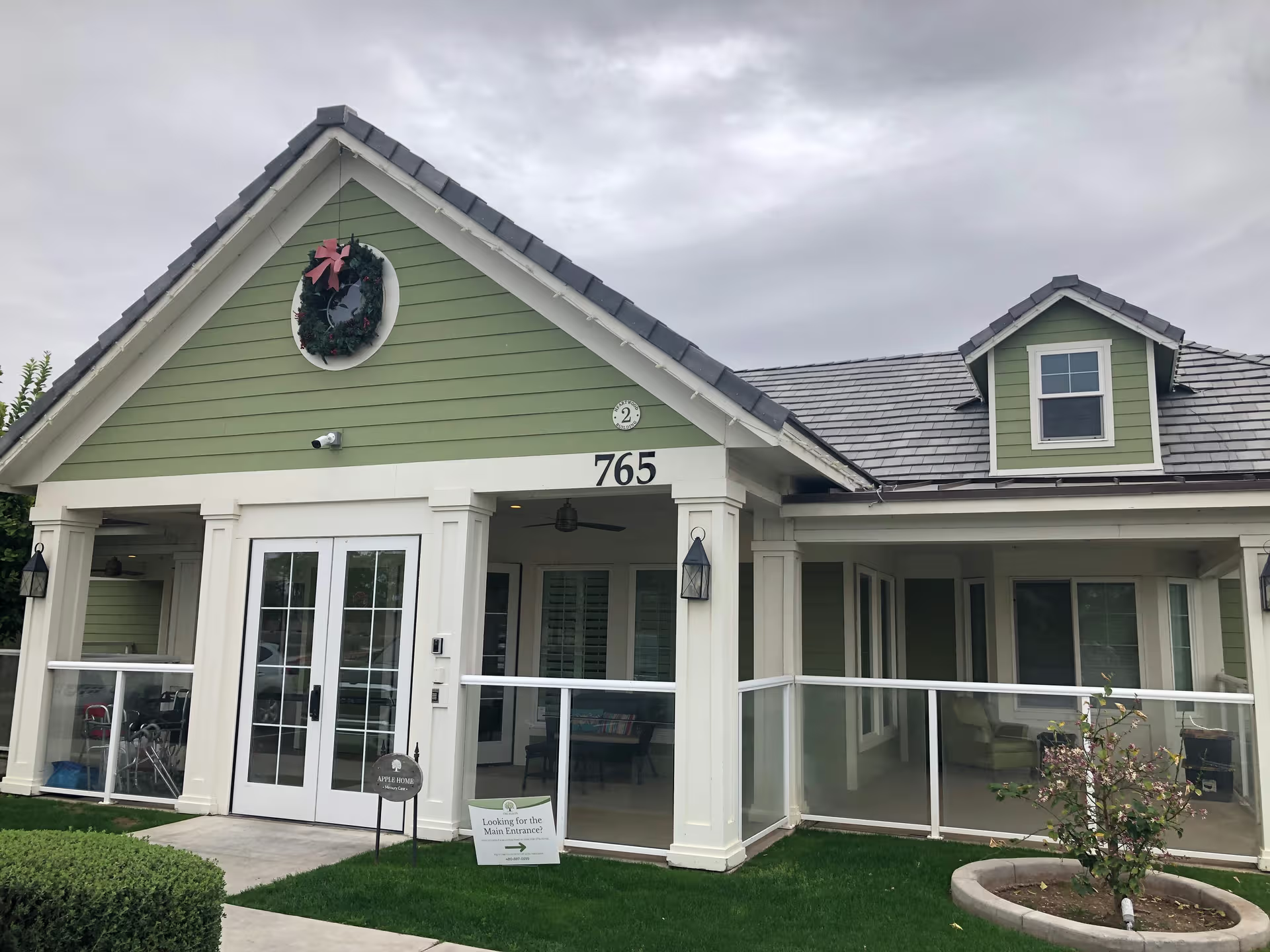
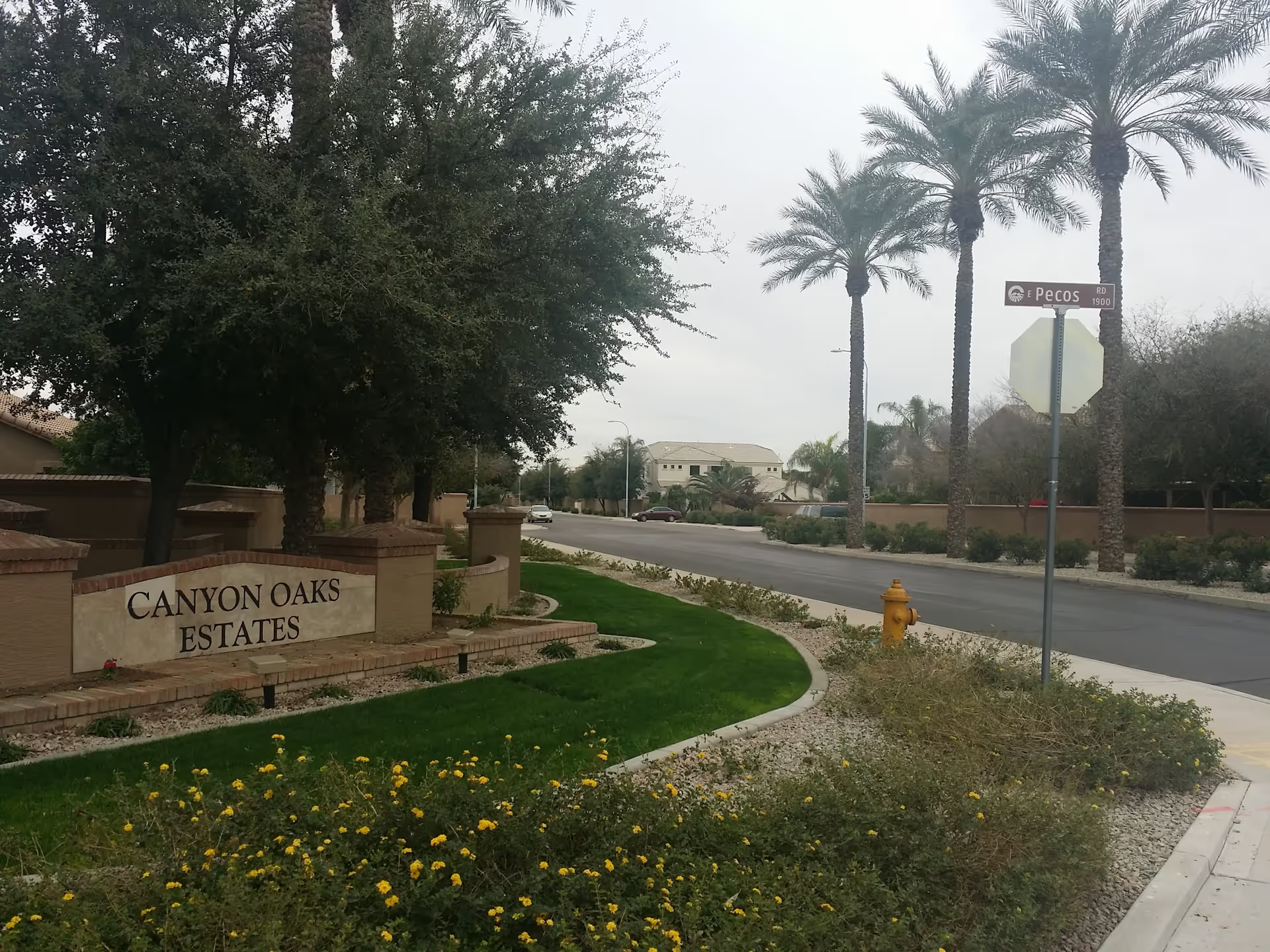
Facilities and amenities generally receive positive marks: many reviewers describe attractive, clean, and modern common areas, manicured landscaping, and useful onsite amenities such as a pool with lift, salon, transportation services, and in some units full-size washers/dryers. That said, comments include periodic maintenance and housekeeping issues (plumbing, elevator cleanliness, window/door repairs) and limited outdoor green space or pet accommodations. The campus reflects a mix of newer, well-appointed areas and older sections where room sizes or configurations can feel constrained for long‑term needs or wheelchair maneuverability.
Management and administration impressions are mixed. Numerous reviewers praise attentive directors, helpful move-in assistance, and responsive front‑desk staff. Conversely, others note uneven follow-through, slow email response times, and concerns about transparency around fees and move policies (including mandatory relocations within the community when care needs change). Pricing is frequently described as high relative to peers, with additional charges for services that some families expected to be included. There are also isolated concerns about review‑solicitation practices that families found questionable.
Practical takeaways: Sunrise of Gilbert is well suited to families seeking an active, upscale community with strong memory-care programming and engaged staff. Prospective residents should schedule a mealtime visit, tour the specific unit and memory-care wing, and ask targeted questions about current staffing ratios at peak times, medication and supply controls, fee schedules and what is included, respite/short-term options and relocation policies, outdoor/pet accommodations, and how management communicates during incidents. These targeted inquiries will help determine whether the facility's strengths align with an individual resident's priorities and care needs.