Overall impression: Golden Age Care Home is consistently described as a small, residential assisted-living setting that emphasizes a home-like environment, personalized attention, and high cleanliness standards. Families and residents commonly praise the caregiving staff, fresh meals tailored to individual preferences, and the facility’s calm, bright physical environment. Many accounts highlight compassionate end-of-life support and effective hospice coordination, contributing to a strong sense of trust among families.
Care quality and staff: Care is generally characterized as attentive, respectful, and individualized. Reviewers frequently comment that caregivers take time with residents, preserve dignity, and respond compassionately in end-of-life situations. Ownership and management (including the named owner/administrator) receive repeated positive mention for accessibility and listening. However, a recurring operational concern is staff instability: reviewers indicate periods of high turnover and uneven training, which can produce communication lapses and variability in how tasks are performed. Prospective families should ask about current staffing levels, turnover rates, and training protocols.
Dining and nourishment: Dining is a strong point. Multiple families report fresh, home-cooked meals that are adapted to resident tastes and specific dietary needs (for example, low-sodium adjustments). Meal quality and the dining experience are cited as contributors to residents’ comfort and satisfaction.
Activities and therapy: The facility’s small size and residential focus create a quieter, less institutional environment. Monthly entertainment and informal social interaction (porch sitting, puzzles, resident conversations) are noted positively. At the same time, activity programming appears limited or variable, and the community may be better suited to residents who require more hands-on care than those seeking extensive, high-energy programming. Physical-therapy services are available, but families should inquire how activities are adapted for temporary mobility limitations or casted residents.
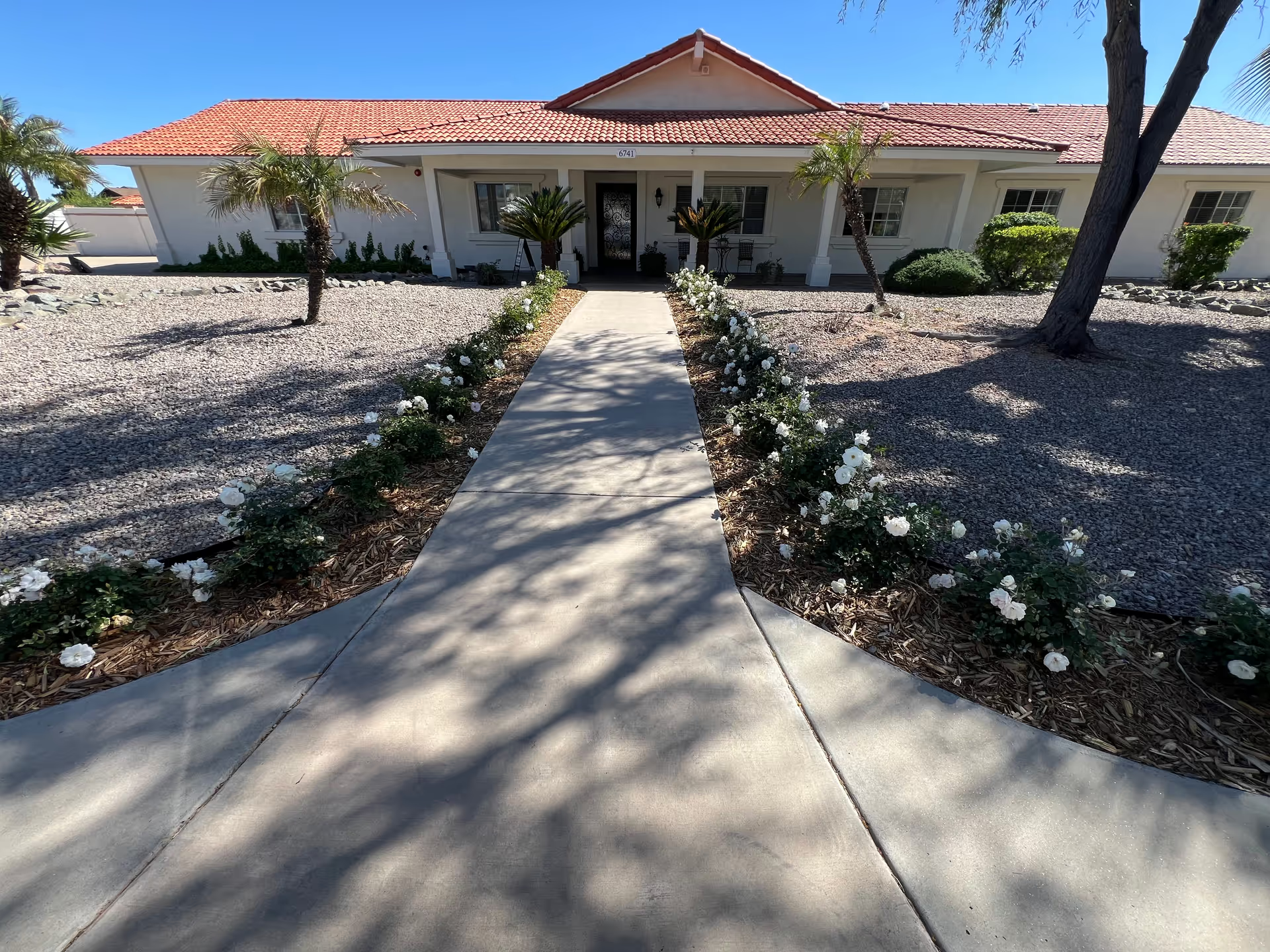
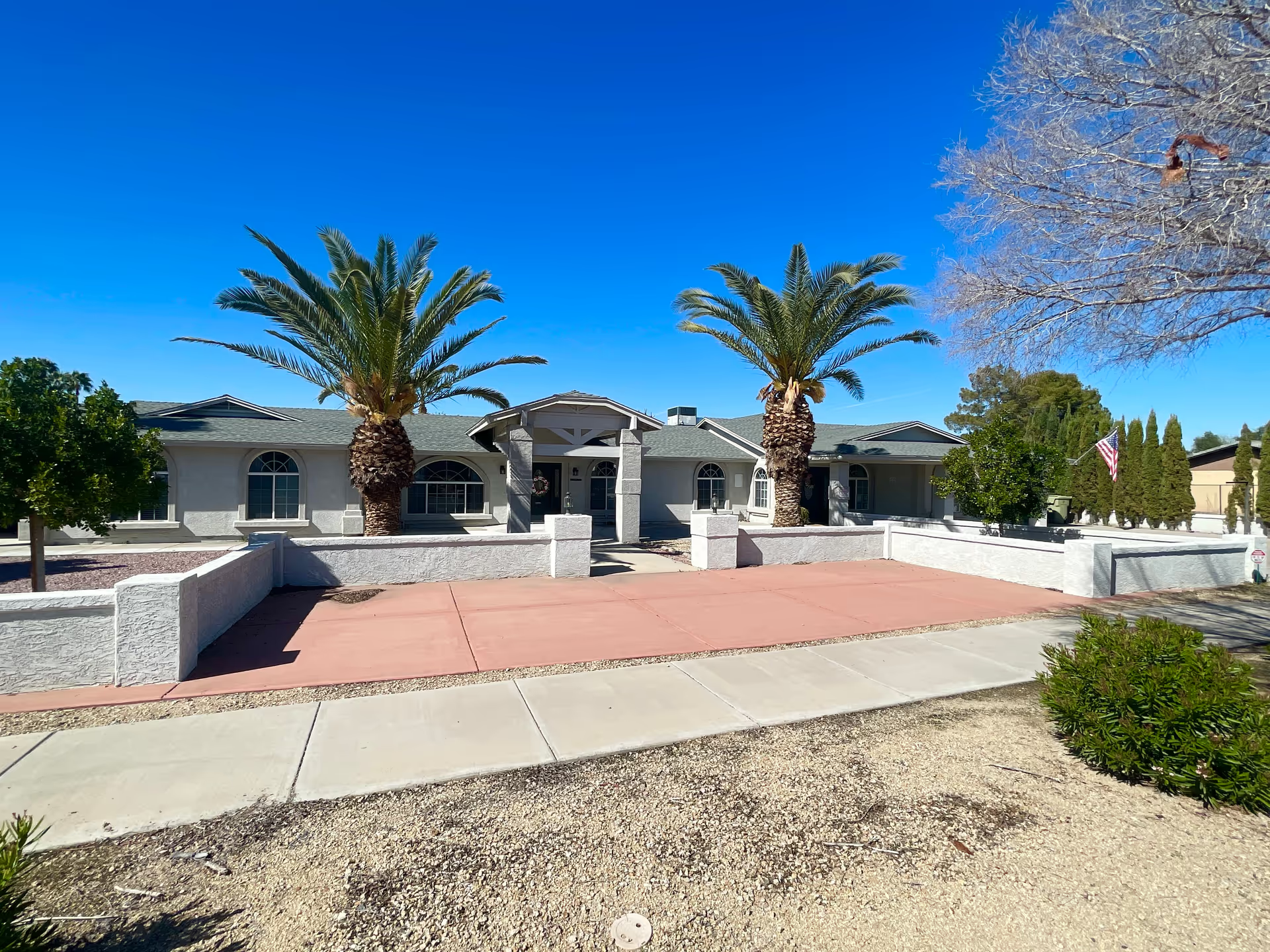
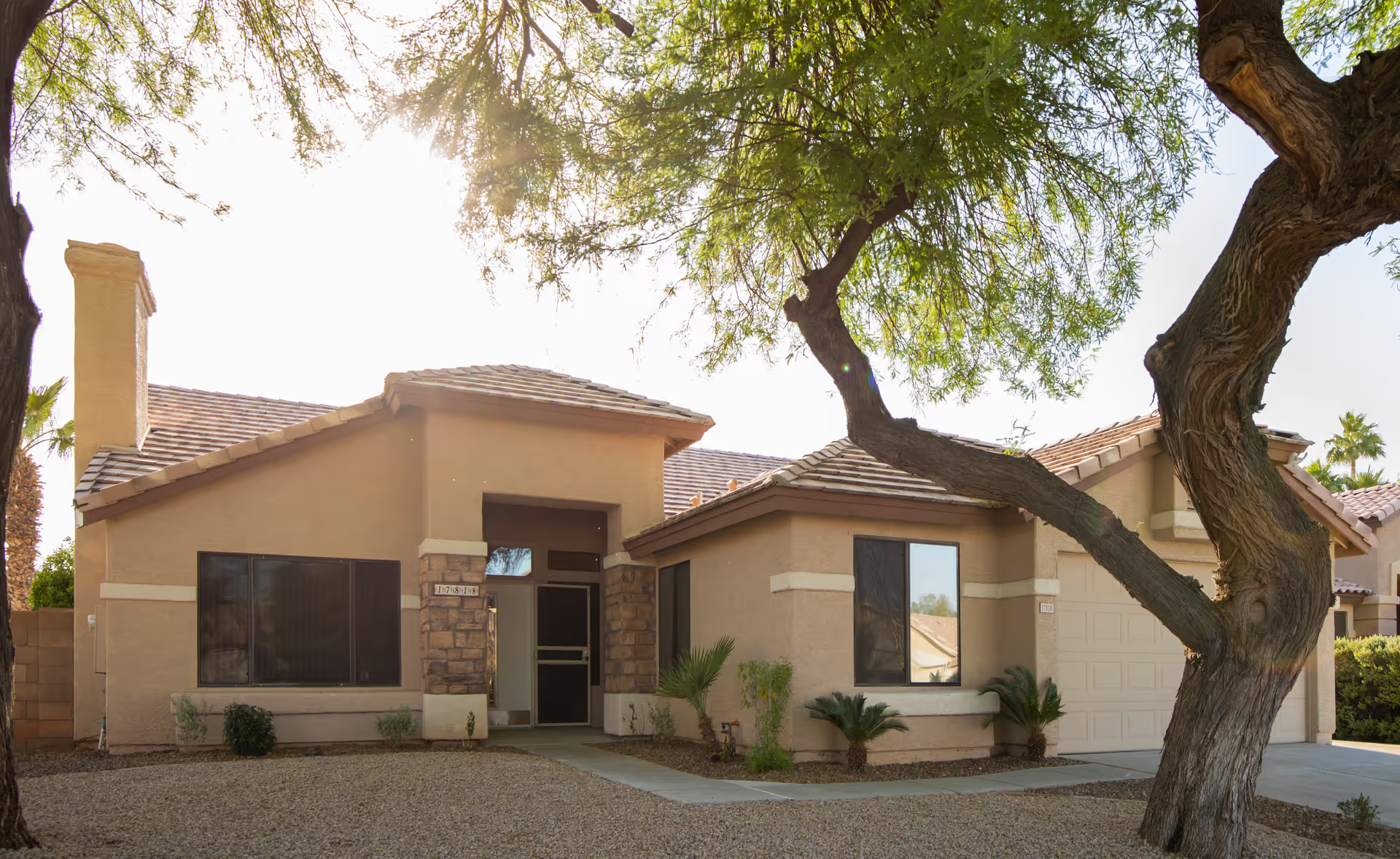
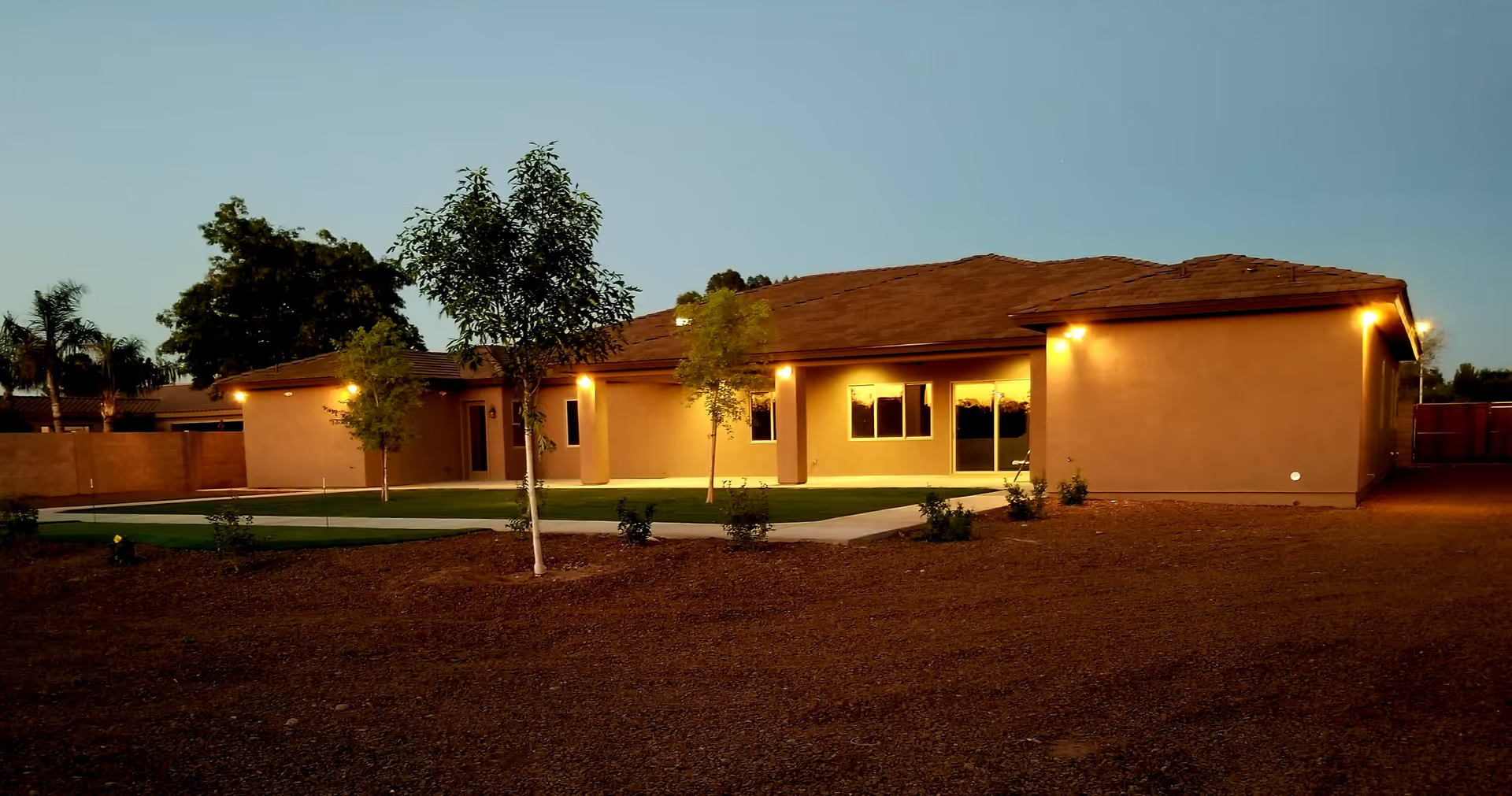
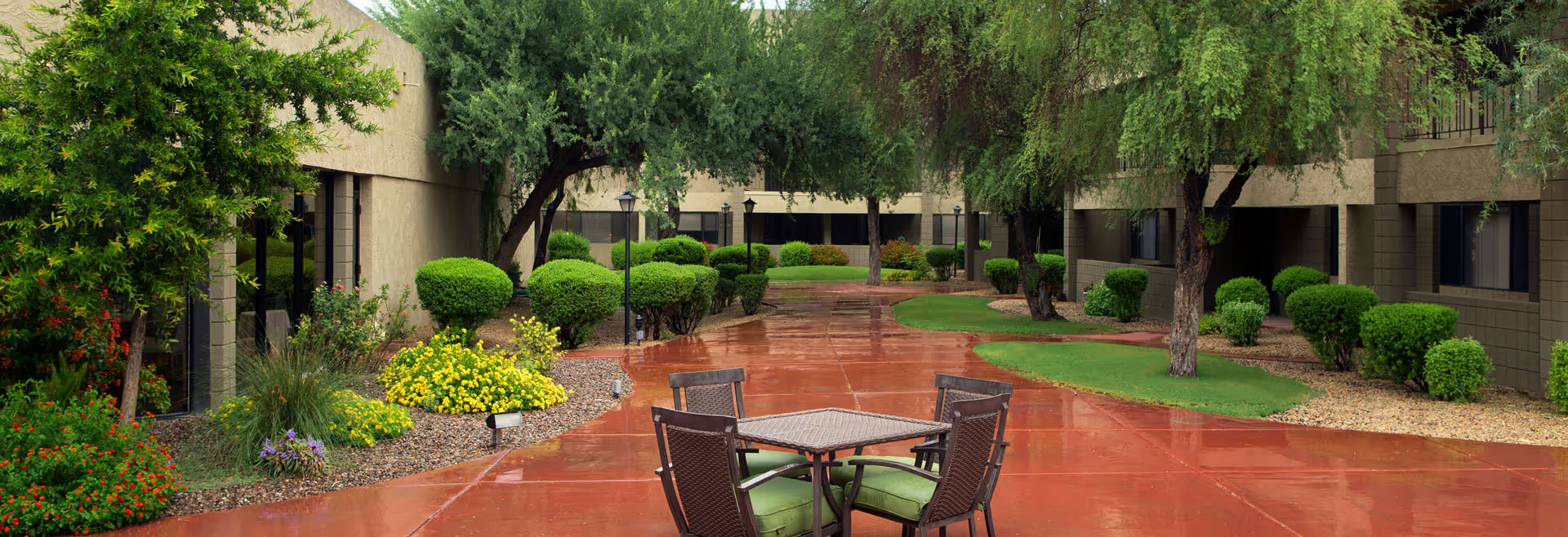
Facilities and environment: The home is described as bright, spacious, and well maintained with a residential décor rather than a clinical feel. Reviewers highlight cleanliness, pleasant smells (no chemical-odor concerns), open windows, and comfortable common spaces. Rooms are characterized as light and airy with outdoor seating available.
Management and administrative practices: Management is often praised for responsiveness and personal attention; several families specifically commended the owner/administrator for clear, compassionate interactions. Conversely, there are recurring administrative issues that families should address before move-in: inconsistencies in handling insurance paperwork, unclear prorating or contract terms, and situations where move-in timing did not align with completed paperwork. These operational gaps have, in some cases, led to out-of-pocket expenses or confusion about billing and notice policies. While at least one billing concern was resolved after follow-up, prospective residents should request written clarification on billing, insurance coordination, move-in requirements, and post-death rent or vacancy policies.
Notable patterns and guidance for families: The dominant pattern in feedback is a strong clinical and emotional care environment paired with occasional operational shortcomings. If a family values a residential, compassionate setting with individualized meals and close owner involvement, Golden Age Care Home appears to be a strong fit. Families who prioritize robust, varied activities or who require seamless administrative/insurance handling should ask targeted questions about activity schedules, staffing continuity, and the facility’s process for coordinating with insurers before committing. Clear, advance discussion of contract terms and documentation expectations can help mitigate the administrative issues noted by some families.