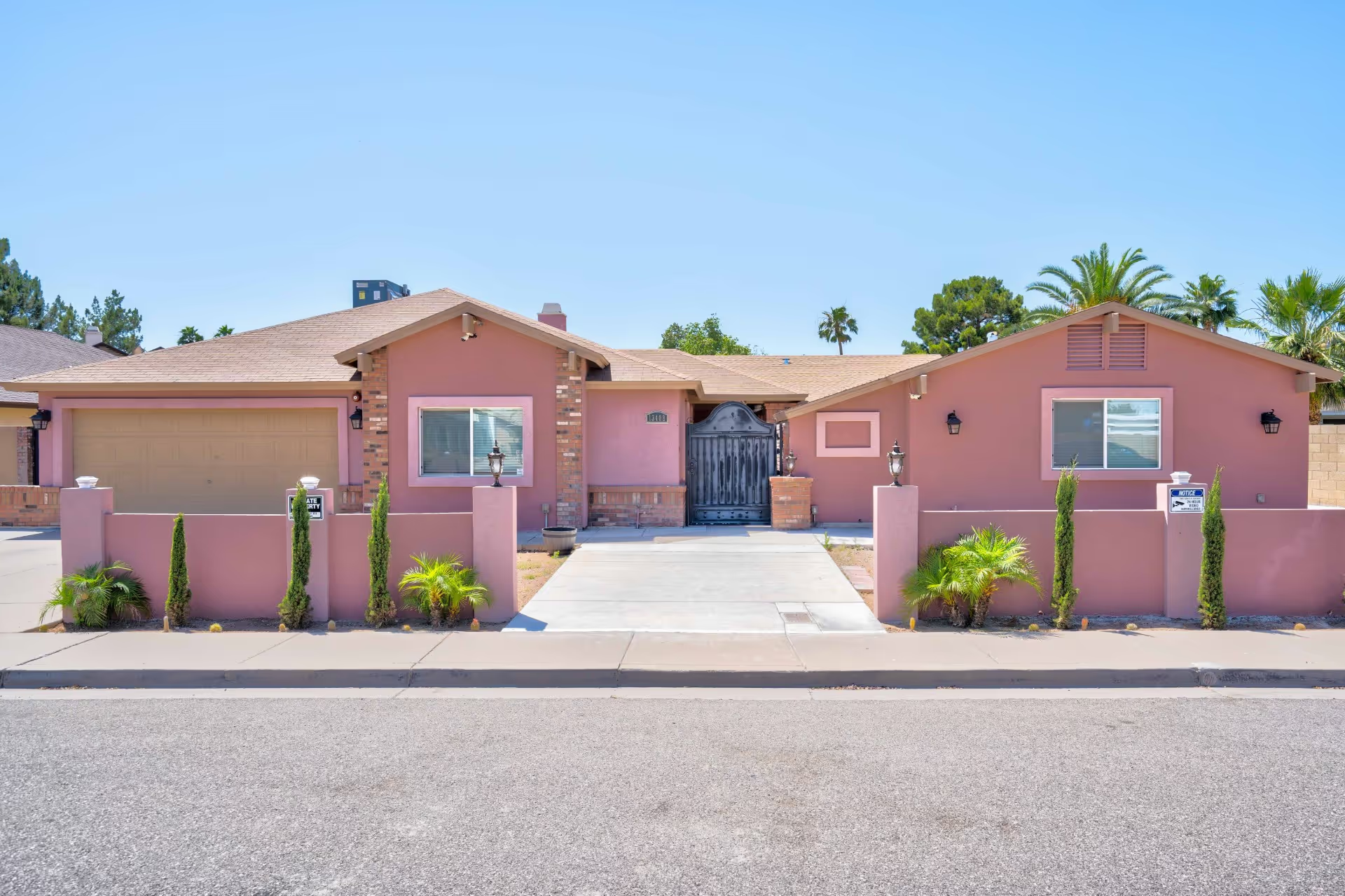
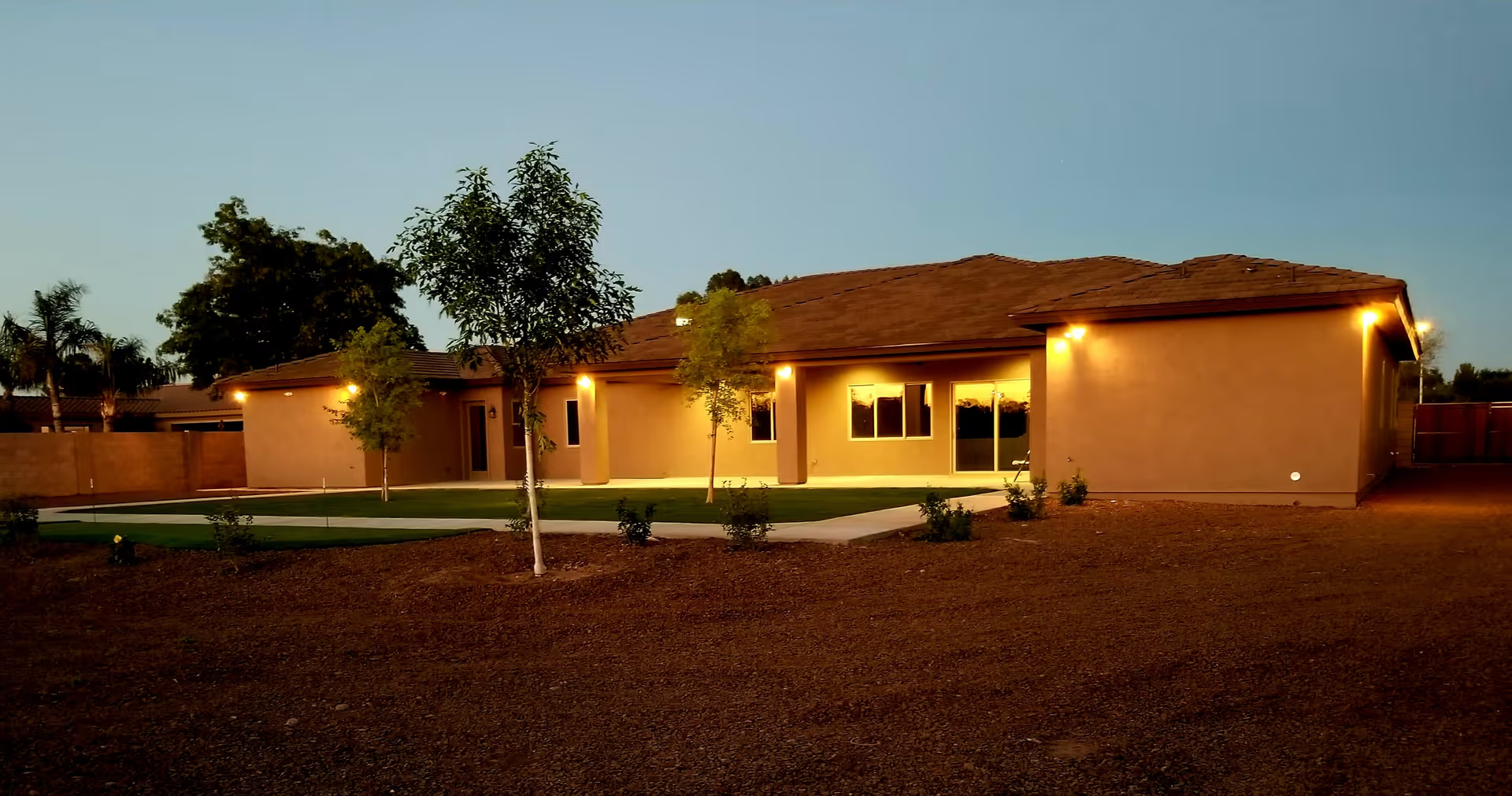
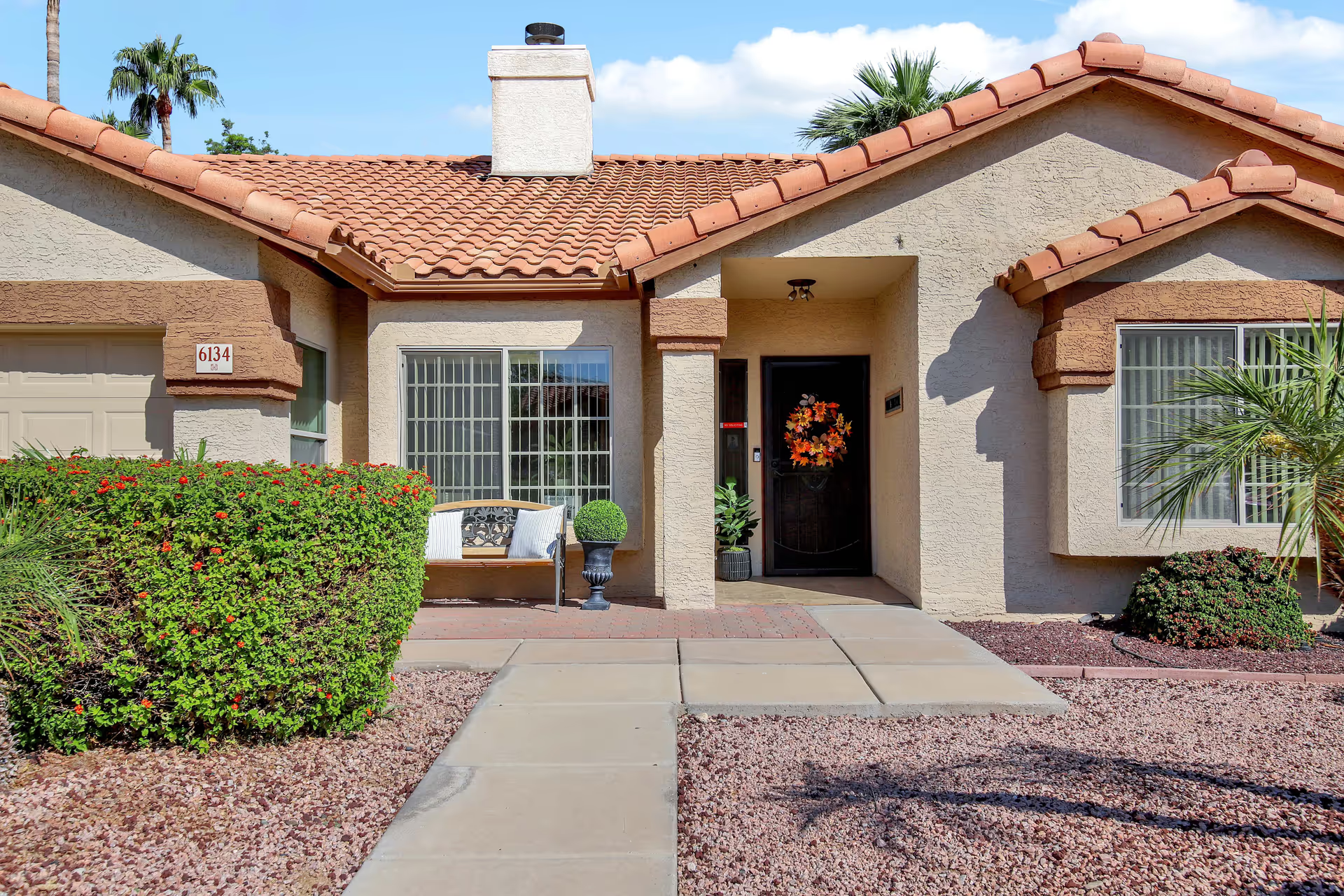
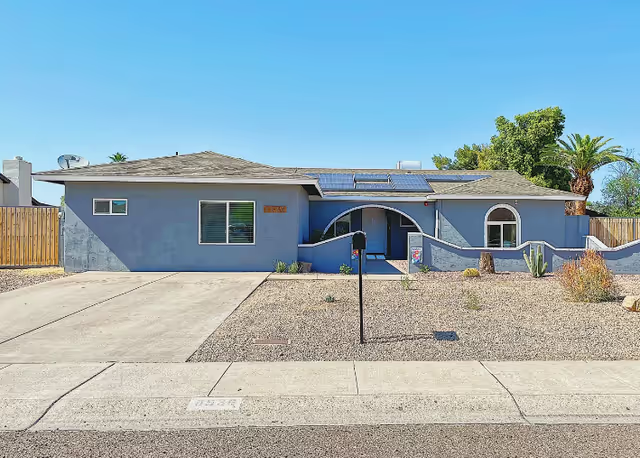
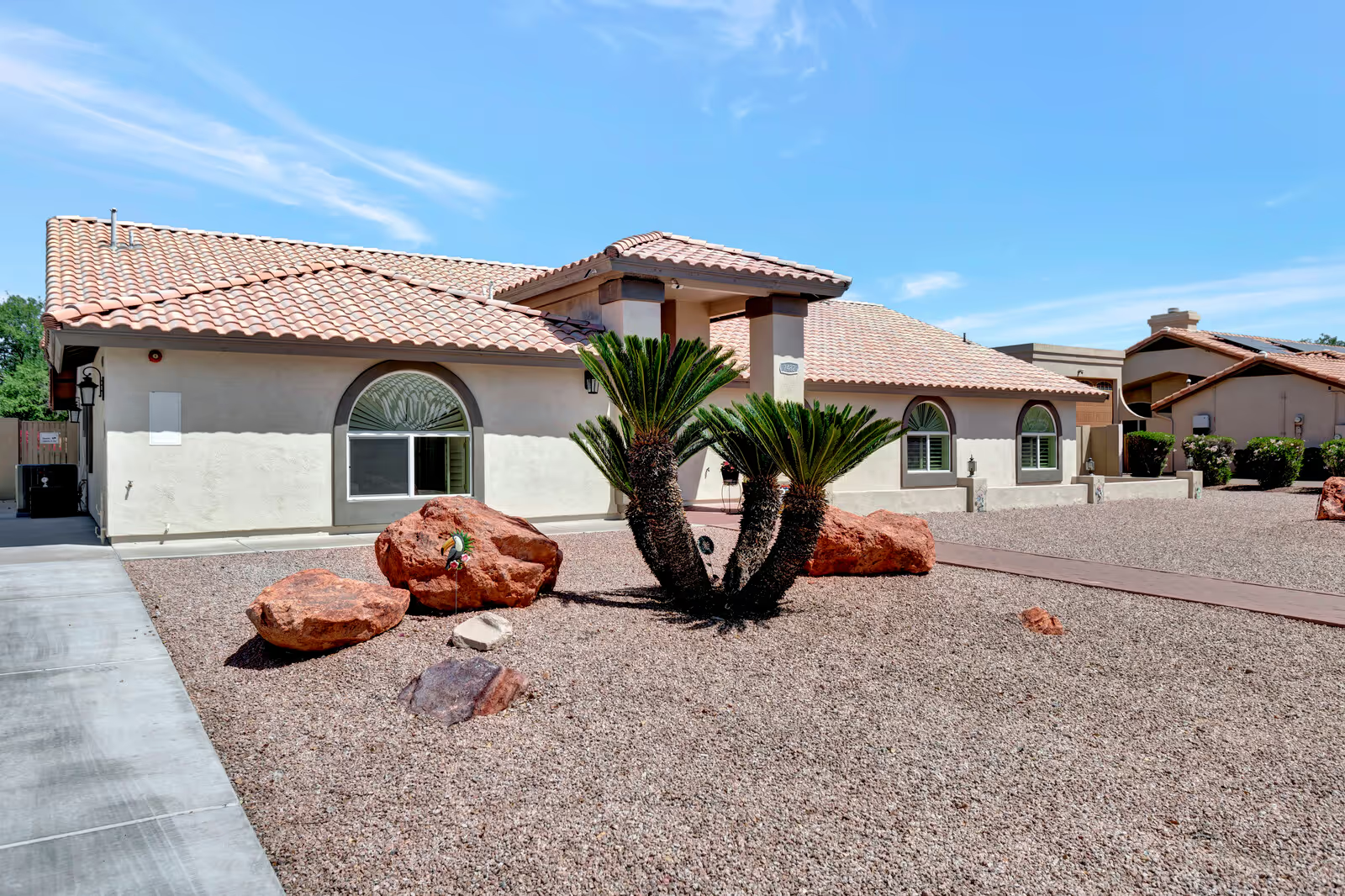
Overall impression: LifeStream at Thunderbird / Glendale presents as a small, community-oriented independent living option with a consistently emphasized strength in staff warmth, hospitality, and housekeeping. Many reviewers describe friendly, helpful front-desk and care staff, a quick and supportive move-in process, and a home-like atmosphere in common areas and apartments. Cleanliness and regular deep-clean housekeeping are recurrent positives, and on-site convenience features such as washer/dryer access, landscaped courtyards, and a modest set of amenities (salon, library, pool) contribute to a comfortable living environment.
Care and staffing: Staff are widely described as compassionate, attentive, and familiar with residents by name; activities and dining staff in particular receive frequent praise. However, a number of reviewers raised serious clinical concerns — including medication-management and clinical-response issues — that suggest gaps in clinical oversight for residents with higher or complex care needs. These accounts, combined with notes that some residents appear to require a higher level of care than the community routinely provides, indicate that families should verify clinical staffing levels, medication administration protocols, and escalation procedures when considering placement for someone with chronic, congestive, or memory-related conditions.
Dining and meals: Dining is generally viewed as a strength. The community offers restaurant-style cooked meals, generous portions, and a rotating menu with grill options, take-home availability, and opportunities to meet with the chef. Reviewers also describe flexible meal formats including apartment cooking options for certain plans. That said, meal coverage and hours vary by contract (some plans include breakfast and lunch only), and there are occasional notes about inconsistent meal quality or menu preferences; prospective residents should confirm which meals are included and the exact dining schedule for their chosen plan.
Activities and social life: Activity programming is broad and often well-run, with exercise classes, bingo, cards, crafts, bible study, water activities, and scheduled outings cited positively. The activities staff are frequently described as attentive and effective at coordinating participation. At the same time, some reviewers experienced quieter periods with fewer activities or fewer residents participating, and amenity availability can feel limited given the facility’s small size. Activity frequency and program variety appear dependent on resident interest and staffing, so confirm current weekly calendars during a tour.
Facilities and maintenance: Common areas and grounds are commonly described as clean and landscaped, and several units receive updates such as repainting and recarpeting. There are also consistent remarks about an older building fabric: some apartments and carpeting show deferred maintenance, and individual maintenance responsiveness can be variable. Prospective residents should inspect specific units for flooring transitions, carpeting condition, and any planned unit renovations, and clarify the facility’s maintenance response timelines.
Management, contracts, and policies: Reviewers praise helpfulness and efficiency in admissions and front-office processes in many cases, but there are recurring concerns about billing clarity, rigid contract terms (meal-package minimums, upfront deposits, and notice requirements), rent increases, and occasional billing disputes that required escalation. Several reviewers also noted restrictive visitation or after-hours access procedures; families who prioritize flexible visitation should review these policies carefully. Finally, while many praise the leadership and individual staff members, others described cases where management communication and follow-up after incidents were unsatisfactory — an operational risk to evaluate directly with current management.
Who this fits best: LifeStream appears to be a good match for independent-living seniors who prioritize friendly staff, home-like dining, regular housekeeping, and a compact community setting with scheduled social programming. Families seeking robust clinical services, dedicated memory-care separation, or a wide array of modern amenities should verify clinical protocols, maintenance responsiveness, meal inclusions, and current activity levels before committing. Conduct an in-person visit, review contract terms closely, and ask specific questions about medication administration, emergency response, billing policies, and visitation procedures to assess fit for higher-acuity needs.