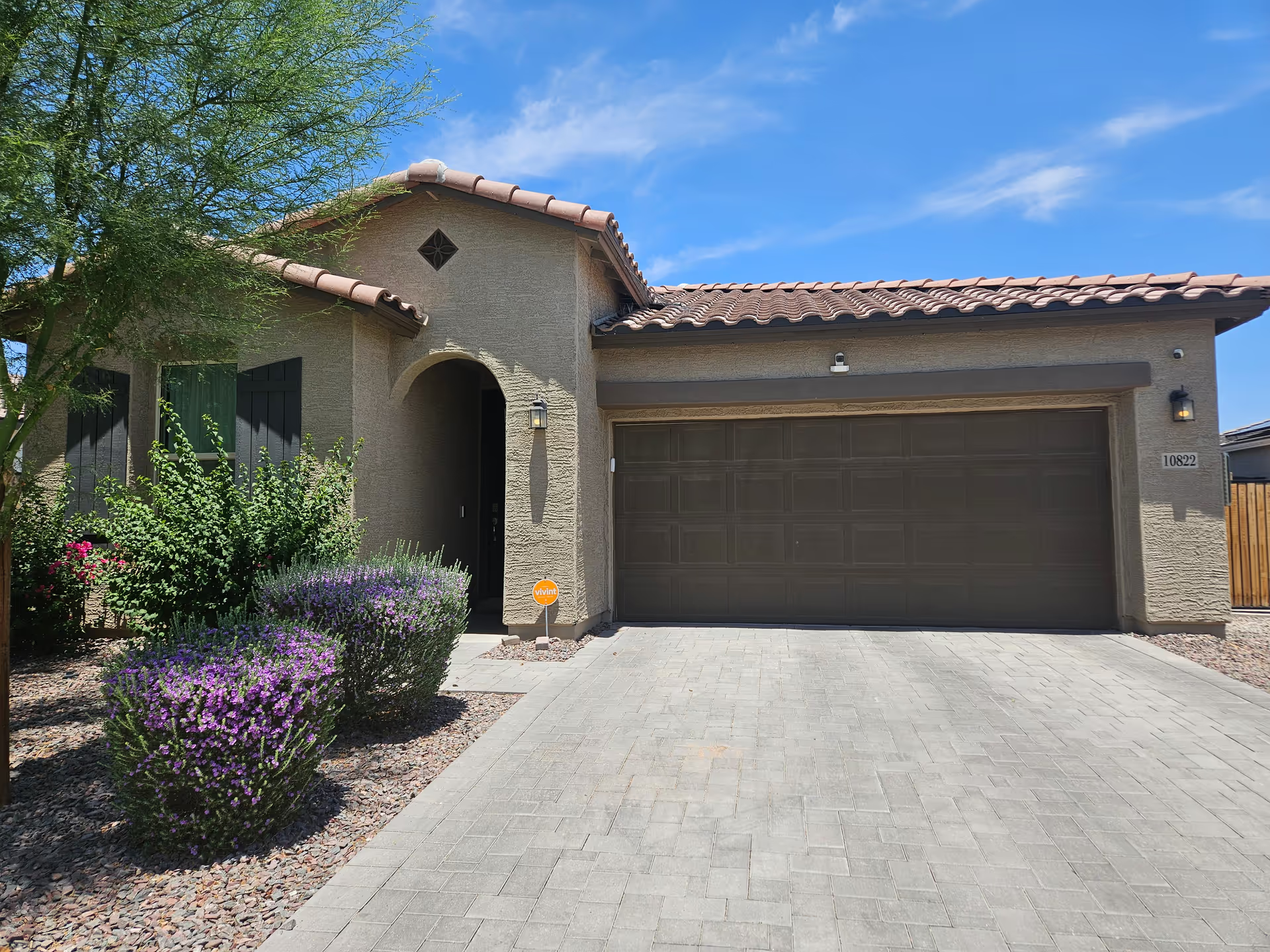
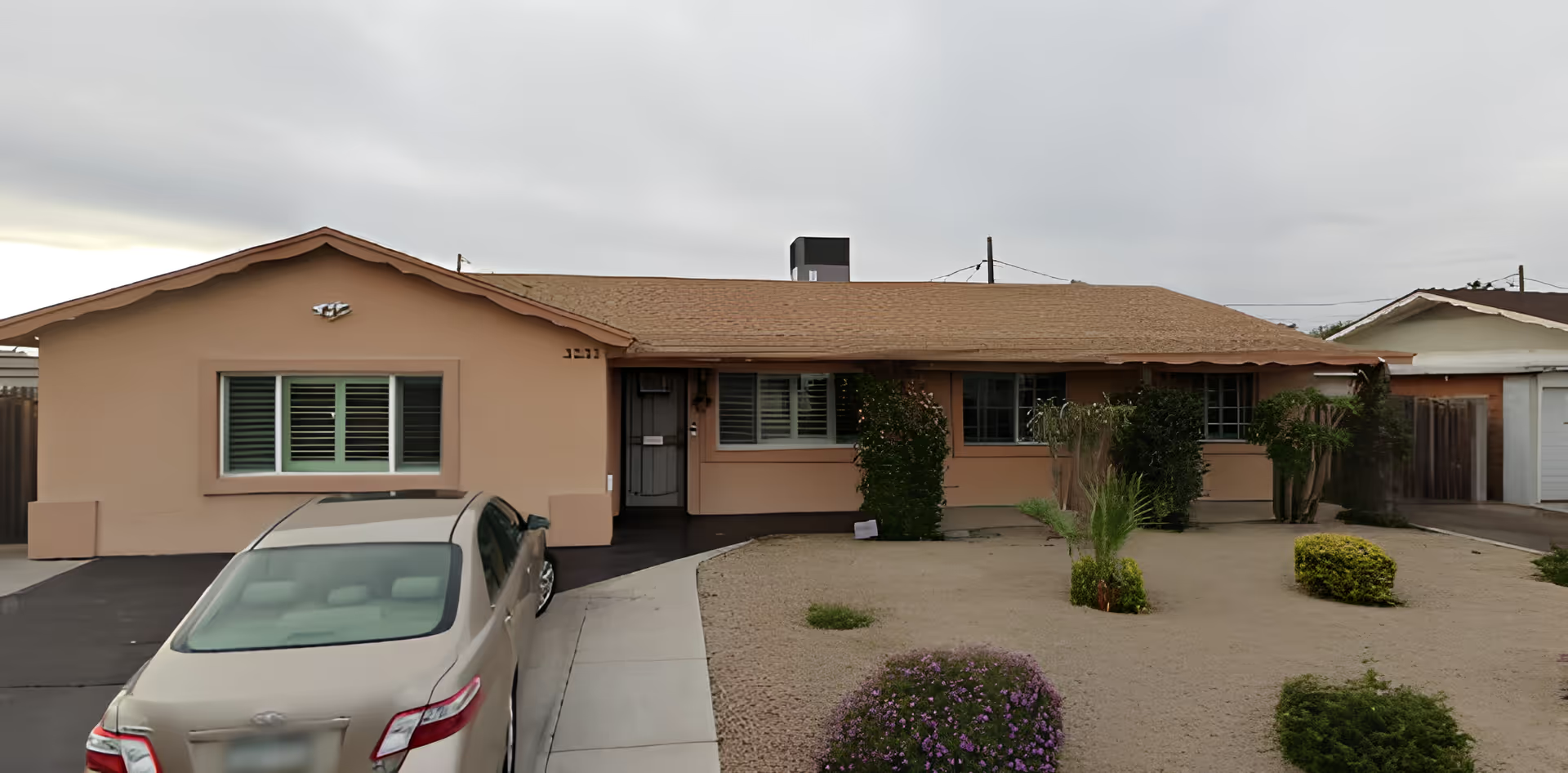
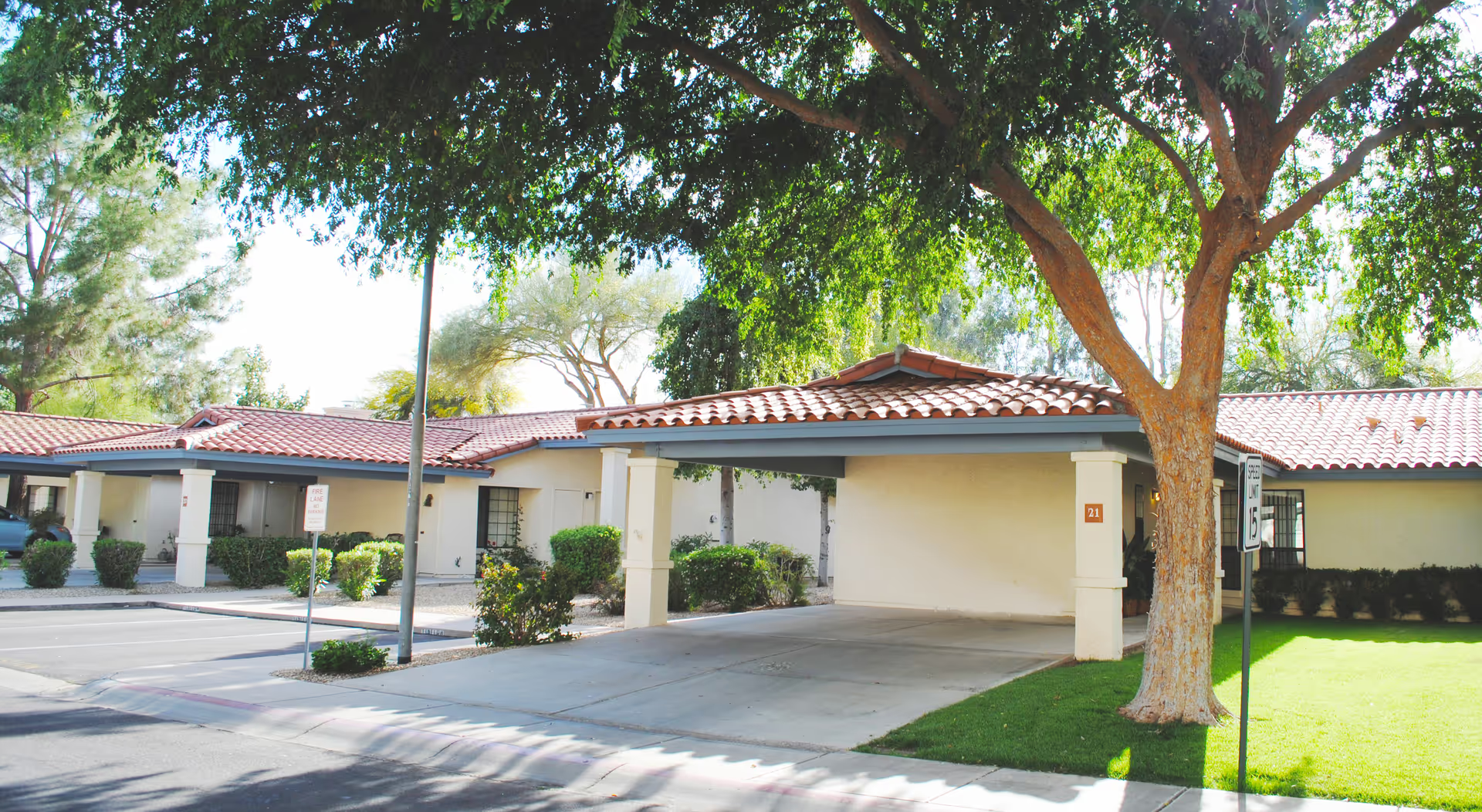
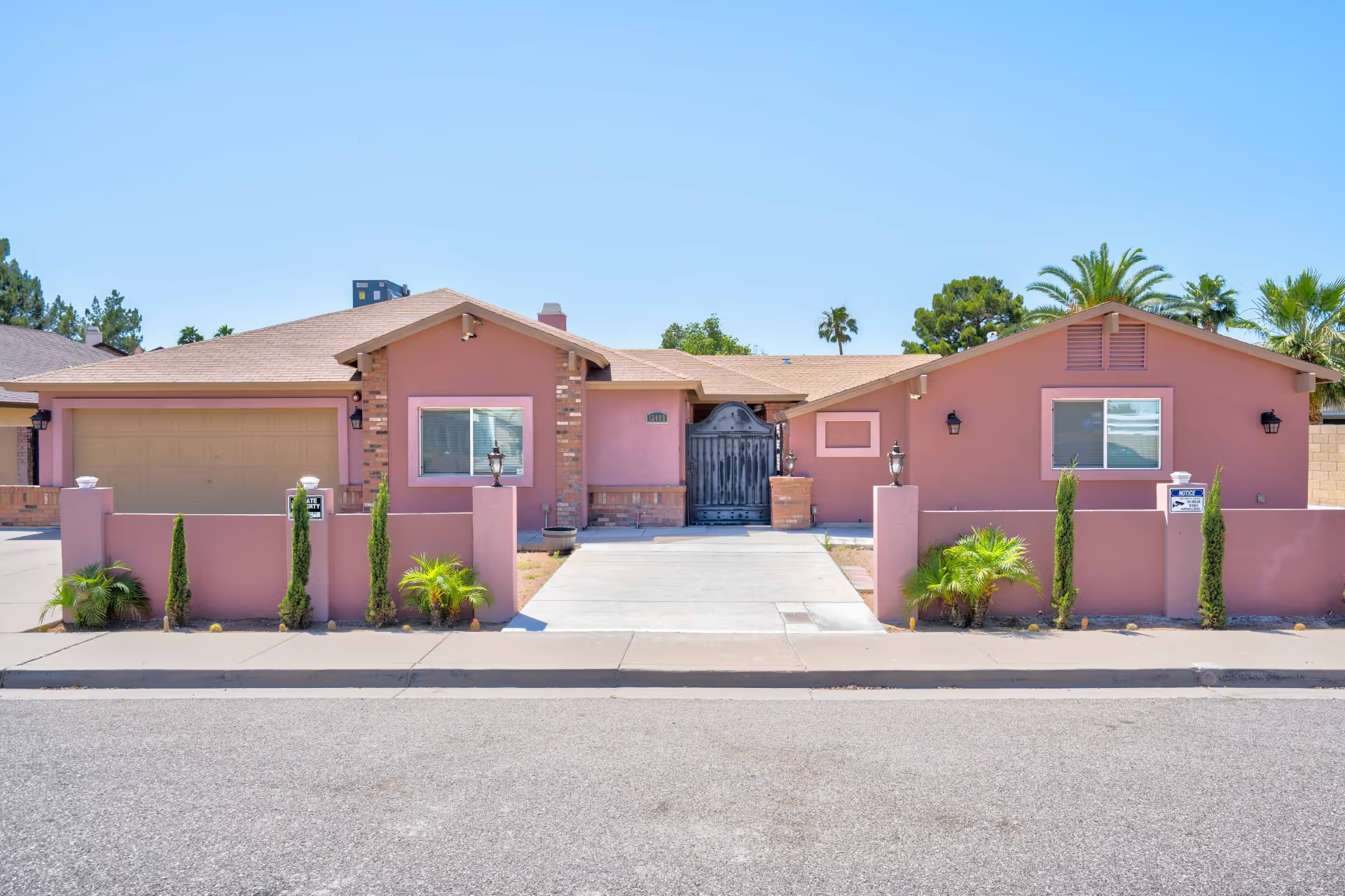
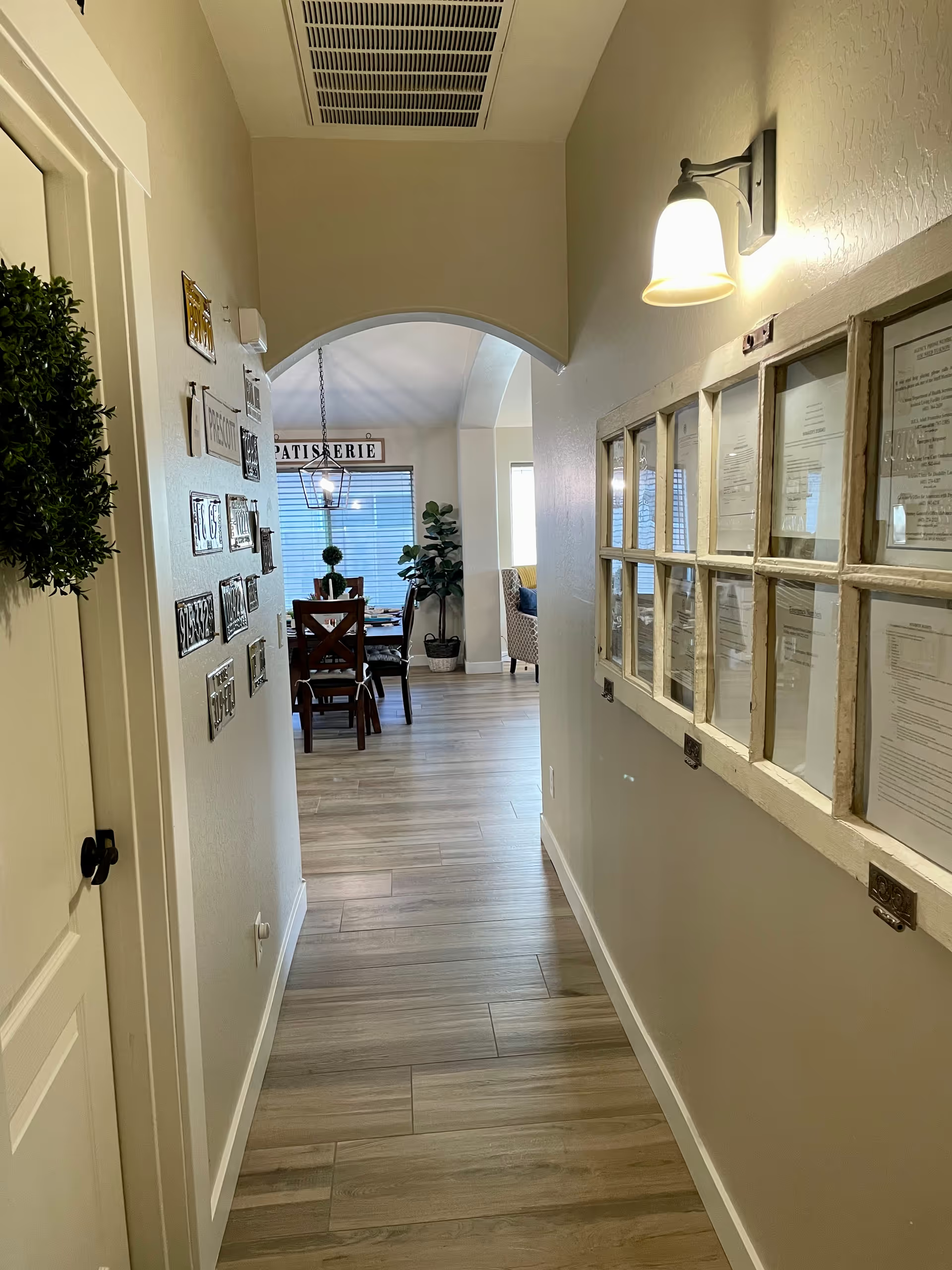
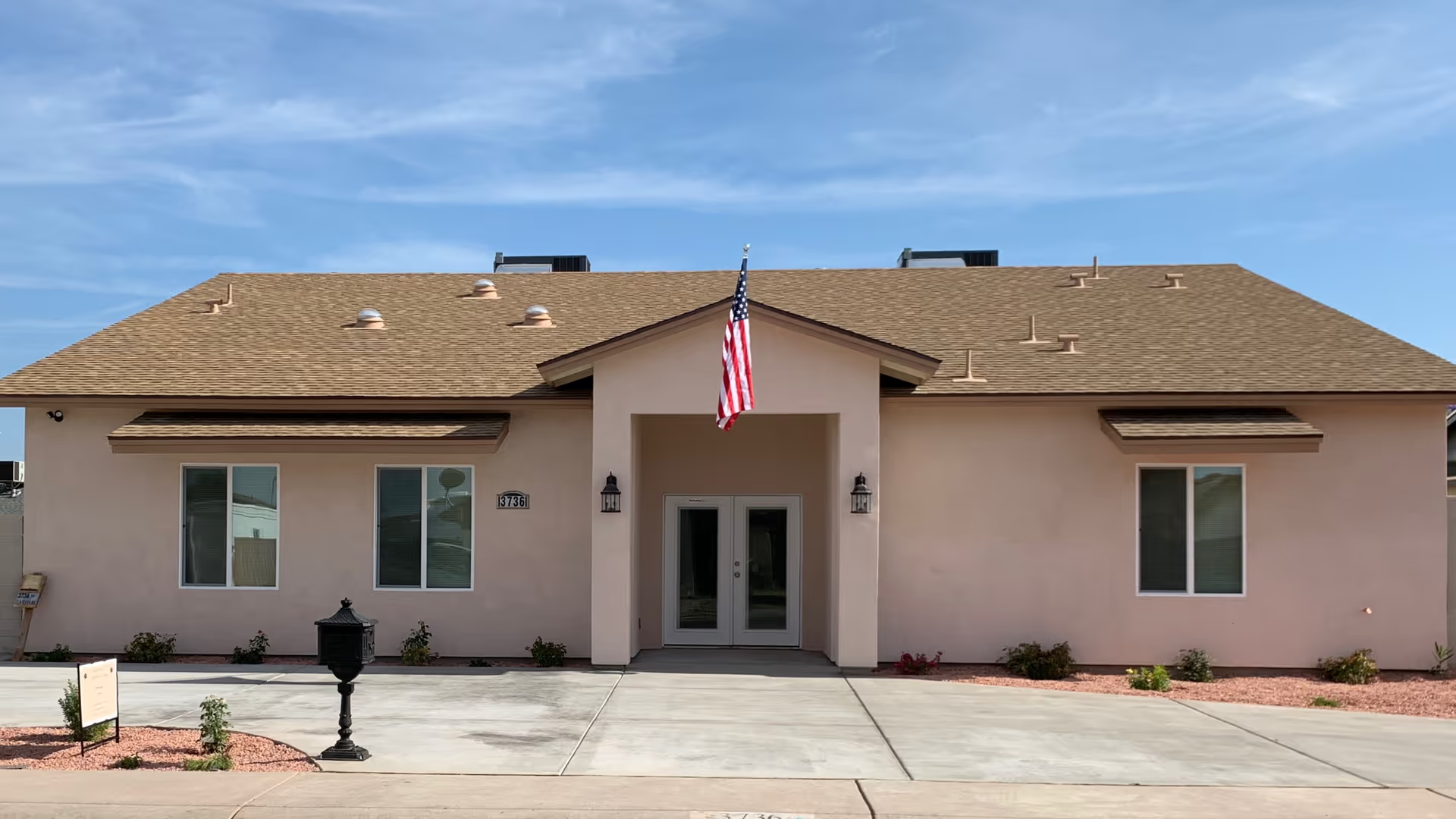
Across the summaries, Bella Amore is portrayed primarily as a small, family-owned assisted living home with consistently positive feedback on staff, cleanliness, and the residential atmosphere. Families and observers repeatedly describe staff as compassionate, attentive, and hands-on; communication and owner accessibility are highlighted as strengths. The environment is characterized as home-like rather than institutional or luxurious, with long-tenured caregivers contributing to continuity of care and many families noting that new residents settle in smoothly.
Care quality and staffing are the most frequently praised elements. Reviewers emphasize individualized attention, respectful interactions, responsiveness to dietary preferences, and competent support through later-stage and end-of-life needs. Management is described as engaged and easy to work with, and the caregiving team is depicted as invested in resident well-being. These patterns suggest a model of care that prioritizes personalized relationships and day-to-day supervision over high-volume clinical services.
Dining and daily living services also receive consistent positive mention. The facility provides three meals daily, often described as home-cooked or made from scratch, with flexible meal times; laundry and housekeeping are included. Outdoor spaces such as a patio and yard are available for fresh air and informal recreation. However, reviewers provide little detail about organized activities, programming, or recreational schedules. For prospective families this implies strong meal and basic-support services but limited visibility on structured social or therapeutic activities.
Facility and management characteristics align with a small-scale, residential approach: clean, updated, and spacious common areas in a house-like setting, with owners and managers who are reachable and involved. That scale produces advantages in personalization and family-style care but also brings trade-offs: the community likely offers fewer on-site amenities than larger campuses and may not provide the same depth of specialized clinical services. Review summaries also indicate limited publicly available information about pricing and fee structure.
Recommendations for prospective residents and families: confirm the facility’s staffing ratios and clinical oversight for specific medical needs, request a sample activity calendar to understand daily programming, obtain a detailed written fee schedule that lists what is included and what may incur additional charges, and ask about emergency procedures and access to outside clinical resources. Overall, Bella Amore appears to be a well-kept, family-oriented option that emphasizes individualized, compassionate care within a modest, home-like setting; families seeking extensive amenities or specialized clinical programs should verify those capabilities before deciding.