Overall impression: Reviews describe a community with many strengths around person-centered caregiving, a warm homelike environment, and strong move-in/transition support, but with notable operational inconsistencies that prospective families should evaluate carefully. Many families praised individual caregivers, nursing responsiveness, on-site therapy options, and a welcoming physical environment. At the same time, other accounts describe lapses in basic operational areas such as housekeeping, responsiveness to resident requests, and follow-through on administrative promises.
Care and staff: The facility receives frequent praise for compassionate, attentive staff who provide personalized attention and strong support during transitions. Several accounts emphasize effective nursing communication, coordinated care during transitions from rehab, and compassionate end-of-life practices. However, there is a clear pattern of staffing instability: high turnover and variable training lead to uneven care experiences for residents. Reviews indicate gaps in memory-care-specific training and inconsistent handoffs between staff, which can affect continuity for residents with higher needs.
Dining and activities: Dining experiences are mixed. Some families note improved cuisine after changes in culinary leadership and commend attentive servers, while others describe limited choice, dry meals, and inconsistent meal delivery practices. Activity programming also varies by account: the community runs regular activities such as bingo, live entertainment, visits with comfort animals, and social outings that many residents enjoy, but other reviewers cite sparse or non-meaningful programming and uneven effort to engage less-mobile or bed-bound residents.
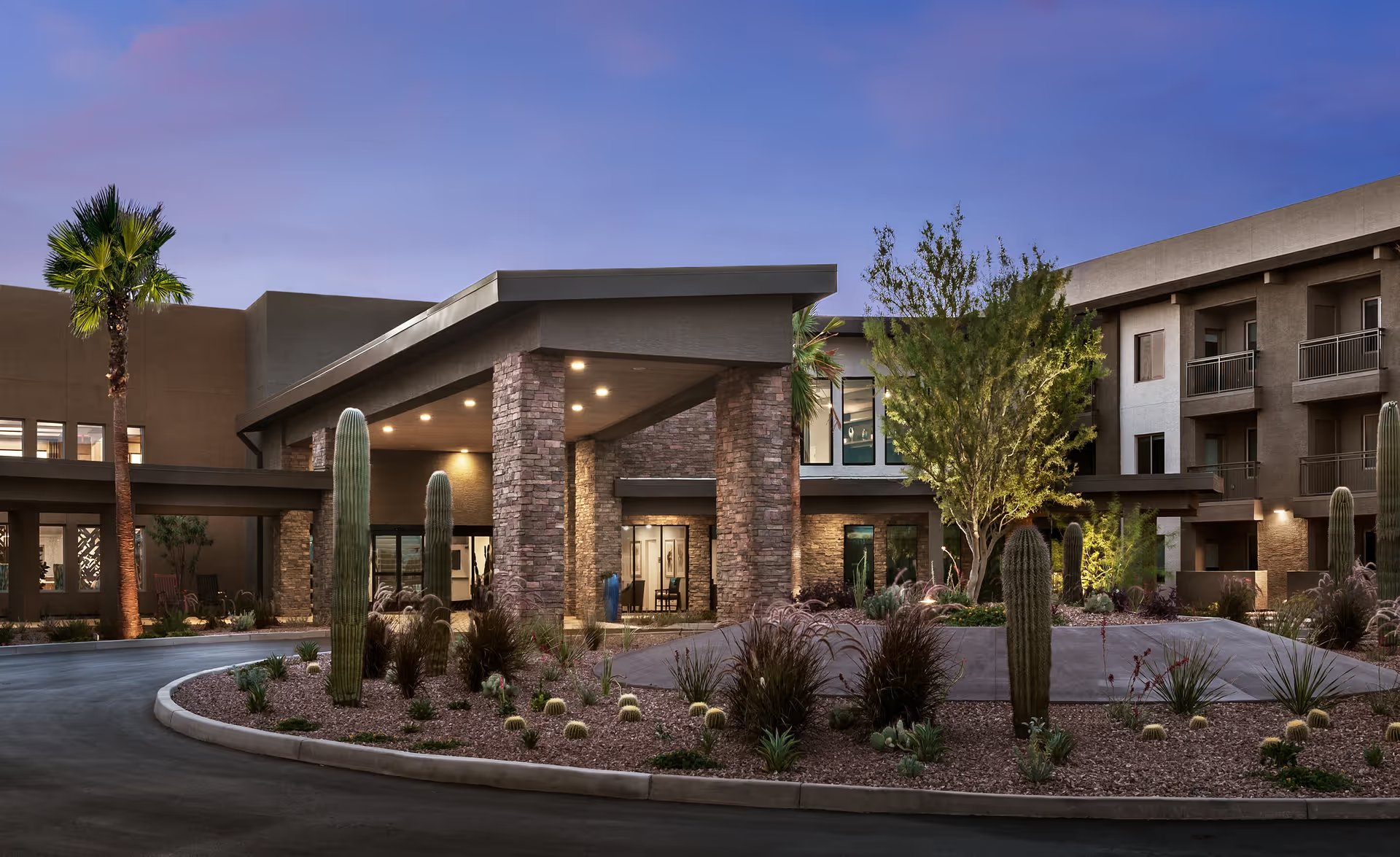
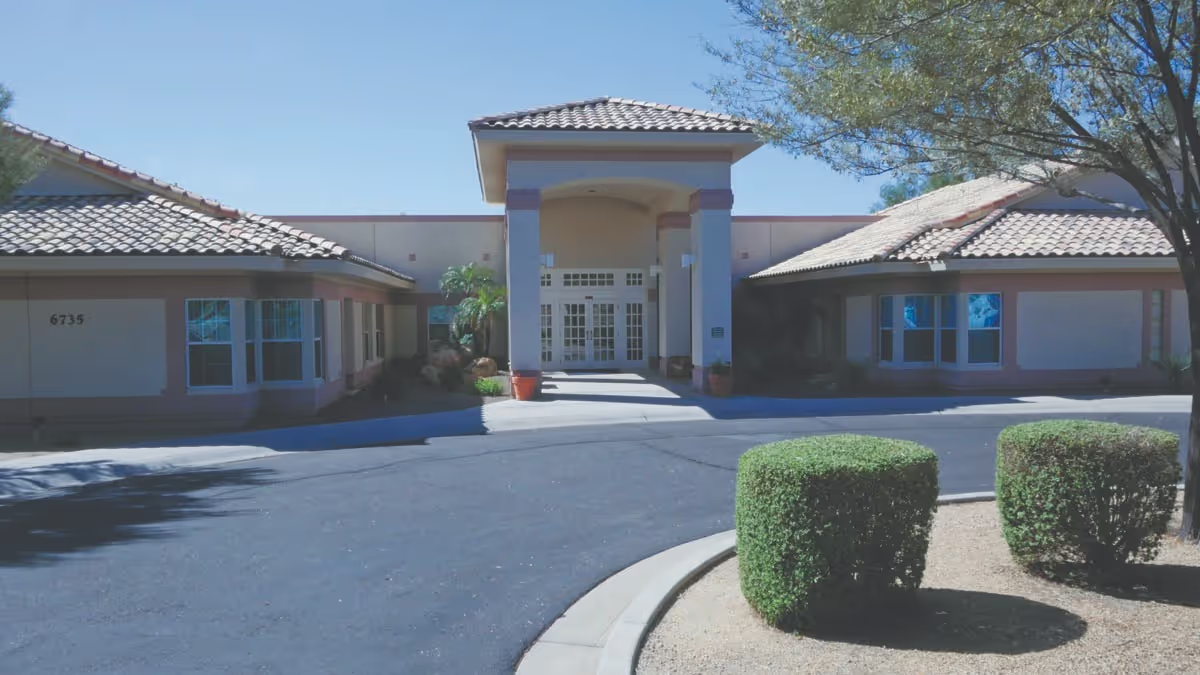
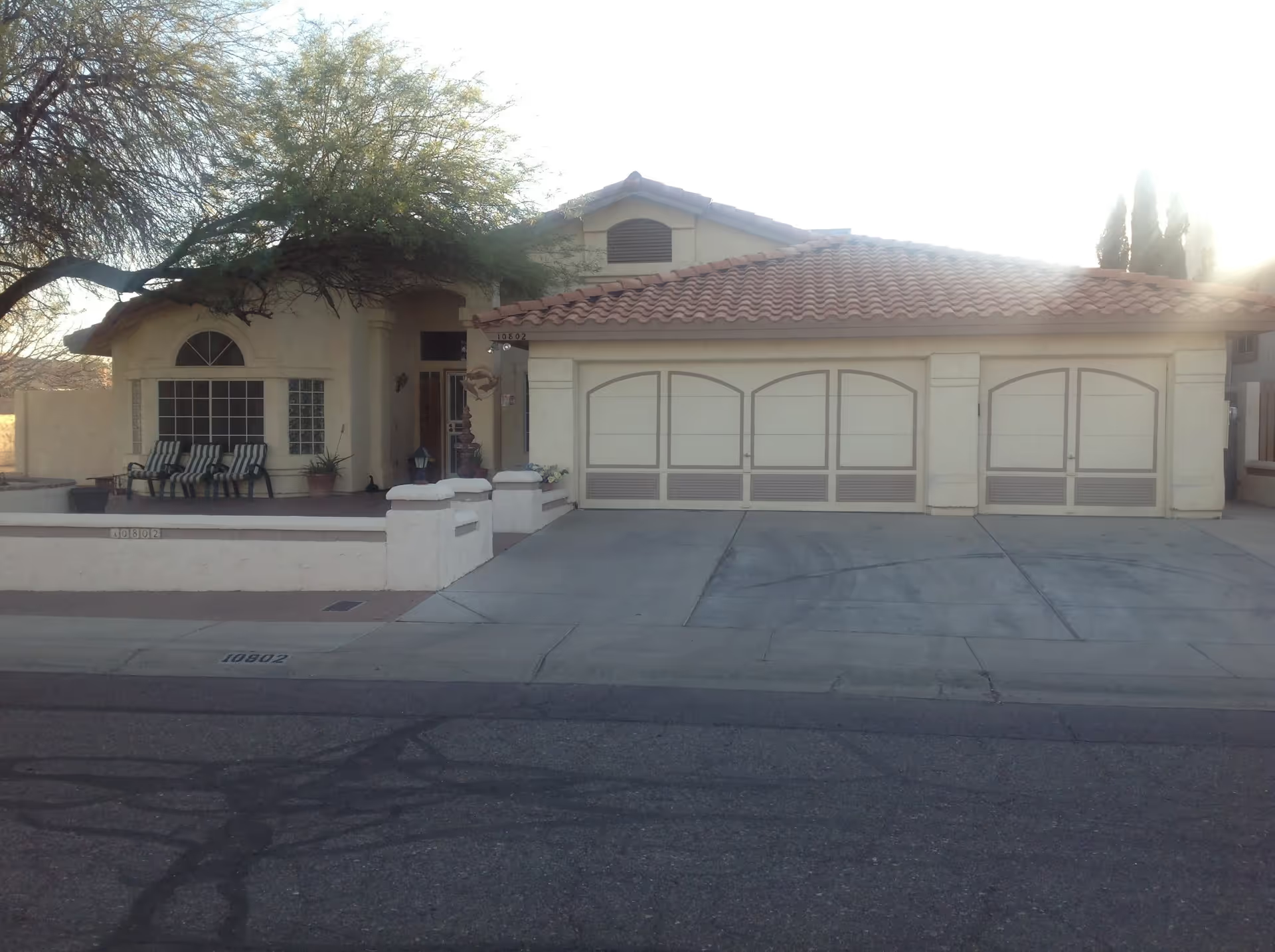
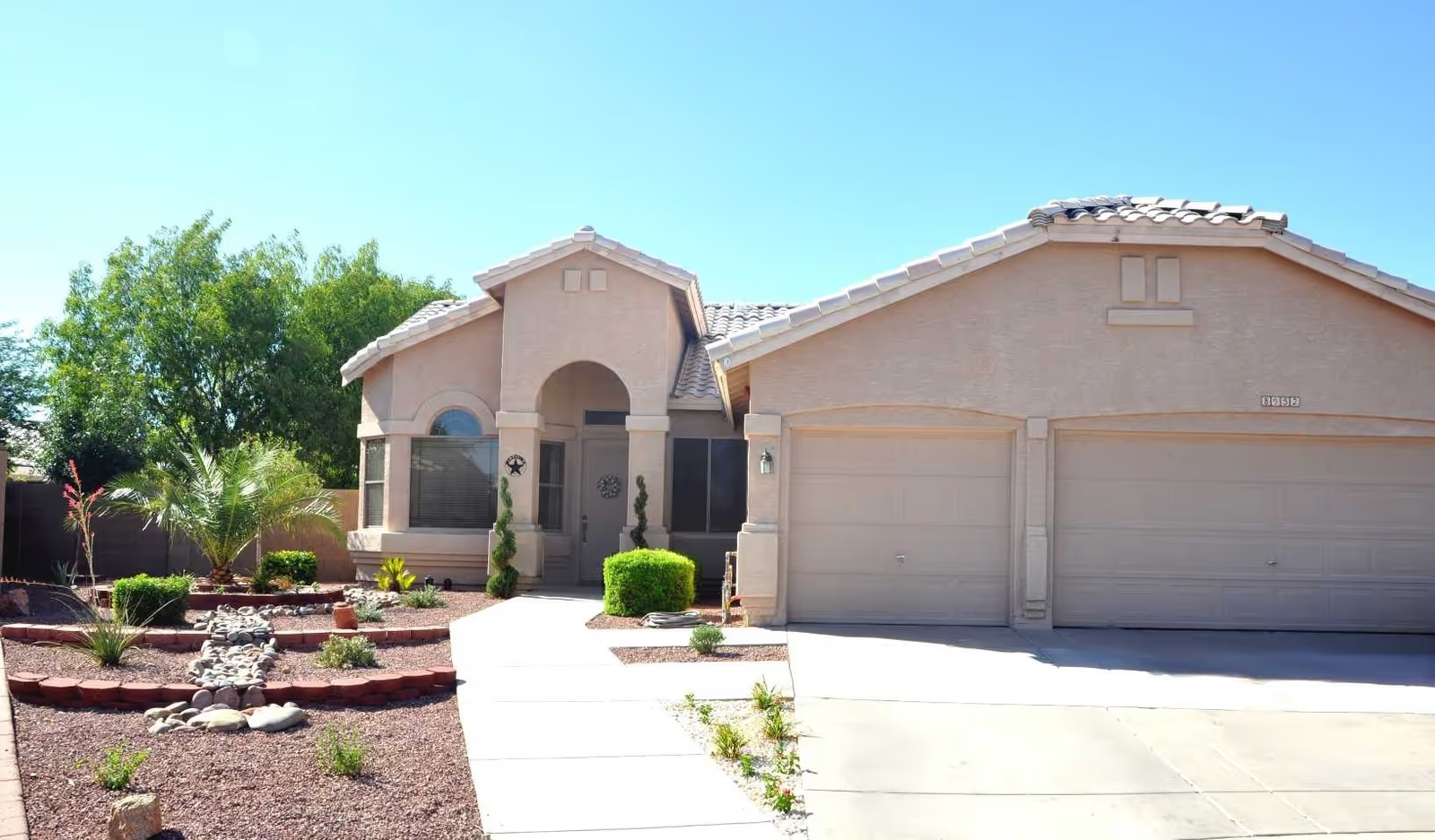
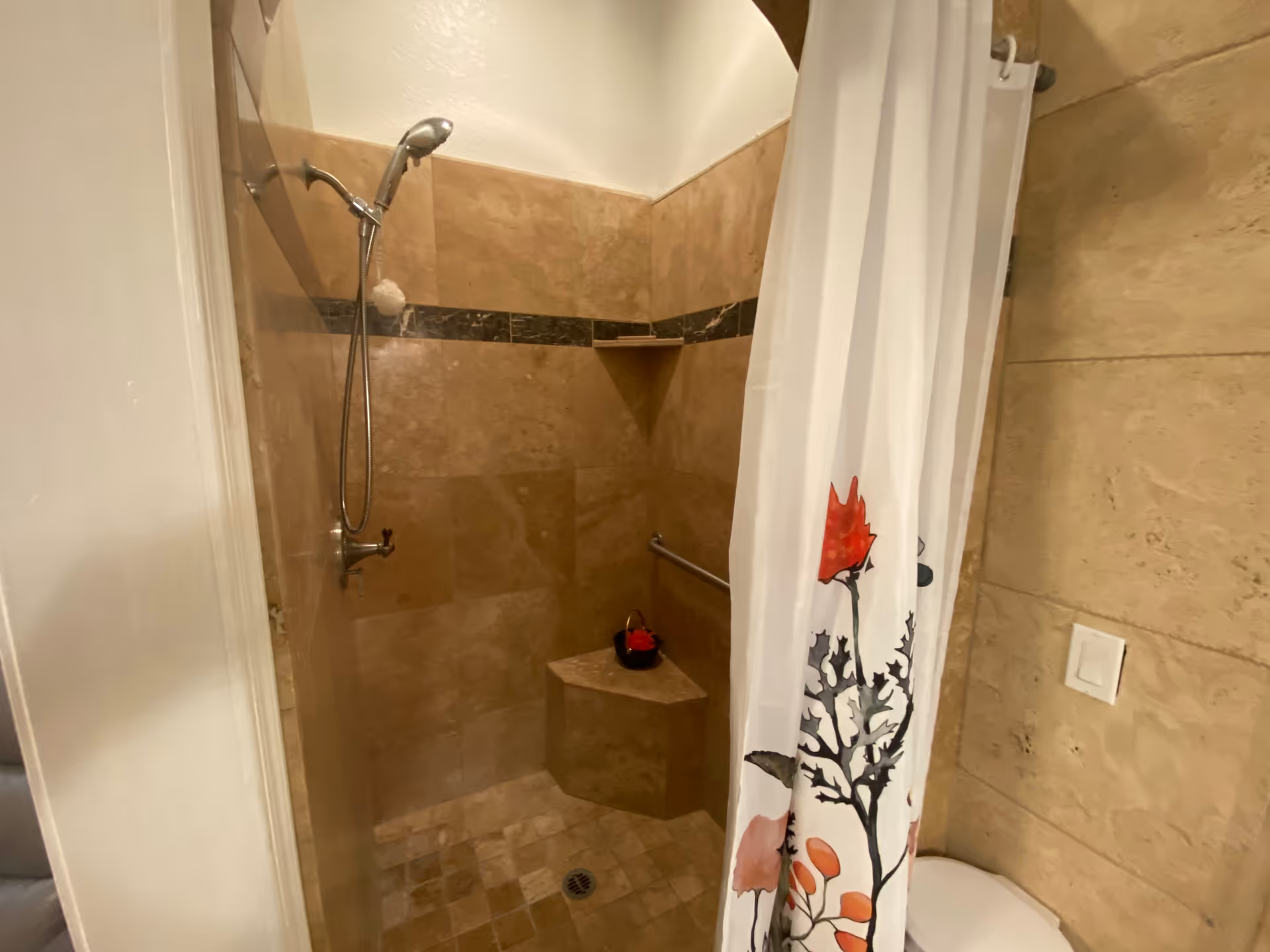
Facilities and clinical services: Physical spaces are consistently described as bright, clean, and welcoming, with spacious apartments and well-kept common areas. On-site therapy services (physical, occupational, speech) are highlighted as an advantage. That said, access to some therapies and services appears to depend on insurance or administrative coordination, producing variable experiences for families seeking comprehensive rehabilitation.
Management and administration: Positive notes include helpful community-relations staff and effective move-in assistance. Concerns focus on opaque pricing and sales-driven move-in fees, inconsistent management follow-through on promises, and communication gaps with families (for example, uneven introductions of new staff and variable family updates). Several reviews raise sanitation and incontinence-care concerns and delays in responding to resident calls — issues that point to operational oversight and quality-control gaps rather than isolated incidents.
Notable patterns and guidance: The dominant theme is variability: many families report excellent care, community life, and improved quality of life, while others experienced significant operational problems tied to staffing, housekeeping, dining, and management communication. Memory care is described as a smaller, more expensive section with a need for stronger staff training. Prospective families should ask specific, operational questions during a tour — staffing continuity, housekeeping schedules and quality checks, call-response metrics, menu samples and culinary leadership, activity participation rates, memory-care staff credentials, therapy access protocols, and a clear explanation of all fees — to determine whether the community’s strengths align with their loved one’s needs.