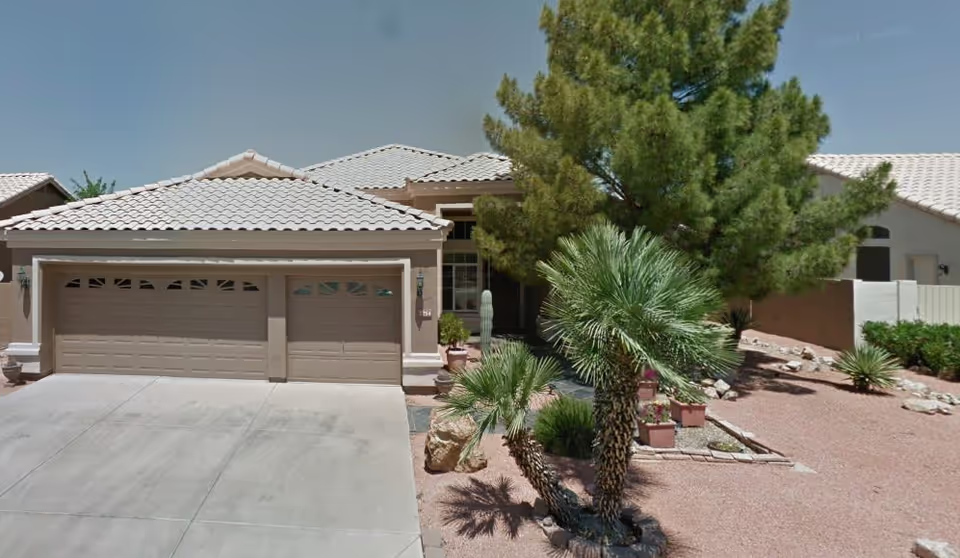
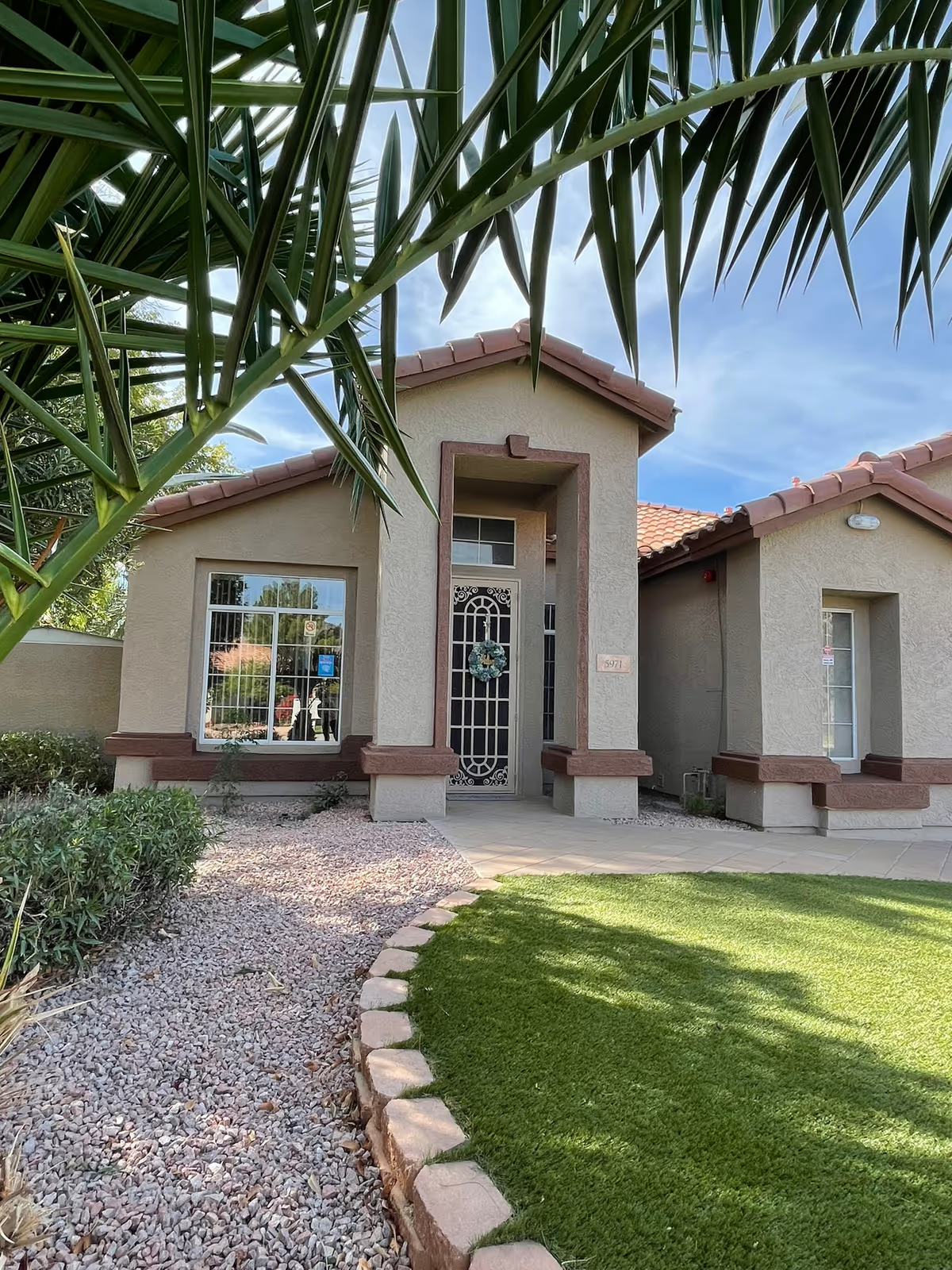
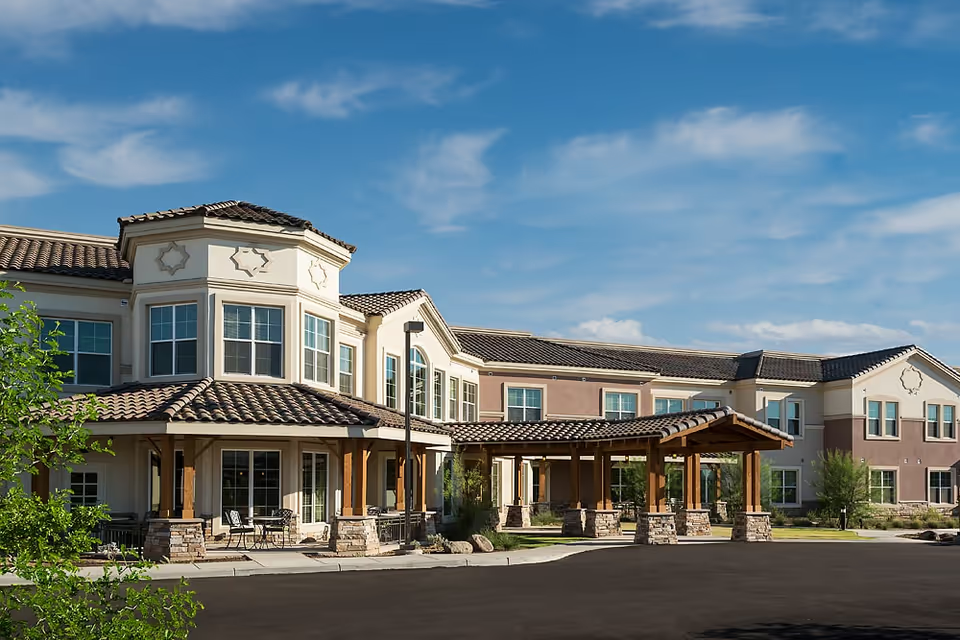
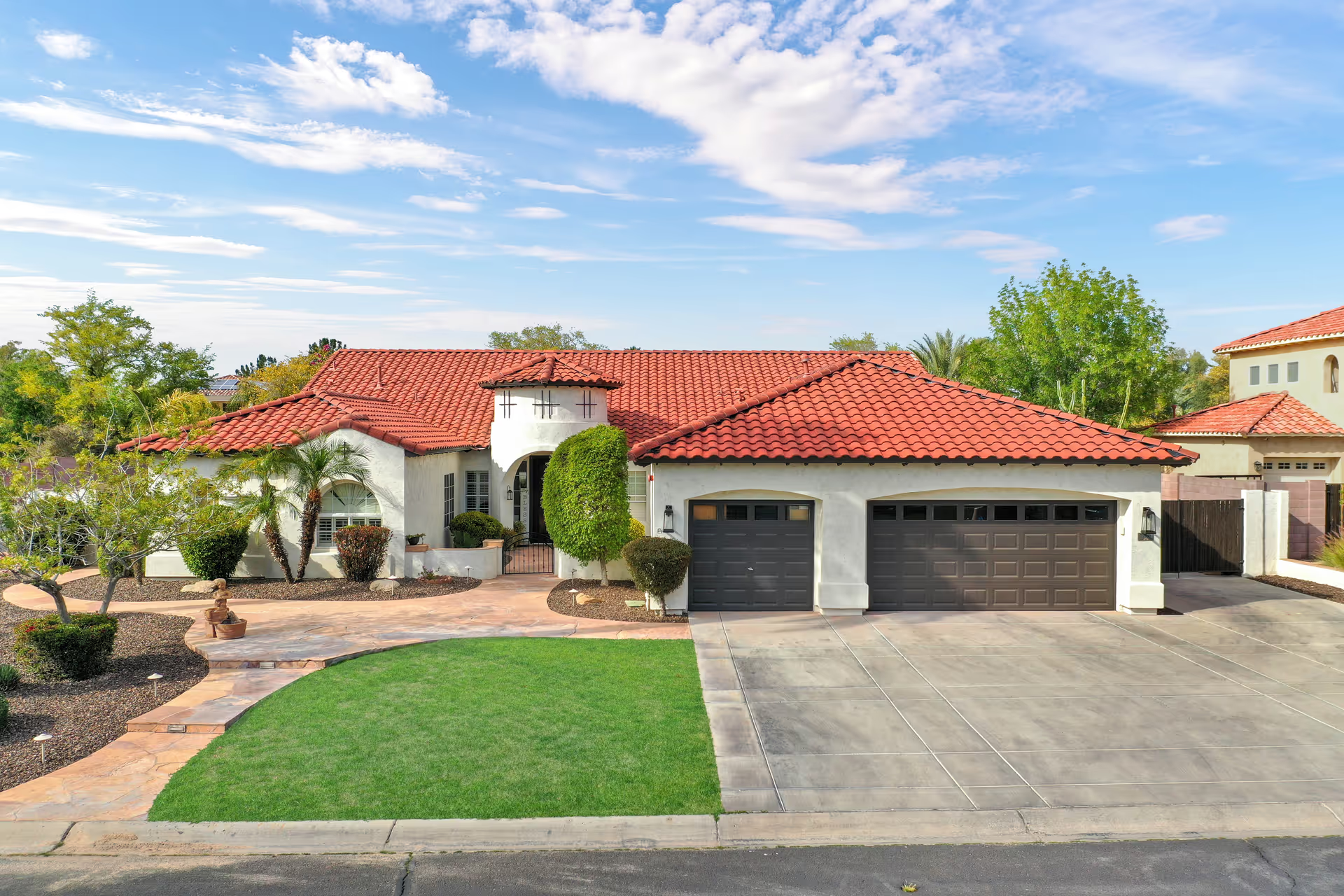
Brookdale North Glendale is described by many families as a small, home-like memory-care community with strong strengths in direct caregiving and daily engagement. Reviewers frequently praise the compassion and attentiveness of caregivers, long-tenured staff who know residents’ routines, coordinated care with hospice and home-health providers, and an active schedule of activities (daily exercise, arts and crafts, bingo, themed events and social hours). The facility’s single-level layout, updated interior areas, attractive courtyard/garden, and generally clean, well-maintained environment contribute to a welcoming atmosphere for residents with memory needs.
Care quality and staffing are the facility’s most consistently noted positives: families describe personalized interactions, immediate clinical contact when issues arise, and staff who treat residents like family. Memory-care programming and staff familiarity with dementia routines are frequently highlighted as strong points. The small community size supports individualized attention and frequent social interaction among residents. Transportation access and proximity to a hospital were also reported as practical advantages.
Dining and activities receive generally favorable comments for menu variety, snacks, and frequent social offerings. However, there are notable operational concerns raised by some families regarding food-service safety and related incident reporting; these comments suggest asking about kitchen temperature controls, food-safety protocols, and the facility’s process for documenting and communicating dining incidents.
Facility-level limitations include a constrained floor-plan inventory (many studios, limited one-bedroom or larger options) and modest outdoor space with limited walking areas. Room sizes are described as smaller consistent with an older building footprint. While many reviewers praised cleanliness and decor updates, management practices show variability: some families report proactive, communicative leadership, while others describe turnover, delayed responses to family inquiries, and inconsistent communication about fee increases or care changes.
Several reviews point to operational risks that families should evaluate directly. These include inconsistent responsiveness to call buttons and assistance requests, variability in staff conduct, and gaps in clinical escalation and family-notification processes after incidents. Because these are patterns that affect safety and satisfaction, prospective families should confirm staffing levels, call-response expectations, incident-reporting procedures, and written contract terms on rate adjustments during a tour.
Overall, Brookdale North Glendale appears to offer strong, person-centered memory-care services in a small, clean, activity-rich setting, with particularly high marks for direct caregivers and daily engagement. The primary trade-offs are limited private space options, modest outdoor areas, and mixed feedback on management communication and operational consistency. Suggested next steps for interested families: schedule an in-person tour during activity hours, request documentation on clinical escalation and incident-notification policies, review fee-change clauses in the contract, and inspect available unit types to verify space and layout needs.