Via Elegante Assisted Living Sierra Vista Canyons is consistently described as a well-maintained, attractive community with a strong emphasis on personalized, compassionate caregiving. Families and visitors repeatedly highlight the staff’s attentiveness, 24/7 clinical access, and a team-oriented approach to memory-care needs. Nursing involvement in individualized care plans, weekly care summaries, and coordinating medical appointments are recurring positives that contribute to family confidence in the facility’s clinical oversight.
Dining and daily life are frequently cited as strengths. The community offers home-style, chef-led meals cooked to order, accommodating special meal requests and presenting nutritionally balanced menus. At the same time, there is some variability in the dining experience across different households within the campus; while many describe excellent meals and a chef/sous-chef model, others indicate less satisfactory food quality in particular units. The activities program is robust, with music, crafts, sing-alongs, bingo, pet therapy, and a visible activities director who maintains a lively calendar and encourages family participation.
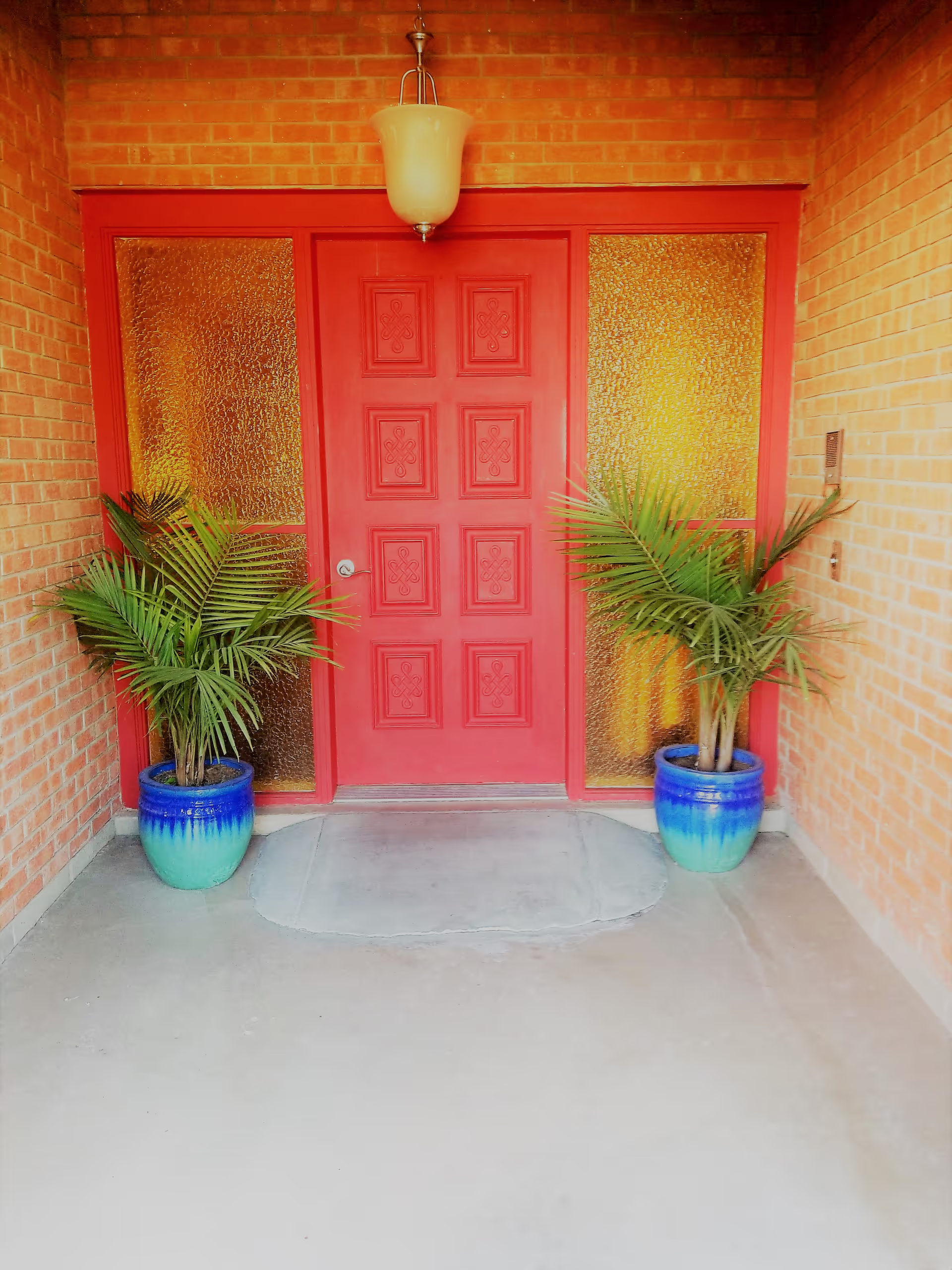
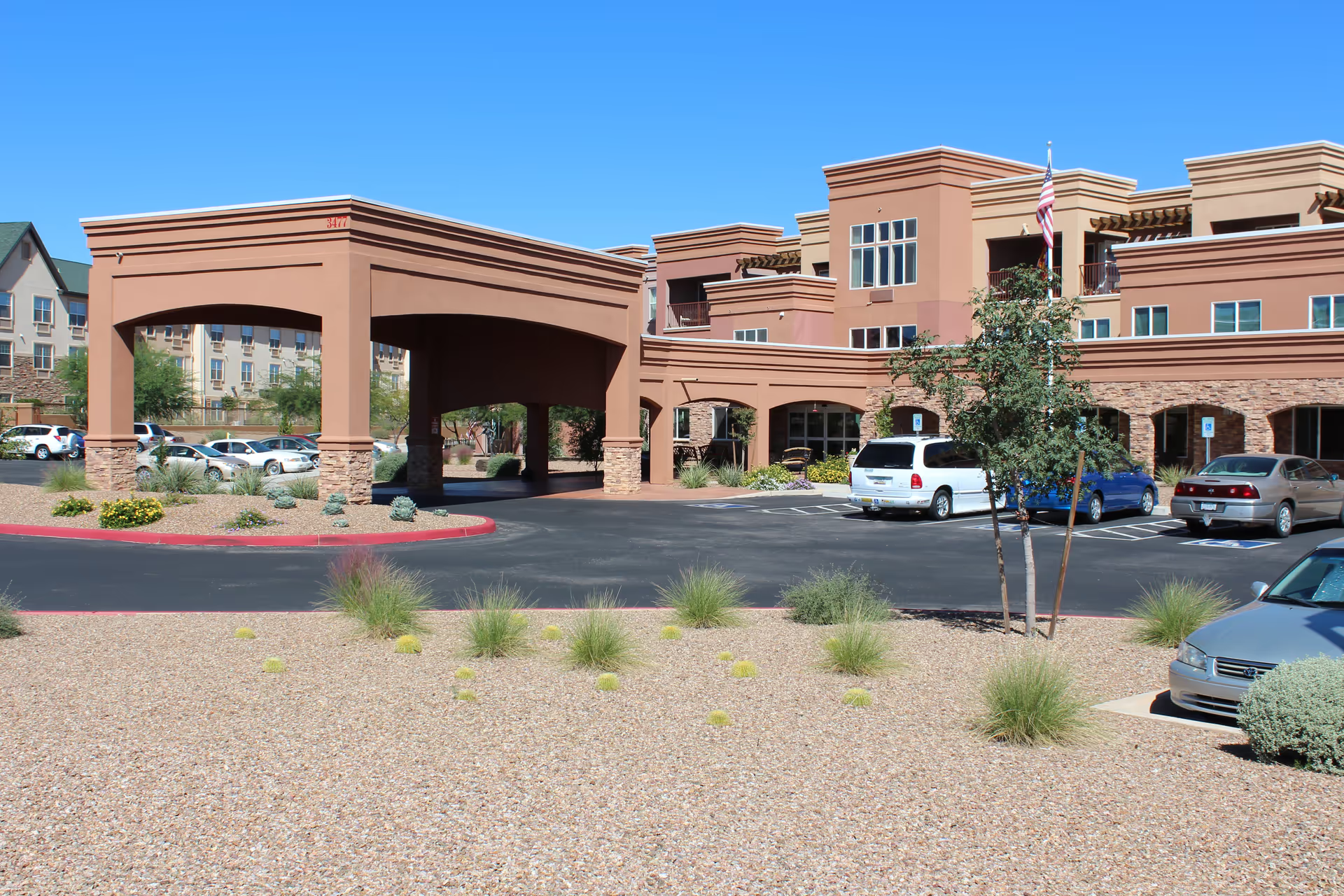
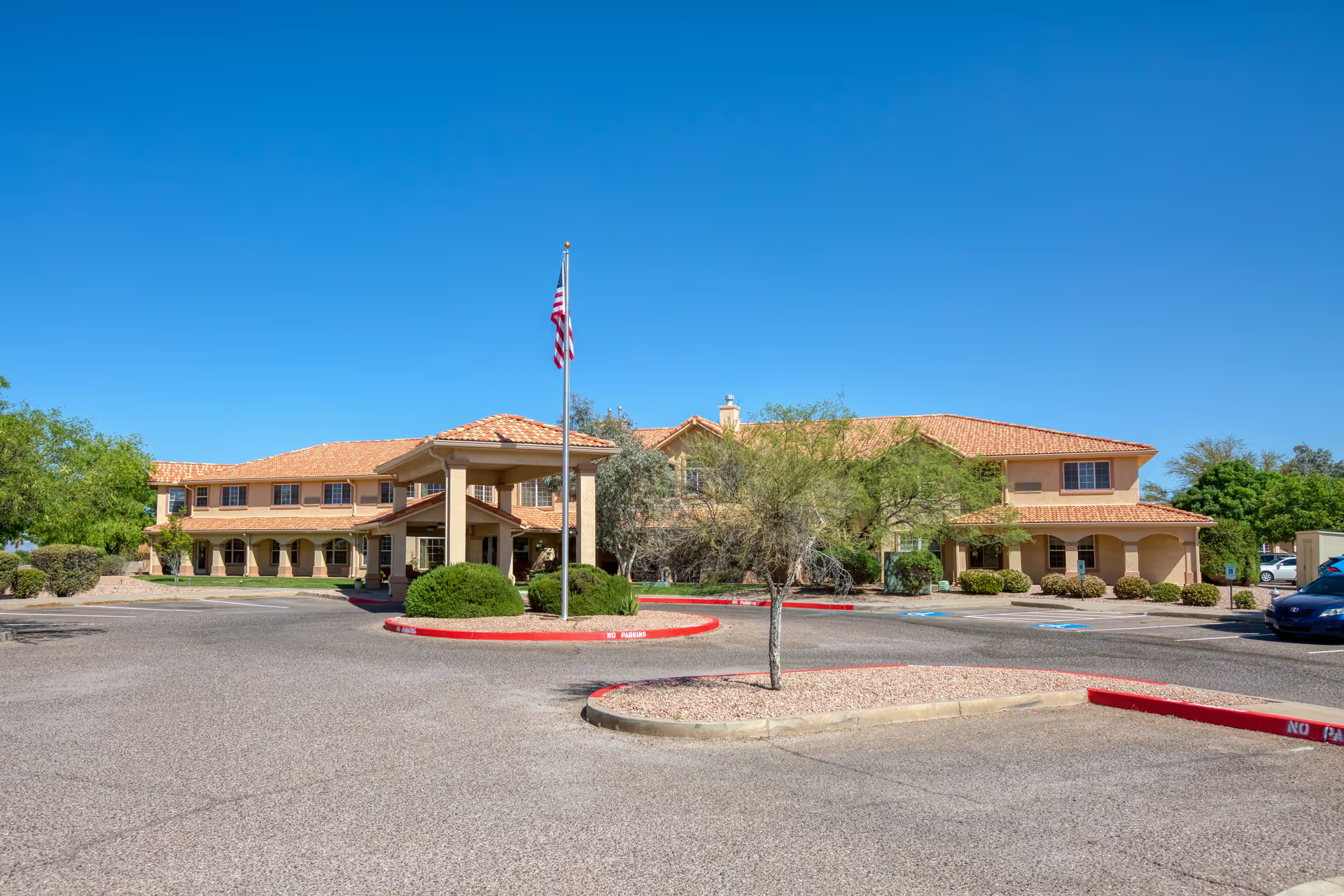
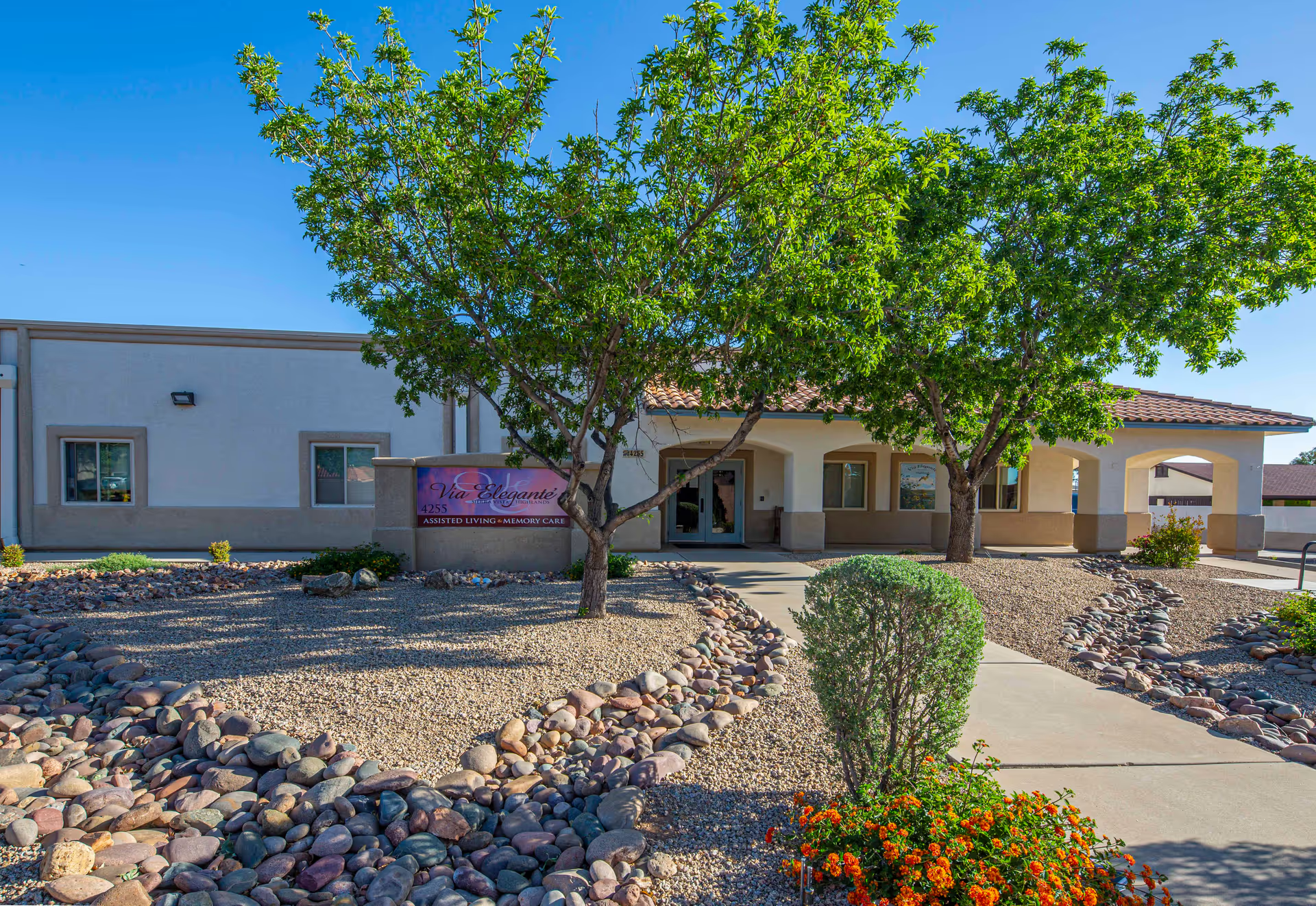
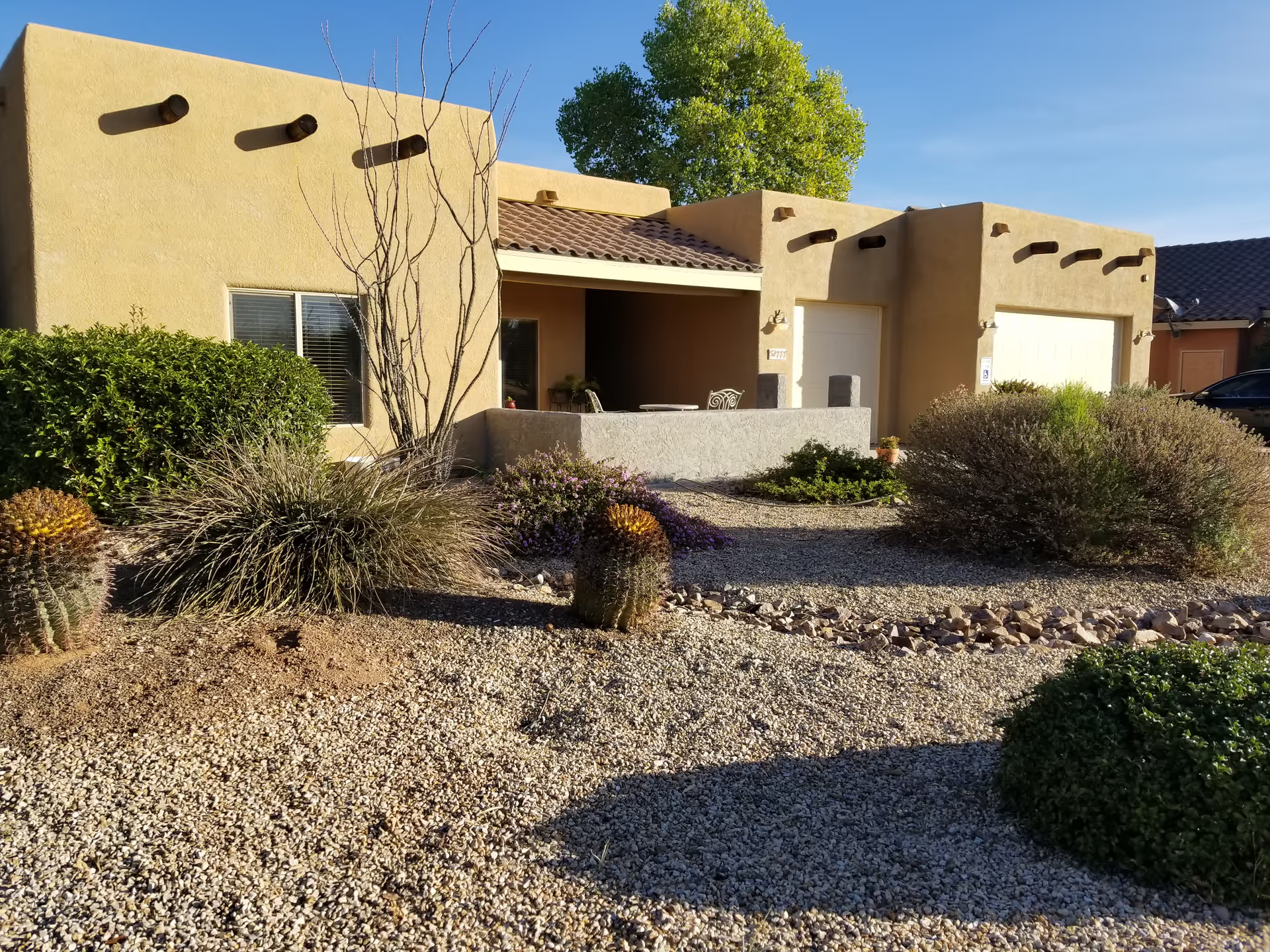
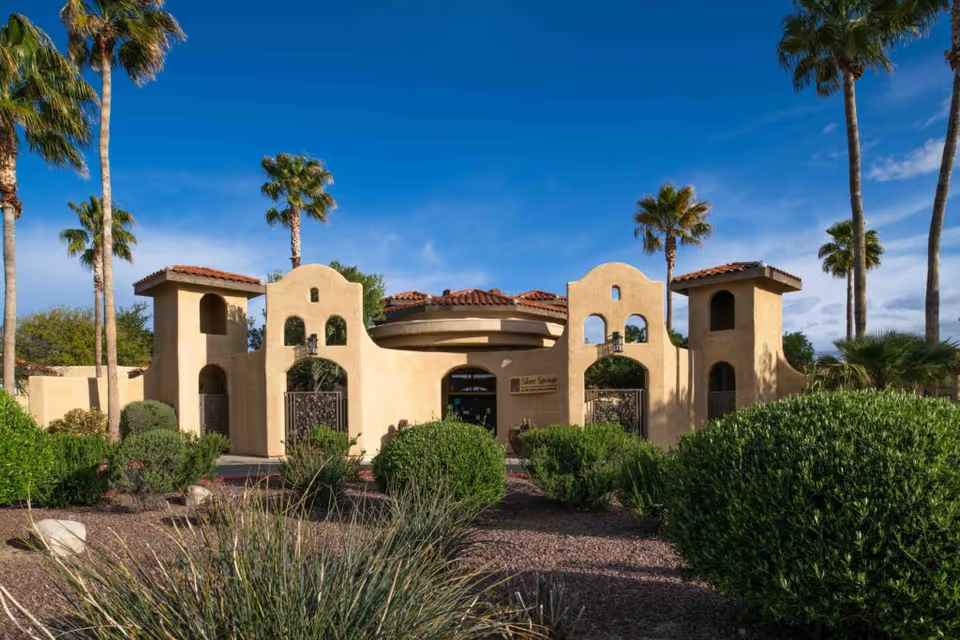
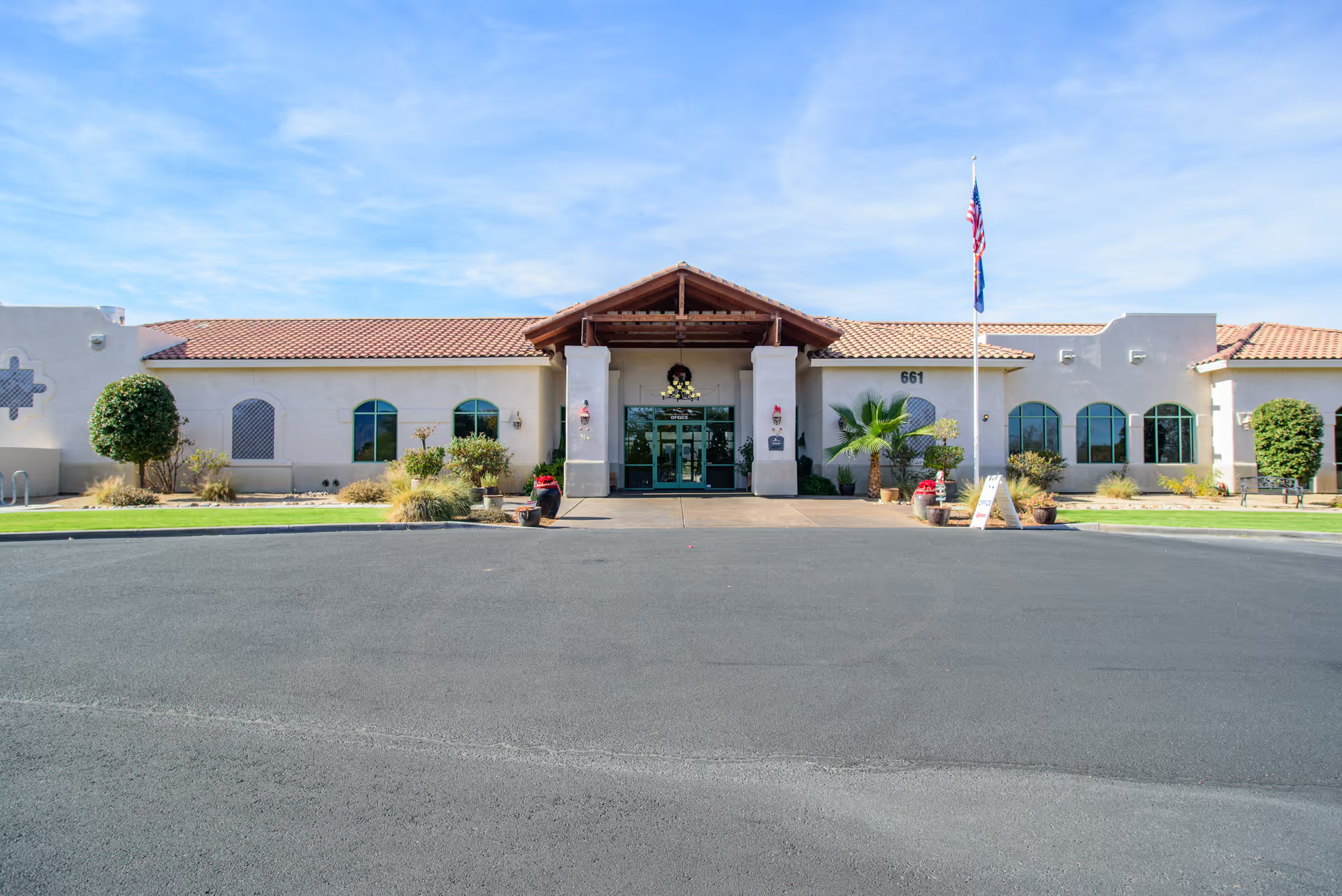
The physical environment reads as modern and resort-like: clean common areas, multiple living and dining spaces across three wings or households, secure entrances, enclosed courtyards, and landscaped grounds. These features support a home-like atmosphere and multiple small-household layouts that families find comforting. However, unit-level amenities vary. Several operational traits warrant consideration: private rooms are often compact with limited storage or closet space; some units lack ensuite showers; and a few households have shared bathrooms. Occasional odor concerns in specific areas were mentioned, suggesting that sanitation and air-quality consistency can differ by household.
Operational and policy patterns are mixed. Management is generally praised for responsiveness, clear weekly communications, and calm, organized handling of emergencies or evacuations. The facility can feel administratively structured, however, with restrictive visitation rules and policies that limit flexibility for personalization or seasonal decorations. Families should also note complexity in pricing across care levels and periodic telecommunications or phone connectivity gaps that can affect resident–family communication.
Overall, the dominant themes are strong, compassionate caregiving; active clinical involvement; diverse and engaging activities; and an appealing physical environment. Prospective residents and families should weigh these strengths against the trade-offs of smaller private-room footprints, variable in-unit amenities, occasional household-level sanitation or odor variability, and visitation or policy restrictions when determining fit and choosing a specific household within the campus.