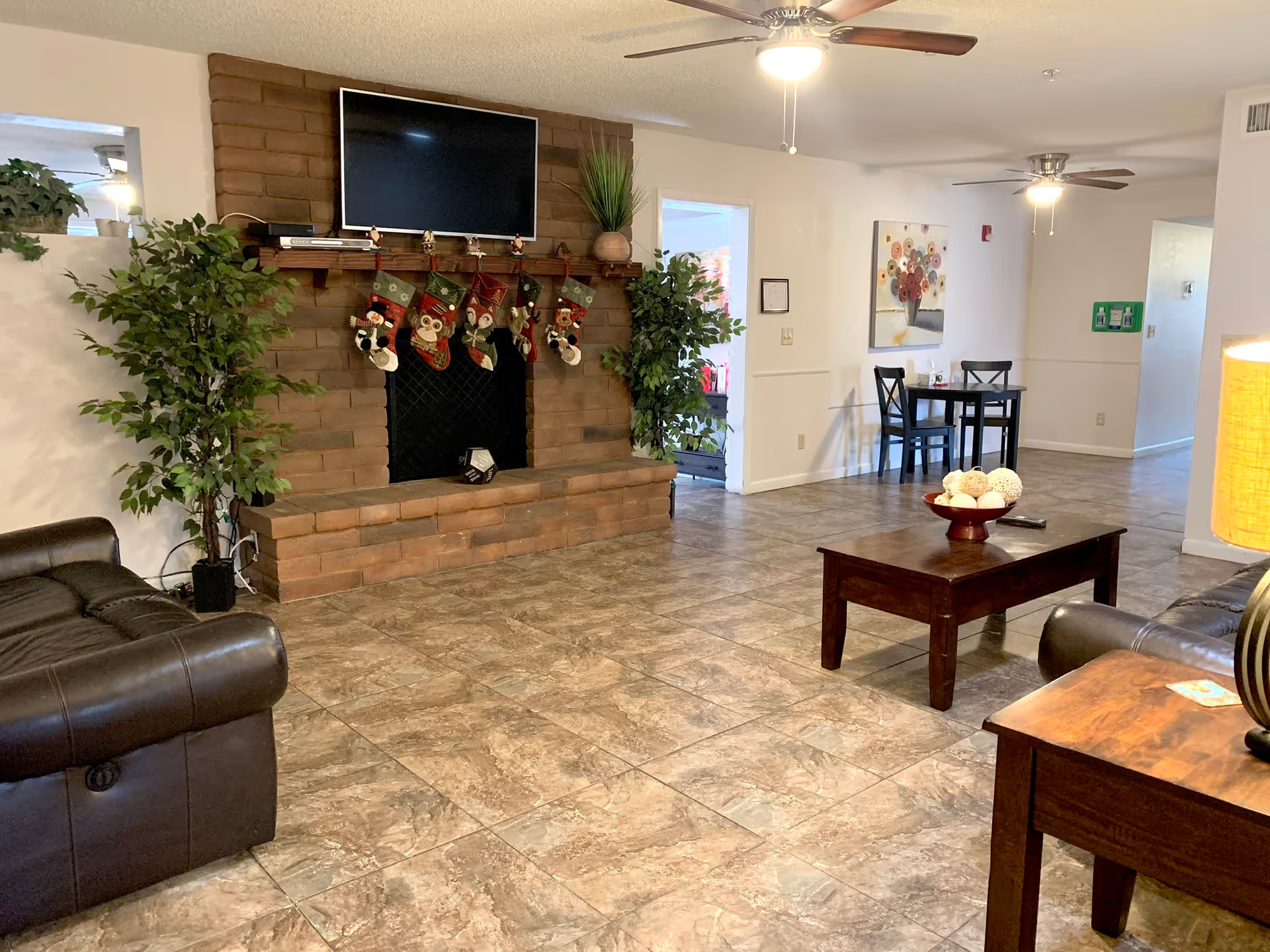
The reviews describe a facility with a mixed performance profile: strengths are concentrated in direct resident care, basic clinical oversight, reasonable cost, and some upgraded living and dining areas, while operational and management weaknesses appear to be recurrent concerns. Several families described positive day-to-day interactions with direct-care staff, timely medication administration by med techs, round-the-clock caregiver coverage, and periodic monitoring by on-site physicians. In upgraded areas residents and families praised a restaurant-style dining room, an experienced chef, larger apartment layouts including two-bedroom options, and a range of amenities such as TV rooms, game areas, and a barber shop. Transportation to medical appointments and an overall affordable price point were also noted as practical advantages.
Care and staffing present a mixed picture. Many accounts highlight attentive, kind caregivers and med techs who explain medications and administer them on schedule; conversely, reviewers also raised concerns about inconsistent medication-management controls and high staff turnover. Nursing skill and bedside manner were described as variable—some nurses were specifically praised while others were described as lacking people skills. These patterns suggest strengths in individual caregivers but gaps in staffing continuity, training, or supervision that affect consistency of experience.
Dining and activities vary by unit and leadership. Where the facility has invested in dining upgrades, residents reported an elevated, restaurant-like experience and an active meal program; other accounts described inconsistent food quality, repeated leftovers, or dissatisfaction with menu execution. Activity programming likewise appears uneven: some families described a nonstop, family-like schedule of events, while others reported minimal organized activities and reliance on volunteers. Prospective residents should ask for a current activity calendar and sample menus when evaluating the community.
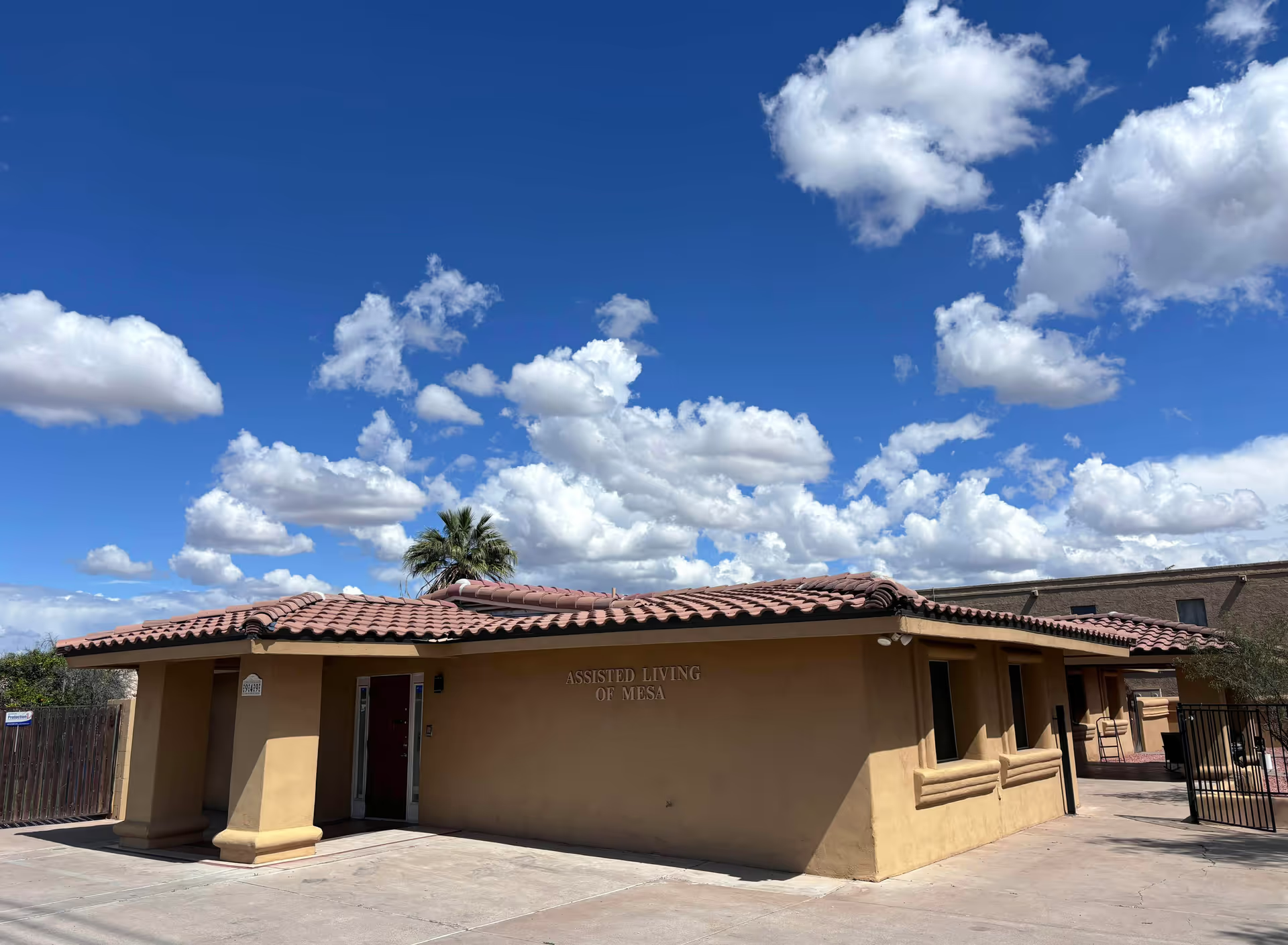
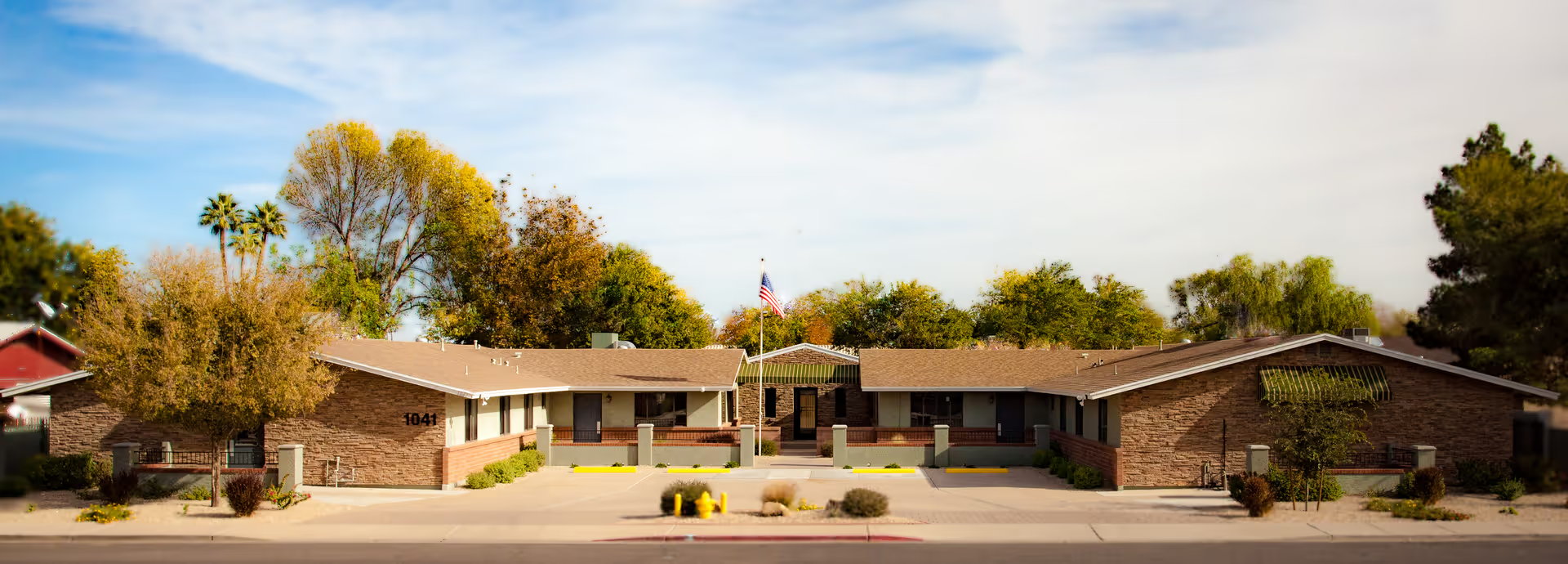
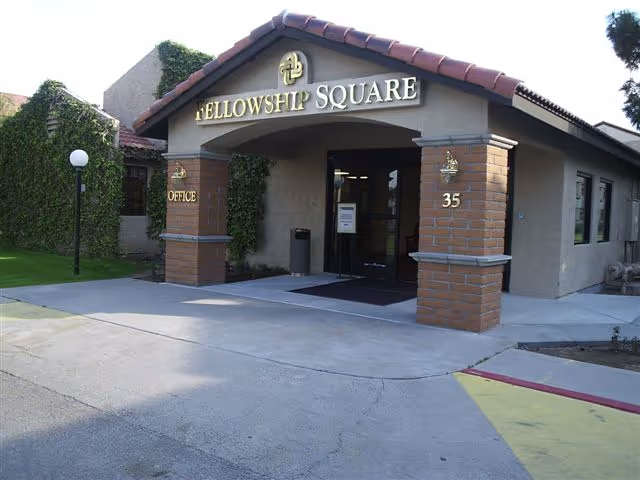
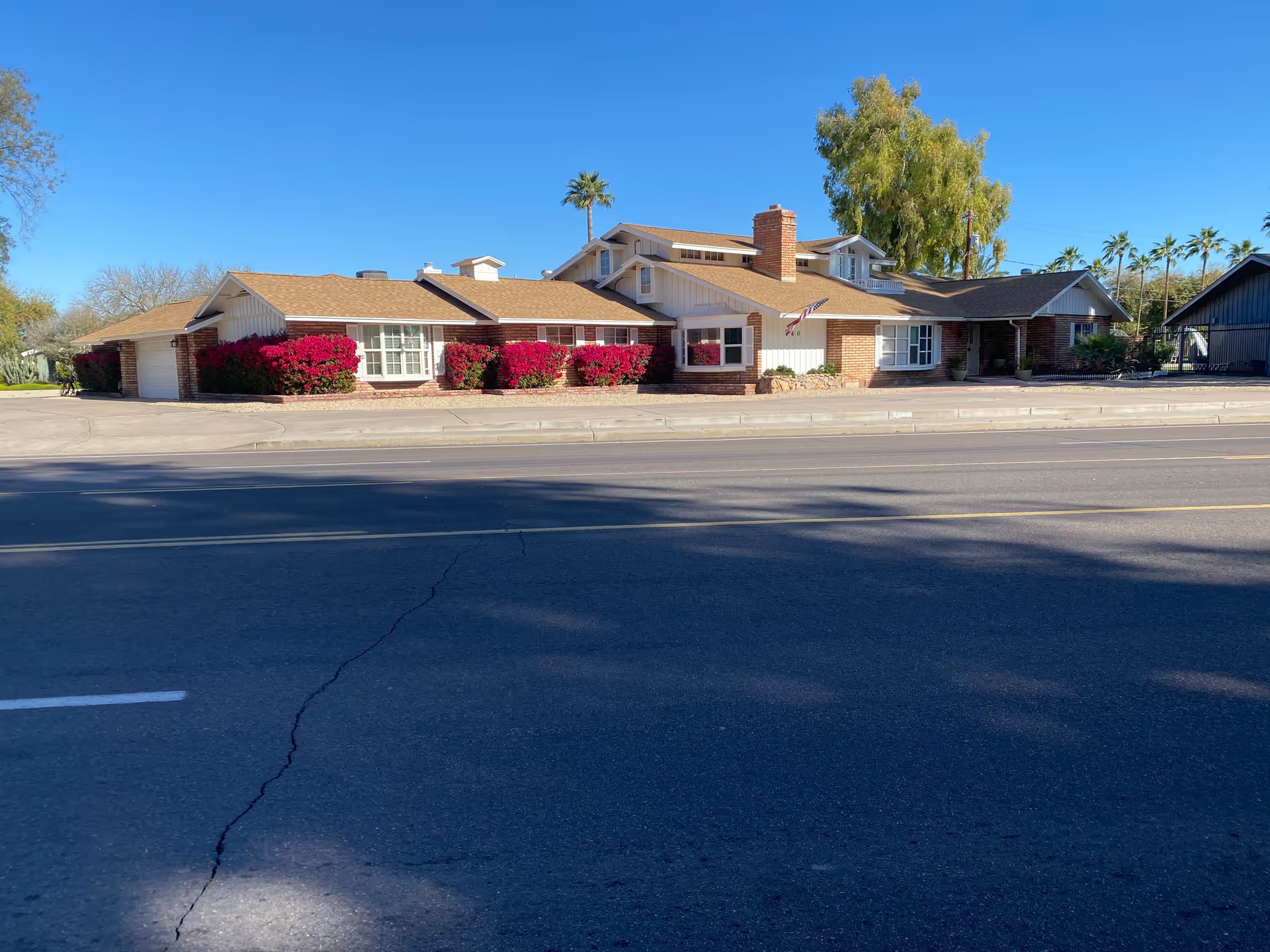
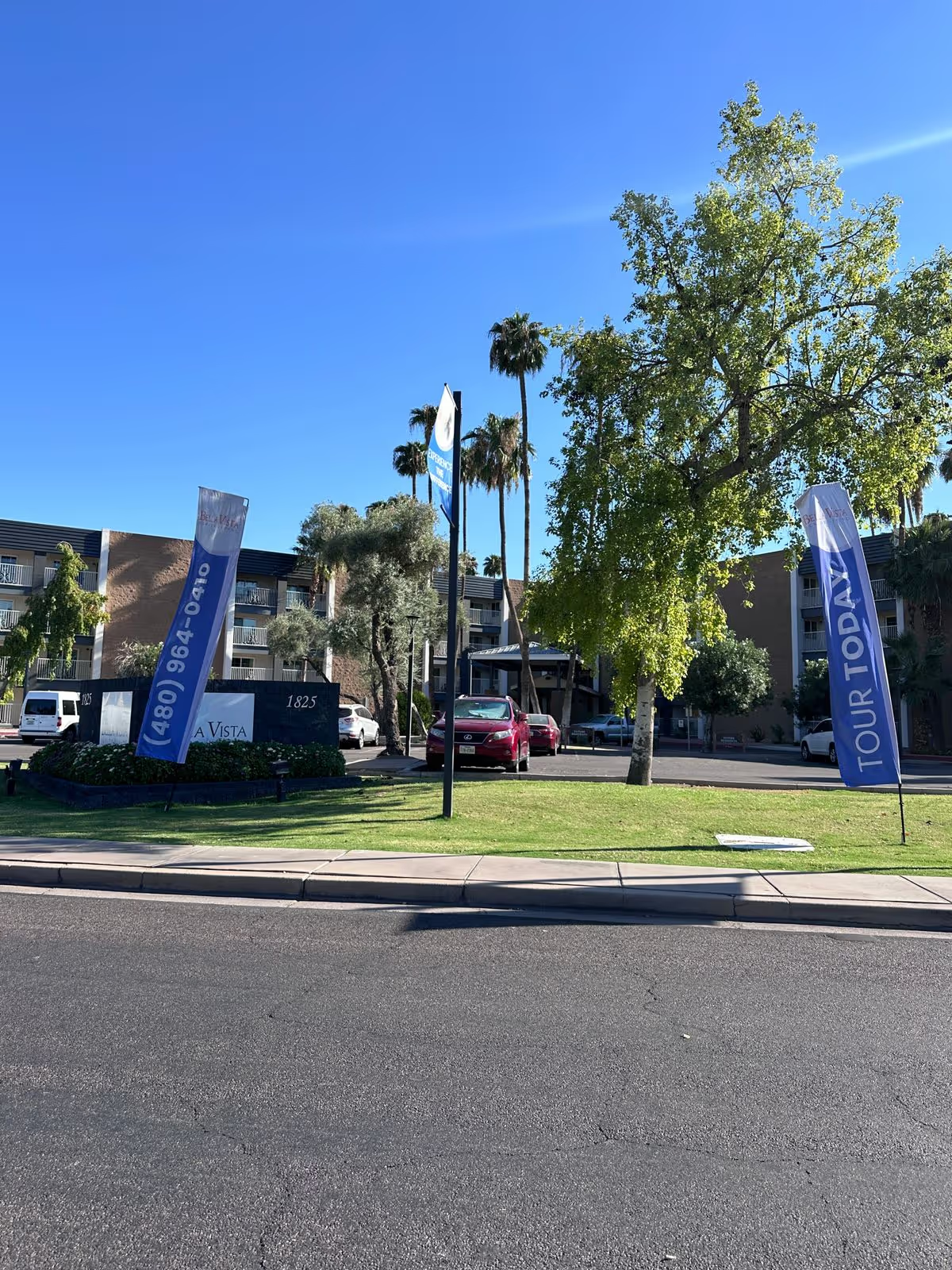
Facility condition and logistics are notable considerations. The building is described as older and utilitarian in some areas, with limited decorative updates that contribute to a more clinical atmosphere in parts of the campus. At the same time, upgraded sections conveyed a warmer environment. Several operational concerns about communication and logistics were reported—unreliable phone lines, incorrect online contact information, mail-forwarding issues, and inconsistent mailbox setup—which can complicate family communications. Transportation services were viewed positively, but families should verify local connectivity and contact procedures.
Management and administrative issues are a recurring theme. Reviewers described uneven administrative professionalism, billing and payment processing weaknesses (including lost checks and duplicate charges), and broader concerns about leadership tone. There are also allegations of inappropriate conduct by ownership-level individuals in at least one account; such claims warrant direct follow-up with the provider and inspection of any regulatory records. Cleanliness and sanitation concerns appeared in some reports and should be confirmed during a visit.
Overall, Greenfields appears to provide solid hands-on care in many cases, particularly where experienced direct caregivers and upgraded dining areas are present. However, prospective residents and families should evaluate operational controls and management practices closely—specifically medication-management procedures, billing safeguards, staffing stability, activity schedules, cleanliness standards, and the facility’s communication processes—before making a placement decision. A focused tour during a mealtime, meetings with nursing leadership, review of recent staffing and inspection records, and direct questions about billing and mail/phone procedures are recommended to clarify whether the facility’s strengths align with an individual resident’s needs.