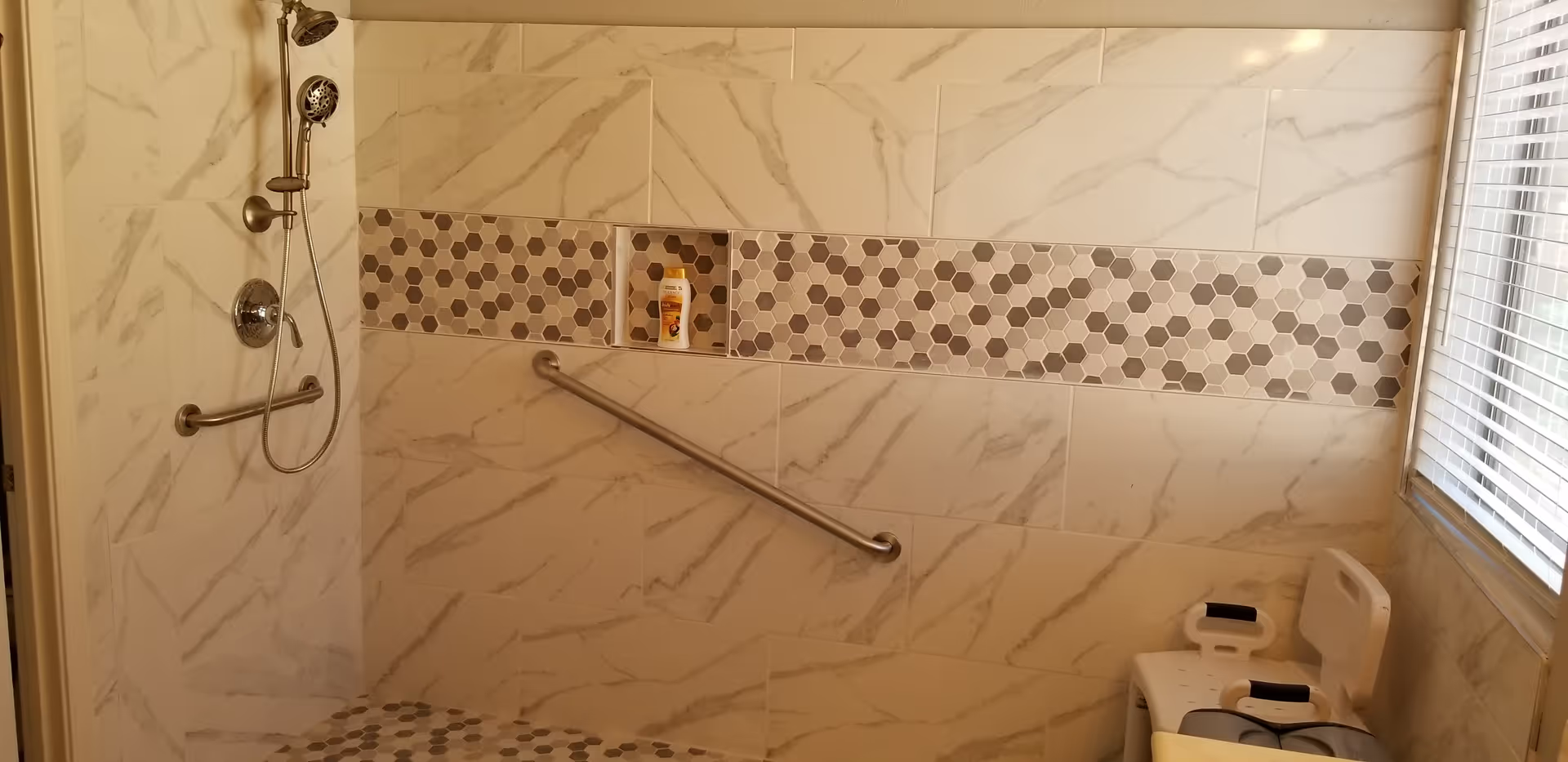
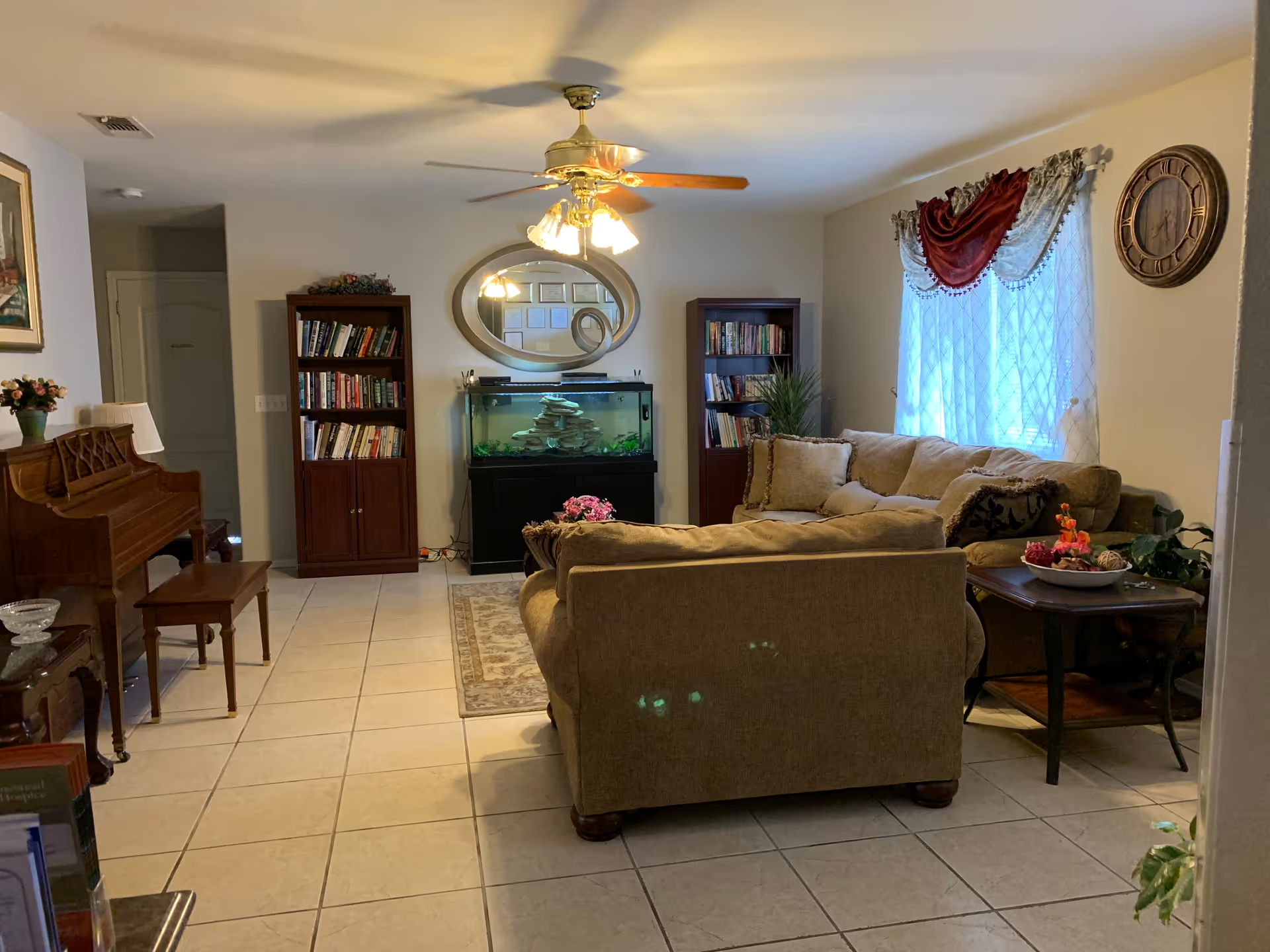
Morning Glory Adult Care Home II appears to be a small, home-style private facility housed in a newer property within a pleasant neighborhood and close to local amenities. Physical features cited positively include an en-suite bath available in a shared room and an overall home-like environment. Several reviewers described an individual caregiver (identified as the owner’s husband) as compassionate and noted attentive care during the initial admission period.
Care quality impressions are mixed. While there are examples of compassionate, attentive caregiving early on, reviewers raised concerns about the facility’s ability to meet the needs of residents with more advanced care requirements. Overall staff competence and responsiveness were characterized as average; families should assess whether the facility’s staffing model and clinical capability match a prospective resident’s acuity level.
Dining and cost were consistent areas of concern. Reviewers described the food as low in nutritional value and the dining service as unsatisfactory, and some considered the price point high relative to the service and meal quality. Prospective families may wish to request sample menus, observe mealtimes, and clarify how dietary needs are managed before committing.
Activity offerings and staff-resident interactions showed limitations for some residents. The current staff mix (notably a predominance of male caregivers, per reviewer comments) affected resident comfort and participation in social activities for those who prefer female attendants. Activity programming may not be consistently tailored to individual preferences, so discussing recreational options and staffing assignments in advance is advisable.
Facility maintenance is generally positive given the newer building, but there were specific cleanliness and odor concerns reported in some areas. These sanitation-related issues suggest a need to review housekeeping schedules, pest-control and odor-mitigation practices, and room-cleaning protocols during a visit.
Management involvement appears to be hands-on at times, which yielded positive individual interactions, but operational gaps were noted around dining, consistent care for higher-acuity residents, and activity alignment with resident preferences. Recommendation: families should conduct in-person visits, meet the caregiving team, review staffing patterns (including gender mix and shift coverage), sample meals, and confirm the facility’s experience with residents whose care needs are increasing before deciding if this setting is an appropriate match.